 EN
Warehouse-Workshop Steel Structures: Dual-Use Design
2026/10/26
Plan a warehouse workshop steel structure with smarter zoning, flow, clear height, crane, fire, and expansion decisions.

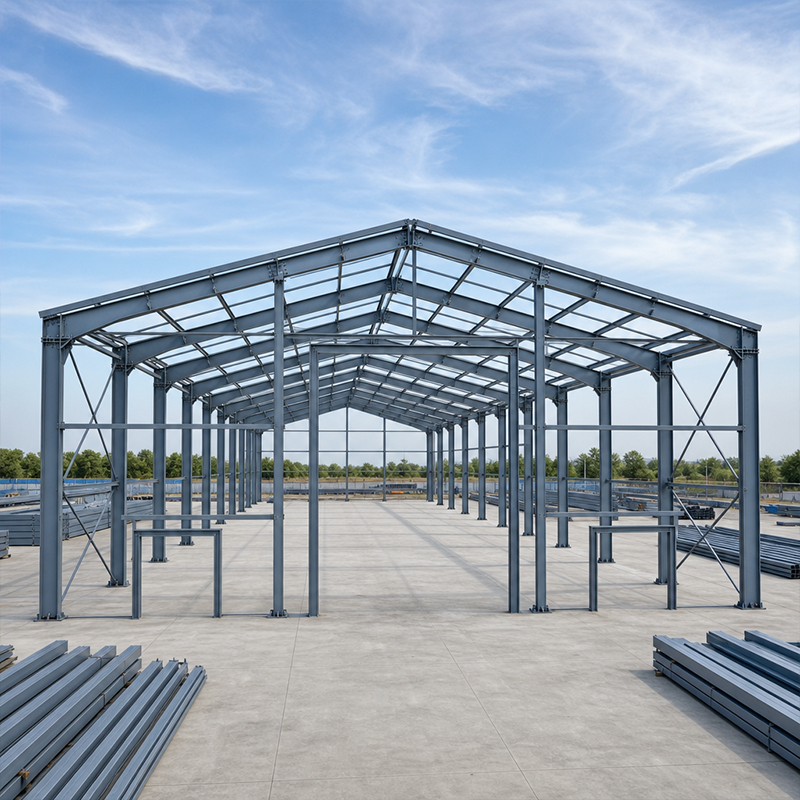
A metal frame structure carries building loads through a skeleton of columns, rafters, and bracing rather than through masonry walls. Selecting the right steel grade and the right connection method decides how the building performs under wind, snow, and moving crane loads. This guide explains the materials and joints used across modern industrial frames so procurement teams can specify with confidence.
Most industrial frames use structural carbon steel graded by yield strength. A metal frame structure in cold or seismic regions often starts with Q355B, a Chinese grade close to S355, offering 355 MPa yield. For low-temperature sites, Q355D keeps toughness down to minus twenty degrees Celsius. Q355B-Z35 adds Z-direction properties that resist lamellar tearing where thick plates meet. Q420B serves heavy crane beams because its higher strength trims section weight. Specifying the grade from the load case protects the budget and the structure.
Steel in open or humid sites needs a barrier against rust. Hot-dip galvanizing gives a zinc layer that sacrifices itself to protect the base metal for decades. A glass flake coating adds a thick film that blocks moisture on splash zones and interior faces. Specifiers match the coating to the environment: a coastal logistics hall needs more protection than an arid warehouse. Painted systems need rework on a scheduled cycle, while galvanized steel keeps performing with little care. The right finish keeps maintenance cost predictable. Specifiers also weigh life-cycle cost, not just first price, because a cheaper finish can demand earlier rework. Documenting the coating specification in the purchase order keeps the supplier accountable for the named system.
Two methods join steel members: bolting and welding. A bolted connection uses high-strength bolts that clamp plates together so friction carries the load. Welding fuses members with deposited metal, which can be stronger in the field but needs certified welders and controlled conditions. For a metal frame structure that ships across oceans, bolting wins because every joint arrives cut, drilled, and tagged in the factory. Field welding on a remote site risks porosity and needs inspection that slows the schedule. Bolting also lets crews correct a misaligned hole without grinding.
Most pre-engineered frames use 10.9S high-strength bolts with a controlled tightening torque. Workers snug the joint, then apply the final tension with a calibrated wrench or a twist-off nut. The clamping force, not the bolt shank, carries the shear, so surface preparation matters. A clean, dry contact face keeps the friction coefficient stable across the life of the joint. Project records should keep the mill cert and the torque log so a future audit can confirm the assembly met the spec. Loose or painted faying surfaces reduce capacity and must be rejected. Field teams should protect bolt threads during handling so the torque reads true on the final pass.
Factory fabrication keeps quality steady under ISO 9001 and ISO 3834 controls. CNC cutting and robotic welding shape each member to the millimeter before it ships. Crews on site then raise the frame and bolt it up, which is faster than field welding and needs fewer skilled trades. A metal frame structure built this way can reach weathertight status in weeks rather than months. The sequence also limits work at height, which lowers exposure under OSHA-style site rules. Clear shop drawings tie every bolt to its location so nothing is left to guesswork.
Real sites are never perfect, so the connection system must absorb small errors. Bolt holes are punched slightly oversize, giving crews a few millimeters to align rafters and columns. Shims under base plates correct minor level differences without cutting steel. A welded-only frame offers less slack, so a single bad dimension can stall the whole raise. Standard bays and repeated members let a metal frame structure go up with a rhythm that keeps the crew productive. Good tolerance planning turns a tight schedule into a manageable one.
Buyers should pin down a few details before requesting quotes. State the steel grade, the design loads, and the local code such as IBC or MBMA so the supplier models the frame correctly. Ask for EN 1090 and CE marking on exported structural parts, plus ASTM or AISC references where the market expects them. Confirm the bolt grade and the coating system in writing. Request the fabrication drawings and the erection sequence up front. A clear spec prevents the costly surprises that appear when a metal frame structure meets the real site.
Steel frames ask for little, but a few habits extend service life. Inspect bolt tension after the first year and after any major storm, since settling can loosen a joint. Keep the coating intact; touch up scratches before rust spreads. Clear drainage paths so water never ponds against the base. Check that cladding and envelope panels stay fixed, because a loose panel flaps and fatigues its fasteners. Review the structure after a crane upgrade, since heavier loads change the demand on connections. These steps keep a metal frame structure safe and quiet for decades.
Choosing the right grade and the right joint turns a drawing into a building that performs for its full design life. A well-specified metal frame structure balances cost, speed, and durability, and it arrives on site ready to bolt together. Teams that plan materials and connections early avoid the rework that eats both time and budget.
What steel grade suits a cold-region frame?
Answer: For sites with freezing winters, Q355D keeps impact toughness at low temperature and avoids brittle cracking. Q355B works in milder climates, while Q355B-Z35 resists lamellar tearing where thick plates connect. The choice follows the design temperature and the load case rather than a fixed rule. Confirming the grade on the mill certificate prevents substitution during fabrication.
Why do export projects prefer bolted connections?
Answer: Shipping welded-only frames risks damage at the joints and demands certified welding on arrival. A bolted metal frame structure arrives with every hole drilled and tagged, so local crews only tighten to the spec. This removes the need for field welders and their inspection. The method also tolerates small site errors and speeds the raise. Fewer trade skills on site lower both cost and schedule risk.
How is a high-strength bolt tightened correctly?
Answer: Crews snug each joint by hand, then apply final tension with a calibrated wrench or a twist-off nut. The clamping force, not the shank, carries the shear load across the faying face. Surfaces must stay clean and dry so the friction coefficient holds. A recorded torque log supports later audits and proves the assembly met the standard. Re-tensioning loose bolts after settling keeps the connection reliable.
When should the coating system be inspected?
Answer: Coatings need a check after the first year and after any major storm that drives water against the base. Scratches and edges are the first places rust appears, so touch them up before spread. A planned repaint cycle keeps the film intact on painted systems. Galvanized steel needs less attention but still benefits from an annual visual scan. Early repair protects the steel and avoids larger structural cost later.
Which standards confirm exported frame quality?
Answer: Exported structural parts should carry EN 1090 execution classes and CE marking for the European market. ISO 3834 covers welding quality, while ISO 9001 governs the factory system. Where the destination expects it, ASTM or AISC references add familiarity for local engineers. Requesting the mill certificate and the inspection report with each shipment builds a clear record. These documents let buyers verify the frame before it leaves the plant.
2026/10/26
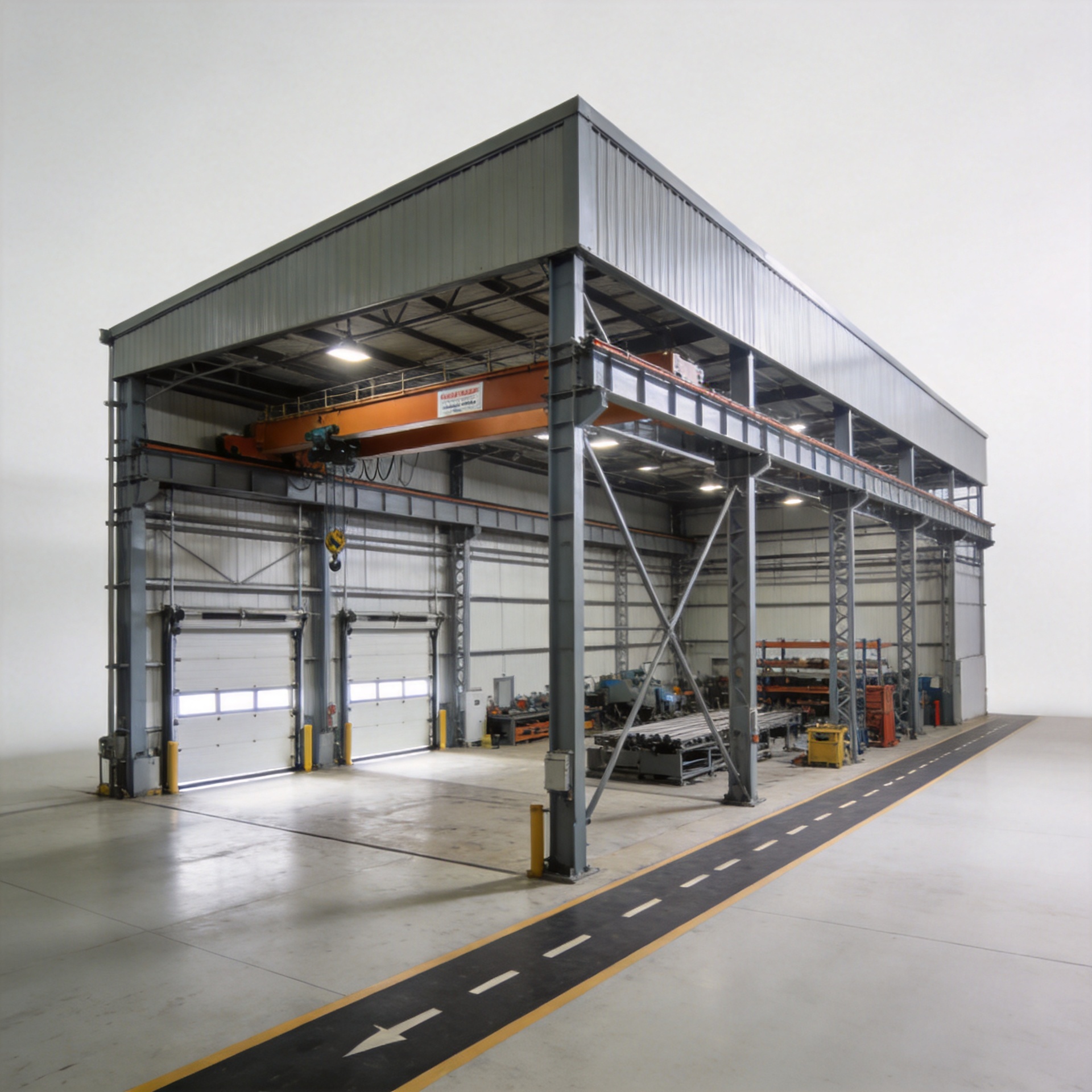
Plan a warehouse workshop steel structure with smarter zoning, flow, clear height, crane, fire, and expansion decisions.
2026/10/26
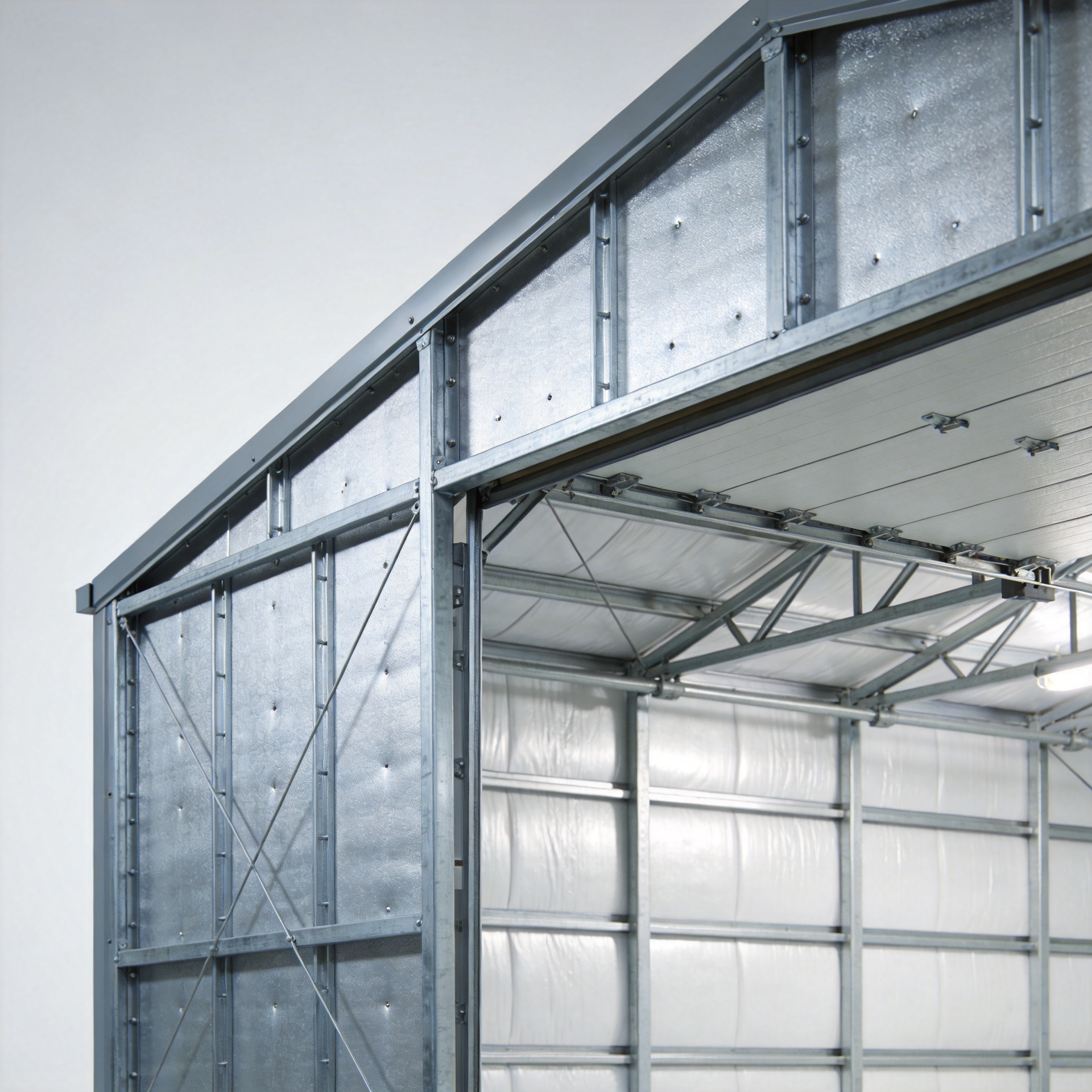
Plan a cold storage steel structure with insulation, vapor control, thermal breaks, refrigeration interfaces and corrosion-ready details.
2026/10/26
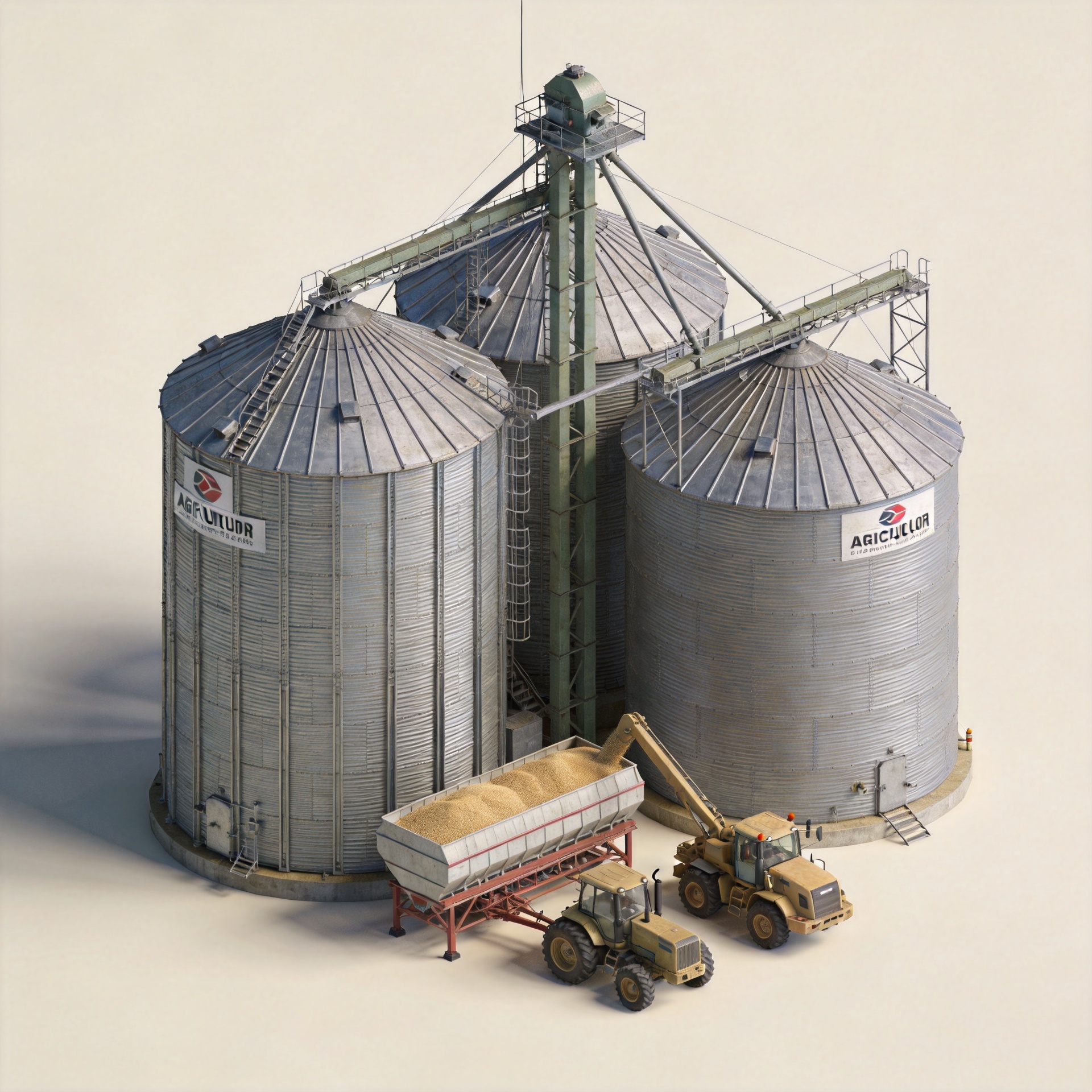
Plan an agricultural steel structure that scales from machinery barn to storage and farm logistics hub with practical design and procurement steps.
2026/10/26
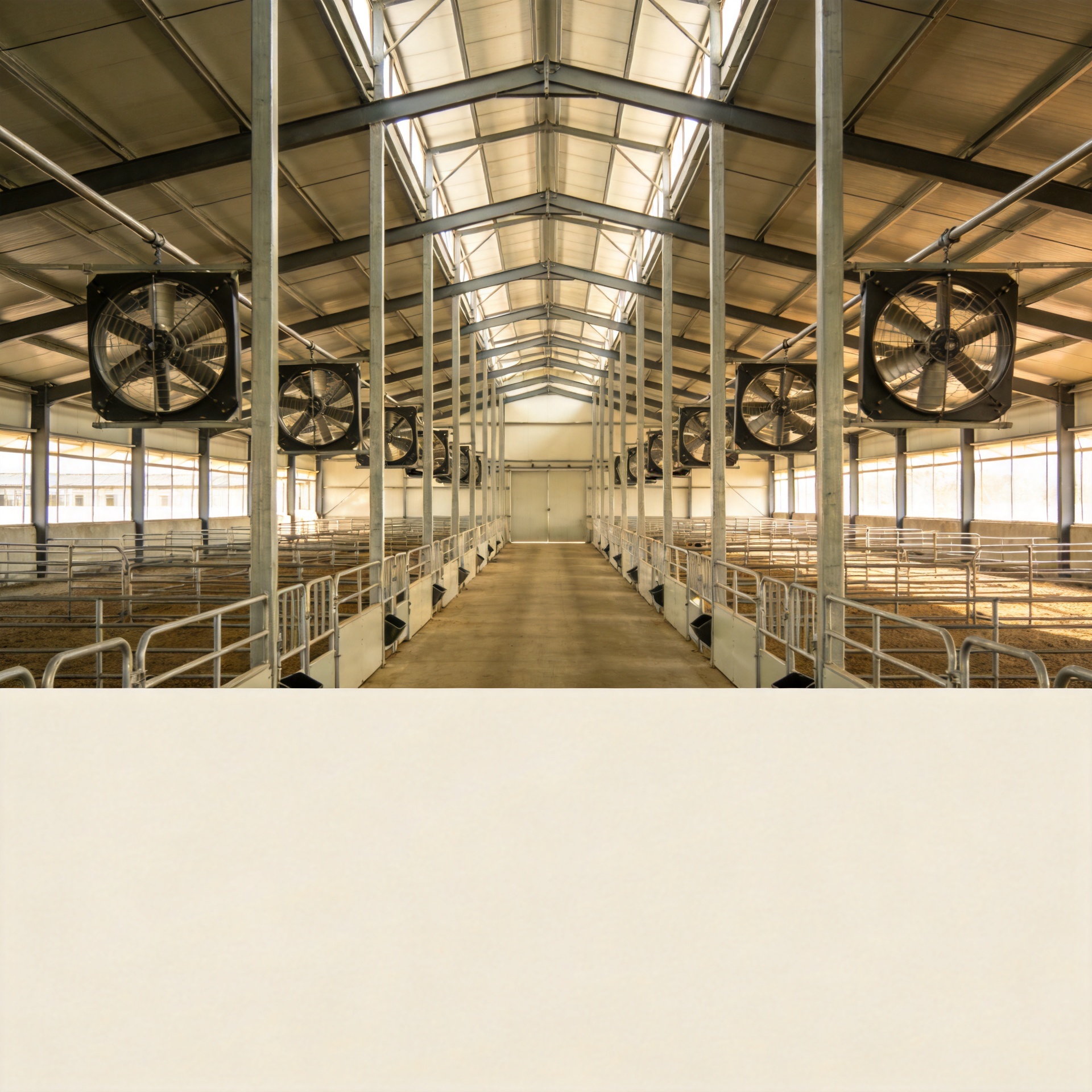
Plan a livestock steel structure for welfare, corrosion resistance, fire considerations, and efficient design-to-delivery decisions.
2026/10/26
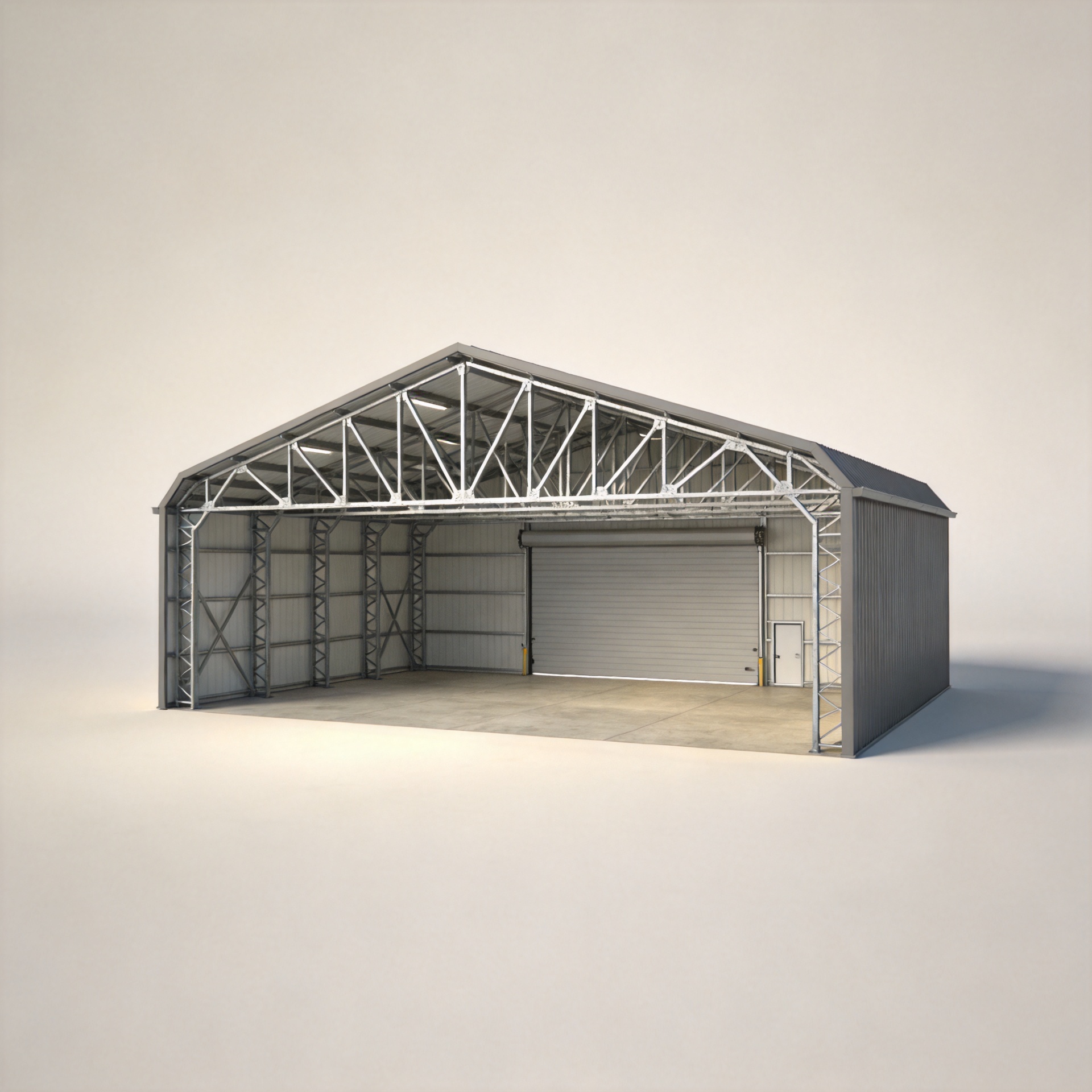
Plan an aircraft steel structure for hangars and support facilities with guidance on loads, corrosion, fire, EN 1090, and delivery milestones.
2026/10/26
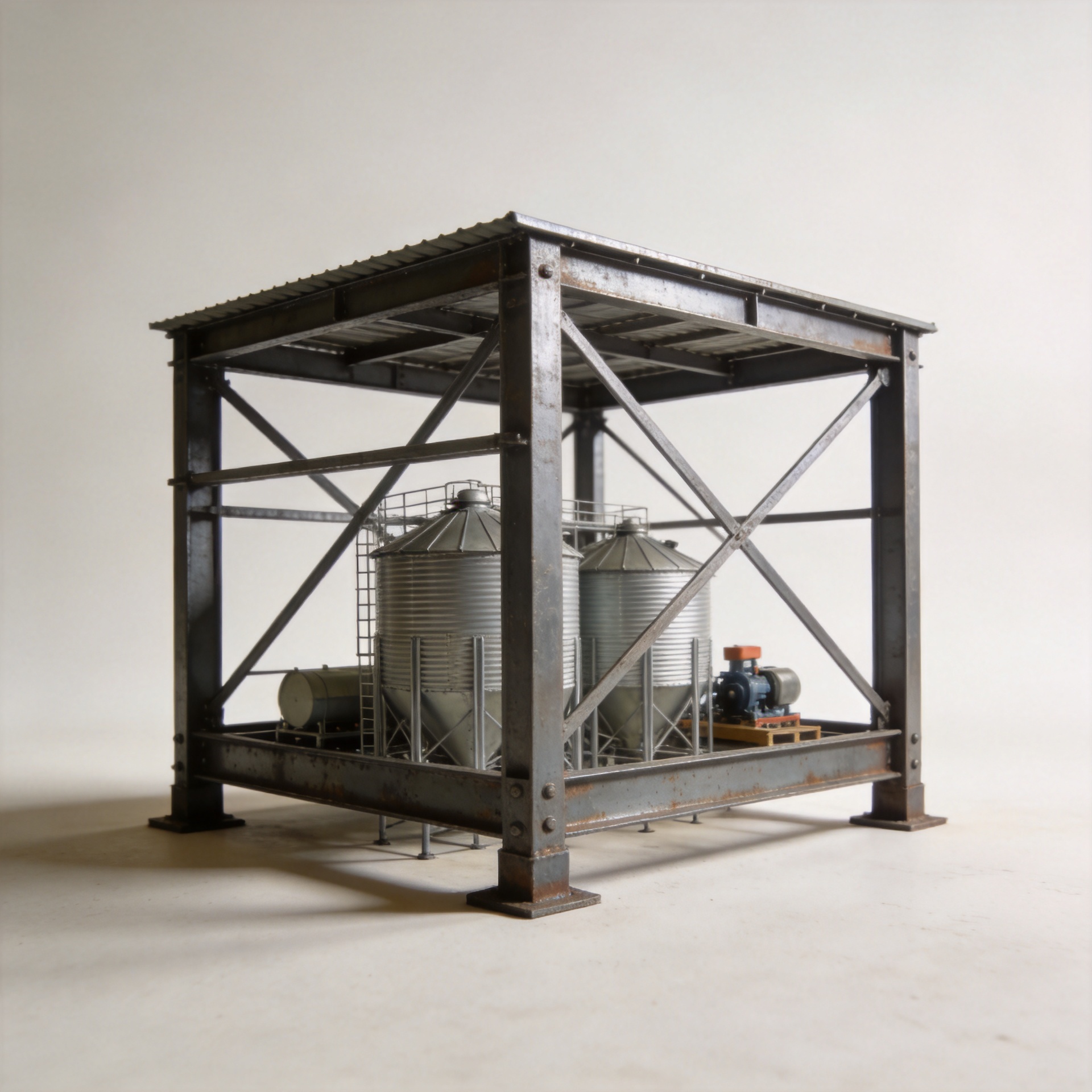
Choose a farm steel structure for agricultural storage with practical guidance on loads, corrosion, compliance, and delivery planning.
