 EN
Warehouse-Workshop Steel Structures: Dual-Use Design
2026/10/26
Plan a warehouse workshop steel structure with smarter zoning, flow, clear height, crane, fire, and expansion decisions.

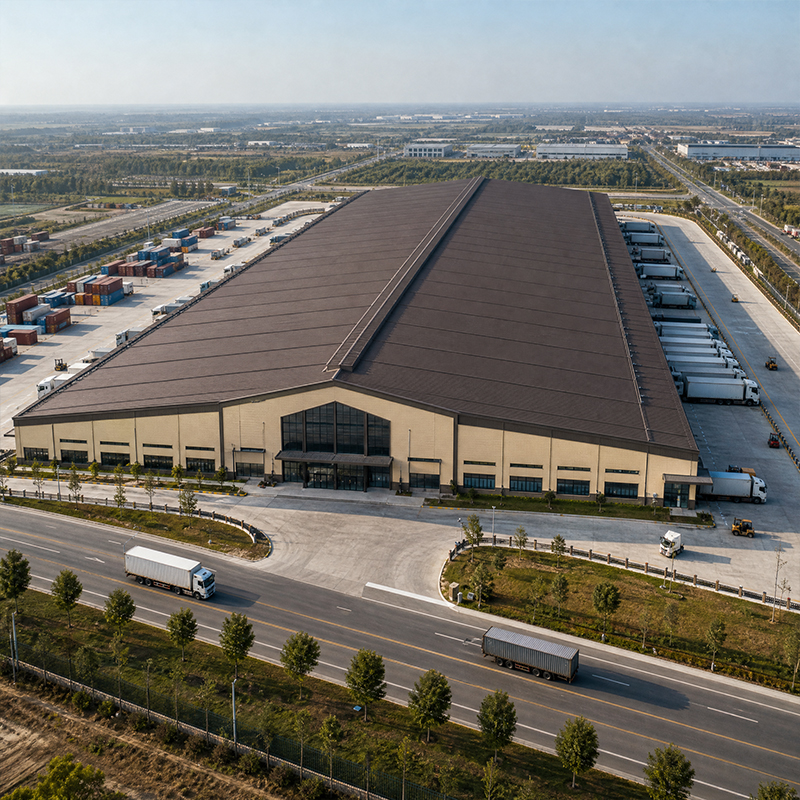
A machining building asks more from its slab than a typical storage box. Machine tools read the floor, and the floor reads back through every cut, so the slab is a machine component in its own right rather than a walking surface.
Moving castings and chucks by hand slows the line and risks injury. An overhead crane turns a heavy setup into a safe, repeatable motion, and it protects the spindle bearings from the shock of a dropped or dragged load.
Most lathe workshop turning cells need a bridge crane sized to the heaviest chuck, fixture, and rough casting plus rigging weight. Undersizing forces risky manual lifts, while oversizing wastes steel and runway cost. A 5 to 10 ton bridge crane suits most turning cells, and the hook path must clear the machine openings and the maintenance aisle. Capacity is set from the load table, then checked against the steel frame and the runway beam deflection limits under full load.
The runway beams hang from the column lines, so the portal frame and the crane must be designed as one system from the first sketch. Misaligned rails wear wheels and twist the frame, so alignment is set during fabrication with CNC-cut connection plates. Q355B grade steel carries the combined wheel and roof loads, and full-bolted 10.9S connections let the crane be re-leveled after settlement. A clear span bay gives the hook free travel across the lathe workshop without dodging interior columns.
Machine tools are hungry, sensitive loads. The power supply plan is where many retrofits fail, because the slab and frame were drawn before the amperage and the harmonic load were known.
Every lathe workshop needs clean three-phase power brought close to the machine row, not dumped at a distant main panel. Long cable runs drop voltage and upset spindle drives, so sub-panels are placed within a short run of each cell. Cable trays run above the chip line, and isolated circuits keep the control cabinets free from motor noise and welding interference. A planned hookup map saves days during commissioning and avoids tapping live feeds inside a crowded electrical pit.
Proper grounding protects both the operator and the control electronics in a sensitive machine shop. A dedicated earth loop ties the machine frame, the panel, and the building steel together, while surge protection guards the servo drives against grid spikes. OSHA electrical rules require locked disconnects at each machine and clearly labeled breakers for fast shutdown. The 150 mm PIR wall panels stabilize shop temperature, which keeps coolant viscosity and measurement repeatable through the shift.
The structure is only as good as the process that built it. Documented standards turn a steel shell into a dependable production asset that buyers can insure and finance with confidence.
EN 1090, ISO 3834 and the Steel Frame
For any lathe workshop, a credible steel structure follows EN 1090 for execution and ISO 3834 for welding quality, with CE marking on European projects and ISO 9001 governing the plant. Robotic welding and CNC cutting hold tight tolerances so the frame bolts up clean on site. Hot-dip galvanizing and glass flake coating defend the steel against coolant mist and grinding dust, which is why prefabricated, pre-engineered building members arrive ready to erect and align. In a machine shop where cnc lathes run daily, this fabrication discipline is what keeps the frame stable for decades.
Corrosion Protection and Inspection Routine
Coolant, oil mist, and abrasive dust attack exposed steel faster than weather does in a busy turning workshop. A scheduled inspection checks the crane rails, the column base plates, and the galvanized connections twice a year. Touch-up coating at bolt edges and roof drainage upkeep stop rust before it spreads into the load-bearing members. Following a written maintenance routine, backed by the fabrication quality records, keeps the building insurable and the machines square on their foundations for the long term. In any steel machine workshop, this routine is what protects both the building and the precision work inside it.
A lathe workshop succeeds when floor, crane, and power are planned as one system rather than patched after occupancy. Specify flatness and slab load capacity first, size the crane to the heaviest chuck, and bring the three-phase supply to the machine row before the frame is cut. A machine shop built to EN 1090 and ISO 3834 standards gives a machining operation a stable, safe home for decades of precision work. For any turning workshop running cnc lathes, this integrated planning is the difference between a building that supports accuracy and one that fights it.
Frequently Asked Questions
Question
Why does floor flatness matter so much in a machining building?
Answer: Floor flatness matters because the machine base sits directly on the slab and transfers cutting forces into it. A deviation of a few millimeters lets long workpieces twist and pushes the spindle out of true alignment with the chuck. Flatness is set with a laser screed and checked against EN 1090 and IBC tolerances. A level, stable floor protects accuracy better than a thick but uneven slab, and it keeps measuring equipment honest across the whole lathe workshop. In any steel machine workshop, the slab and the cnc lathe must be designed as one system.
Question
How is overhead crane capacity chosen for machine loading?
Answer: Crane capacity is chosen from the heaviest chuck, fixture, and rough casting plus rigging weight, with headroom for future larger machines. A 5 to 10 ton bridge crane suits most turning cells, and the hook path must clear machine openings. The figure is checked against the steel frame and runway beam deflection limits. Sizing correctly avoids risky manual lifts while preventing wasted steel and oversized runway cost during construction and operation. In a turning workshop or machine shop, crane capacity declared late is the most common cause of expensive redesign.
Question
What power supply setup do cnc lathes require on site?
Answer: Cnc lathes require clean three-phase power delivered close to the machine row through sub-panels, not a distant main board. Long cable runs cause voltage drop that upsets spindle drives, so trays run above the chip line with isolated circuits. A dedicated earth loop and surge protection guard servo electronics, and OSHA rules require locked disconnects at each machine. Planning the hookup map early prevents tapping live feeds during commissioning. In a lathe workshop or steel machine workshop, this power planning belongs in the original factory design, not in a later retrofit.
Question
Which fabrication standards should a steel workshop meet?
Answer: A steel machine workshop should meet EN 1090 for structural execution and ISO 3834 for welding quality, with CE marking on European projects and ISO 9001 governing the quality system. Robotic welding and CNC cutting keep tolerances tight so the frame bolts up clean. Hot-dip galvanizing with glass flake coating resists coolant mist. These documented standards give buyers a traceable quality record and a structure that financiers and insurers accept without reservation. For any lathe workshop or turning workshop, these certificates are the baseline proof of capability.
Question
How often should the workshop structure be inspected for corrosion?
Answer: The structure should be inspected twice a year, focusing on crane rails, column base plates, and galvanized connections where coolant mist and dust collect. Touch-up coating at bolt edges and clear roof drainage stop rust before it reaches load-bearing members. A written maintenance routine backed by fabrication records keeps the building insurable and the machines aligned on their foundations. Regular checks cost little yet prevent expensive structural repair later. In a machine shop running cnc lathes around the clock, this routine is the cheapest insurance available for both the steel machine workshop and the precision work it shelters.
2026/10/26
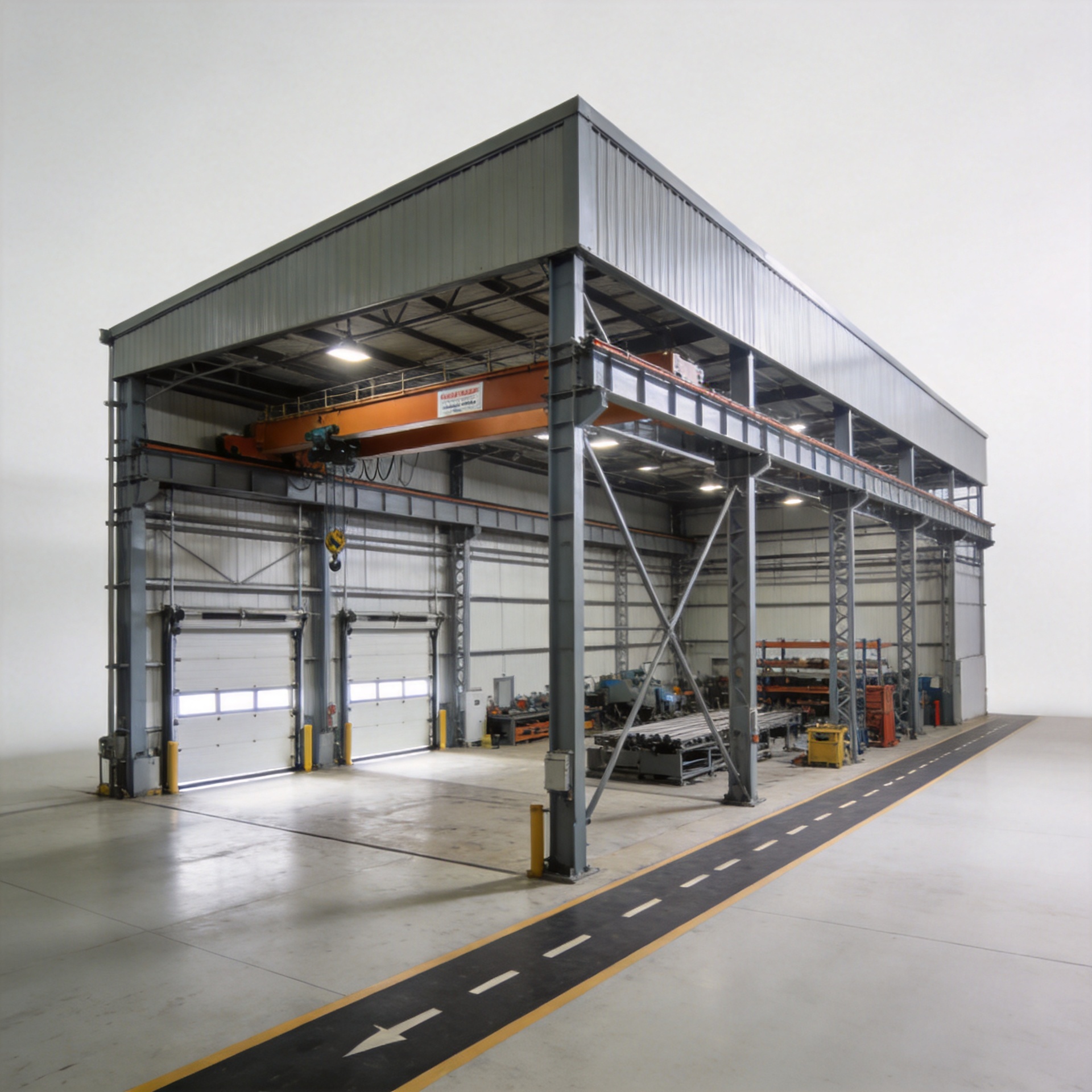
Plan a warehouse workshop steel structure with smarter zoning, flow, clear height, crane, fire, and expansion decisions.
2026/10/26
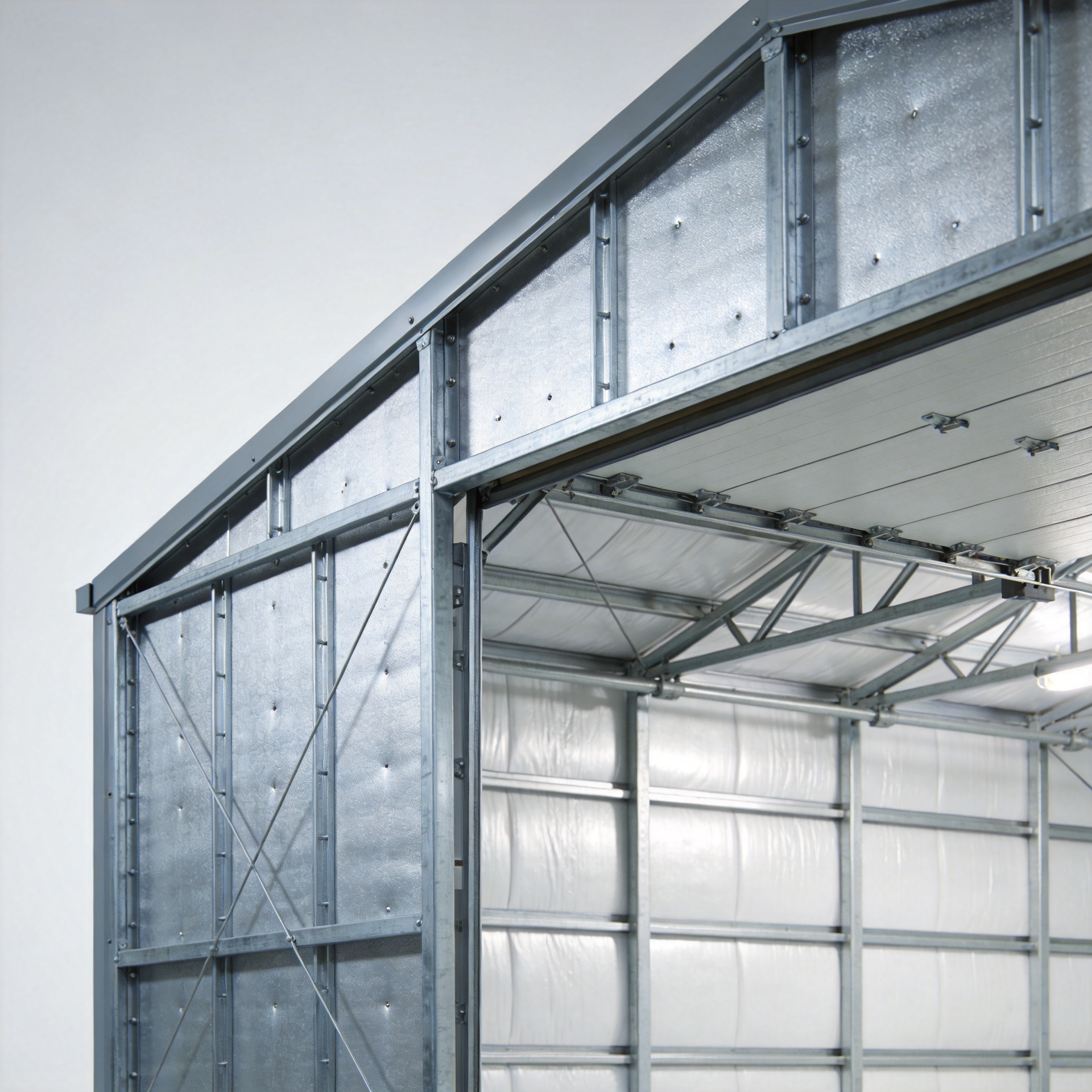
Plan a cold storage steel structure with insulation, vapor control, thermal breaks, refrigeration interfaces and corrosion-ready details.
2026/10/26
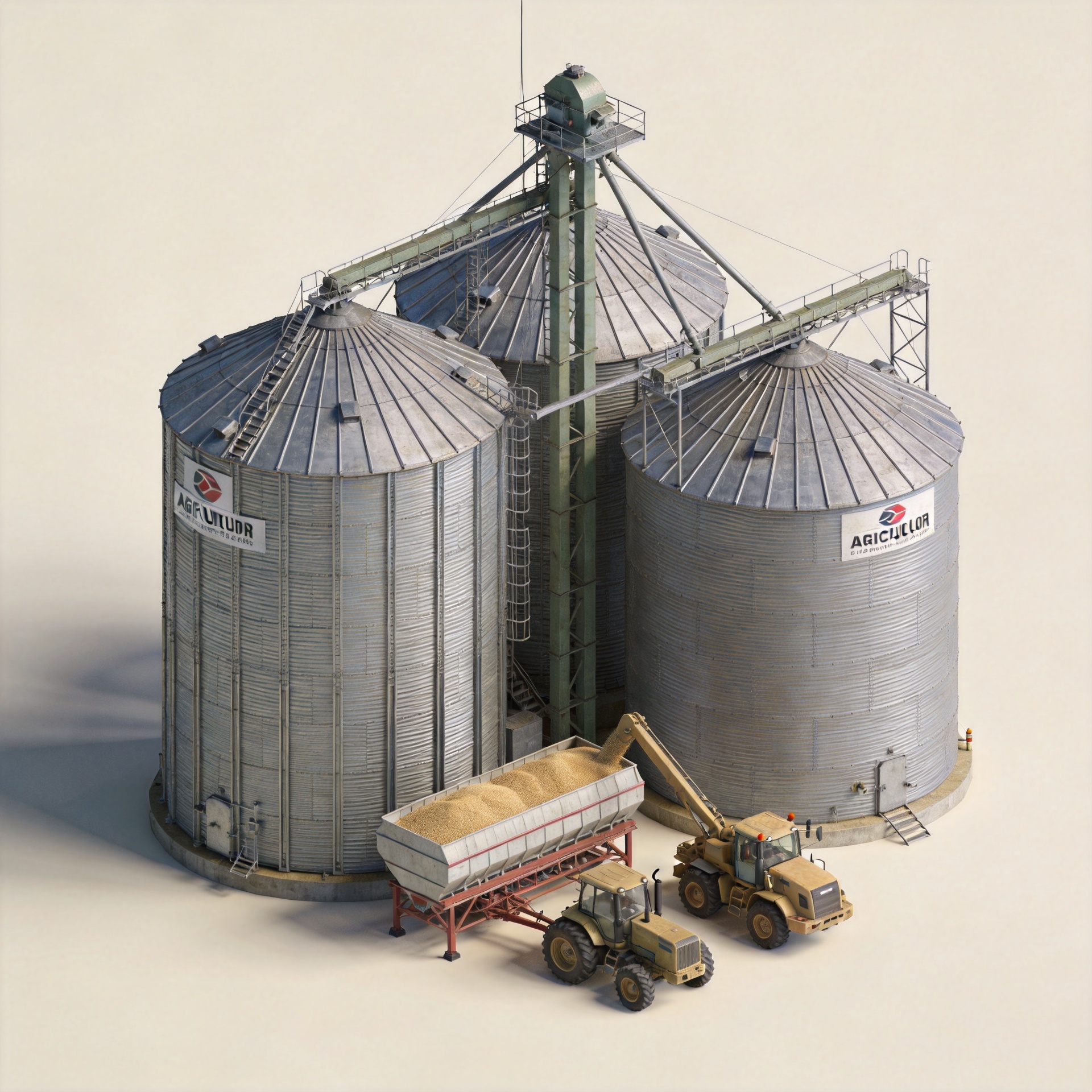
Plan an agricultural steel structure that scales from machinery barn to storage and farm logistics hub with practical design and procurement steps.
2026/10/26
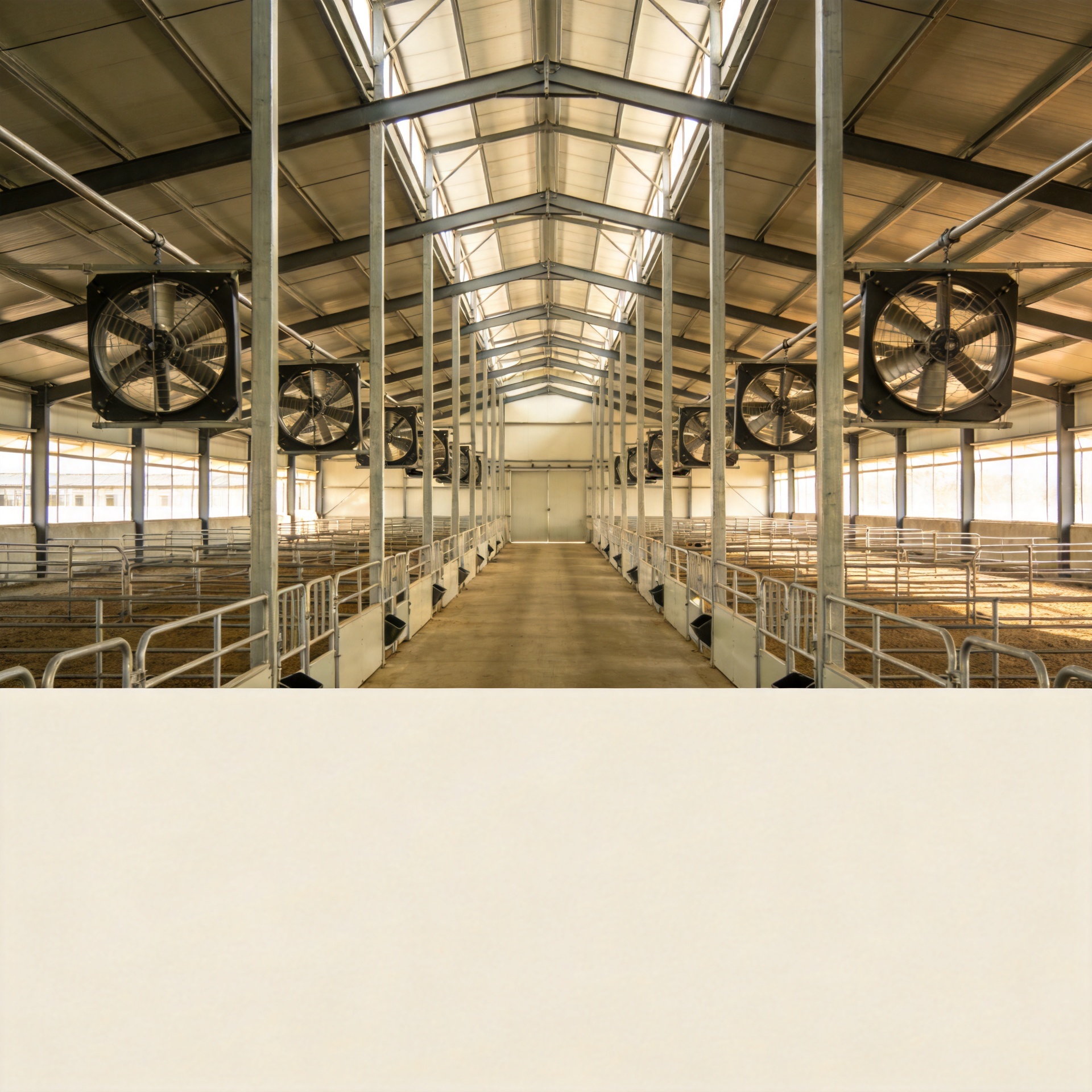
Plan a livestock steel structure for welfare, corrosion resistance, fire considerations, and efficient design-to-delivery decisions.
2026/10/26
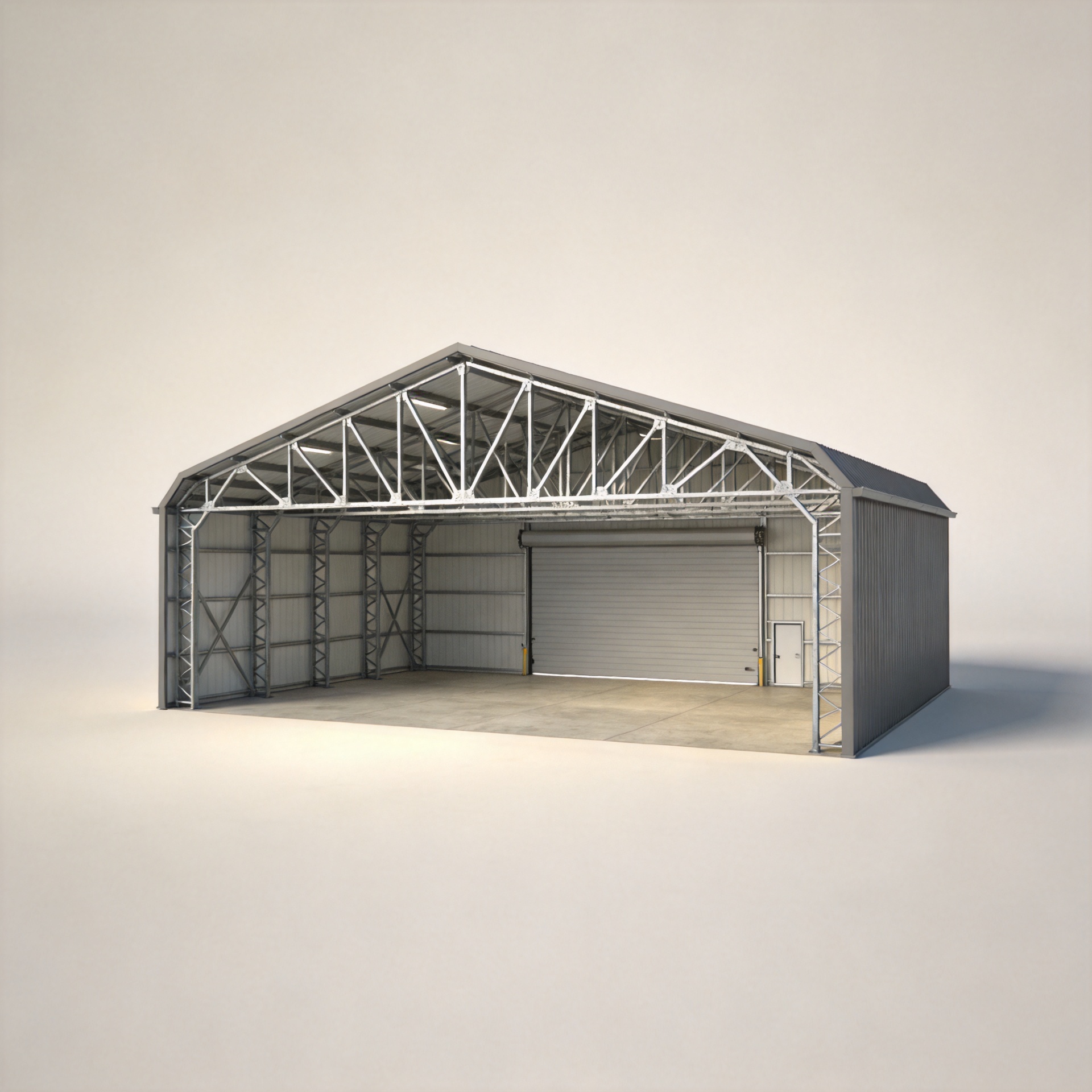
Plan an aircraft steel structure for hangars and support facilities with guidance on loads, corrosion, fire, EN 1090, and delivery milestones.
2026/10/26
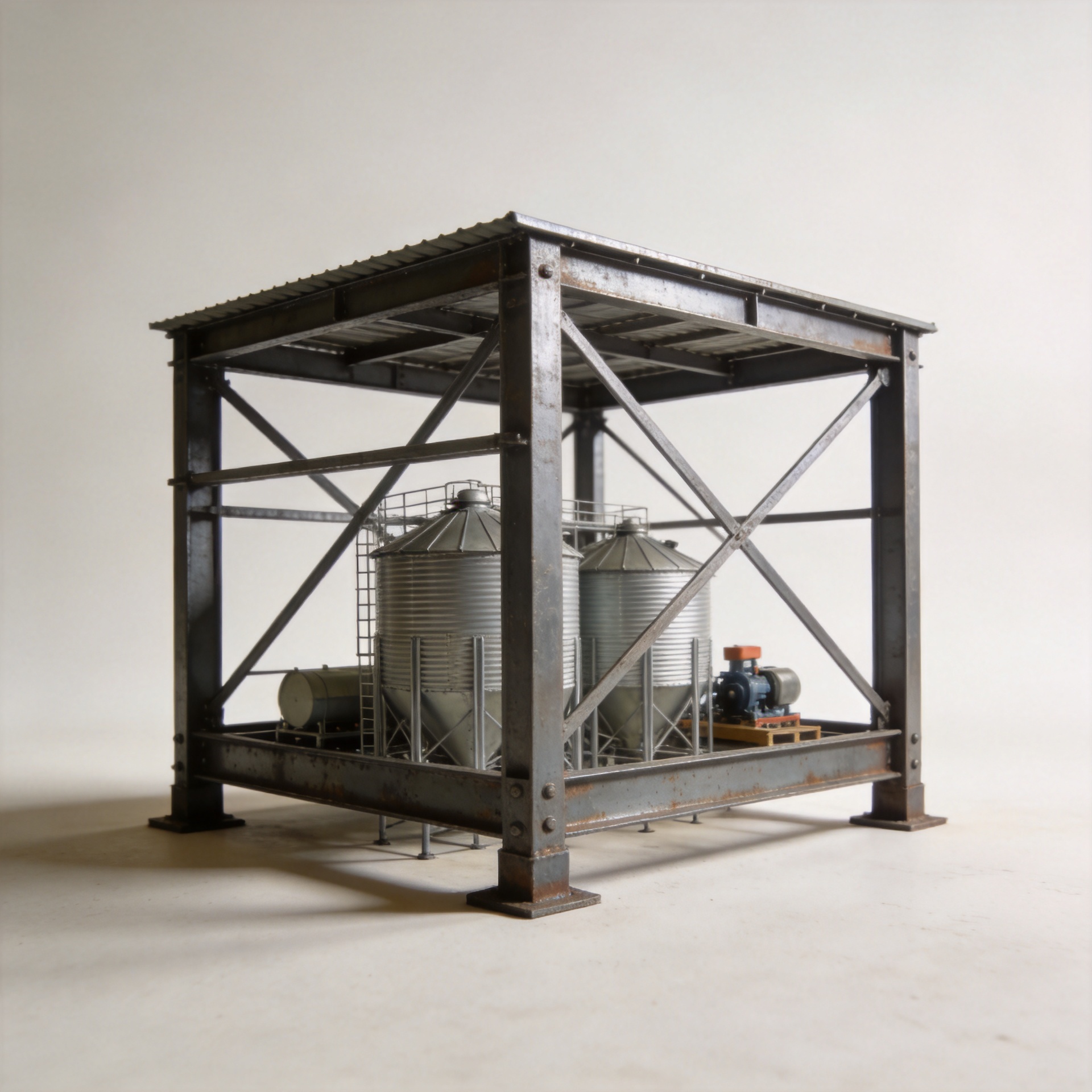
Choose a farm steel structure for agricultural storage with practical guidance on loads, corrosion, compliance, and delivery planning.
