 EN
Warehouse-Workshop Steel Structures: Dual-Use Design
2026/10/26
Plan a warehouse workshop steel structure with smarter zoning, flow, clear height, crane, fire, and expansion decisions.

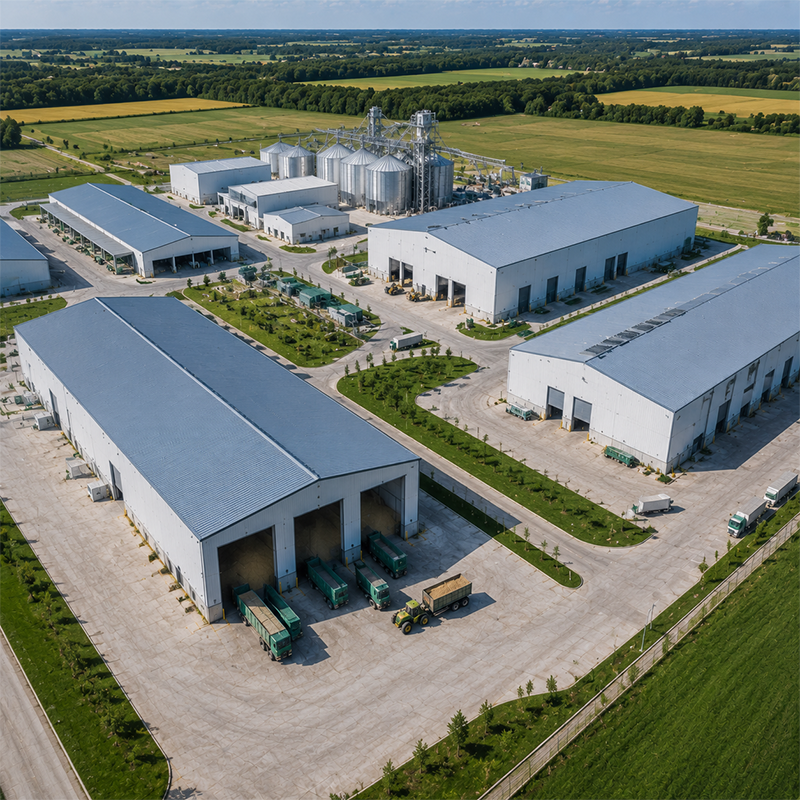
Modern steelwork construction begins long before the first truck reaches the site. Detailed models feed CNC cutting machines that shape columns, beams, and brace members to millimetre tolerance. Accurate fit-up in the shop removes the need for field reaming, which is the single largest cause of slow bolt-up on site. Each member is numbered to match the erection plan, so the crew knows exactly where it belongs. Good fabrication discipline is what lets the later site work proceed without improvisation or redrawn connections.
Material grading also happens here. Q355B and Q355D plates are segregated by yield strength and impact temperature so the correct steel reaches the correct member. Misgrading stays invisible until a cold-weather failure, which is why the shop logs each plate's mill certificate against its cut number.
Welding quality decides how a frame behaves under fatigue and seismic load, so it is governed rather than left to chance. ISO 3834 sets the welder qualification, procedure approval, and records that separate cosmetic welds from structural ones. Robotic welding cells keep heat input steady, while trained welders handle complex nodes that machines cannot reach. Every weld receives a traceable identification so a future inspection can link a joint back to its procedure and operator. The standard protects anyone who later modifies the steelwork construction.
For thicker plates the Z-direction property matters. Q355B-Z35 grade resists lamellar tearing at through-thickness welds, a failure mode that appears only under heavy perpendicular load. Specifying it for column base connections prevents a crack that no surface check would catch.
Corrosion protection is chosen by environment, not by habit. Hot-dip galvanizing suits coastal and high-humidity sites, while glass flake coating resists chemical exposure inside processing plants. After coating, members are tagged, bolted into bundles, and packed with anchor bolts and connection plates so the erection crew receives a complete kit rather than loose parts. A structured packing list prevents the expensive site delay that appears when a single bracket or gusset plate is missing at the moment it is needed.
Galvanized C and Z purlins follow the same logic, because the secondary frame rusts first once the envelope is breached. Bundling purlins with their clips avoids the on-site search that slows cladding crews and pushes the weather-tight date back.
Nothing aligns faster than a frame built on a base that was set wrong. Survey crews verify anchor bolt positions and elevation before any steel lifts. A tolerance of a few millimetres at the base becomes centimetres at the eave, so the slab and bolts are checked against the shop drawings rather than against guesswork. Embedded plates are grouted only after the survey sign-off, because correcting a buried bolt group later means breaking concrete. This quiet pre-work is what keeps the entire steelwork construction sequence honest from the ground up.
One machinery plant project in Shenyang showed the payoff. The original slab was poured two centimetres off the grid, and only the pre-lift survey caught it. Re-setting the anchor group in the planned location added a single day but saved a frame that would otherwise have leaned for its whole service life.
Erection follows a planned sequence: main frames first, then bracing, then secondary purlins and girts. High-strength 10.9S bolts are tightened to the specified torque, and the structure is plumbed as it grows so loads transfer correctly. Temporary bracing stays in place until the permanent system is complete. A clean bolt-up sequence is what lets a 60-metre clear span stand true without later correction, and it keeps the crane moving instead of waiting while crews chase misaligned connections across an open bay.
Wind bracing and portal frames are engaged early so the skeleton resists lateral load before the roof closes. Crews mark each bay plumb before moving to the next, because an uncorrected lean multiplies through the building length and distorts every connection that follows.
QA Checks and Inspections
Quality is verified, not assumed. Dimensional surveys confirm bay spacing and column plumb, while torque checks sample bolt tension across the frame. For projects shipped to Europe, EN 1090 execution classes define how much testing and documentation each connection requires. Independent inspectors add a second set of eyes on critical joints, and their reports become part of the handover file the owner keeps for the building's life. The standard protects anyone who later modifies the steelwork construction, because the original evidence still exists.
ISO 9001 governs the wider management system behind these checks, so documentation discipline is organisational rather than personal. A certified quality file travels with the steel structure and answers questions that arise years later during renovation or planned expansion.
OSHA Site Safety
Steel erection ranks among the higher-risk trades, so site safety sits beside every method above. OSHA fall protection, guardrails, and controlled access zones keep crews safe at height, while tagged rigging and certified cranes remove guesswork from lifts. Toolbox talks before each shift catch small hazards before they grow. A safe site is also a fast site, because stops for incidents cost far more than the precautions that prevent them, and damaged steel rarely goes back into service without added expense. In steelwork construction, site safety and speed are not opposing goals but the same discipline.
Good steelwork construction is the sum of disciplined shop work and disciplined site work. When steel fabrication, steel erection, quality checks, and site safety reinforce each other, the frame rises on time, carries its loads, and passes inspection without drama. Owners who ask the right questions about method and certification protect both budget and building for decades of dependable service.
Frequently Asked Questions
Question
What is the difference between steel fabrication and steel erection?
Answer: Steel fabrication happens in the shop, where drawings become cut, welded, and coated members ready for transport. Steel erection happens on site, where those members are lifted and bolted into the final frame. The two phases use different crews, equipment, and controls, yet they must share one set of dimensions. Poor communication between them is the usual source of delays and fit-up problems. Clear drawings that travel with the steel keep teams aligned from the first cut to the last bolt. In any steelwork construction project, this handoff is where most risk concentrates.
Question
Why does ISO 3834 matter for welded steel structure?
Answer: ISO 3834 defines the quality requirements for fusion welding of metallic materials, covering welder qualification, procedure approval, and traceable records. Without it, a weld may look sound yet fail under fatigue or seismic load. The standard forces documentation that links each joint to its procedure and operator. That paper trail lets an owner verify how critical connections were made, which is far more useful than a visual pass alone during later inspection, repair, or modification of an ageing steel structure. It is the backbone of quality control in steel fabrication.
Question
How is site safety managed during steel erection?
Answer: Site safety relies on fall protection, guardrails, and controlled access zones set by OSHA for work at height. Rigging and cranes must be certified, and every lift follows a written plan. Daily toolbox talks identify hazards before they escalate. A disciplined routine reduces incidents that halt work and damage steel. Safe sites also erect faster, because unplanned stops from injuries or equipment damage cost more than the precautions that prevent them. In steelwork construction, site safety is a production variable, not just a compliance box.
Question
When should independent inspection be commissioned?
Answer: Independent inspection is most valuable at steel fabrication hold points and after major steel erection milestones. Inspectors verify dimensions, bolt torque, and weld records against the execution class required by EN 1090. Early checks catch errors before they are buried inside the frame. Their signed reports become part of the permanent handover file. Commissioning review before cladding starts avoids the cost of opening finished assemblies to correct a hidden defect that only grows more expensive with time. For any steel structure, this early inspection is cheaper than any later repair.
Question
What should an owner verify before awarding a steel contract?
Answer: An owner should verify steel fabrication certifications such as ISO 9001 and EN 1090, review past project references, and request a factory audit where possible. Confirm that coating systems match the local environment and that bolt kits arrive complete. Clear drawings and a written steel erection sequence reduce on-site conflict. Asking these questions before signing protects budget and schedule far more than chasing defects after the steelwork construction is already standing and difficult to change. For any steel structure, site safety planning should also be reviewed before mobilization.
2026/10/26
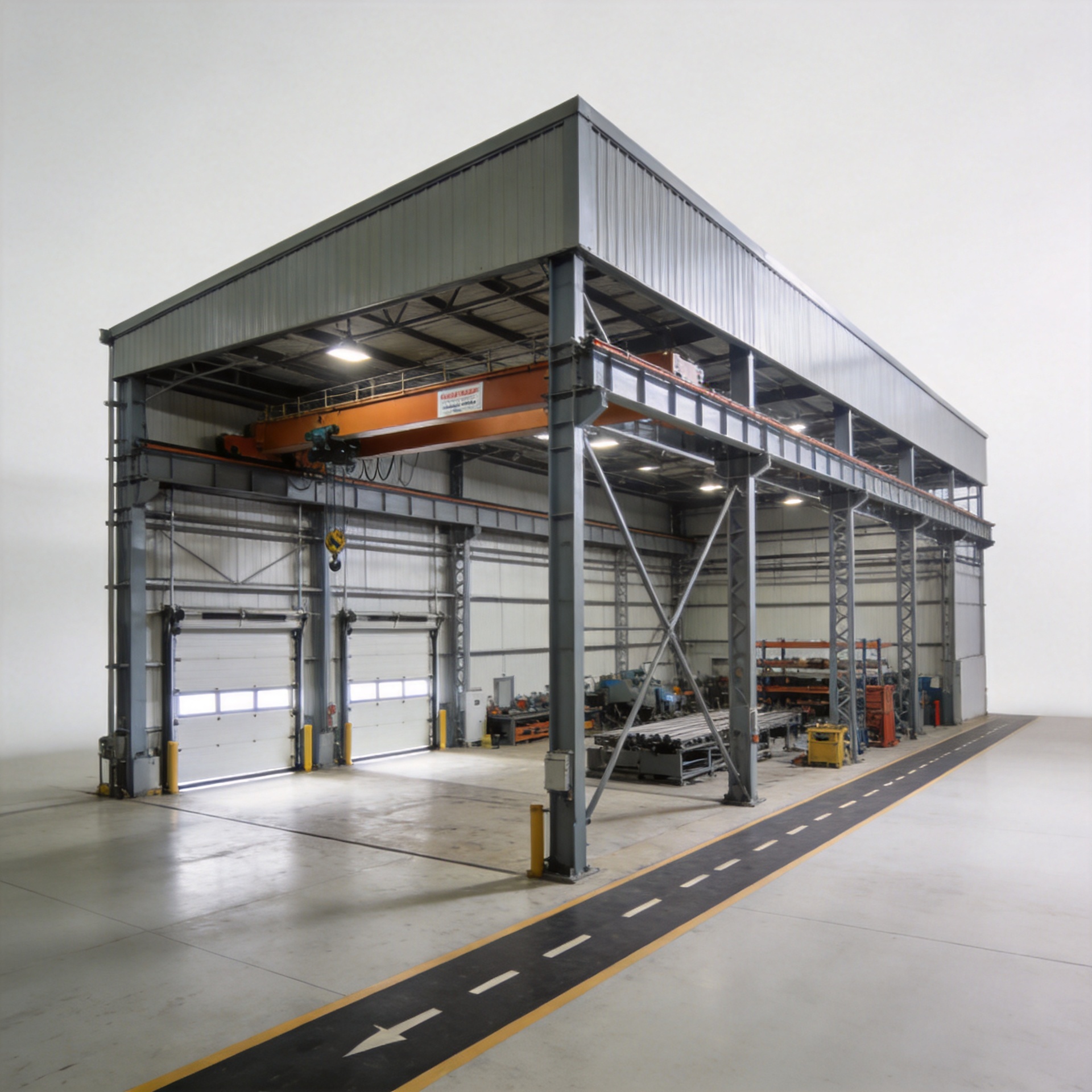
Plan a warehouse workshop steel structure with smarter zoning, flow, clear height, crane, fire, and expansion decisions.
2026/10/26
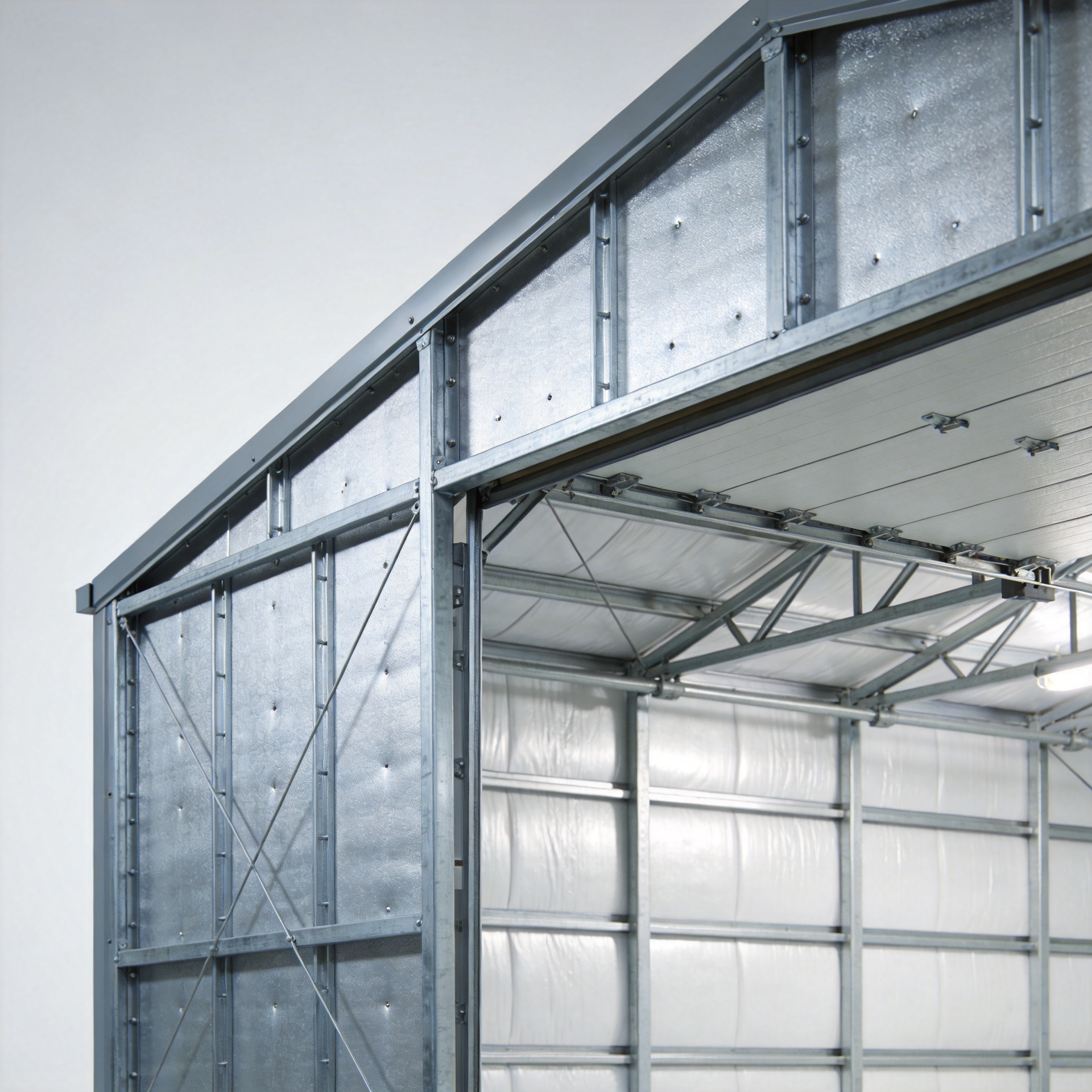
Plan a cold storage steel structure with insulation, vapor control, thermal breaks, refrigeration interfaces and corrosion-ready details.
2026/10/26
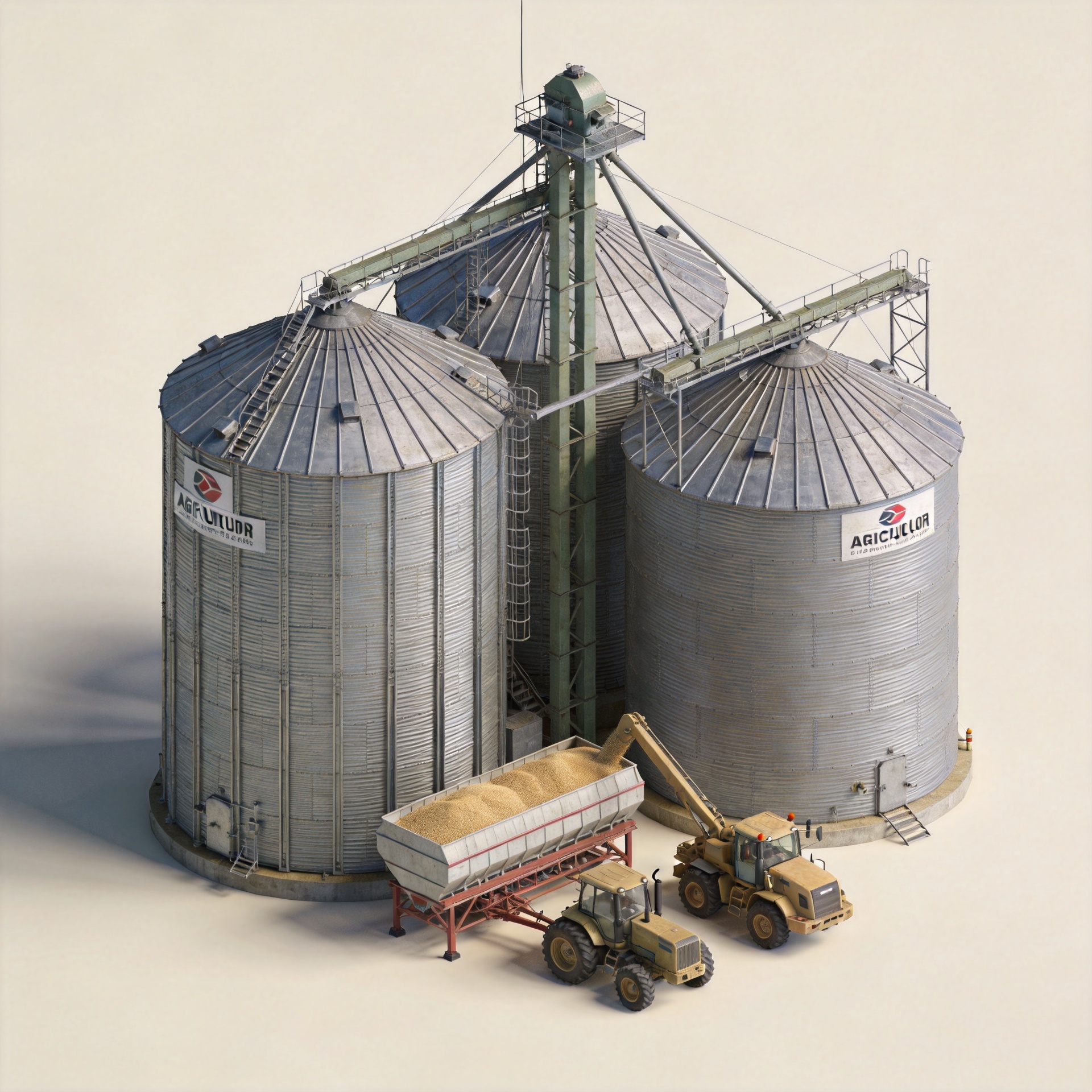
Plan an agricultural steel structure that scales from machinery barn to storage and farm logistics hub with practical design and procurement steps.
2026/10/26
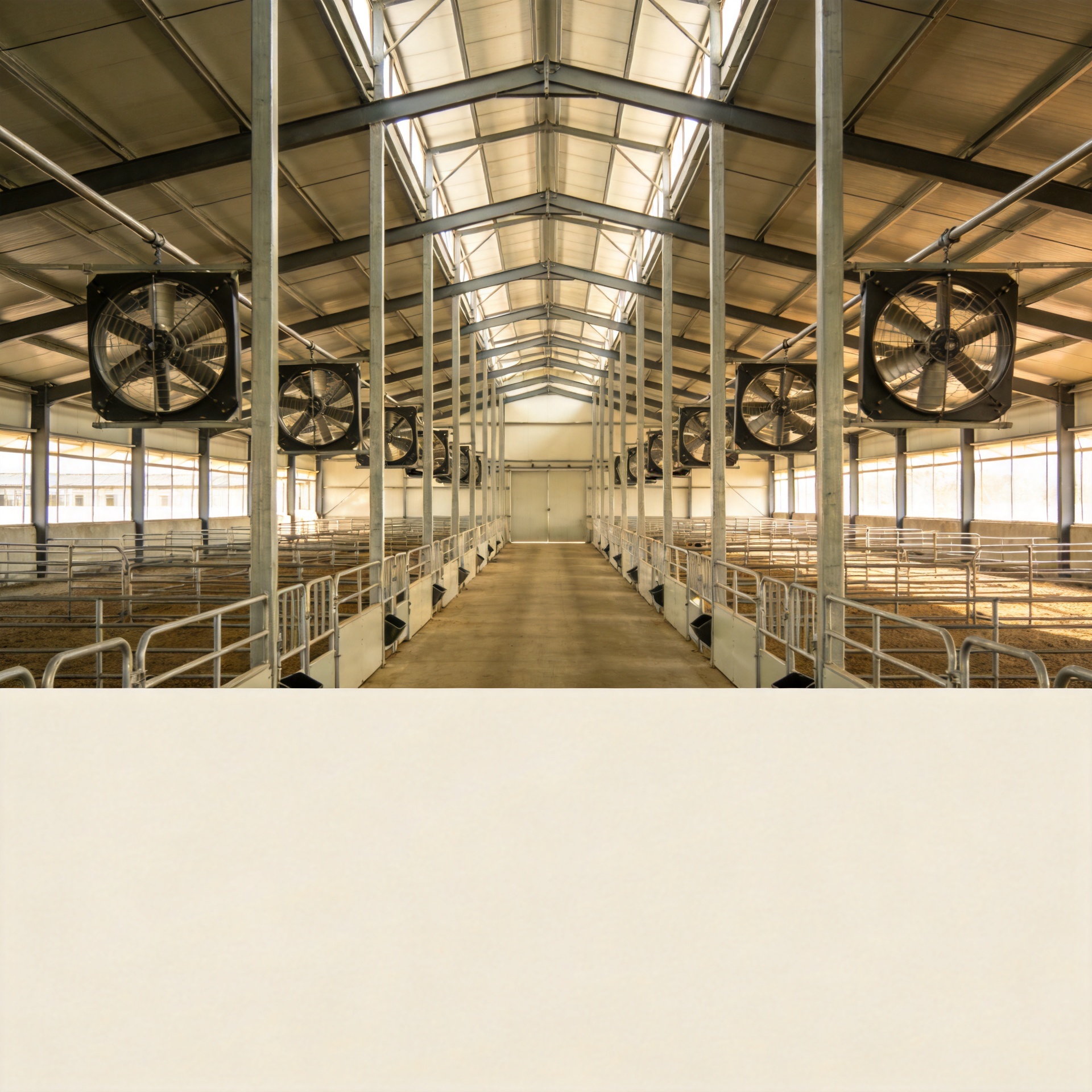
Plan a livestock steel structure for welfare, corrosion resistance, fire considerations, and efficient design-to-delivery decisions.
2026/10/26
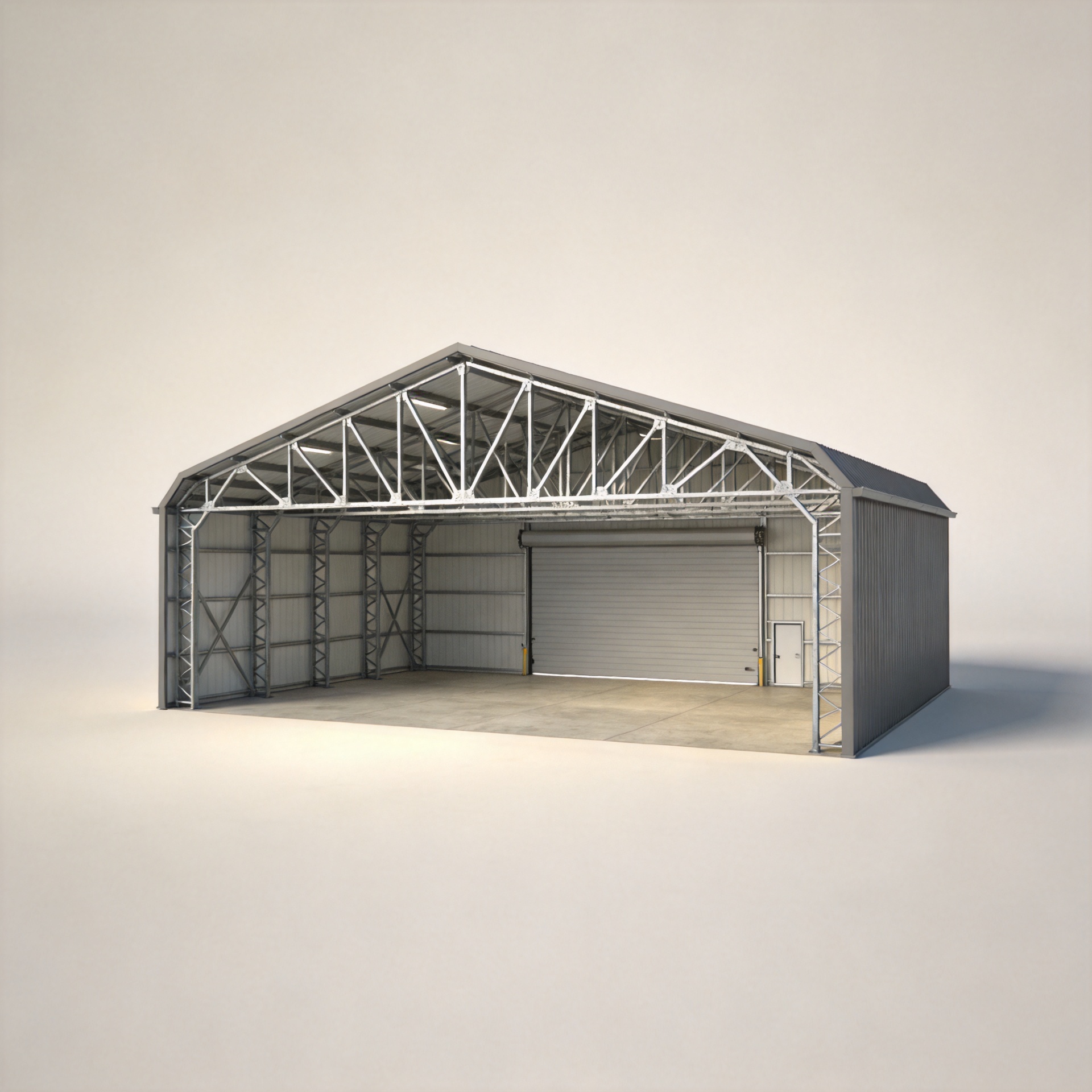
Plan an aircraft steel structure for hangars and support facilities with guidance on loads, corrosion, fire, EN 1090, and delivery milestones.
2026/10/26
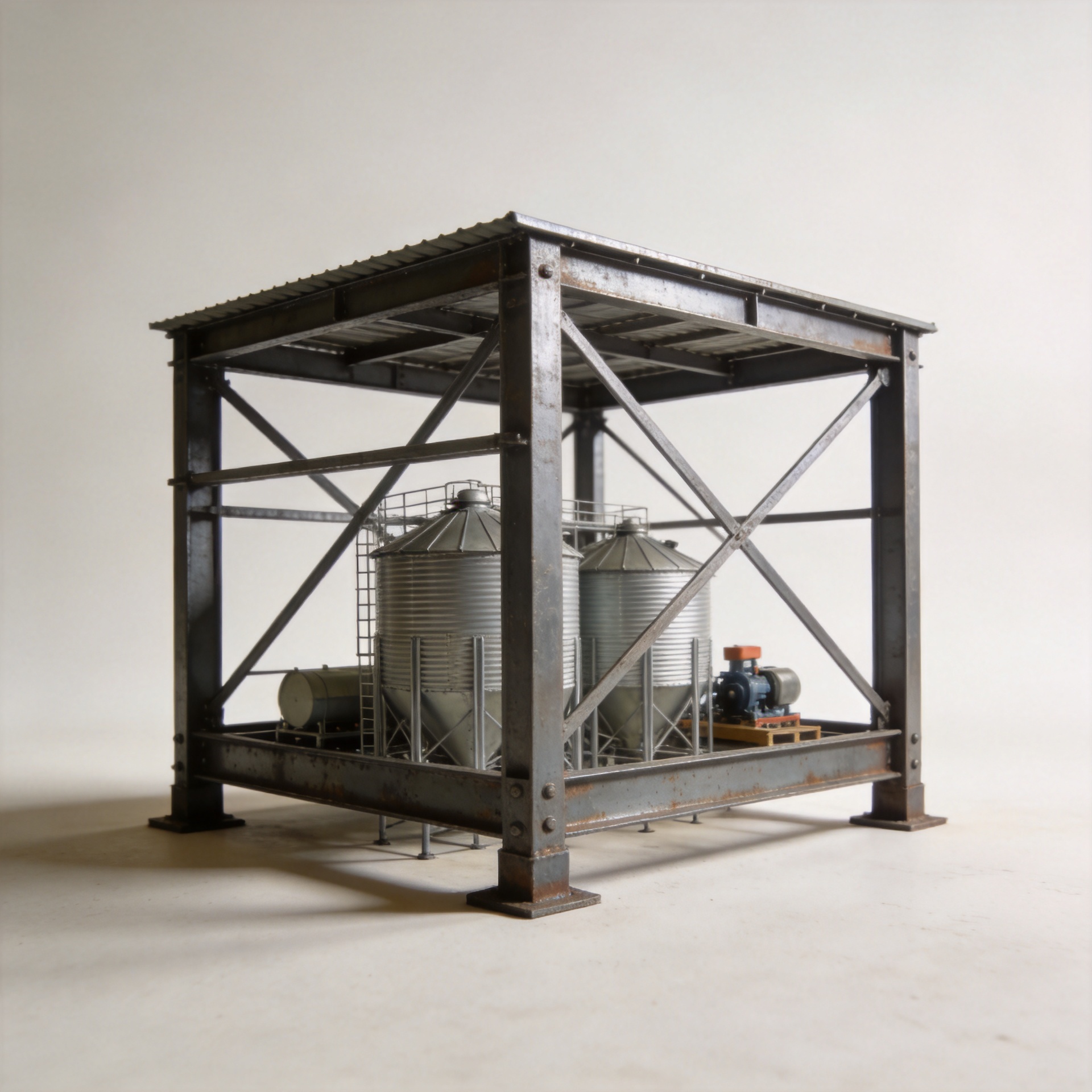
Choose a farm steel structure for agricultural storage with practical guidance on loads, corrosion, compliance, and delivery planning.
