 EN
Warehouse-Workshop Steel Structures: Dual-Use Design
2026/10/26
Plan a warehouse workshop steel structure with smarter zoning, flow, clear height, crane, fire, and expansion decisions.

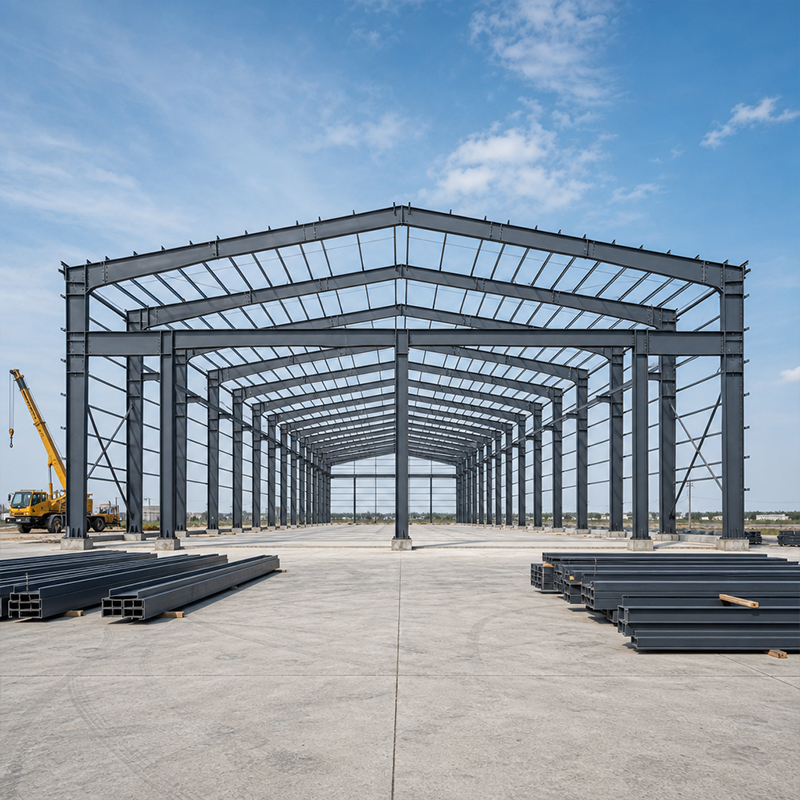
Specifying the right steel structure material determines how a building performs for decades under load, weather, and corrosion. For industrial owners and contractors, the choice is never only about price; it is about matching grade, coating, and fabrication to the real service environment. A poor material decision surfaces later as deflection, rust, or repairs that far exceed the original saving. Clarifying the variables below helps specify with confidence and avoid costly downtime.
The core property of any steel structure material is yield strength, the stress level at which a section begins to deform permanently. Grade selection sets how much load a beam or column can carry before that limit, directly affecting member size, span, and steel tonnage. A higher grade such as Q355B allows slimmer sections and wider clears pans, while an underspecified grade forces heavier framing and higher transport cost. Toughness at low temperature also matters: grades with good impact resistance avoid brittle fracture in cold climates. Structural design therefore starts from the actual loads, not from a generic catalogue number.
Q355B is a low-alloy structural steel with a minimum yield of 355 MPa, widely used for industrial frames, warehouse rafters, and portal columns. Its balanced strength and weldability make it a practical default for most pre-engineered buildings up to large spans. For projects exposed to sub-zero conditions, Q355D with improved low-temperature impact values is preferred. Where thick plates carry through-thickness tension, Q355B-Z35 adds lamellar-tearing resistance. Q420B serves heavy-duty crane girders needing extra margin. Choosing among these is a trade between cost, fabrication ease, and site climate rather than a single fixed rule. This steel structure material also simplifies procurement, since mills and fabricators commonly stock Q355B in standard plate thicknesses used across typical industrial frames.
Corrosion silently removes section area and shortens service life, so the coating system deserves equal attention to the base metal. Hot-dip galvanizing applies a metallurgically bonded zinc layer that sacrifices itself to protect steel, performing well for purlins, brackets, and components in moderate atmospheres. Glass flake coating builds a dense, impermeable barrier resistant to chemicals, humidity, and abrasion, suiting plants, cold stores, and coastal sites. Neither is universally superior; galvanizing excels on small repetitive parts, while glass flake protects large exposed surfaces where recoating access is difficult.
Coating performance depends on the surrounding atmosphere more than on the product brochure. Inland dry locations tolerate lighter schemes, while coastal, industrial, or manure-rich agricultural sites demand thicker, more resistant systems. Designers estimate exposure using standard corrosivity categories and then specify zinc thickness or coating film build accordingly. Detailing also counts: avoiding trapped water, sealing edges, and using compatible primers prevent the early failures that appear at lap joints and bolt heads. A coating selected for the environment, not the lowest quote, protects the investment for its full design life. The right steel structure material paired with a properly specified coating avoids the premature repainting that burdens many aging plants and cold stores.
When thick plates resist tension perpendicular to their surface, such as at welded column bases and heavy splices, ordinary grades can split along internal inclusions. Z-direction or through-thickness steel, marked with a reduction-of-area requirement, withstands this stress and avoids lamellar tearing during fabrication. Specifying it at critical nodes is a small premium that prevents a serious site defect. The need rises with plate thickness and joint restraint, so engineers flag Z-quality only where the geometry genuinely demands it rather than across the whole structure. When the steel structure material at a heavy joint lacks Z-quality, hidden lamellar tearing can appear only after welding stress is applied on site.
Material grade is only as reliable as the connections that join it. High-strength 10.9S bolts with controlled pre-tension give full-bolted joints that stay stable under cyclic and seismic load. Fabrication discipline matters equally: CNC cutting keeps member dimensions accurate, and robotic welding under ISO 3834 maintains consistent penetration. Misaligned holes, under-tightened bolts, or poor weld profiles introduce stress concentration that no steel grade can compensate. Verifying the workshop process is therefore as important as the mill certificate when judging final performance. Even high-quality steel structure material loses strength if connections are loose, misaligned, or welded without proper procedure control and inspection.
Independent certification gives objective evidence that material and process meet defined criteria. EN 1090 with CE marking confirms structural steel placed on the European market follows declared execution classes. ISO 3834 covers welding quality, and ISO 9001 addresses the management system behind consistent output. A supplier holding these can usually provide traceable mill test reports linking each plate to its heat number. Such documents let buyers confirm grade, chemistry, and mechanical values rather than trusting a label alone.
Before shipping, a few checks catch most material problems. Confirm the mill certificate matches the ordered grade and thickness, then verify coating thickness with a simple gauge at several points. Look for straight, clean-cut edges and uniform galvanizing or paint free of runs and bare spots. Check bolt grades are stamped and that connection holes line up with the shop drawings. These steps take little time yet prevent expensive rework after erection begins on a remote site. Confirming the steel structure material on site before it leaves the factory prevents the disputes and delays that follow a wrong or mismatched shipment.
Specifying the right steel structure material means balancing grade, coating, and fabrication against the real operating environment. Q355B covers most frames, while coatings and certified processes protect that strength over time. Following a clear selection and inspection routine keeps performance predictable and cost justified across the building's life.
What defines a suitable steel grade for industrial frames?
Answer: A suitable grade is chosen from design loads, span, and climate rather than a default number. Yield strength sets the load a member carries before permanent deformation, while low-temperature toughness prevents brittle fracture in cold sites. Q355B suits most warehouses and workshops, with Q355D for freezing conditions and Q420B for heavy crane girders. The decision balances cost, weldability, and exposure. Reviewing the structural calculation confirms the selected grade meets the actual demand safely.
Why is Q355B commonly selected for structures?
Answer: Q355B offers a 355 MPa minimum yield with good weldability, making it efficient for rafters, columns, and portal frames. Its strength permits slimmer sections and wider clears pans, reducing steel tonnage and transport cost versus lower grades. The alloy is stable and easy to cut and weld in automated workshops, supporting consistent fabrication. For most pre-engineered industrial buildings it delivers the right mix of economy and performance without the premium of higher-strength alternatives.
How does coating thickness affect service life?
Answer: Coating thickness directly controls how long corrosion protection lasts, because the layer must be consumed before steel is exposed. Hot-dip galvanizing film build and glass flake dry film thickness are specified against the site corrosivity category. Thinner schemes fail early at edges and bolt heads, triggering rust and section loss. A verified thickness measured at multiple points ensures the barrier matches design life. Selecting the scheme for the environment, not the lowest-cost option, protects the structure.
When is Z-direction steel necessary in a project?
Answer: Z-direction steel is needed where thick plates resist tension perpendicular to their face, such as welded column bases and heavy splices with high restraint. Ordinary plate can split along inclusions under that stress, causing lamellar tearing during fabrication. Specifying a through-thickness reduction-of-area class at those nodes prevents the defect. The requirement grows with plate thickness and joint constraint, so engineers apply it only at critical locations rather than across the entire structure.
Which documents confirm the quality of a delivered steel purchase?
Answer: Quality is confirmed through traceable mill test reports linking each plate to its heat number, showing grade, chemistry, and mechanical values. EN 1090 CE marking and ISO 3834 welding certification indicate compliant execution, while ISO 9001 reflects consistent management. Independent inspection of coating thickness and bolt grades adds on-site assurance. Together these documents let buyers verify that delivered steel structure material matches the specification before erection begins.
2026/10/26
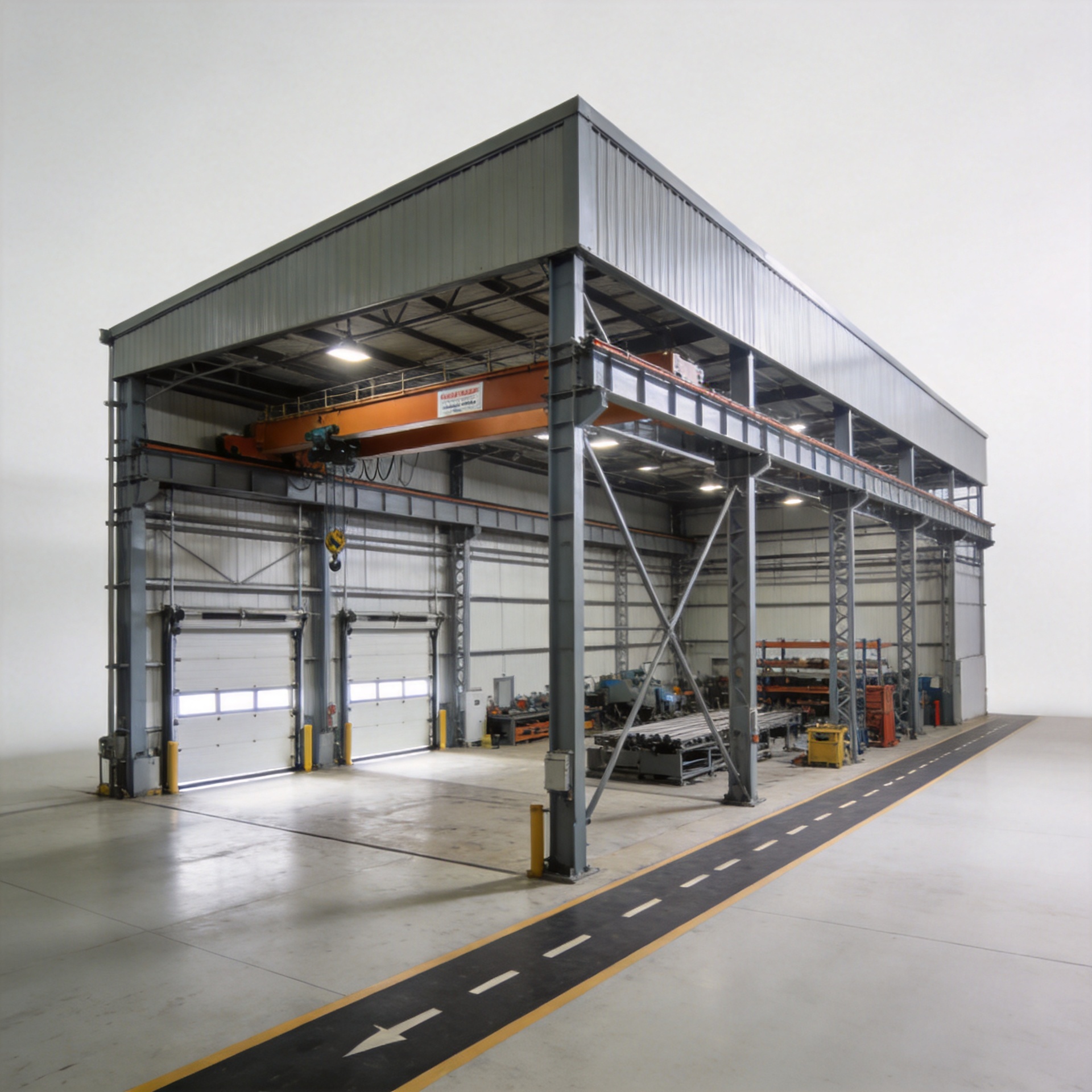
Plan a warehouse workshop steel structure with smarter zoning, flow, clear height, crane, fire, and expansion decisions.
2026/10/26
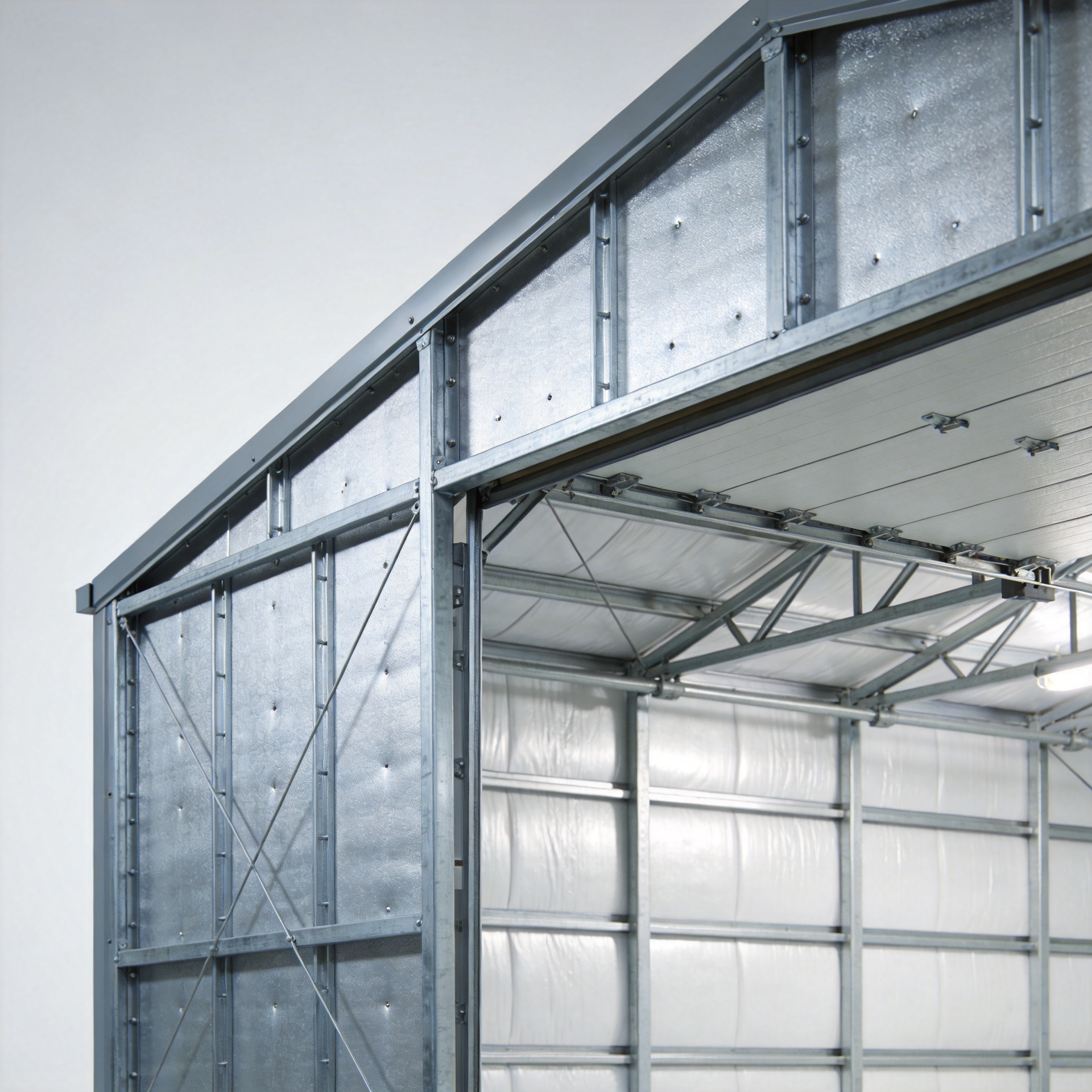
Plan a cold storage steel structure with insulation, vapor control, thermal breaks, refrigeration interfaces and corrosion-ready details.
2026/10/26
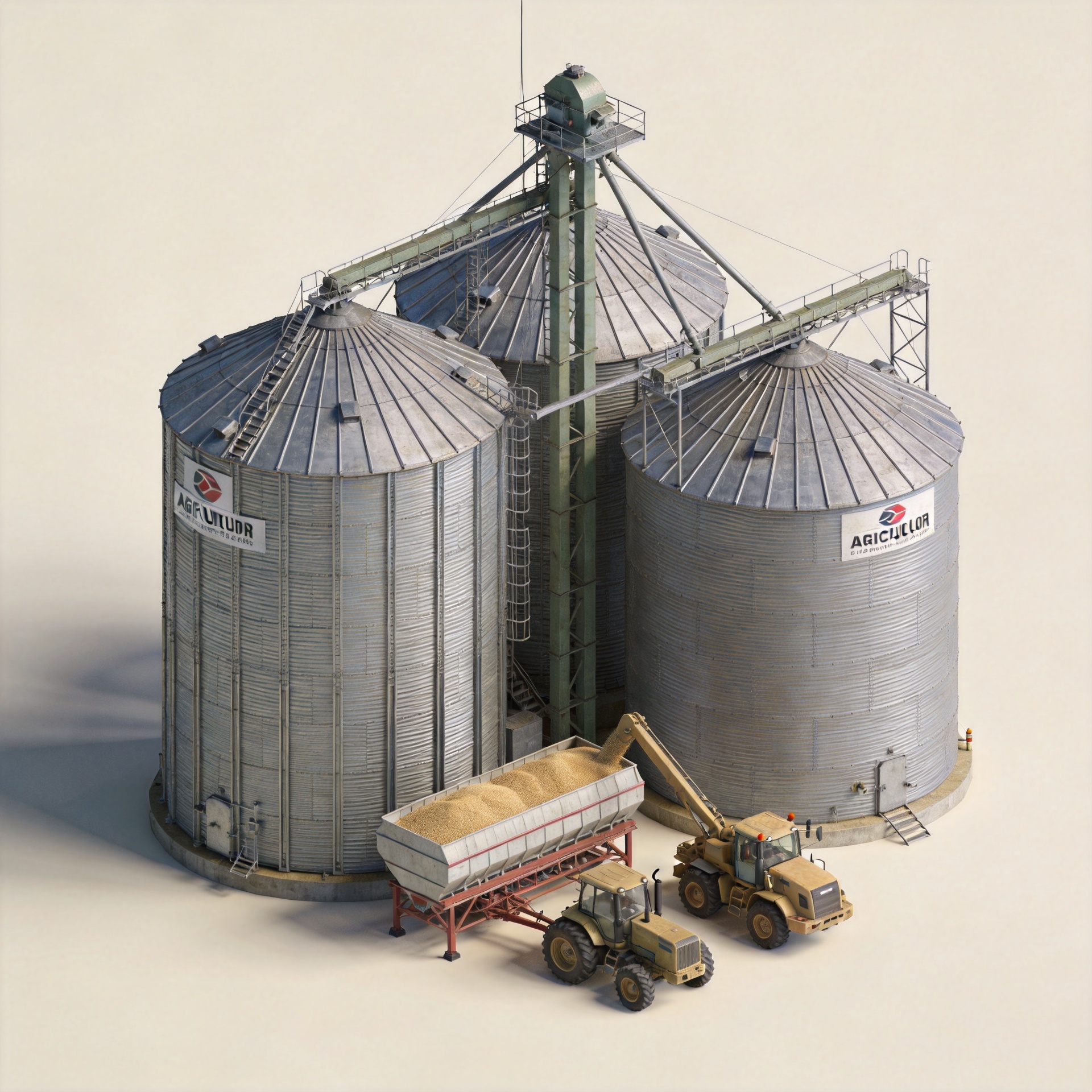
Plan an agricultural steel structure that scales from machinery barn to storage and farm logistics hub with practical design and procurement steps.
2026/10/26
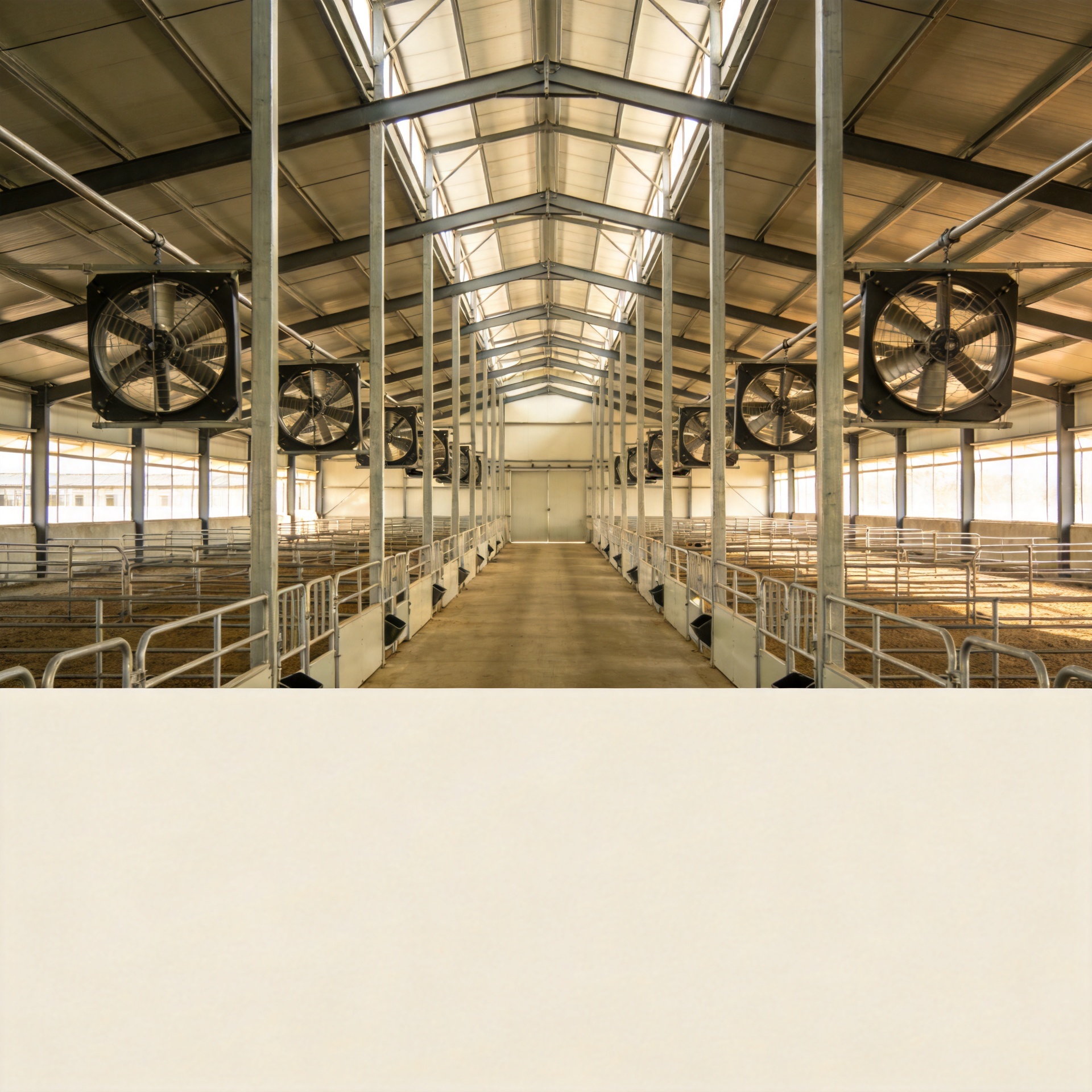
Plan a livestock steel structure for welfare, corrosion resistance, fire considerations, and efficient design-to-delivery decisions.
2026/10/26
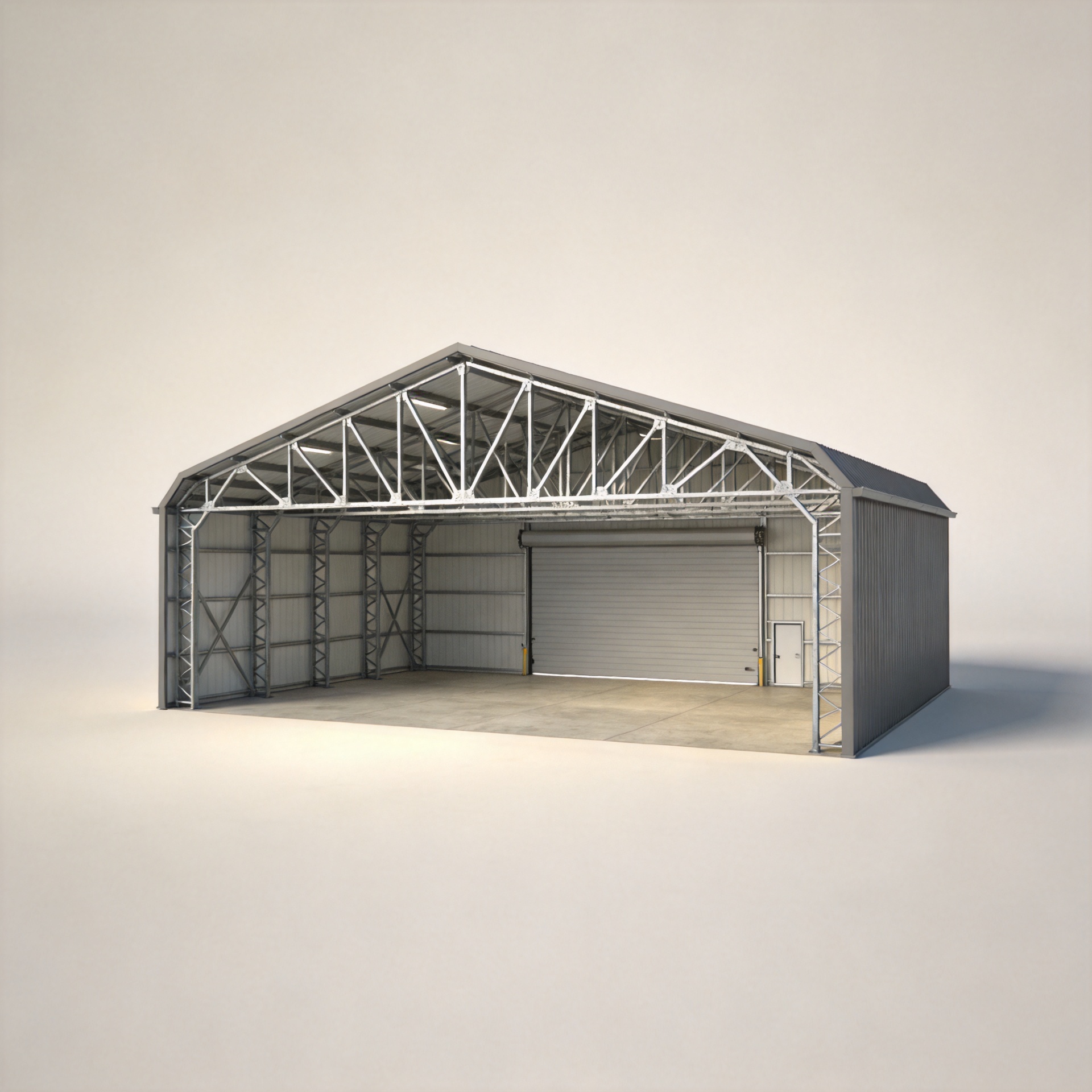
Plan an aircraft steel structure for hangars and support facilities with guidance on loads, corrosion, fire, EN 1090, and delivery milestones.
2026/10/26
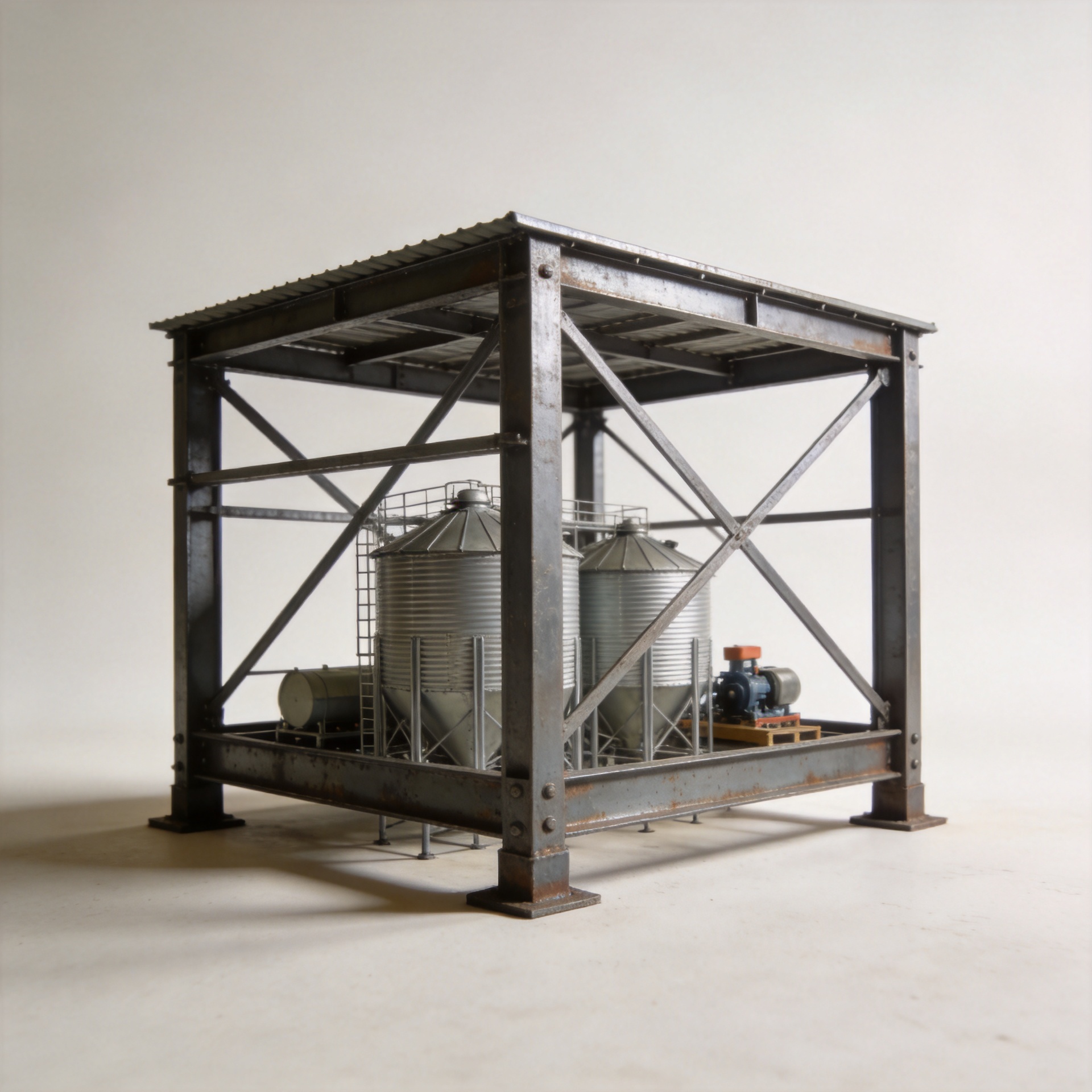
Choose a farm steel structure for agricultural storage with practical guidance on loads, corrosion, compliance, and delivery planning.
