 EN
Warehouse-Workshop Steel Structures: Dual-Use Design
2026/10/26
Plan a warehouse workshop steel structure with smarter zoning, flow, clear height, crane, fire, and expansion decisions.

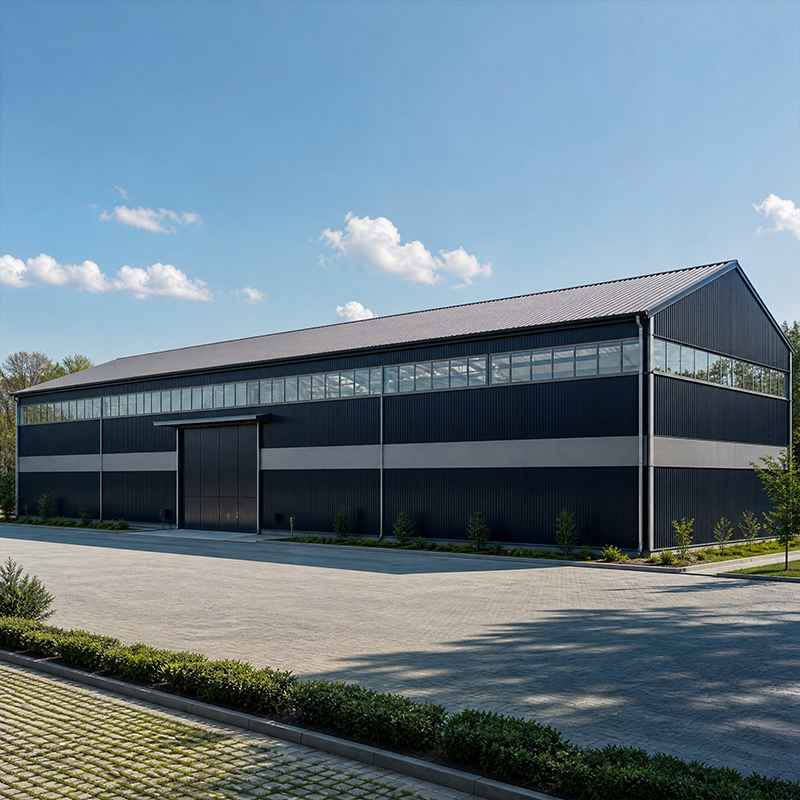
When a project demands a load-bearing frame that must satisfy European regulators, the term "engineered steel buildings" signals far more than a prefabricated box. It points to structures designed, fabricated, and documented against harmonised European standards so that a CE mark can be lawfully applied. For procurement teams shipping to the EU, understanding how EN 1090 and CE marking work separates a compliant asset from a customs headache.
Engineered steel buildings placed on the European market must carry a CE mark when they are covered by a harmonised standard. EN 1090-1 is that harmonised standard for structural metal components and kits. The mark is not a product approval from a government office; it is a manufacturer's declaration that the product conforms to the declared performance. Behind that declaration sits a chain of evidence: material certificates, welding records, and factory production control. A notified body often steps in to verify the factory's system before the mark can be used. Without this chain, the CE mark loses meaning and the structure may be refused at the border. National market surveillance authorities can demand proof of the technical file at any time, so the documentation must stay available for the building's service life. A fabricator that treats the mark as a one-time stamp rather than a living system creates hidden risk for the owner.
For engineered steel buildings, factory production control, often shortened to FPC, is the documented routine that keeps every welded joint and cut plate consistent. Under EN 1090, the fabricator must hold a written FPC system covering incoming steel grades such as Q355B, traceability of batches, and calibrated measuring equipment. CNC cutting and robotic welding help here because the process variables stay locked to a qualified procedure. Auditors sample records and inspect the line. When FPC slips, a single bad batch can undermine an entire shipment, so disciplined records matter more than a certificate hung on a wall.
EN 1090 sorts structures into Execution Classes EXC1 through EXC4 based on consequence of failure and service conditions. A quiet storage shed may sit in EXC1, while a public building with high foot traffic lands in EXC3 or EXC4. The class drives how strict the welding, inspection, and documentation must be. Selecting the right class early for engineered steel buildings prevents over-engineering that wastes cost and under-engineering that risks safety. Clear-span frames for logistics centers usually need a higher class than a simple farm shelter.
Every CE-marked delivery travels with a Declaration of Performance, or DoP, that lists the essential characteristics: fire resistance, reaction to fire, and load-bearing capacity. The DoP links back to test reports and the FPC audit. Buyers of engineered steel buildings should read the DoP before payment, not after delivery. A missing or vague declaration is a red flag that the fabrication chain was not fully controlled. Good suppliers provide the DoP, welding maps, and material mill certificates as a single package.
ISO 3834 sets the quality requirements for fusion welding of metallic materials. Although EN 1090 is the marking standard, it points to ISO 3834 for the welding competence that underpins a sound frame. A qualified welding procedure specification, or WPS, defines heat input, filler metal, and preheat so that the weld achieves the intended toughness. Welders must be qualified to the procedure. Skipping this step invites lamellar tearing in thick plates and hidden defects that surface only under load. Periodic requalification keeps the procedure valid as consumables or steel grades change, and records from each shift feed the traceability file that auditors review. Such discipline is what separates a frame built to a paper promise from one built to a measured result.
Engineered steel buildings gain consistency from robotic welding stations that repeat the same pass geometry and travel speed on every beam, removing the fatigue variation seen in purely manual work. For high-volume runs of portal frames and trusses, this consistency is what keeps the execution class credible. Still, robots need qualified procedures and periodic checks; automation without control is no substitute for a managed system. Combined with hot-dip galvanizing for corrosion protection, the result is a frame built to documented performance rather than optimistic claims.
A grain storage operator in Northeast China needed a 60-meter clear-span hall to protect harvest from humidity and snow load. The chosen fabricator supplied engineered steel buildings with Q355B-Z35 plates for through-thickness resistance, 10.9S high-strength bolts for the bolted connection, and a 150 mm PIR sandwich panel envelope. EN 1090 EXC2 framing with ISO 3834 welding backed the structure. The facility passed inspection on first attempt and has handled seasonal peaks without maintenance calls, showing how standards translate into everyday reliability.
Before a project closes, procurement should confirm four items: valid EN 1090 certificate with the correct execution class, a current ISO 3834 scope, a DoP matched to the order, and full material traceability. Ask for the notified body name and the audit date. Inspect a sample connection for coating thickness after hot-dip galvanizing. These checks take a day yet protect years of operation. Treating certification as evidence rather than paperwork keeps the supply chain honest.
Engineered steel buildings earn their name only when design, welding, and documentation meet a recognised benchmark such as EN 1090 backed by ISO 3834. CE marking is the visible proof, but the real value sits in the disciplined factory production control behind it. Specifying the right execution class and verifying the declaration before shipment turns a steel frame into a predictable, compliant asset for any market.
What does EN 1090 certification actually cover?
Answer: EN 1090-1 covers the conformity assessment of structural steel and aluminium components placed on the European market. It defines how a manufacturer must control welding, materials, and factory processes, then declare performance through a CE mark. The standard applies to load-bearing kits such as frames, trusses, and cold-formed parts. It does not test a finished building on site; it controls how each element is made and documented before dispatch.
Why is ISO 3834 referenced alongside EN 1090?
Answer: ISO 3834 sets the welding quality requirements that EN 1090 assumes a fabricator already meets. A steel frame is only as strong as its weakest weld, so the marking standard points to ISO 3834 for procedure qualification, welder approval, and inspection depth. Holding both certificates shows a plant controls fusion welding from first pass to final check. Buyers gain confidence that joints will perform under fatigue, cold, and dynamic loads without premature cracking.
How is the Execution Class selected for a structure?
Answer: The Execution Class follows EN 1090 rules using consequence of failure, the building type, and service conditions such as fire exposure or seismic demand. A low-traffic shed may qualify for EXC1, while a crowded public hall moves to EXC3. The class sets the required level of inspection, traceability, and weld testing. Selecting it early keeps cost aligned with risk and avoids both wasteful over-specification and dangerous shortcuts on critical connections.
Which documents must accompany a CE-marked steel delivery?
Answer: A compliant shipment includes the Declaration of Performance, the EN 1090 factory production control certificate, welding procedure and welder qualification records, and material mill certificates for each steel grade. The DoP names the notified body and the execution class. Together these files prove the frame was made under a controlled system. Requesting the full set before loading protects the buyer from rejected cargo and unfinished compliance at the destination port.
Can a non-EU fabricator supply CE-marked engineered steel buildings?
Answer: Yes. CE marking depends on conforming to EN 1090, not the factory's location. A non-EU fabricator may apply the CE mark after a notified body audits its production control. Many Asian plants hold valid EN 1090 and ISO 3834 certificates. Buyers should verify the certificate number, scope, and audit date rather than assume origin. Proper checking ensures the delivered frame meets declared performance.
2026/10/26
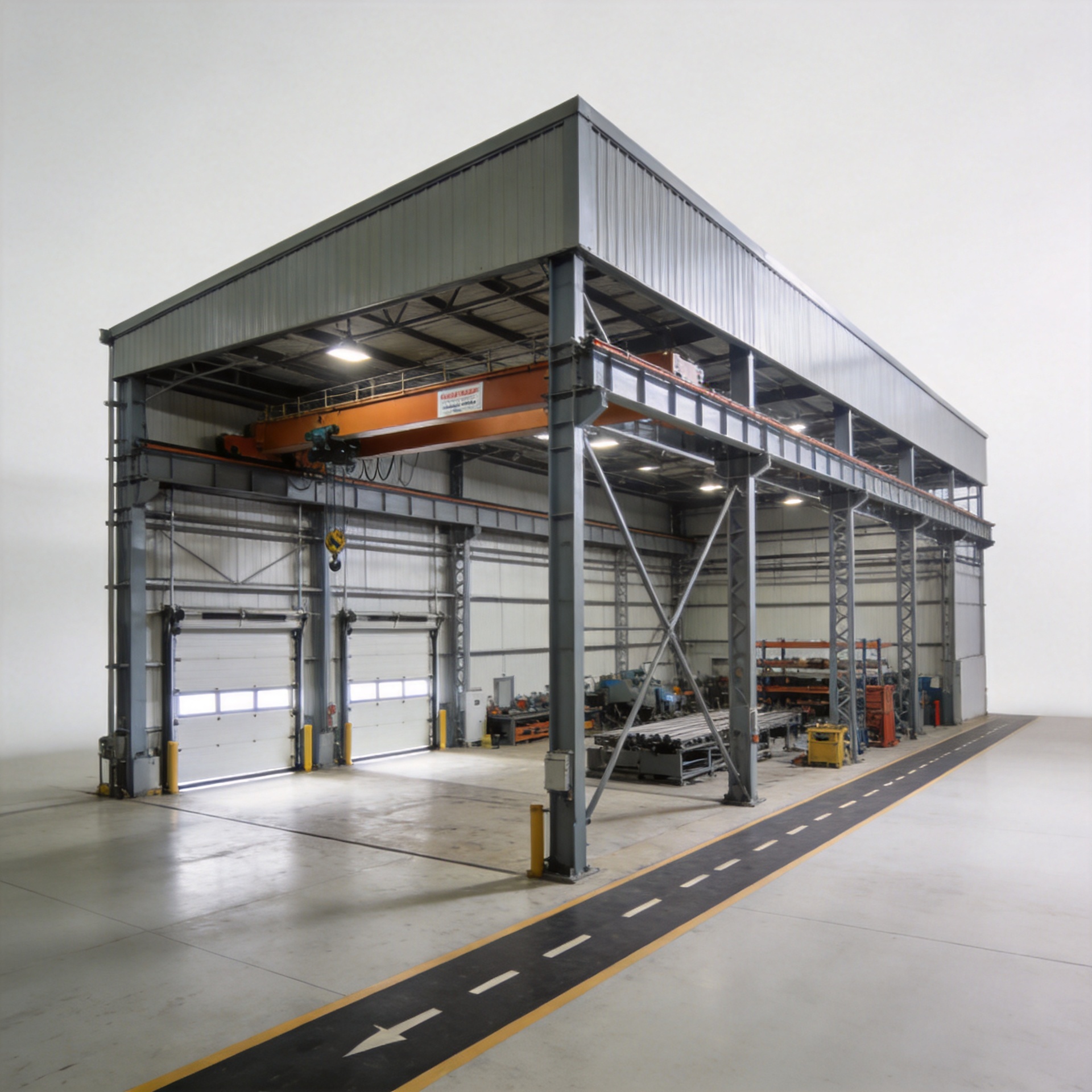
Plan a warehouse workshop steel structure with smarter zoning, flow, clear height, crane, fire, and expansion decisions.
2026/10/26
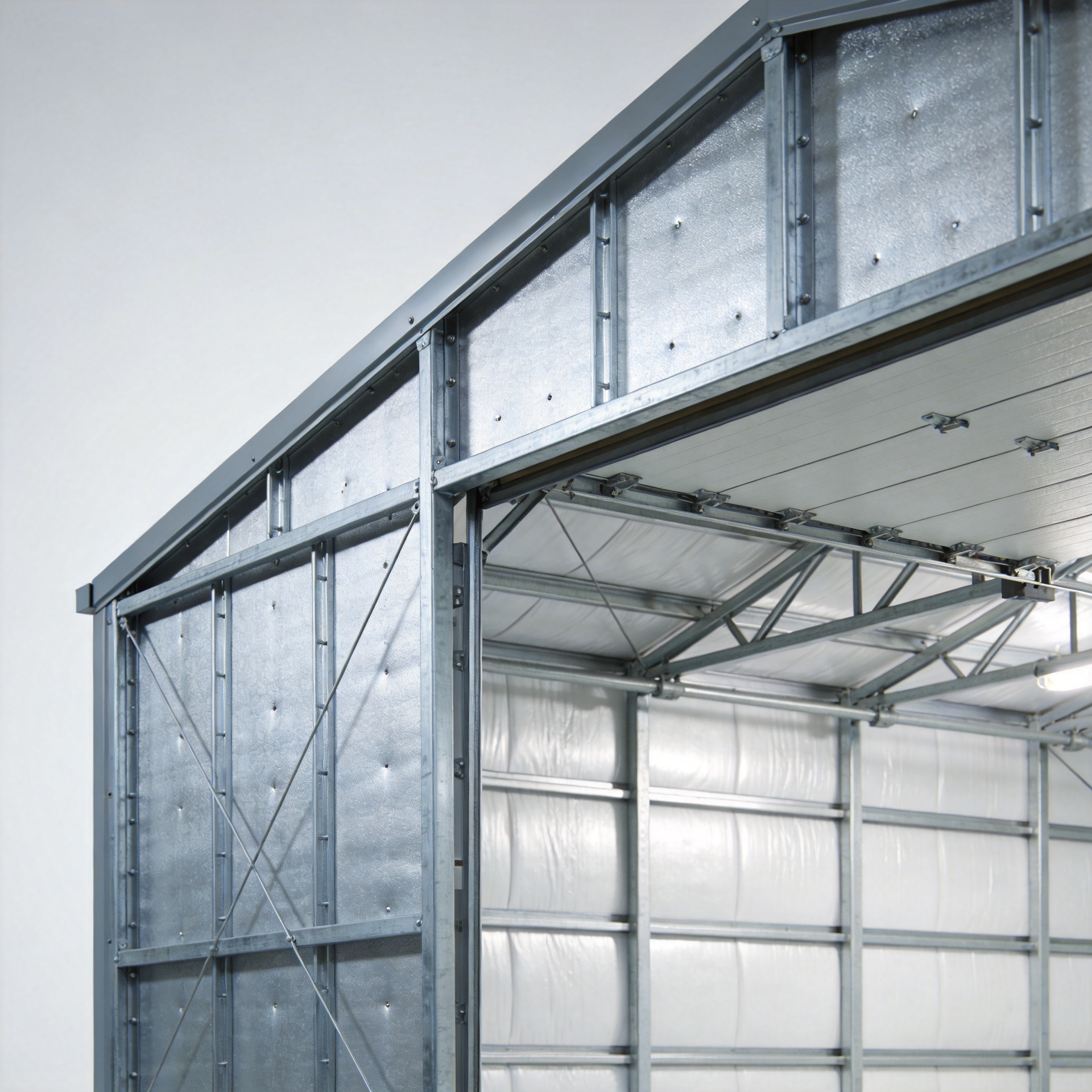
Plan a cold storage steel structure with insulation, vapor control, thermal breaks, refrigeration interfaces and corrosion-ready details.
2026/10/26
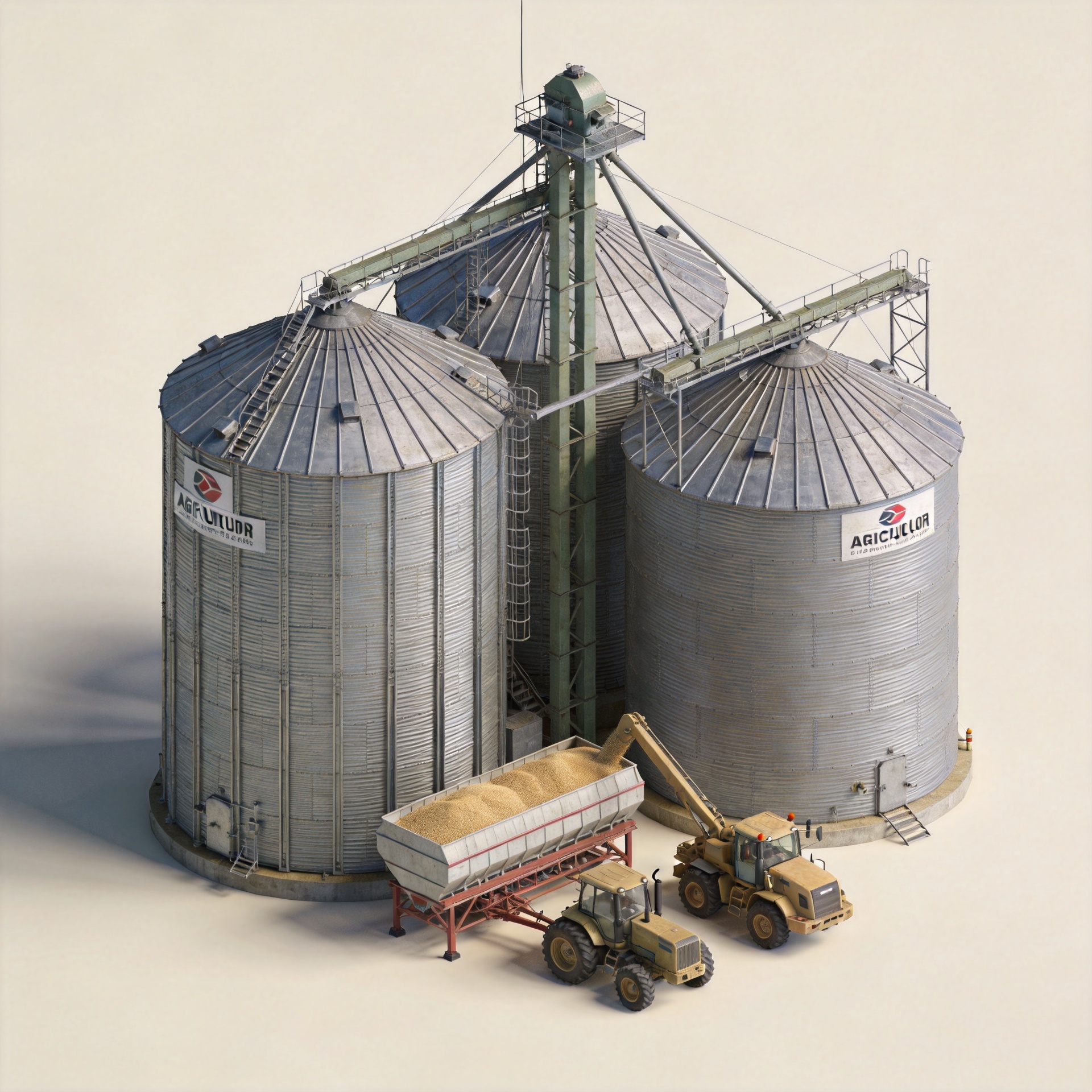
Plan an agricultural steel structure that scales from machinery barn to storage and farm logistics hub with practical design and procurement steps.
2026/10/26
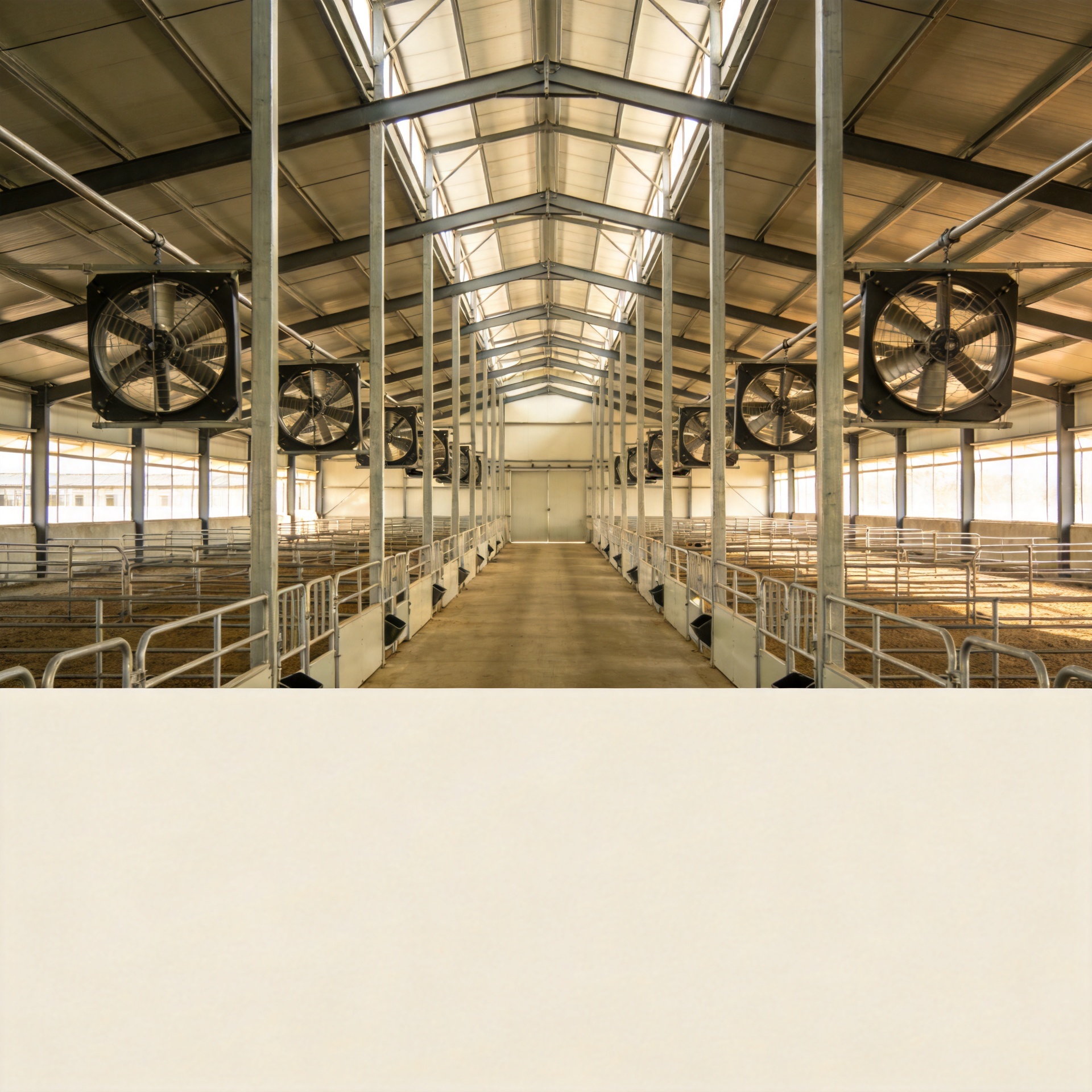
Plan a livestock steel structure for welfare, corrosion resistance, fire considerations, and efficient design-to-delivery decisions.
2026/10/26
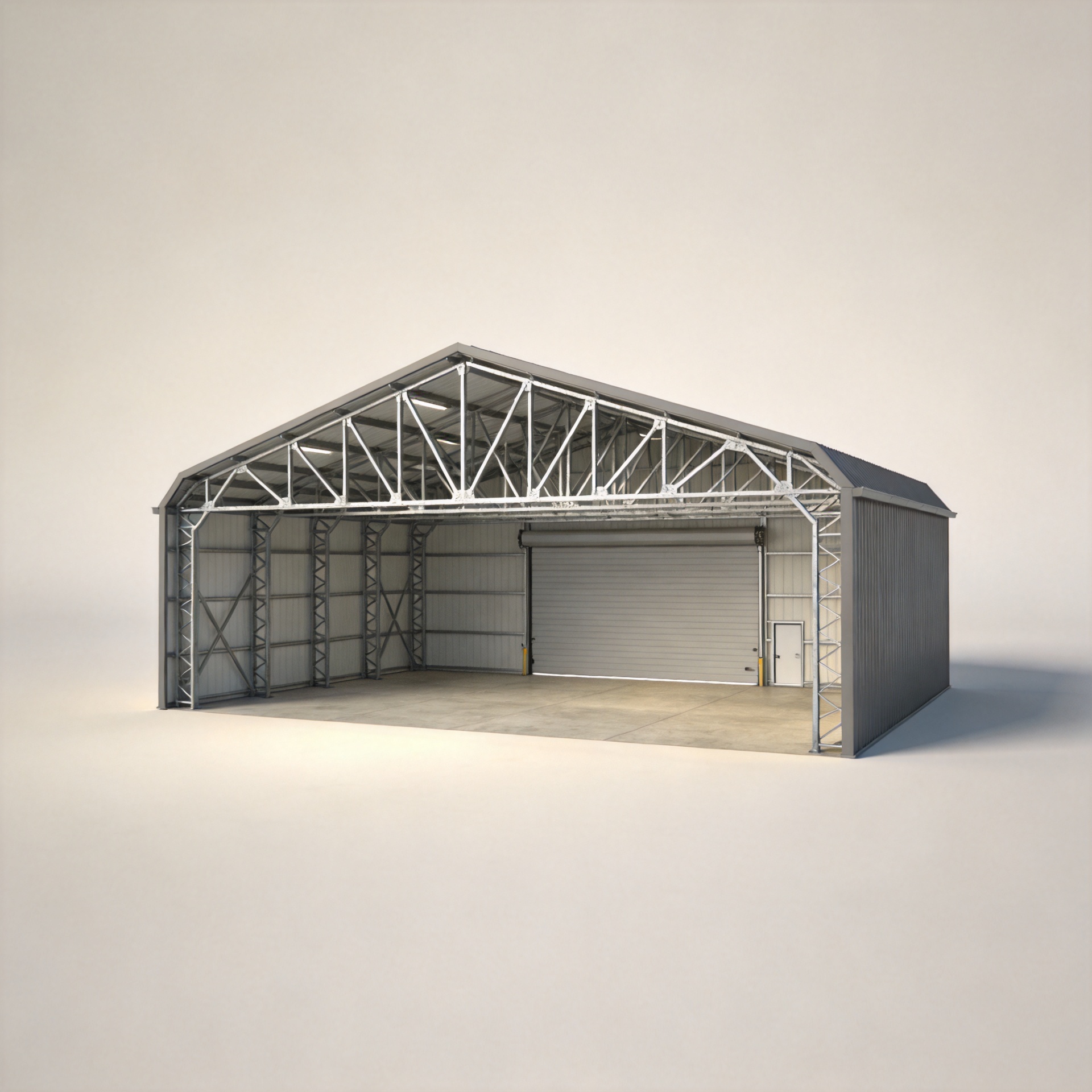
Plan an aircraft steel structure for hangars and support facilities with guidance on loads, corrosion, fire, EN 1090, and delivery milestones.
2026/10/26
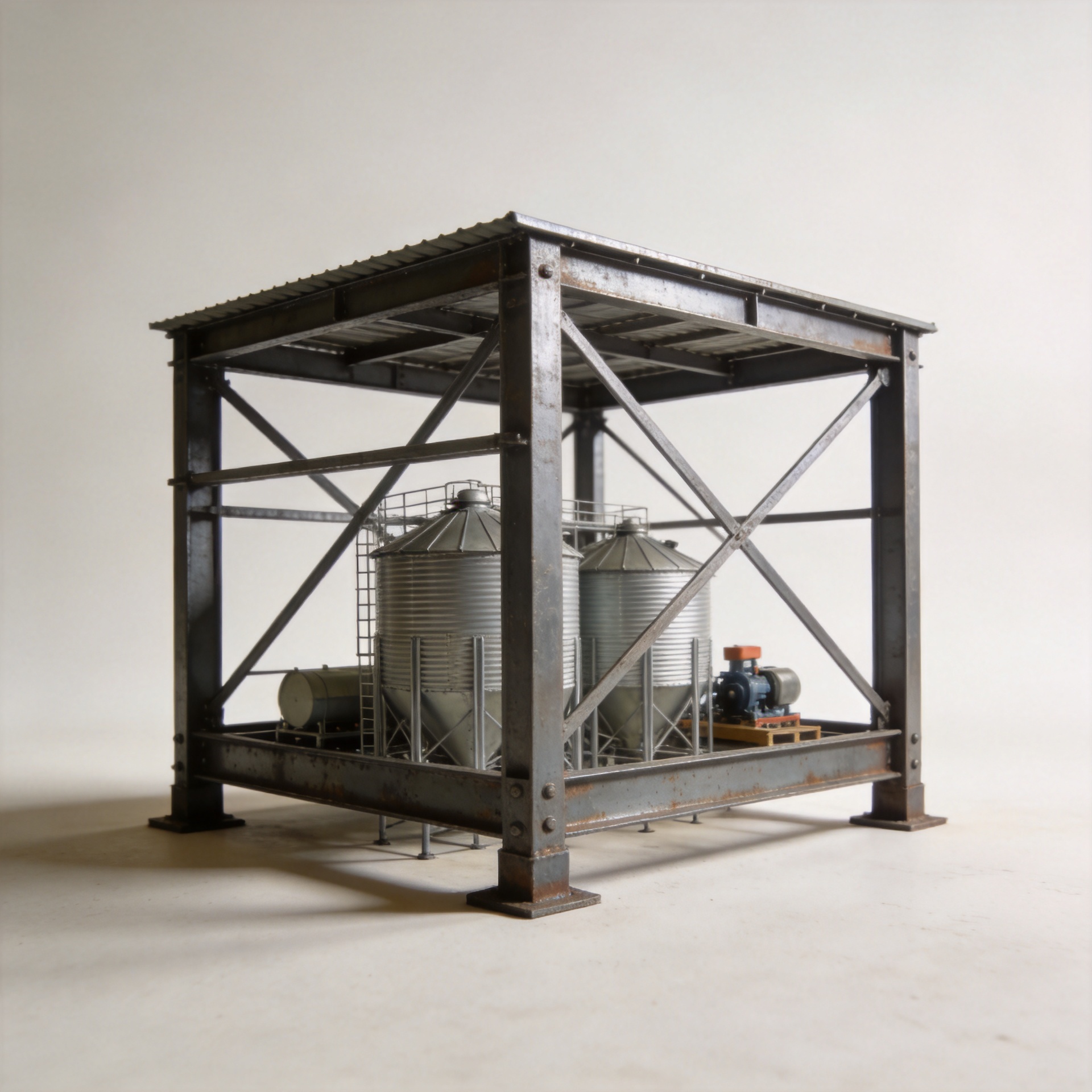
Choose a farm steel structure for agricultural storage with practical guidance on loads, corrosion, compliance, and delivery planning.
