 EN
Warehouse-Workshop Steel Structures: Dual-Use Design
2026/10/26
Plan a warehouse workshop steel structure with smarter zoning, flow, clear height, crane, fire, and expansion decisions.

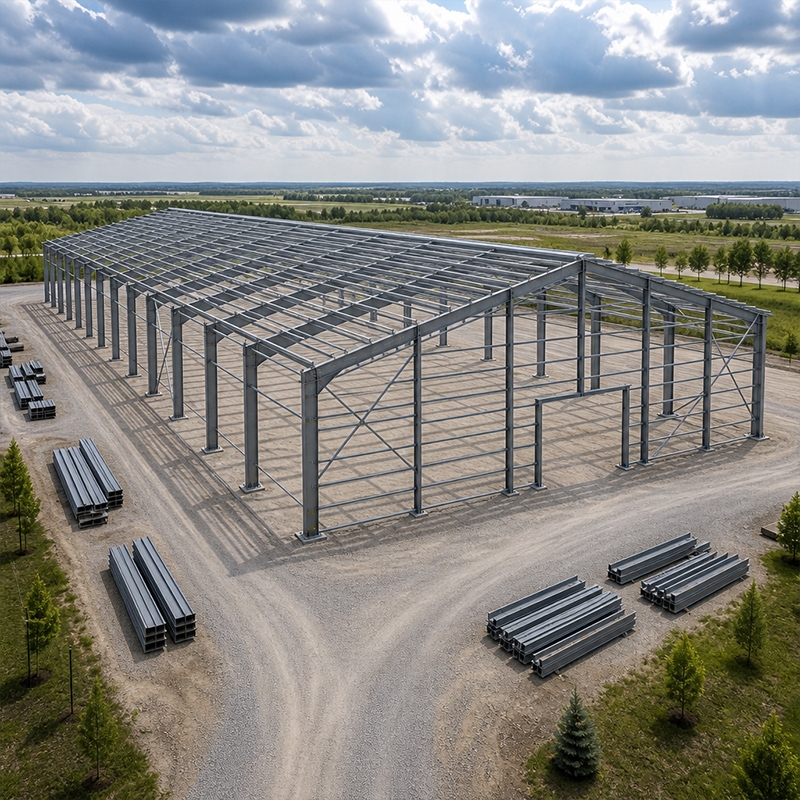
Export steelwork fails in predictable ways, and most failures trace back to supplier selection rather than the steel itself. A partner without export experience may quote a low ex-works price yet omit the documents, packing and coordination that overseas delivery demands. The apparent saving disappears once demurrage, re-inspection or replacement freight enters the budget.
A weak steel structure supplier often under-packs long members, and sea transport then does the rest of the damage. Without cradles, edge protection and weatherproof wrapping, bolt holes rust, sections bend, and connections no longer line up on site. Such loss is rarely covered by basic marine cover, because the root cause is packing method, not the voyage. Proper seaworthy bundling is therefore a quality step, not a logistics afterthought.
Many projects stall at the port of entry because the steelwork carried no CE marking or EN 1090 execution class the authority expected. Customs officers and local engineers read the certificate before they read the drawing. When a steel structure supplier cannot supply EN 1090 and ISO 3834 paperwork, the cargo may sit, incur storage, or face return. Confirming the required standard at enquiry stage prevents this expensive surprise.
Well-run export shops treat packing as part of fabrication, planned from the bill of materials. Members are nested, cradled and banded so that nothing moves inside the bundle during weeks at sea. This discipline protects the investment the buyer has already made and shortens the site programme on arrival.
Container and break-bulk loading both expose steel to shock, humidity and salt spray. A galvanized or glass flake coated frame still needs dry wrapping and desiccant at the joints. Cradles keep the centre of gravity low, reducing the chance of a shift that bends a 60 m clear-span rafter. An experienced steel structure supplier also marks lift points and gross weight, so the receiving crane crew works safely and quickly.
Condensation inside a sealed bundle can cause hidden corrosion long before erection. Vented wrapping with silica packs, plus clear ISO markings and project codes, lets the receiver identify each lot without opening every crate. A steel structure supplier that labels each crate with the project code speeds receiver identification and avoids mismatched deliveries. For a pre-engineered building, correct piece marking also speeds bolt-up, because crews match tags to the erection plan instead of measuring blindly.
Standards are the language of market access, and ignoring them is the fastest route to a rejected shipment. European buyers expect CE with EN 1090 execution class and ISO 3834 welding approval; North American specs often call for ASTM material and AISC execution. A supplier that holds ISO 9001 plus the relevant marks signals a managed system, not a one-off shop.
For structural steel entering the EU, EN 1090 is the legal route to the CE mark, backed by ISO 3834 for welding quality. The execution class must match the building's consequence category, so a logistics centre and a grain silo may need different classes. A credible steel structure supplier states the achievable class up front and issues the Declaration of Performance with every consignment, removing doubt at the border.
Every load-bearing member should trace to a mill test report showing chemistry and mechanical properties for the actual heat. Q355B, Q355D and Q355B-Z35 each behave differently under low temperature and through-thickness load, so the report must name the grade. AISC and ASTM buyers expect the same traceability through material certificates. Traceability protects the buyer when a local inspector questions a weld or a connection.
Price is only half the contract; the other half is when and how the steel arrives. Production lead time, Incoterm and payment linkage decide whether a project starts on the planned day or slips a season. Reading these terms carefully separates a dependable exporter from a quoted-low, delivered-late vendor.
A transparent schedule lists drawing approval, material procurement, CNC cutting, robotic welding, coating and load-out as separate milestones. A shop with 12,000 m² of capacity and robotic lines can quote tighter windows, yet still needs the buyer's foundation and design sign-off on time. Ask for the critical path, not a single number, because the longest activity governs the sailing date.
FOB leaves insurance and main freight with the buyer, while CIF hides the true freight cost inside the quote. For first-time importers, CFR or CIF reduces coordination, whereas experienced buyers often prefer FOB to control the carrier. A steel structure supplier that explains each term honestly, without pushing the most profitable option, earns trust and repeat orders.
Choosing the right steel structure supplier for export orders protects far more than the unit price. Verified packing, correct destination certification and clear commercial terms keep the project moving from factory to foundation. Buyers who confirm EN 1090, ISO 3834 and ISO 9001 status, then align packing and Incoterms to their own capability, avoid the delays and disputes that sink tight schedules. A steel export supplier that also understands structural steel export documentation and ce certified steel requirements is far safer than one that only quotes tonnage. Confirming how the steel structure supplier handles shipping steel — cradles, banding, desiccant and edge protection — prevents rust and bending before the frame ever reaches site.
Frequently Asked Questions
Question
What documents should an export steel shipment include?
Answer: A compliant structural steel export shipment needs the commercial invoice, packing list, bill of lading, certificate of origin and the destination conformity mark such as CE with EN 1090. Mill test reports for the actual steel heat and welding procedure records support site inspection. When a steel export supplier provides ce certified steel, these documents align with the mark and customs clearance moves without stalling. Without them, the project loses time at the port, and even a good steel structure supplier cannot recover that delay.
Question
Why does EN 1090 matter for European buyers?
Answer: EN 1090 is the harmonised standard that lets structural steel export carry the CE mark inside the EU, and it defines the execution class by building risk. ISO 3834 backs the welding quality behind that mark. Buyers rely on EN 1090 because local authorities and engineers accept it as proof the ce certified steel was made under a controlled system. A steel export supplier that holds this certification can ship into Europe without requalification, while a steel structure supplier without it forces the buyer to absorb the risk.
Question
How is seaworthy packing different from domestic wrapping?
Answer: Seaworthy packing adds cradles, banding, edge protection, weatherproof wrap and desiccant to survive weeks at sea with salt and humidity. Domestic wrapping rarely resists condensation and handling shocks. For shipping steel overseas, proper export packing prevents rust at bolt holes and bending of long members, so the structural steel export arrives ready for bolt-up without rework. This is where a steel export supplier earns its value, because packing standards decide whether the steel structure supplier delivers a usable kit or a repair bill.
Question
Which Incoterm gives the buyer more control over freight?
Answer: FOB places main carriage and insurance with the buyer, giving direct control over carrier, routing and cost. CIF or CFR shifts those duties to the seller and simplifies coordination for new importers. The right choice depends on the buyer's logistics experience, not on a fixed rule, so the term should match internal capability. A steel export supplier experienced in shipping steel can advise which term fits the buyer's port, while a steel structure supplier focused only on fabrication may leave freight risk unresolved.
Question
Can a steel structure supplier handle both design and export documents?
Answer: Many export-focused steel export suppliers provide fabrication drawings, connection design support and the full document set alongside seaworthy packing. Capacity such as CNC cutting, robotic welding and ISO 9001 control helps them deliver both the structure and the paperwork for the buyer's project. For structural steel export, this means ce certified steel, mill certificates and shipping steel packing are coordinated under one scope. Confirming this scope early prevents gaps that surface only at customs and cause avoidable delay.
2026/10/26
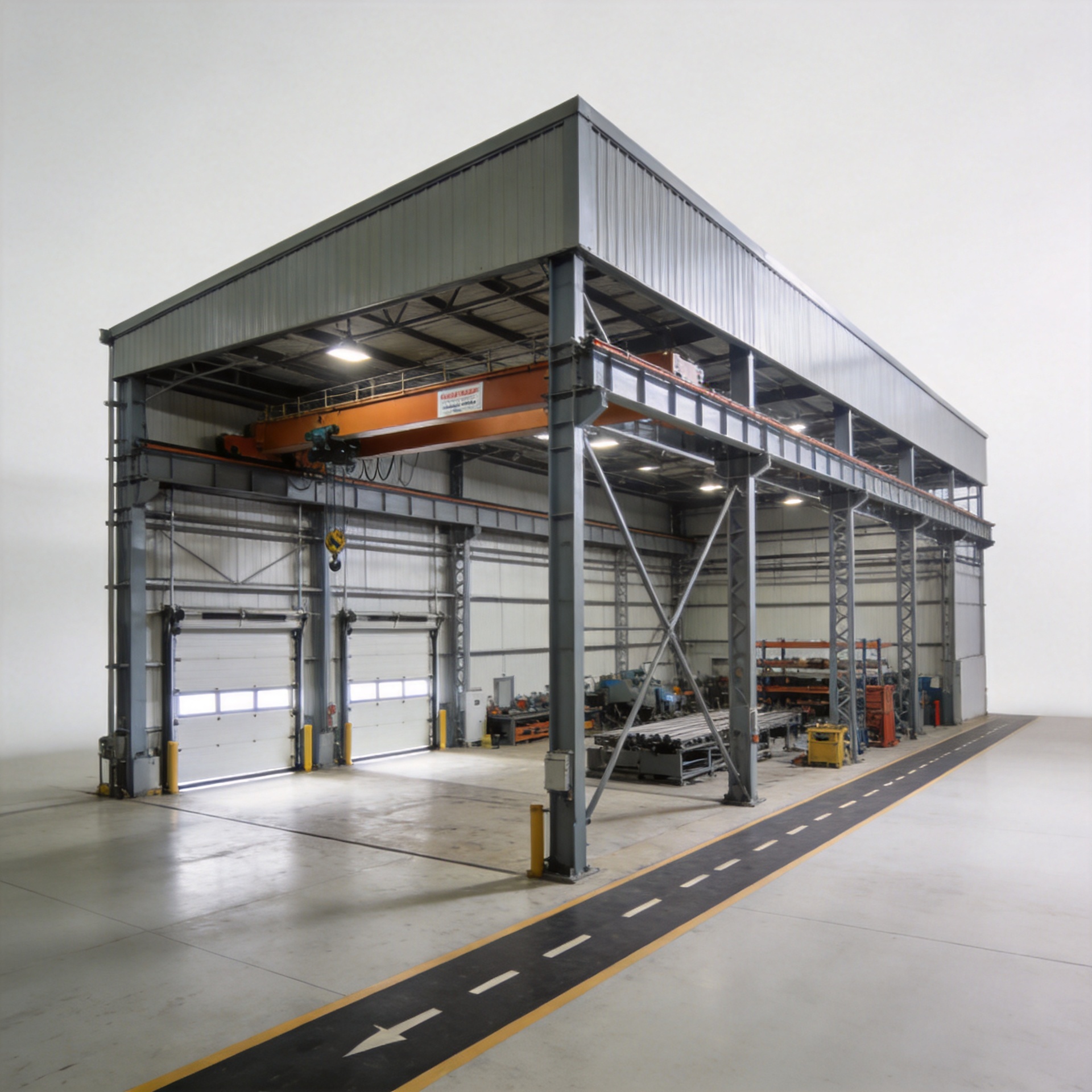
Plan a warehouse workshop steel structure with smarter zoning, flow, clear height, crane, fire, and expansion decisions.
2026/10/26
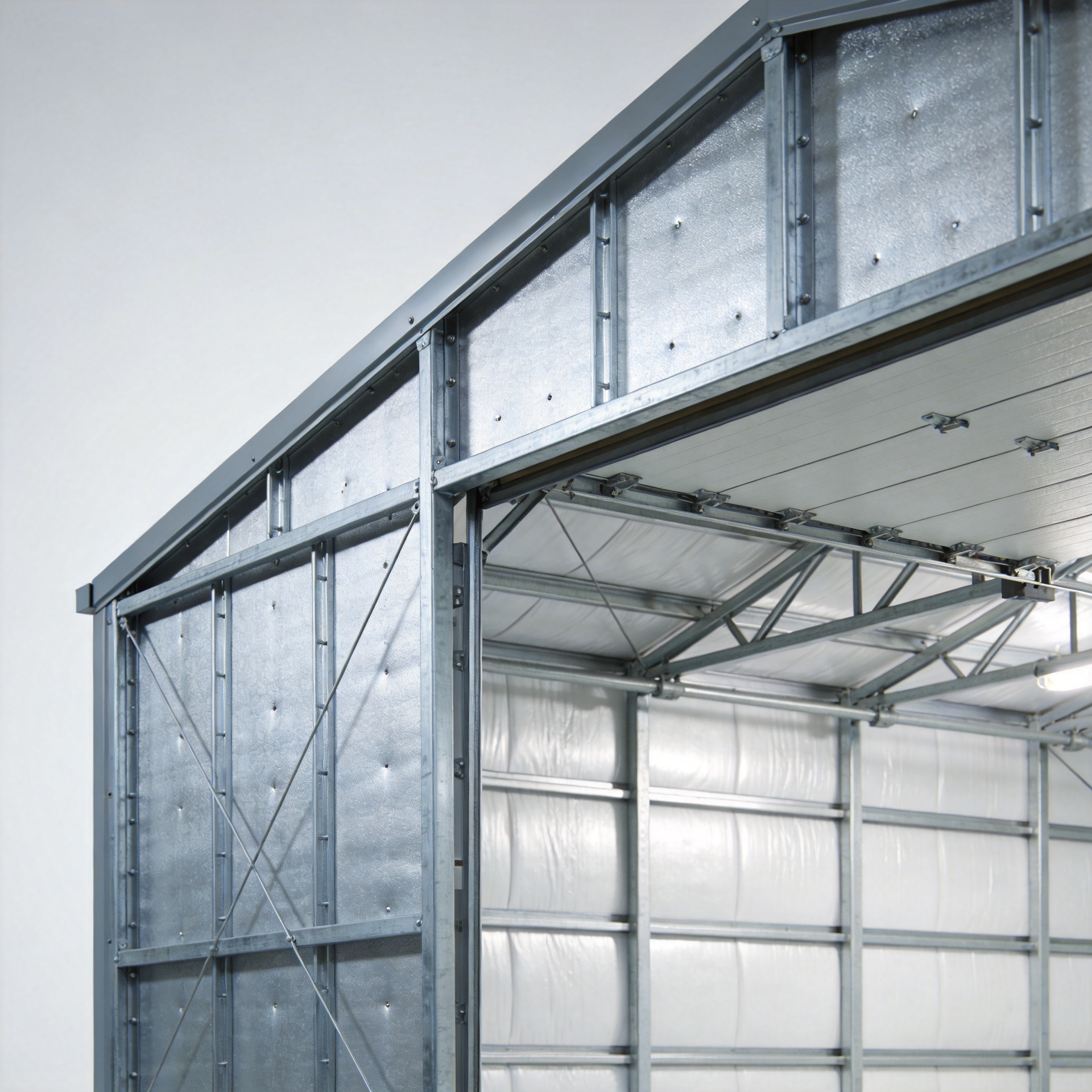
Plan a cold storage steel structure with insulation, vapor control, thermal breaks, refrigeration interfaces and corrosion-ready details.
2026/10/26
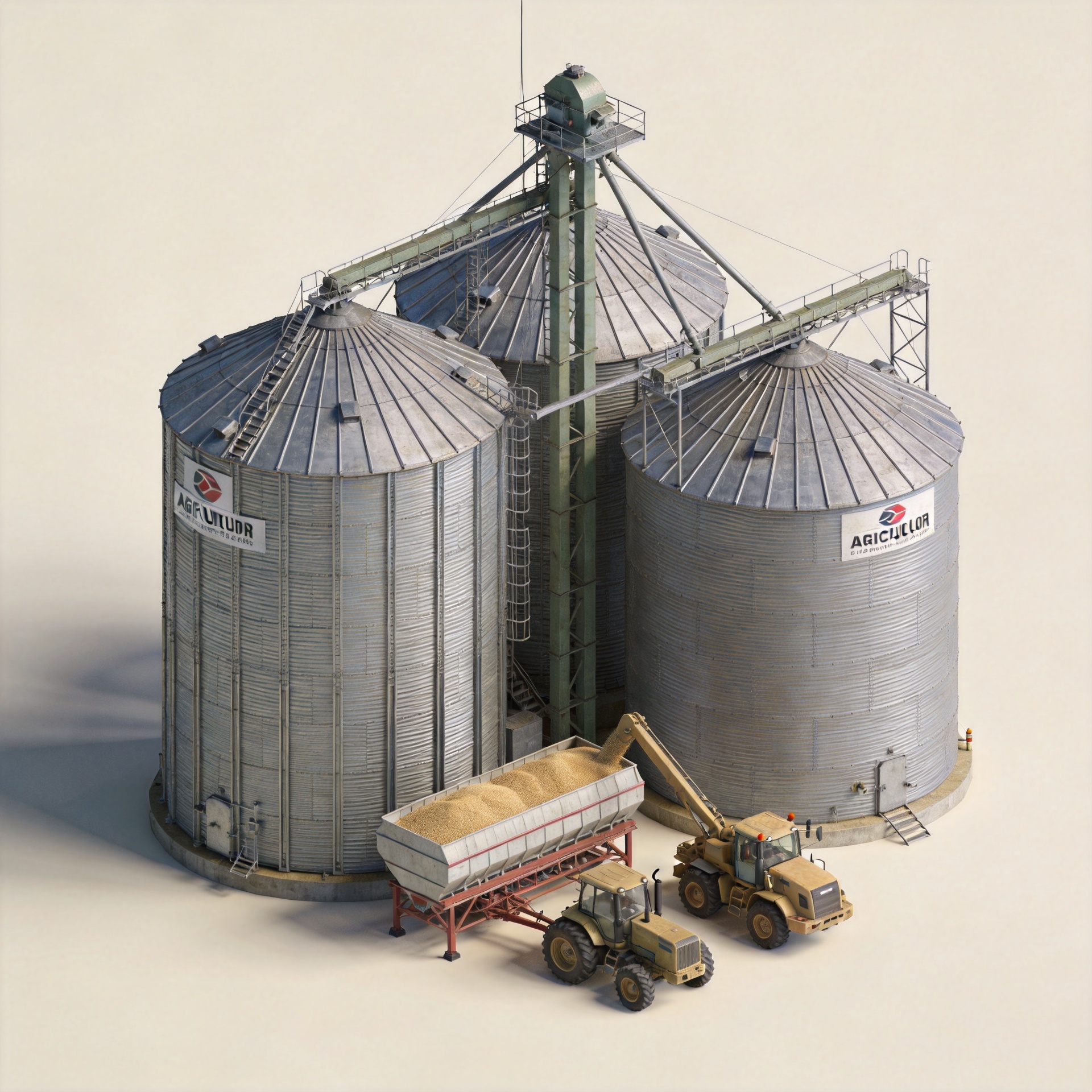
Plan an agricultural steel structure that scales from machinery barn to storage and farm logistics hub with practical design and procurement steps.
2026/10/26
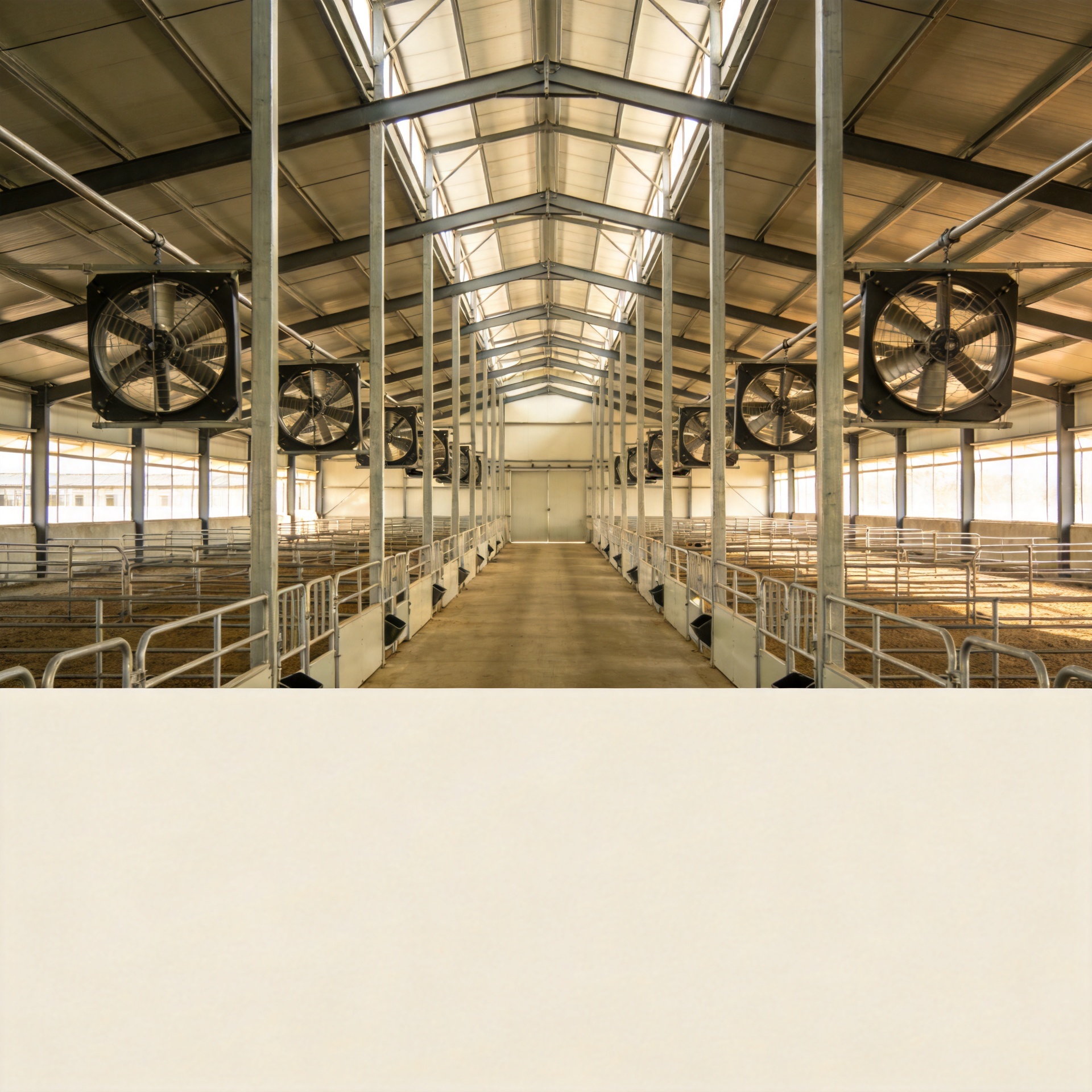
Plan a livestock steel structure for welfare, corrosion resistance, fire considerations, and efficient design-to-delivery decisions.
2026/10/26
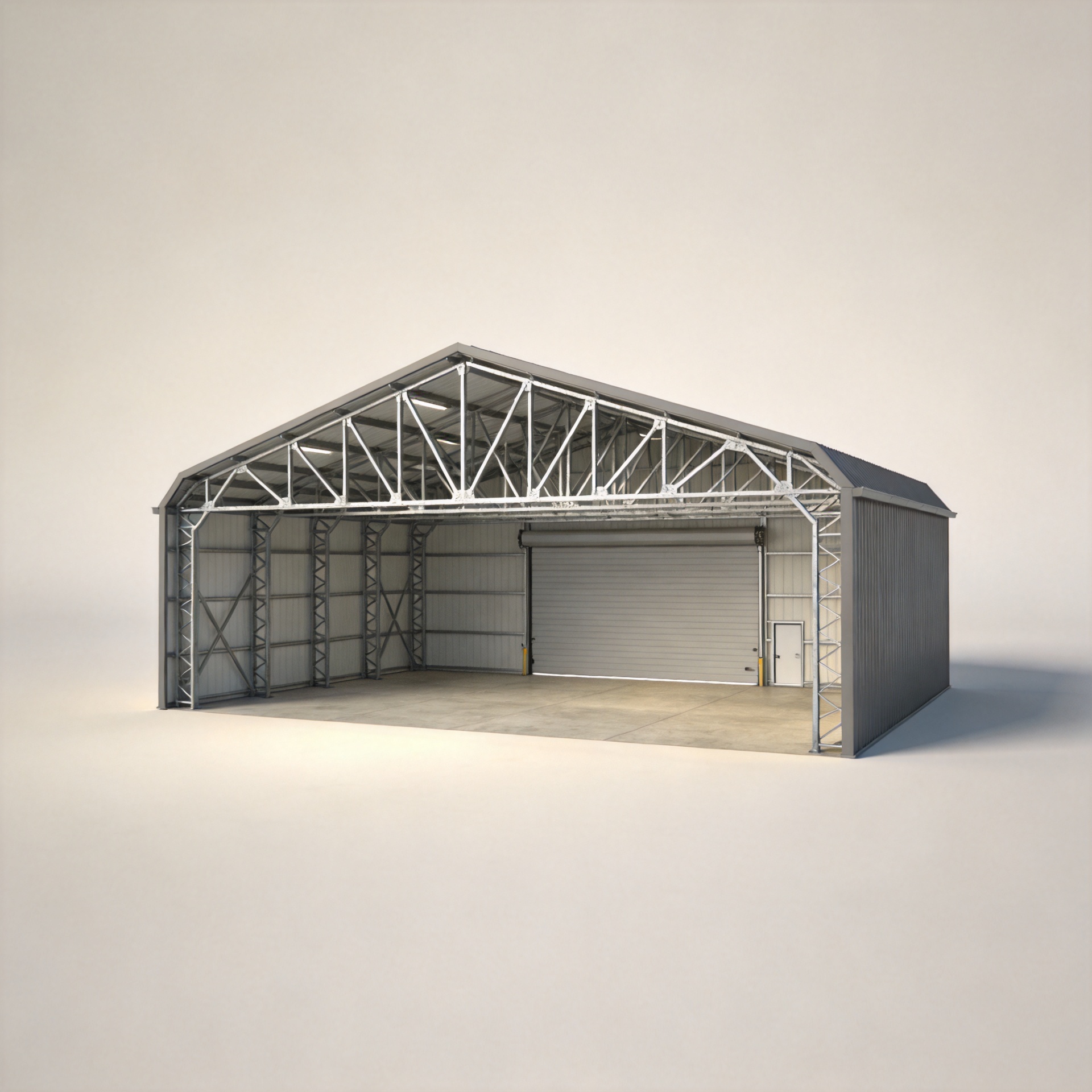
Plan an aircraft steel structure for hangars and support facilities with guidance on loads, corrosion, fire, EN 1090, and delivery milestones.
2026/10/26
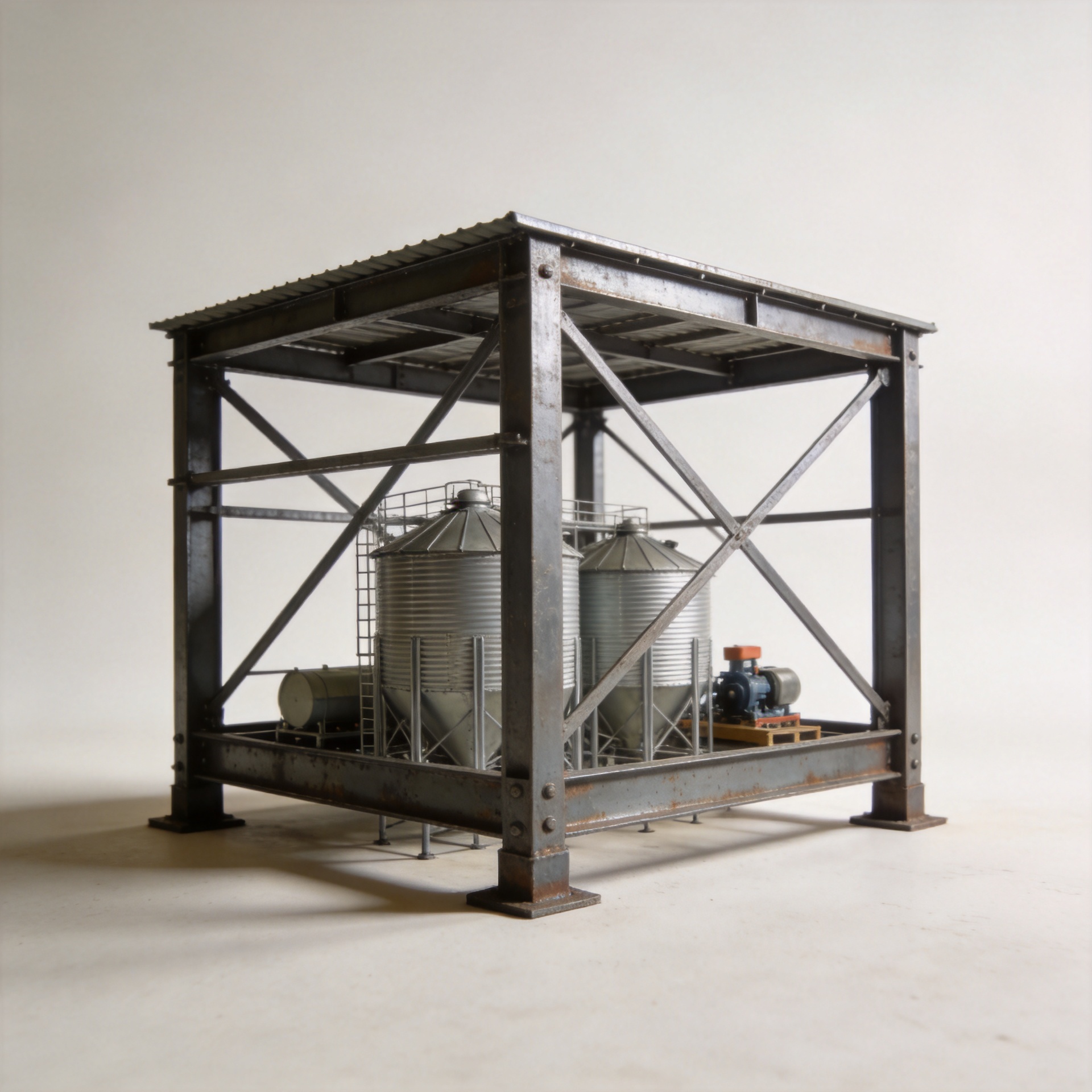
Choose a farm steel structure for agricultural storage with practical guidance on loads, corrosion, compliance, and delivery planning.
