 EN
Warehouse-Workshop Steel Structures: Dual-Use Design
2026/10/26
Plan a warehouse workshop steel structure with smarter zoning, flow, clear height, crane, fire, and expansion decisions.

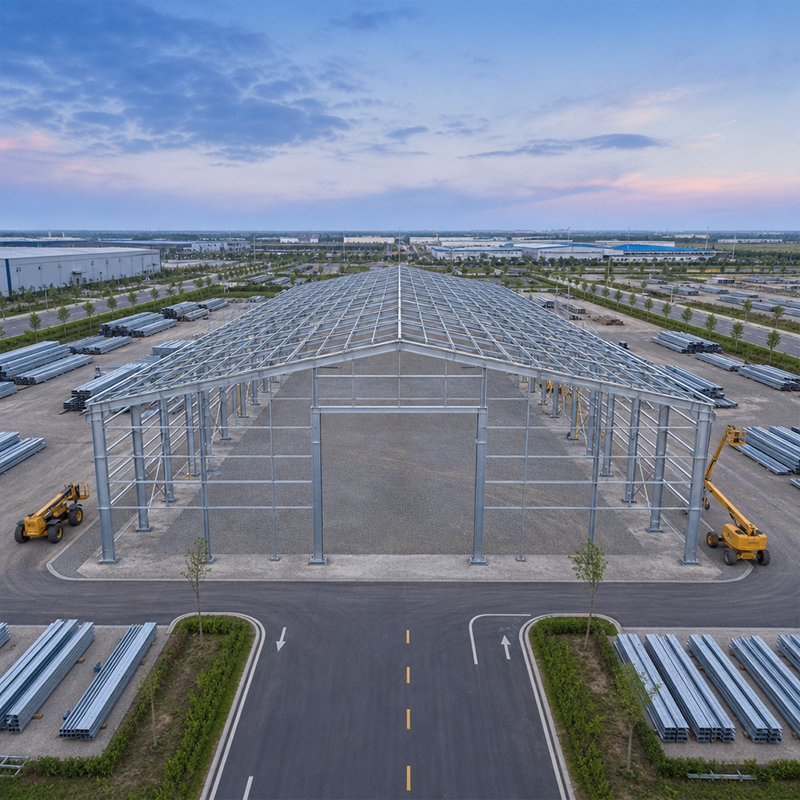
Choosing how a building is made matters as much as the material it uses. Prefabricated steel structures are produced inside a controlled factory where cutting, welding, coating and inspection follow repeatable procedures that open-air erection simply cannot match. For owners shipping a plant or warehouse overseas, factory quality control is the single factor that protects schedule, budget and safety long before the first column is lifted on site.
A credible program begins at the design handoff. Fabrication drawings are reconciled with the structural model so every connection, bolt hole and plate thickness is confirmed before metal is cut. Inside the plant, prefabricated steel structures advance through documented stations: material certificates are logged, cutting programs are verified, and weld maps record which joint was made by which operator and with which procedure. This paper trail lets a buyer prove the building meets the specification instead of hoping it does.
The value of that discipline shows in real jobs. At a machinery plant for Shenyang Huaxing Machinery, the frame was fully shop-fabricated with complete weld and coating records. When the erection crew arrived, members aligned on the first attempt and the schedule held. The reason is traceability: a mis-cut plate or skipped weld in the field is often hidden until a load test or storm exposes it, whereas in a factory the same error is caught at the station, reworked under supervision and recorded. That is why experienced contractors specify shop fabrication for critical frames.
Field welding works against the environment. Wind, humidity, dust and uneven access make consistent weld penetration difficult to achieve, and a weak joint can redistribute stress to neighbouring members. A controlled shop keeps temperature, shielding gas and electrode quality stable, so defects drop and rework shrinks. The practical payoff is fewer safety incidents and a frame that arrives ready to bolt together rather than one that needs correction at height. Documented shop procedures also simplify handover to local engineers who must approve the structure for occupancy.
Computer-controlled cutting removes guesswork from plate and profile preparation. A CNC cutting table follows the fabrication drawing to sub-millimetre tolerance, so bolt holes line up on the first try and members fit without forced adjustment. Accurate parts also cut on-site reaming and grinding, keeping erection crews productive and safe. For multi-bay layouts, this precision prevents the small misalignments that accumulate into large fit-up gaps across a long frame. These tight tolerances are exactly what make prefabricated steel structures fit together on the first attempt, cutting erection days.
Robotic welding cells deliver repeatable, high-quality seams that human fatigue cannot compromise. Each pass follows a programmed welding procedure specification, and heat input stays within the band that protects the steel's mechanical properties. For high-volume beams and brackets, this consistency is the backbone of reliable prefabricated steel structures, because a single inconsistent weld can become the weakest link in a long-span frame subjected to crane and wind loads. Regular calibration of the robotic cell and periodic destructive testing of sample coupons keep the process honest across long production runs.
Applying corrosion protection in the shop beats touch-up at height. Hot-dip galvanizing and glass flake coating performed under controlled conditions bond evenly and reach recesses that field brushes miss. The only remaining site work is minor repair at bolted interfaces, which is smaller in scope and easier to verify. Plant owners should still schedule a periodic coating inspection after commissioning, because even durable systems need monitoring near drainage points and where equipment vibration occurs.
Independent inspection adds an objective layer above internal checks. Non-destructive testing such as ultrasonic or magnetic particle examination confirms welds without damaging them, while coating thickness gauges verify protection levels. Mill certificates from the steel supplier prove the grade, for example Q355B or Q420B, matches the order. Together with EN 1090 and ISO 3834 documentation, these records give buyers confidence the frame is fit for service and acceptable to local authorities. For export buyers, verified prefabricated steel structures mean fewer surprises at customs and on site.
Certifications help only when current and scoped to the work. ISO 9001 shows a documented quality management system, while EN 1090 and the CE marking confirm a supplier can lawfully place structural steel on the European market. ISO 3834 covers welding quality specifically. A supplier holding these together, supported by a 12,000 m² plant with CNC and robotic lines, demonstrates capability rather than a marketing claim, which matters for export buyers who cannot visit often. Holding EN 1090 for prefabricated steel structures signals European conformity assessment, not informal site welding.
Before committing, request the fabrication drawing set, the weld map and a sample inspection report from a recent project. Ask how dimensional tolerance is measured and what happens when a non-conformance is found. For coating, confirm the test method and acceptable thickness range. These practical checks separate suppliers who inspect from those who merely assemble, and they protect the buyer long before steel is loaded for shipment. Specifying documented prefabricated steel structures in the contract makes those checks enforceable rather than optional.
Summary
Factory discipline turns raw steel into a building owners can trust. By keeping cutting, welding and coating inside a controlled plant, prefabricated steel structures leave the factory closer to finished and arrive on site ready for fast, predictable erection. Buyers who verify certifications, inspection records and fabrication discipline gain a frame that performs for decades rather than one that merely looks correct on paper.
What quality checks apply to prefabricated steel structures during fabrication?
Answer: Fabrication quality checks span material verification, dimensional control and weld examination. Mill certificates confirm steel grade, CNC programs are validated against drawings, and non-destructive testing verifies critical welds. Coating thickness is measured before dispatch. Independent inspectors may review records at key stages. These layered checks ensure each member meets specification before it leaves the plant, reducing risk after arrival on site.
Why is shop welding preferred over field welding for steel frames?
Answer: Shop welding occurs in a stable environment with controlled temperature, shielding gas and trained operators, producing consistent, documented joints. Field welding faces wind, moisture and awkward access that raise defect risk. Poor field welds are harder to inspect and repair. Performing welds in the factory reduces rework, improves safety and delivers a frame that bolts together smoothly on site without costly correction at height.
How is coating quality verified before a building is shipped?
Answer: Coating quality is confirmed with dry-film thickness gauges at multiple points on each member, comparing readings to the specified range. Surface preparation and ambient conditions are logged during application. For hot-dip galvanizing, coating mass and appearance are checked. Any damaged area at bolt interfaces is noted for controlled site repair, keeping long-term corrosion protection reliable and predictable.
Which certifications indicate a trustworthy steel structure supplier?
Answer: ISO 9001 shows a documented quality management system, EN 1090 and CE marking confirm compliance for European structural steel, and ISO 3834 covers welding quality. Current, scope-appropriate certificates backed by real inspection records matter more than logos on a website. Buyers should request valid certificates and recent project references before placing an order to confirm real capability.
When should a buyer request third-party inspection for a steel project?
Answer: Third-party inspection is most valuable at fabrication milestones such as final weld and coating completion, and before container loading. Engaging an independent inspector early protects against hidden defects that surface only after erection. For export orders, inspection at the plant also supports destination certification and gives overseas buyers assurance without travelling to the factory.
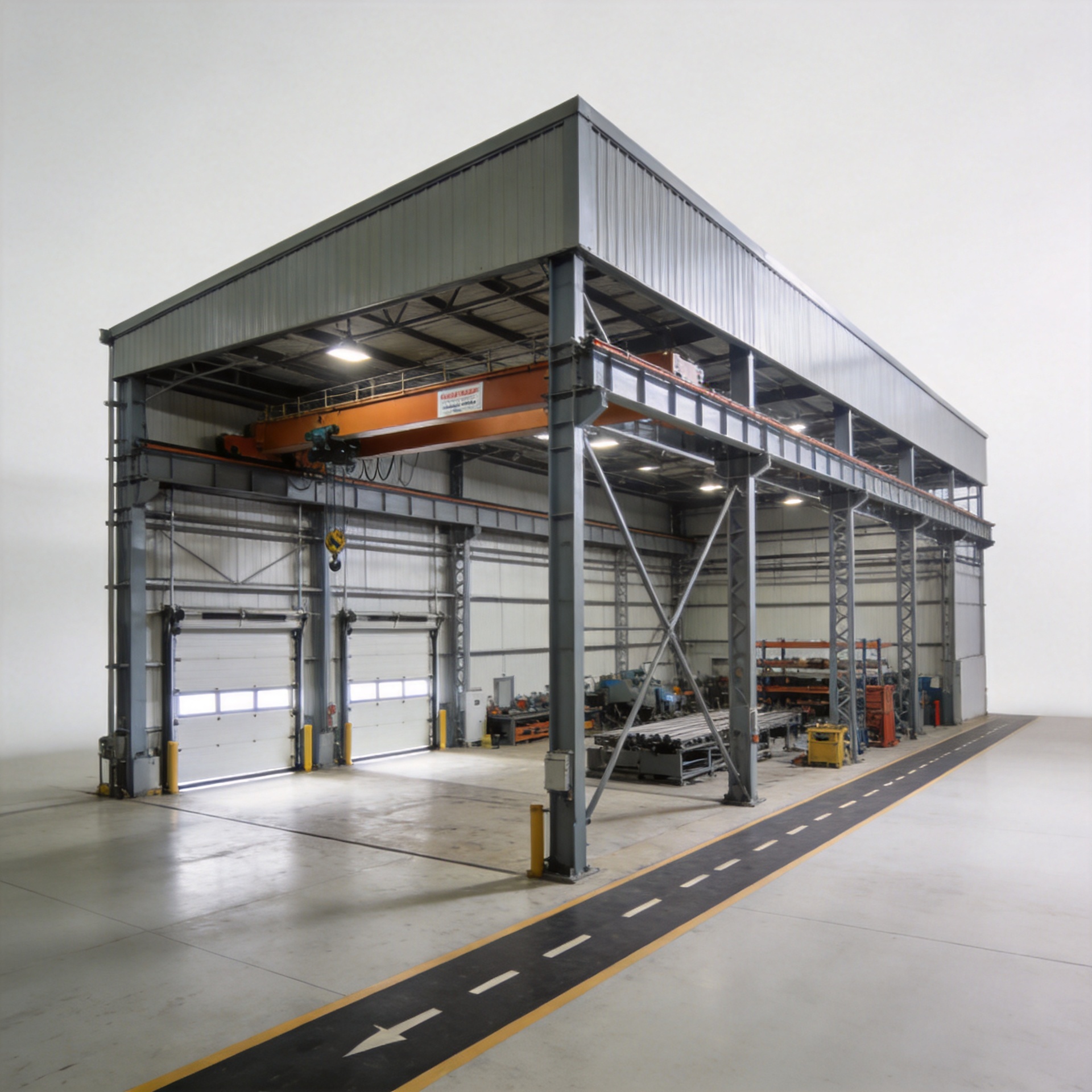
2026/10/26
Plan a warehouse workshop steel structure with smarter zoning, flow, clear height, crane, fire, and expansion decisions.
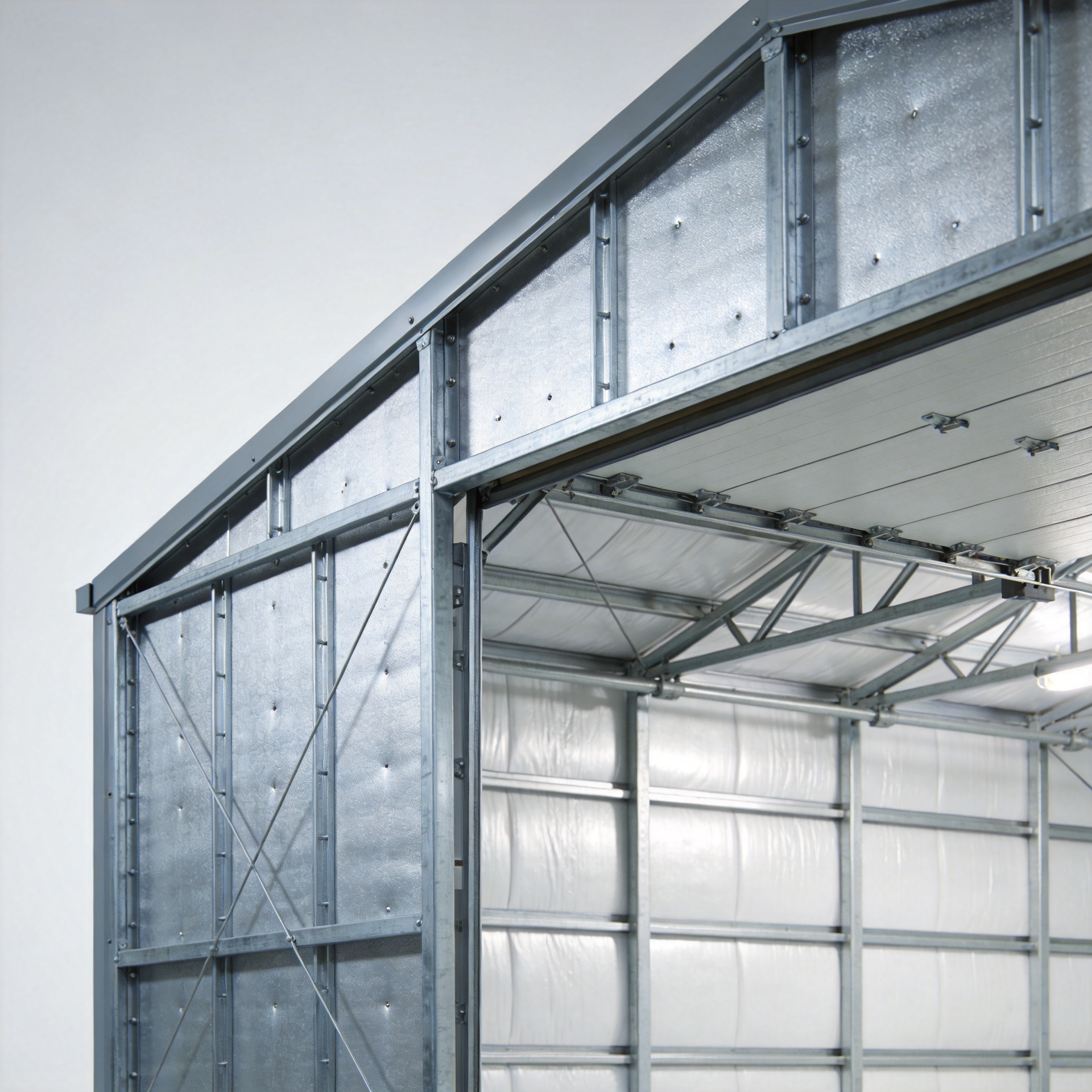
2026/10/26
Plan a cold storage steel structure with insulation, vapor control, thermal breaks, refrigeration interfaces and corrosion-ready details.
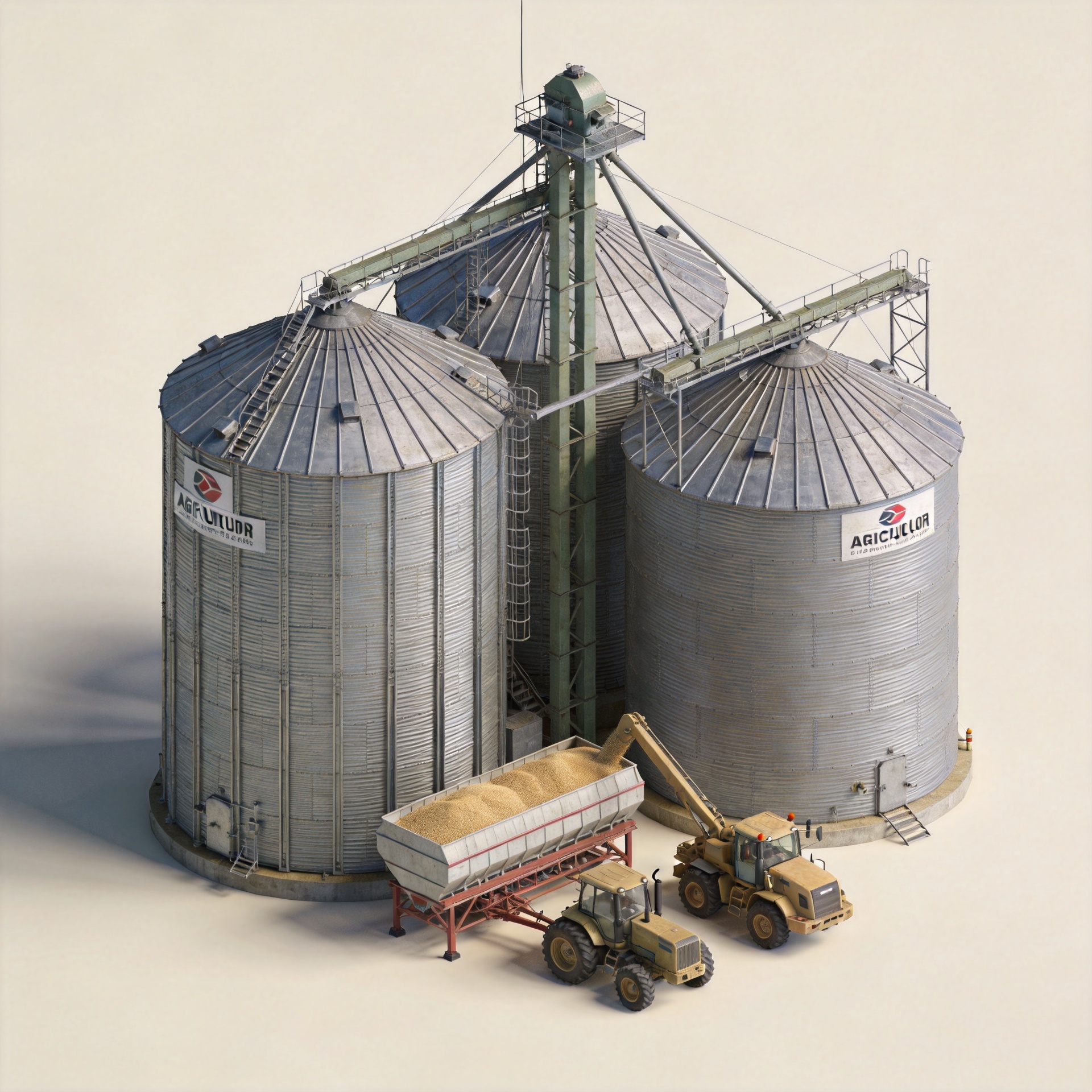
2026/10/26
Plan an agricultural steel structure that scales from machinery barn to storage and farm logistics hub with practical design and procurement steps.
2026/10/26
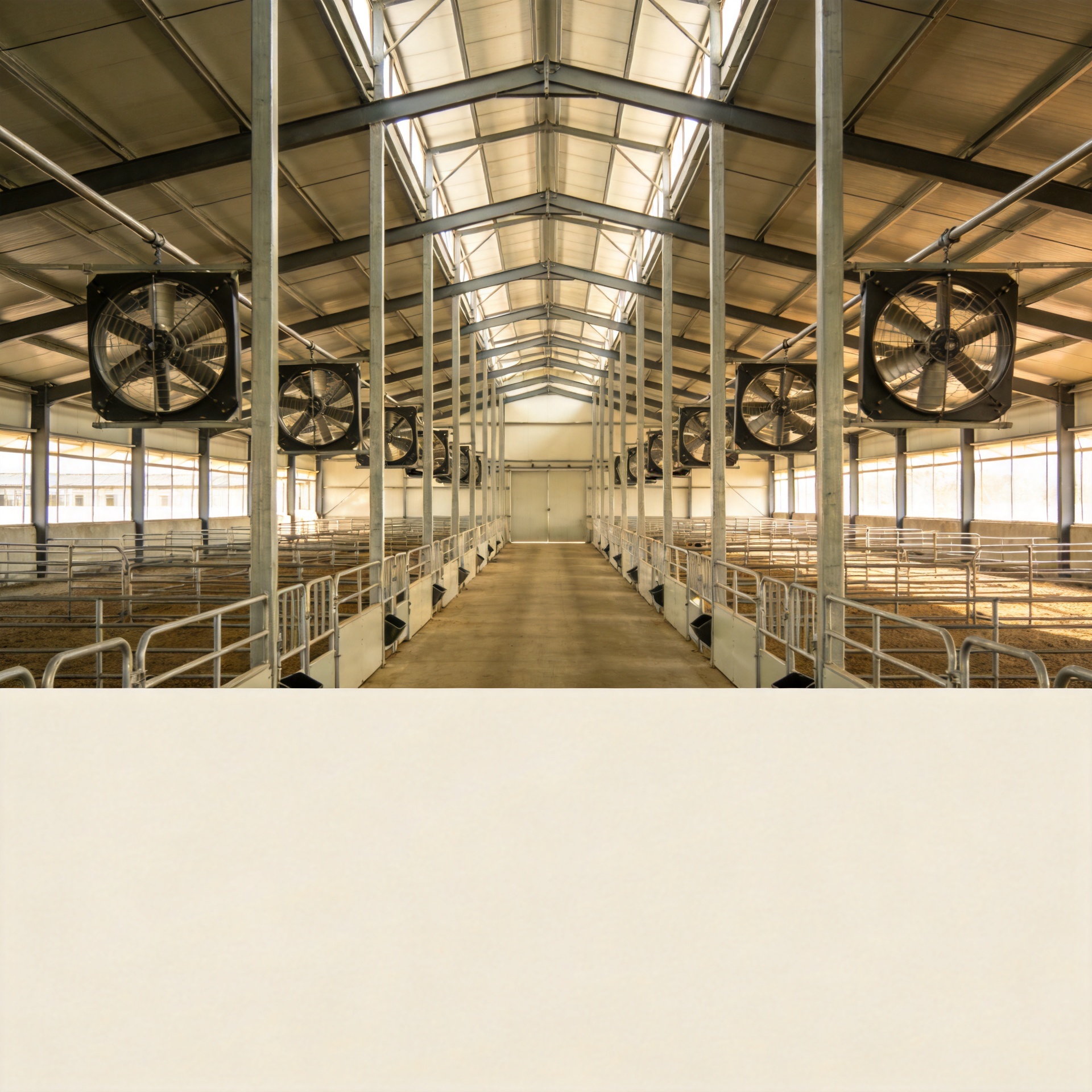
Plan a livestock steel structure for welfare, corrosion resistance, fire considerations, and efficient design-to-delivery decisions.
2026/10/26
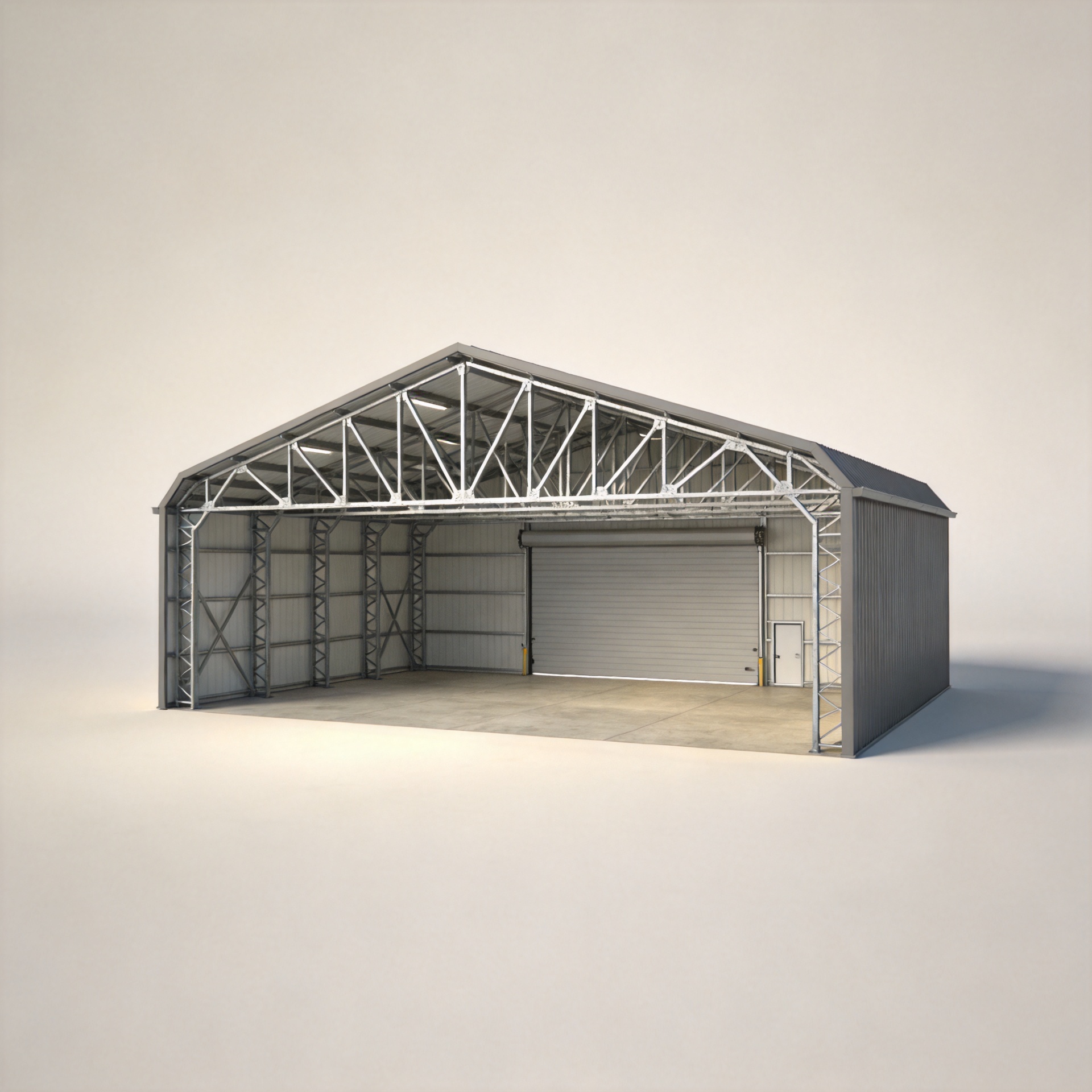
Plan an aircraft steel structure for hangars and support facilities with guidance on loads, corrosion, fire, EN 1090, and delivery milestones.
2026/10/26
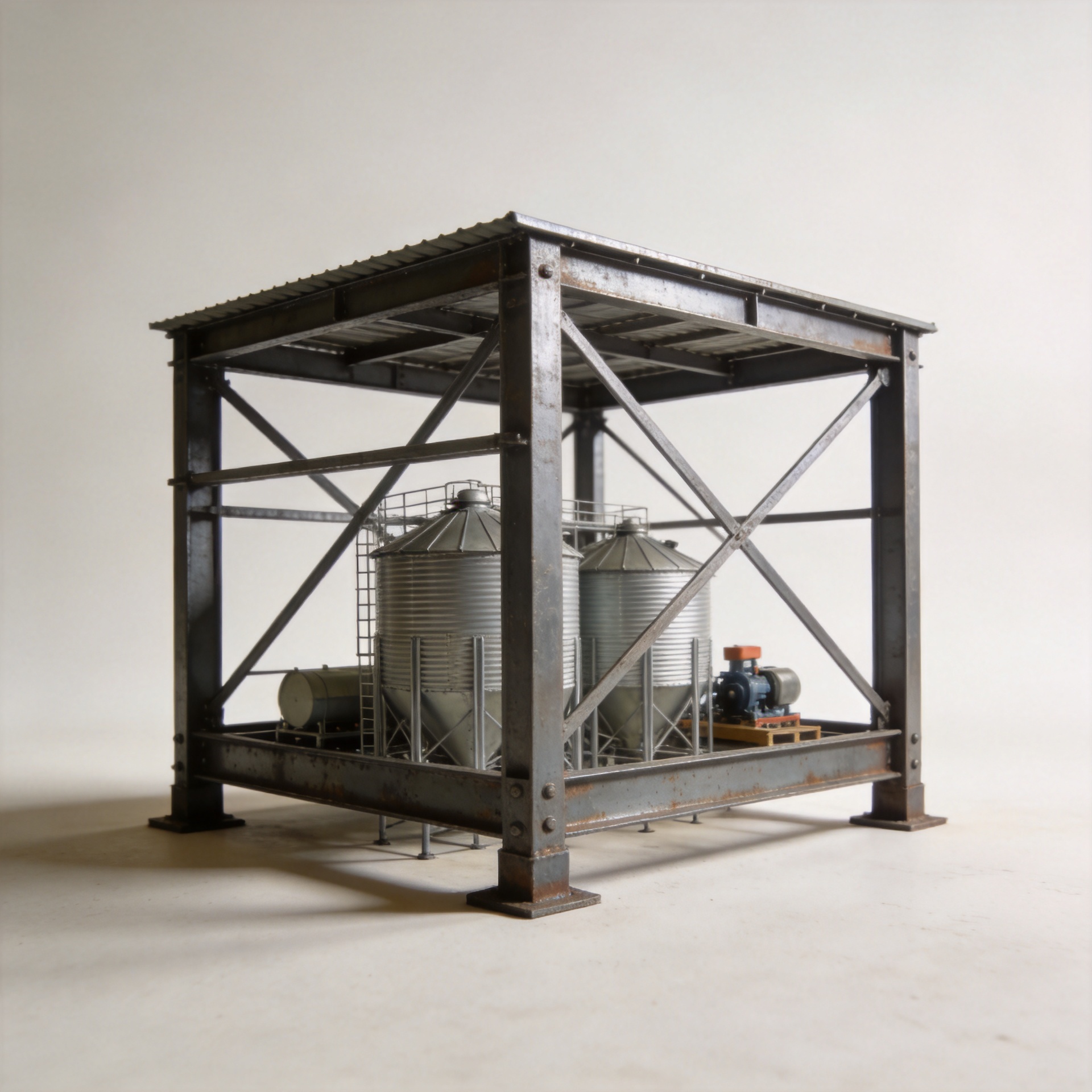
Choose a farm steel structure for agricultural storage with practical guidance on loads, corrosion, compliance, and delivery planning.
