 EN
Warehouse-Workshop Steel Structures: Dual-Use Design
2026/10/26
Plan a warehouse workshop steel structure with smarter zoning, flow, clear height, crane, fire, and expansion decisions.

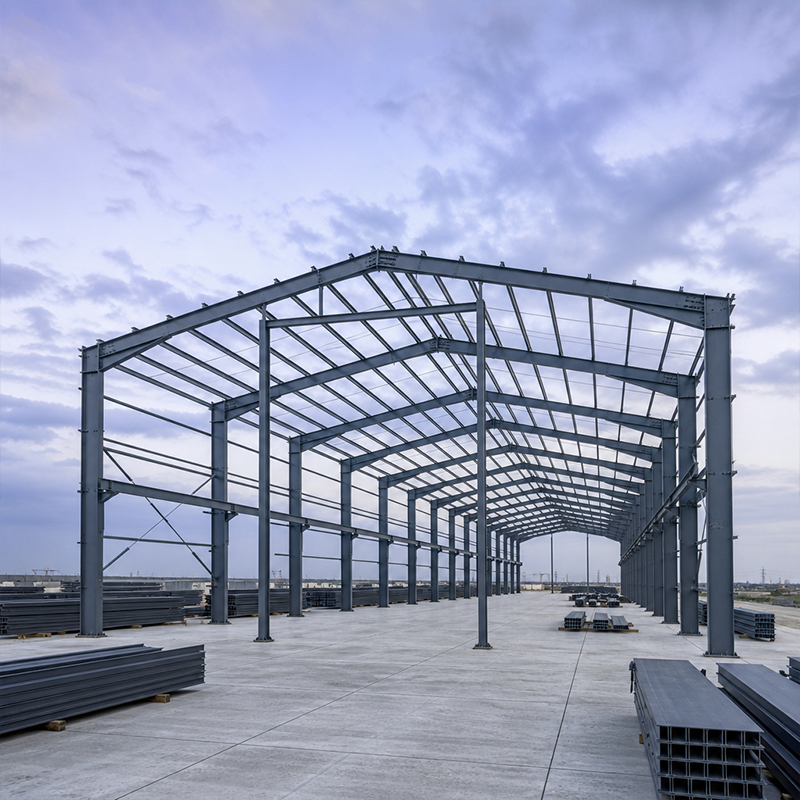
A prefab steel structure lets an industrial owner open a building months sooner than a cast-in-place concrete frame, because the columns, beams and braces are cut, drilled and welded inside a controlled factory while the foundation is still being poured on site. Speed is not the only gain. A factory-built frame also arrives with documented mill certificates, repeatable weld quality and a clean anti-corrosion coating that on-site crews rarely match. This guide explains how prefabrication shortens schedules, why factory control protects service life, and what procurement teams should verify before signing a supply contract.
Choosing a prefab steel structure means the structural package is produced off the critical path. CNC cutting tables and robotic welding cells turn 3D models into finished members while civil works progress at the plot. That parallel workflow removes the longest waiting period of a conventional build, when a site sits idle while steel is measured and shaped by hand. Project managers gain a predictable sequence: footings cure, anchor bolts set, and truckloads of marked components arrive ready to raise. The schedule benefit grows on remote sites where skilled welders are scarce and weather windows are short.
Most prefabricated frames use 10.9S high-strength bolts instead of field welding, so erection becomes a bolting task rather than a welding task. Crews follow the assembly drawing, seat each member on its stub, and tension the bolt groups with calibrated tools. Fewer mobile welders and less scaffolding mean a smaller, safer crew and a cleaner site. Because holes are pre-punched to tight tolerances, alignment errors are caught at the factory, not discovered mid-air. The result is a frame that closes in days instead of weeks, letting the envelope and mechanical trades start earlier.
Durability starts with where the steel is joined. Inside a 12,000 m² workshop, welding follows ISO 3834 procedure qualification, and every joint is inspected under stable light and ventilation. Robotic cells hold a steady arc and travel speed that a wind-blown scaffold cannot reproduce. Finished members then pass ISO 9001 checks for dimensions, bolt patterns and coating thickness before they are packed. A prefab steel structure built this way carries traceable records from plate to paint, which helps owners prove compliance with EN 1090 and CE marking during audits.
Corrosion is the main enemy of any metal building, especially near coasts, feed lots or chemical plants. Hot-dip galvanizing forms a metallurgical zinc layer that protects edges and cut surfaces, while a glass flake coating resists acids and abrasion in harsh duty. For a prefab steel structure in a salt-air zone, the first coat must survive wind-borne chloride, so specifiers should match the system to the exposure class. Re-coating intervals depend on the environment, but a correct first layer keeps a prefabricated steel frame looking and performing like new for decades.
A regional distributor in Shenyang needed a 9,000 m² distribution center before the peak season, but a traditional build would have overrun the window by months. The site also sat on soft fill, so the owner worried about differential settlement stressing a rigid frame. Earlier schemes used on-site welding with uncertain labor, raising doubts about joint quality and the coating's survival through a wet autumn. The buyer wanted a single accountable supplier who could show certificates, not promises, and who understood export packing for a long sea freight.
The team specified a bolted prefab steel structure on a grid tuned to the soil report, with Q355B grade members and a hot-dip galvanized finish for the gutters and walkways. Factory QC under ISO 3834 and EN 1090 shipped tagged components that the local crew bolted up in under three weeks. The envelope used 150 mm PIR panels for thermal control. The center opened ahead of schedule, and a one-year inspection found no coating breakdown and bolt tension within spec. The project showed how factory discipline converts a tight deadline into a low-risk handover.
Before ordering a prefab steel structure, buyers should request mill certificates for the steel grade, EN 1090 execution class, and ISO 3834 welding scope before release. Confirm the anti-corrosion system matches the exposure zone, and ask for coating thickness readings on sample members. Clarify bolt grade, span and bay sizing against the intended racking and crane load. A clear bill of materials prevents surprise variations at the port. Suppliers holding CE and ISO 9001 signals reduce the chance of rework, and a referenced project of similar size builds confidence in the quoted lead time.
A prefab steel structure asks for little, but a simple plan protects the investment. Walk the roof twice a year to clear debris from gutters and check sealants at panel joints. Touch up any coating scratch before rust spreads, using the same system as the original layer. Keep drainage clear so water never ponds on the deck. Record bolt checks after major storms and re-tension only where the gauge shows drift. With these steps, the frame delivers the decades of service that factory quality is meant to provide.
In short, a prefab steel structure earns its speed from factory parallelism and its durability from controlled welding and the right coating. Buyers who check certificates, exposure class and bolt grade before release avoid the costly surprises that appear only after a frame is raised. The Shenyang logistics case shows the payoff: a documented, bolted frame opened on time and passed its first inspection clean. Treat the specification as a contract, and the building will serve the operation for decades.
What makes prefabricated steel faster than a concrete frame?
Answer: Factory fabrication runs while the foundation is poured, so the structural package is ready before site work finishes. Bolt-up erection then replaces slow field welding with a calibrated bolting sequence. The parallel workflow removes the longest idle period of a conventional build. Lead time shrinks because members are cut and drilled by CNC machines to exact drawings. A shorter schedule lets the envelope and fitting trades start earlier, which brings the opening date forward by weeks or months.
Why does factory welding improve durability?
Answer: Inside a workshop, welding follows ISO 3834 procedure qualification under stable light and ventilation, so arc quality stays consistent. Robotic cells hold steady travel speed that a wind-exposed scaffold cannot match. Every joint is inspected and measured before shipping, and dimensions are checked against the model. This controlled process leaves fewer hidden defects than field welding in bad weather. A documented quality record also helps prove EN 1090 and CE compliance during later audits, which protects the owner's asset value.
How is anti-corrosion protection selected for a coastal site?
Answer: Exposure zone decides the system. A salt-air location needs hot-dip galvanizing plus a glass flake topcoat, because wind-borne chloride attacks bare edges first. Inland dry sites can use a simpler paint scheme. Specifiers should ask for coating thickness readings and the supplier's exposure class. Re-coating intervals follow the environment, not a fixed calendar. Choosing the right first layer avoids early rust and keeps maintenance cost low across the building's service life.
Which certificates prove a supplier meets European standards?
Answer: EN 1090 execution class shows the frame is made to the right welding and coating standard for structural use in the EU. CE marking confirms the product meets the Construction Products Regulation. ISO 3834 covers the welding quality system, while ISO 9001 covers the factory's general quality management. A responsible buyer asks for current certificates and a project reference of similar size. These documents reduce the risk of rejected shipments and costly rework at the destination port.
Can a prefabricated frame be expanded after the first build?
Answer: Yes. A prefab steel structure is designed on a regular bay grid, so adding a new span later means repeating a proven frame module instead of redesigning. Owners should tell the engineer the future line early, so foundations and anchor bolts allow the extension. Extra bays bolt onto the existing portal frame using the same high-strength connections. Planning expansion at the start keeps the later phase fast, tidy and compatible with the original structure.
2026/10/26
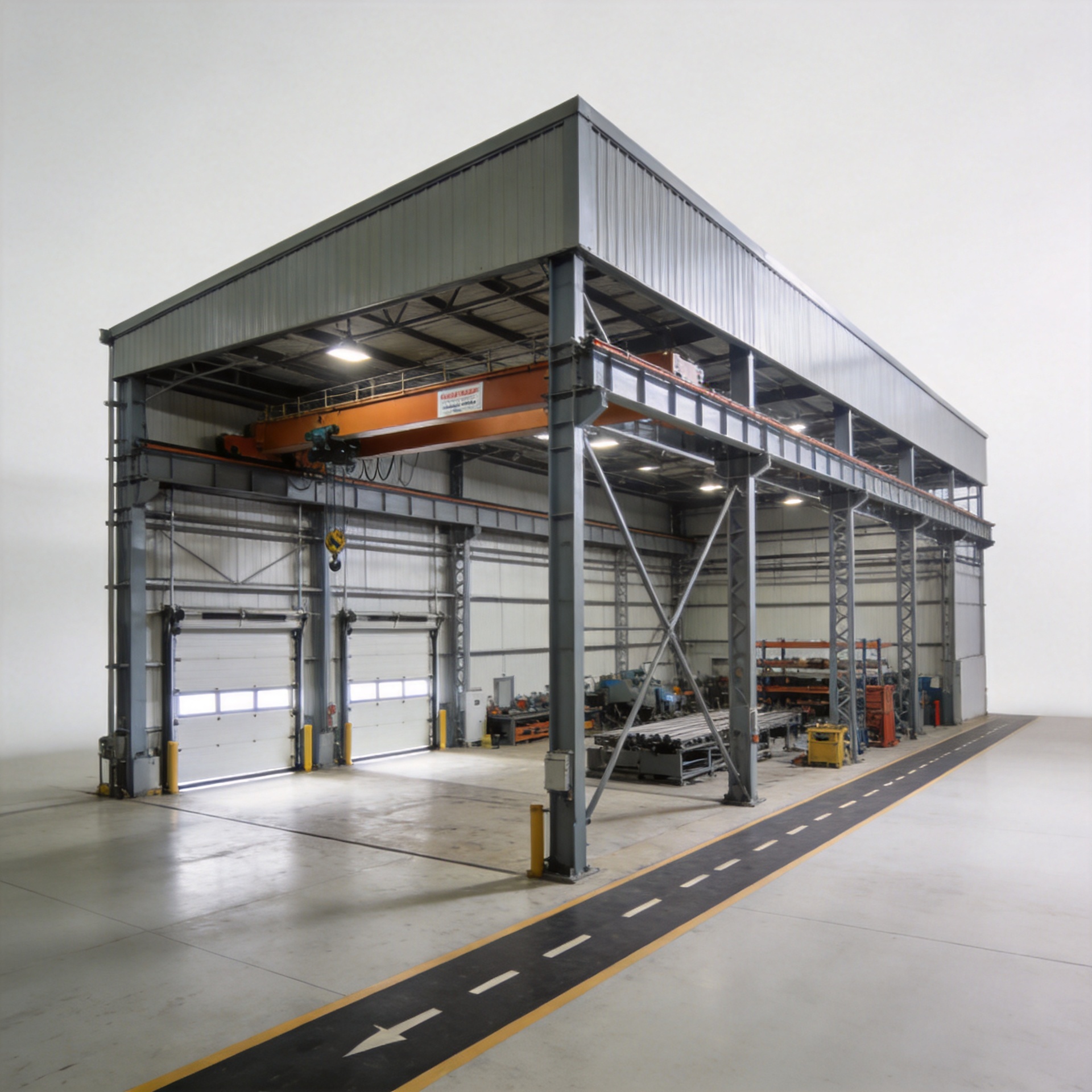
Plan a warehouse workshop steel structure with smarter zoning, flow, clear height, crane, fire, and expansion decisions.
2026/10/26
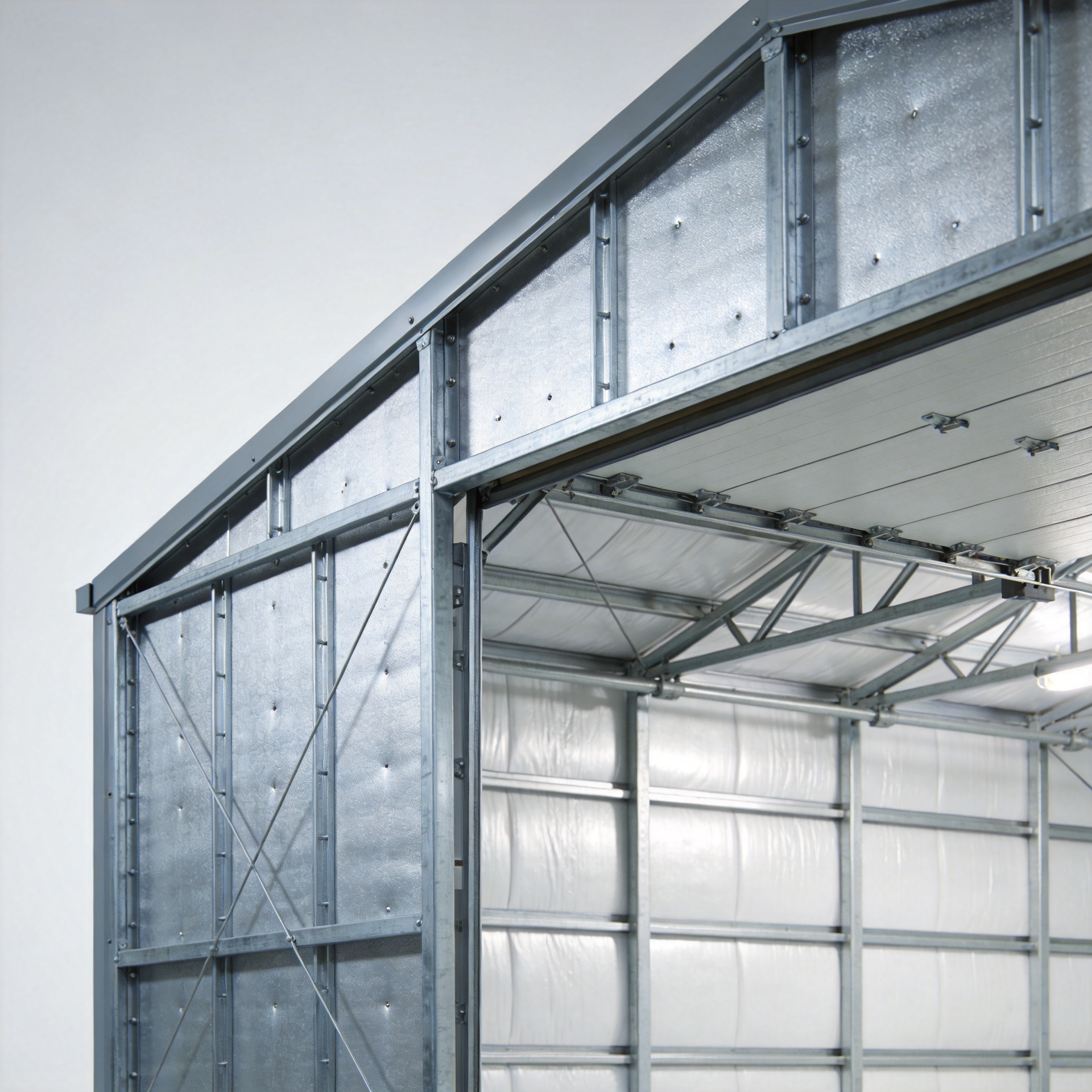
Plan a cold storage steel structure with insulation, vapor control, thermal breaks, refrigeration interfaces and corrosion-ready details.
2026/10/26
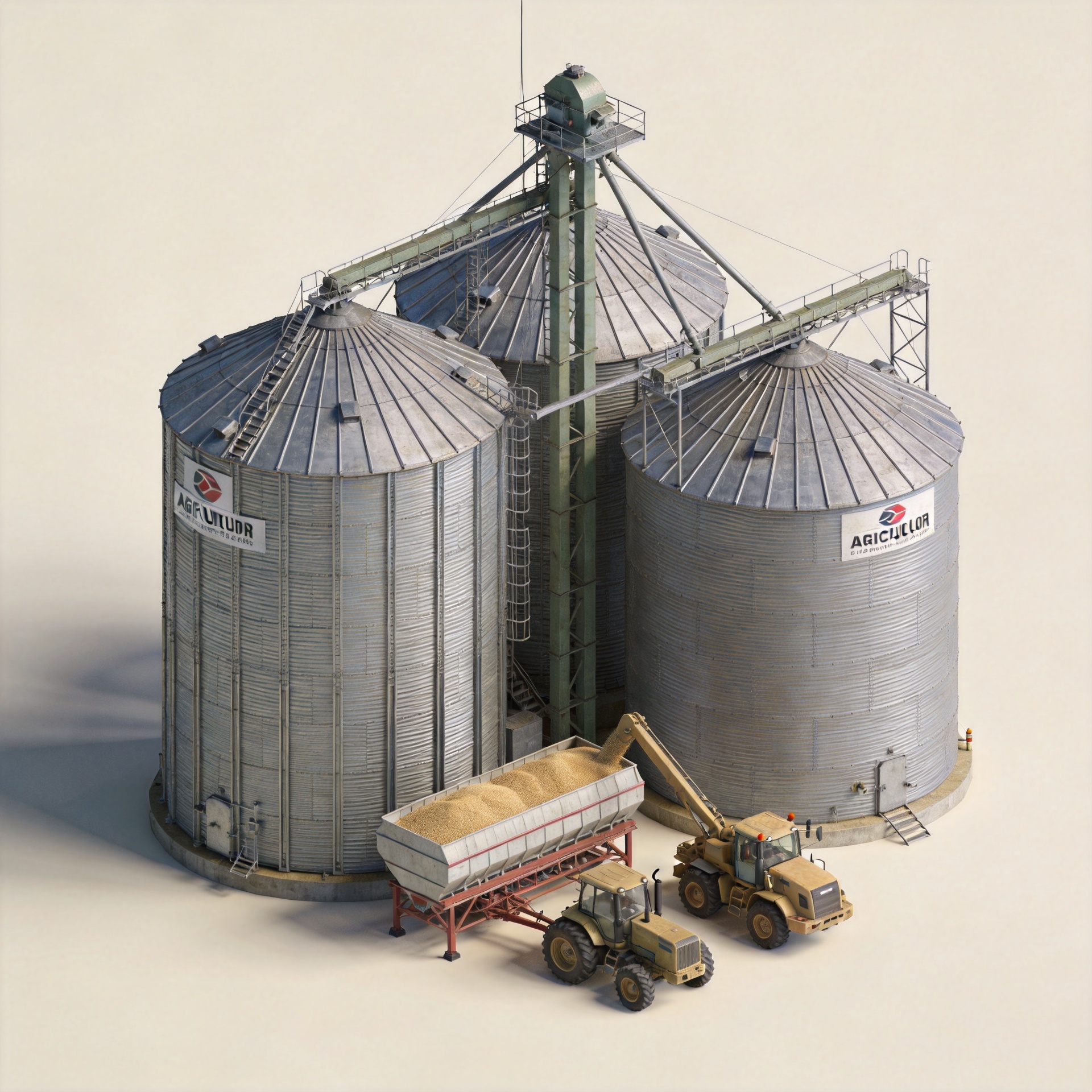
Plan an agricultural steel structure that scales from machinery barn to storage and farm logistics hub with practical design and procurement steps.
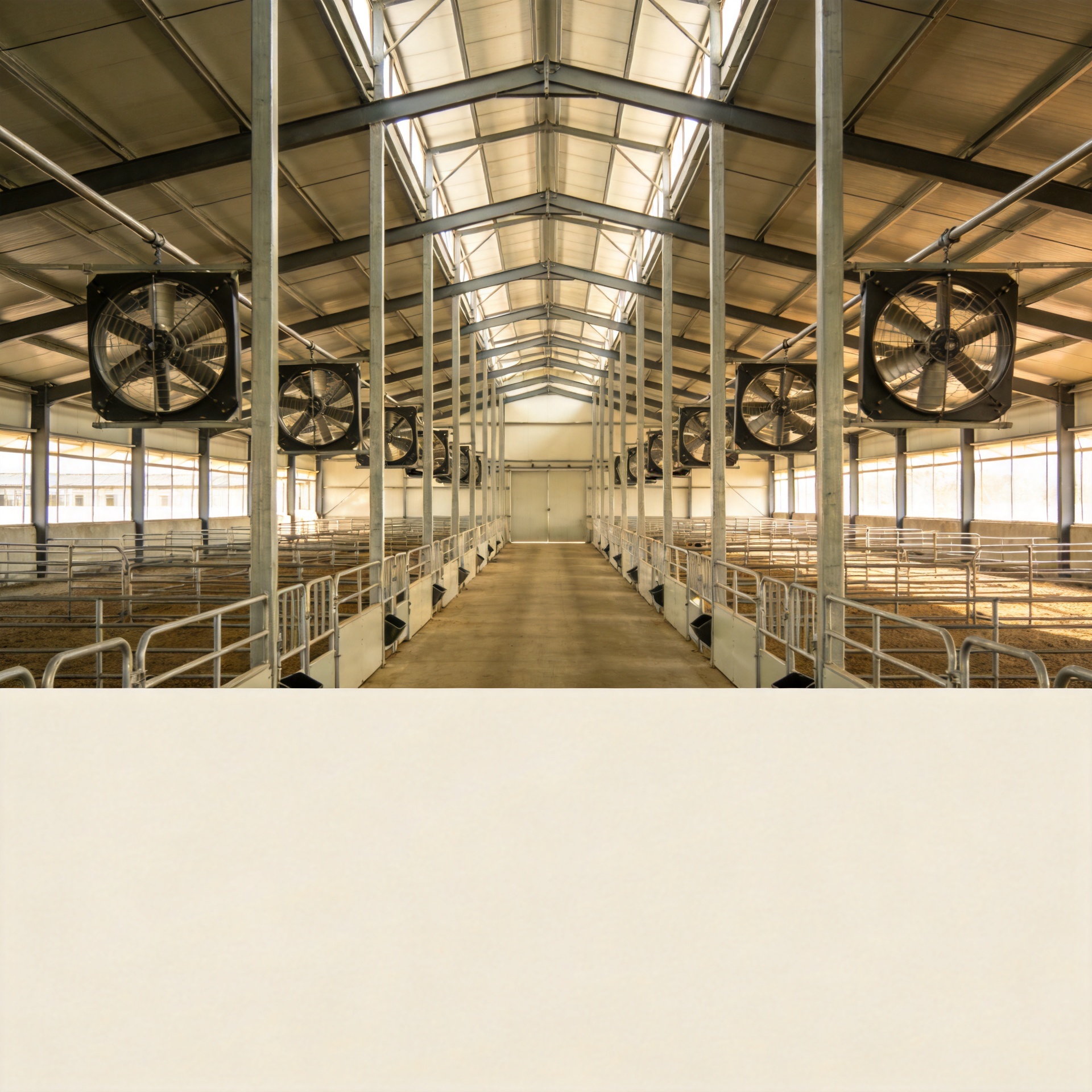
2026/10/26
Plan a livestock steel structure for welfare, corrosion resistance, fire considerations, and efficient design-to-delivery decisions.
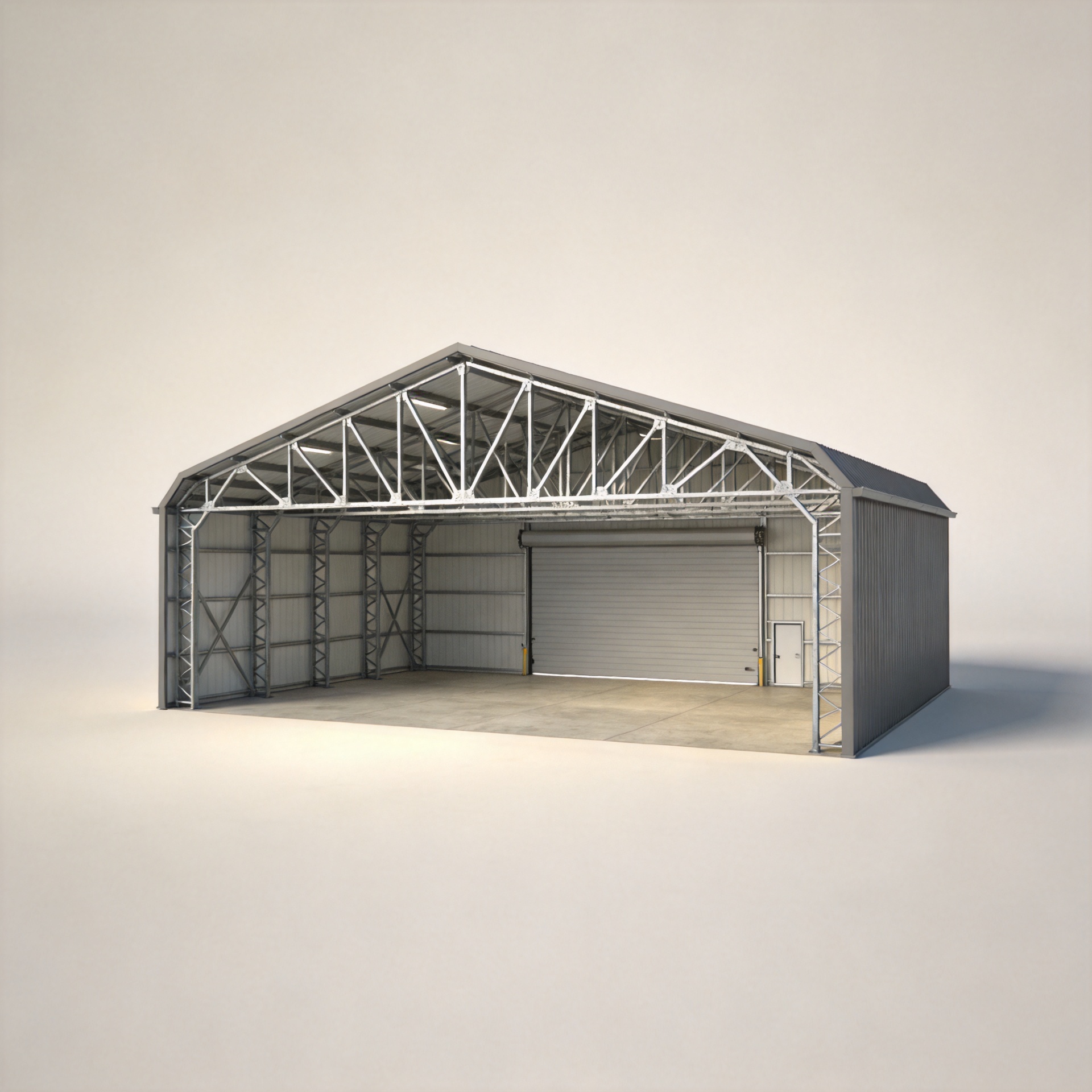
2026/10/26
Plan an aircraft steel structure for hangars and support facilities with guidance on loads, corrosion, fire, EN 1090, and delivery milestones.
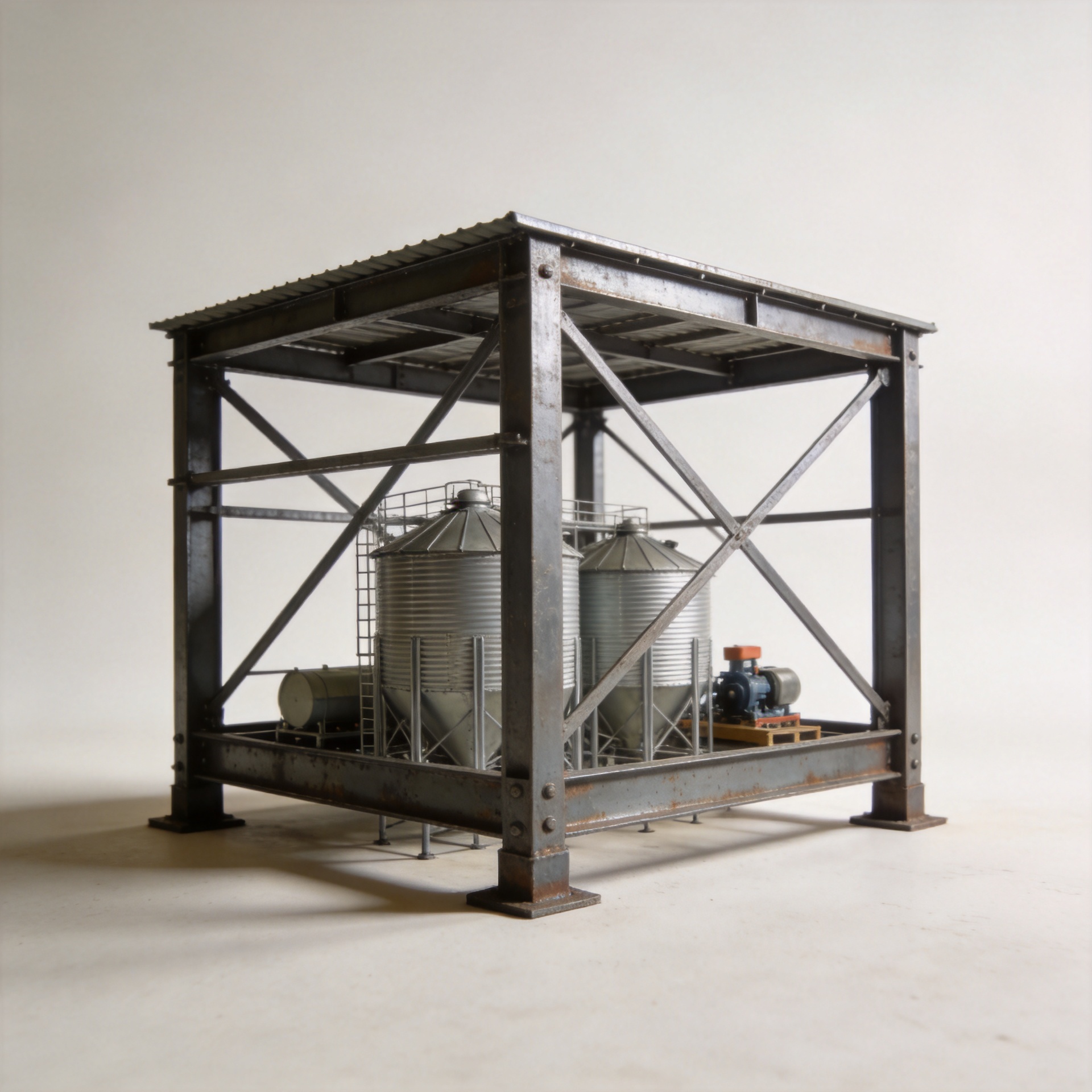
2026/10/26
Choose a farm steel structure for agricultural storage with practical guidance on loads, corrosion, compliance, and delivery planning.
