 EN
Warehouse-Workshop Steel Structures: Dual-Use Design
2026/10/26
Plan a warehouse workshop steel structure with smarter zoning, flow, clear height, crane, fire, and expansion decisions.

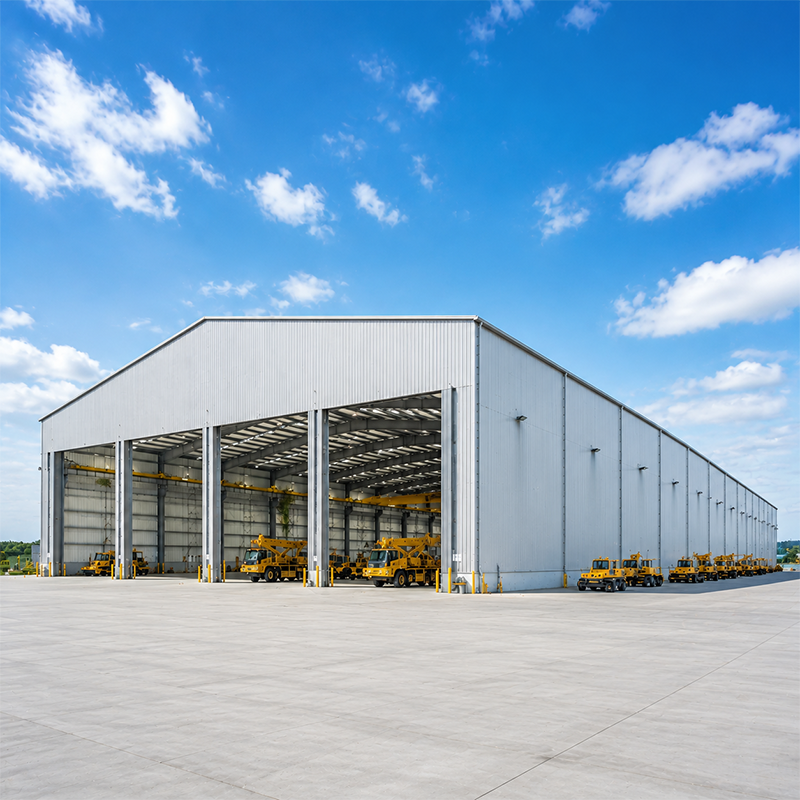
Choosing the right partner is the difference between a facility that serves a business for decades and one that drains budget on repairs. A poorly specified steel warehouse often hides weak connections, thin coatings and vague test reports that surface only after the first winter. Procurement teams that vet builders on evidence rather than price avoid most of these failures. This guide walks through the practical checks that separate a dependable manufacturer from a sales pitch.
Regulatory compliance is the first filter. Before awarding a steel warehouse contract, confirm the builder holds documented certification, because without it the structure risks rejection at the local authority and refusal by the insurer. A manufacturer may promise fast delivery, but a sales deck means nothing against a code officer.
A compliant steel warehouse starts with EN 1090, the European standard that governs how load-bearing steel components are manufactured and CE marked. EN 1090 sets requirements for traceability, welding procedure qualification and factory production control. Paired with ISO 9001, which governs the quality management system, a buyer gains confidence that every beam carries documented origin and test data. ISO 3834 complements these by defining welding quality requirements for steel structures. Together they form the baseline that serious export builders hold.
Ask for the actual certificate numbers and the execution class, not a brochure claim. For the steel warehouse scope, EN 1090 execution classes range from EXC1 to EXC4, with warehouses typically requiring EXC2 or EXC3 depending on span and public access. ISO 3834 certification shows the shop controls fusion welding through qualified welders, procedure tests and recorded inspection. Request the mill certificates for the steel grade, whether Q355B, Q355D or Q420B high-strength steel, since low-temperature sites need the D grade for impact toughness. A builder that hesitates to share these files signals deeper process gaps.
Certificates prove capability on paper; completed buildings prove it in the field. A finished steel warehouse shows how a manufacturer handles real loads, local codes and delivery promises. Reference projects reveal the gap between a quote and a working facility.
Request three references with similar footprint and height to the planned build. A 12,000 m² grain storage and an e-commerce fulfilment center impose different demands on clear span, racking loads and dock doors. Study photos of the delivered steel warehouse envelope, the sandwich panel joints and the roof panel drainage slope. Ask whether the steel frame was delivered pre-engineered and bolted with 10.9S high-strength bolts, since full bolted connection speeds erection. Genuine manufacturers publish project lists with owner names and locations.
Demand the calculation pack: wind load, snow load, crane load if any, and the foundation reaction drawings. A reliable warehouse builder supplies a portal frame model with clear-span options up to 60 m and confirms the steel warehouse mezzanine or racking layout with the structural engineer. Verify the purlin schedule, the C&Z galvanized sections and the column rafter sizes. Missing or generic drawings usually mean the shop outsourced engineering or skipped the FEA check that confirms safety under combined loads.
Papers travel easily; the production floor tells the truth. A short visit or live video walkthrough exposes the gap between marketing and reality.
Look for CNC cutting machines, robotic welding cells and a dedicated coating bay. CNC cutting keeps member lengths within tolerance so bolt holes line up on site. Robotic welding delivers repeatable, low-defect seams. Check the anti-corrosion process: hot-dip galvanizing for secondary members and glass flake coating for aggressive environments extend service life. Confirm the steel structure carries a lamellar Z-direction test for thick plates where through-thickness stress occurs, preventing lamellar tearing at welded joints.
Quality control should be visible, not promised. Inspect the incoming material inspection, the dimensional check station and the non-destructive testing records for critical welds. A mature fabrication shop tags each component and traces it to the heat number. Ask how ISO 3834 records are kept and whether AISC or MBMA references were applied for North American buyers. OSHA-aligned site safety during erection reflects how disciplined the team is when the steel building reaches the client's ground.
The lowest quote loses value when spare parts, drawings and inspection guidance vanish after payment.
Clarify what the manufacturer supplies after handover: as-built drawings, the bill of materials for future expansion, and a stock of identical 10.9S bolts and cladding clips. A dependable steel warehouse manufacturer keeps the digital model so a later bay addition matches the original frame. Confirm lead time for replacement sandwich panel or roof panel sections. These details protect operations when a forklift dent or storm damage needs a fast, matching repair from the same source.
Steel lasts longest when inspected on a schedule. Plan a yearly visual check of the envelope, the drainage paths and the bolted connections, and a five-year coating review in corrosive or coastal sites. Cold storage and logistics hubs near salt air need more frequent anti-corrosion touch-ups. Keep a log of findings and reapply glass flake or galvanized repair compound at early rust spots. This disciplined care, paired with the builder's original QA records, keeps the structure safe and insurable.
Selecting a dependable steel warehouse manufacturer is less about the headline price and more about verifiable proof. Certifications such as EN 1090, ISO 9001 and ISO 3834 establish a compliant baseline, while reference projects and a factory audit confirm the shop can deliver what the drawings promise. Strong after-sales support and a clear maintenance plan protect the asset for decades. Buyers who apply these checks consistently reduce risk and avoid rework.
What certifications should a warehouse manufacturer hold?
Answer: A credible steel warehouse builder should hold EN 1090 for CE-marked structural steel, ISO 9001 for quality management, and ISO 3834 for welding control. These certificates confirm traceable materials, qualified welders and documented factory production control. For North American projects, AISC and MBMA references add assurance. Always request the actual certificate numbers and execution class rather than brochure claims, since compliance protects the building at inspection and insurer review.
Why is a factory audit important before placing an order?
Answer: A factory audit verifies that claimed capabilities exist on the production floor. The visit exposes CNC cutting accuracy, robotic welding cells and the coating bay that determine real quality. It also confirms whether ISO 3834 records and material traceability are maintained in practice. Photographs and live walks reveal gaps that sales decks hide. Scheduling the audit before signing protects the buyer from shops that outsource engineering or lack the discipline to deliver a compliant frame on time.
How are load capacities and spans verified for a build?
Answer: Load verification relies on a calculation pack covering wind, snow and crane loads plus foundation reactions. A structural engineer models the portal frame and runs an FEA check under combined loads, then issues the purlin schedule, C&Z sections and column rafter sizes. Buyers should request these drawings and confirm clear-span options up to 60 m. Generic or missing documents usually mean skipped analysis, which raises the risk of deflection, connection failure or rejection by the local code authority.
Which coating system suits a coastal or corrosive site?
Answer: Coastal and corrosive sites demand robust anti-corrosion. Hot-dip galvanizing protects secondary members and C&Z purlins, while glass flake coating shields primary steel in aggressive environments. Match the system to the exposure class and keep the original specification on file so repairs stay consistent years later. A yearly envelope and drainage check, plus a five-year coating review, catches early rust before it spreads. Reproducible compounds let crews reapply galvanized or glass flake repair quickly.
When should a warehouse structure be inspected after handover?
Answer: Inspect the structure yearly for envelope condition, drainage paths and bolted connection tightness, and perform a deeper coating review every five years in corrosive or salt-air locations. Cold storage and logistics hubs near coastlines need more frequent anti-corrosion touch-ups. Keep a written log of findings and pair it with the builder's QA records. Regular, documented inspection preserves safety, supports insurance renewal and extends the service life of the frame for decades.
2026/10/26
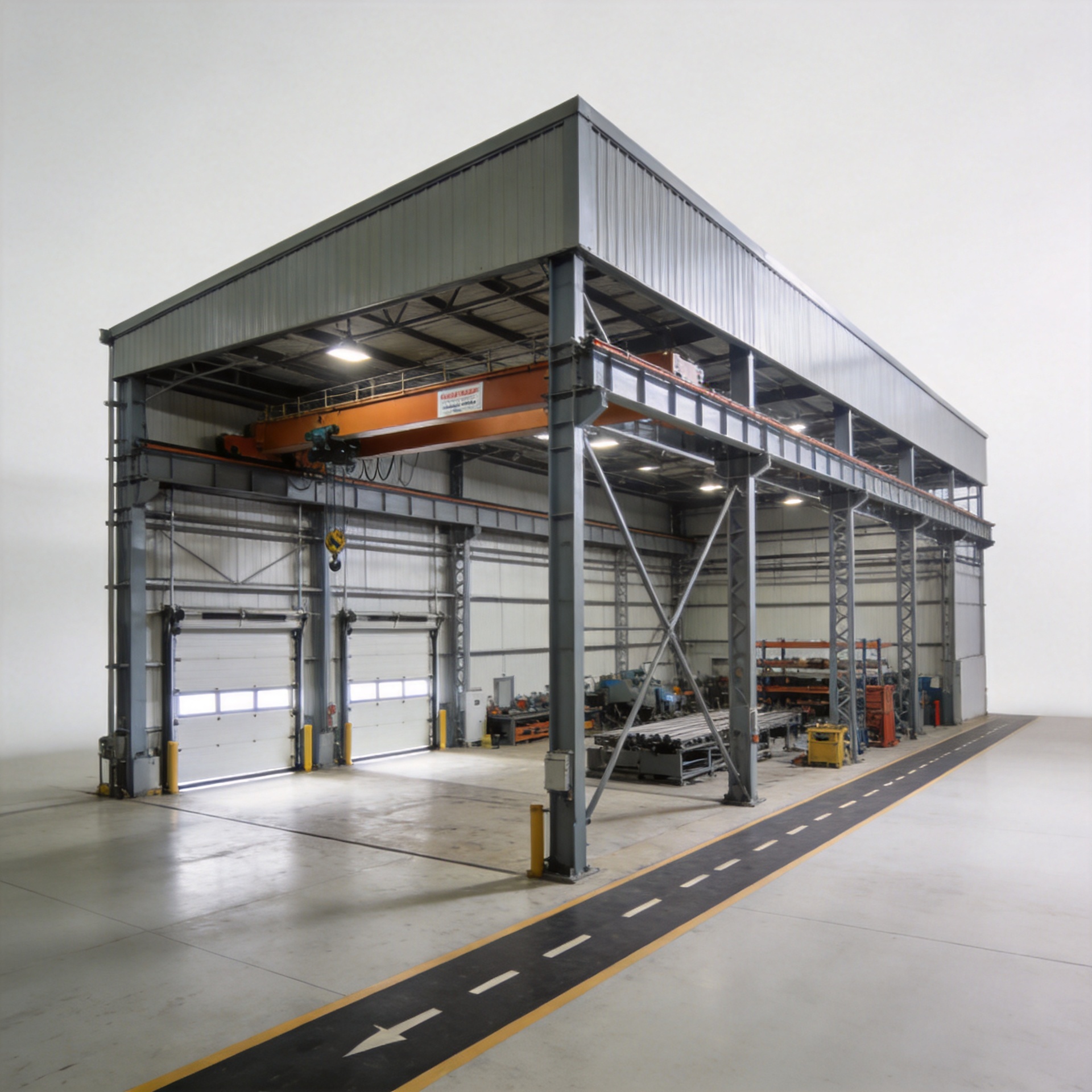
Plan a warehouse workshop steel structure with smarter zoning, flow, clear height, crane, fire, and expansion decisions.
2026/10/26
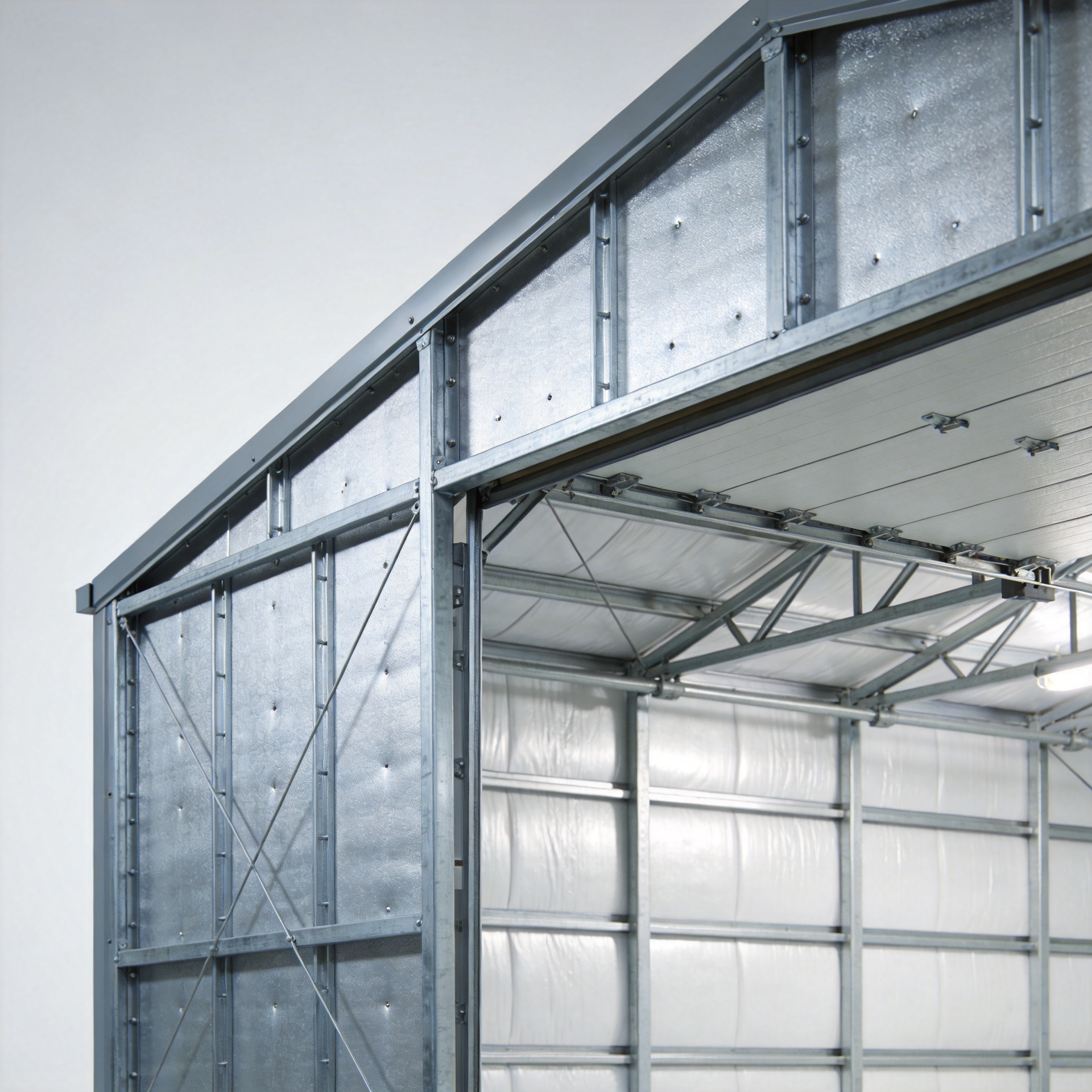
Plan a cold storage steel structure with insulation, vapor control, thermal breaks, refrigeration interfaces and corrosion-ready details.
2026/10/26
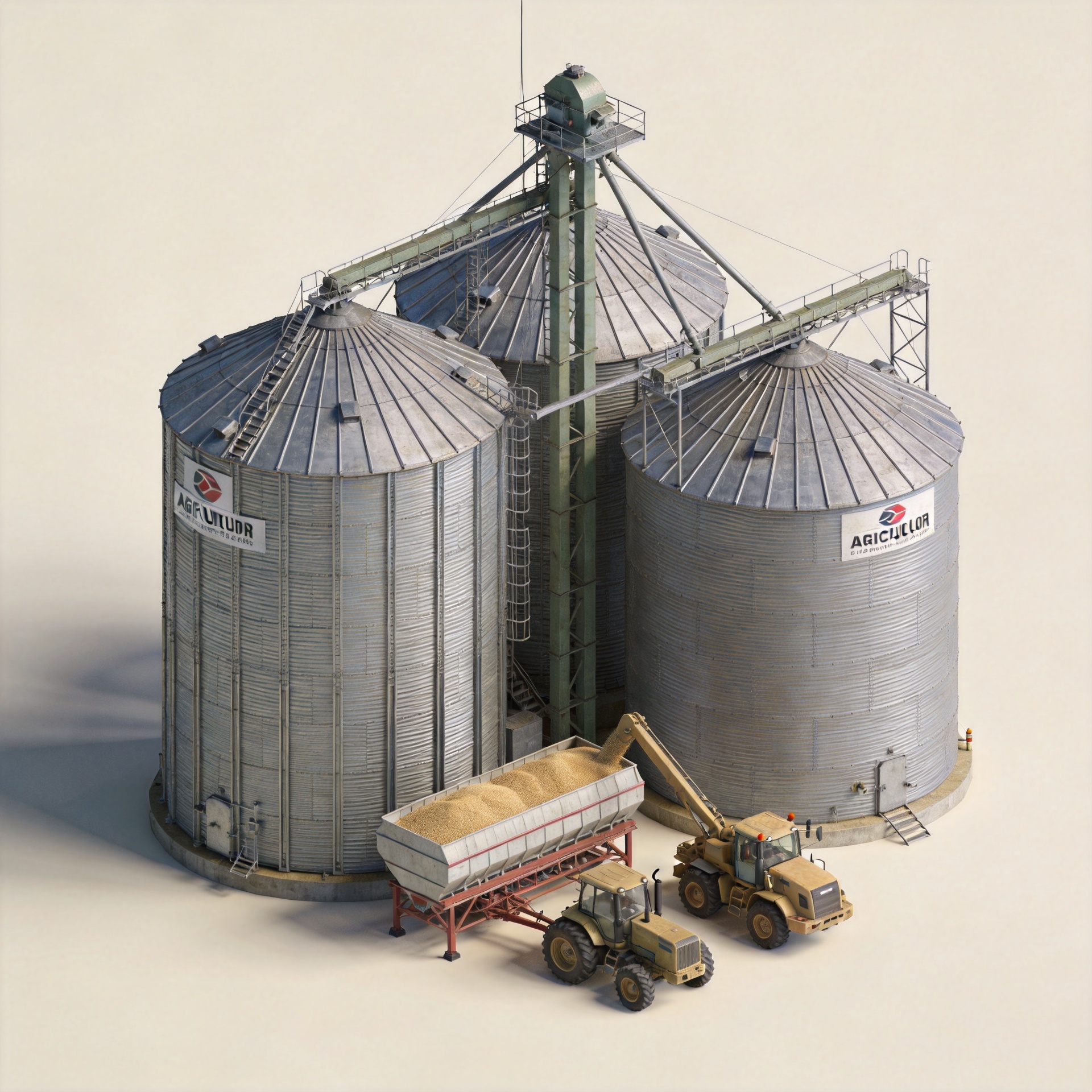
Plan an agricultural steel structure that scales from machinery barn to storage and farm logistics hub with practical design and procurement steps.
2026/10/26
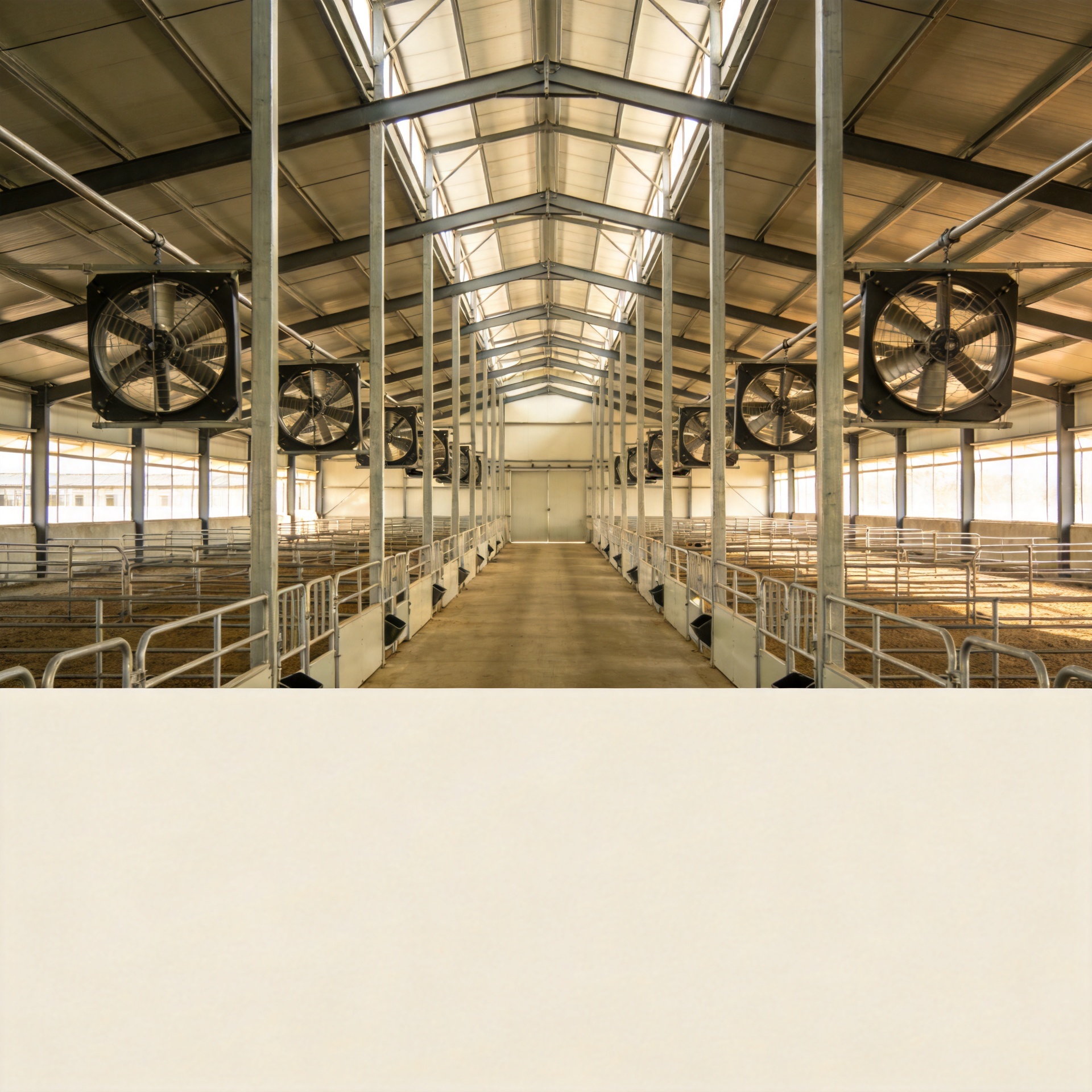
Plan a livestock steel structure for welfare, corrosion resistance, fire considerations, and efficient design-to-delivery decisions.
2026/10/26
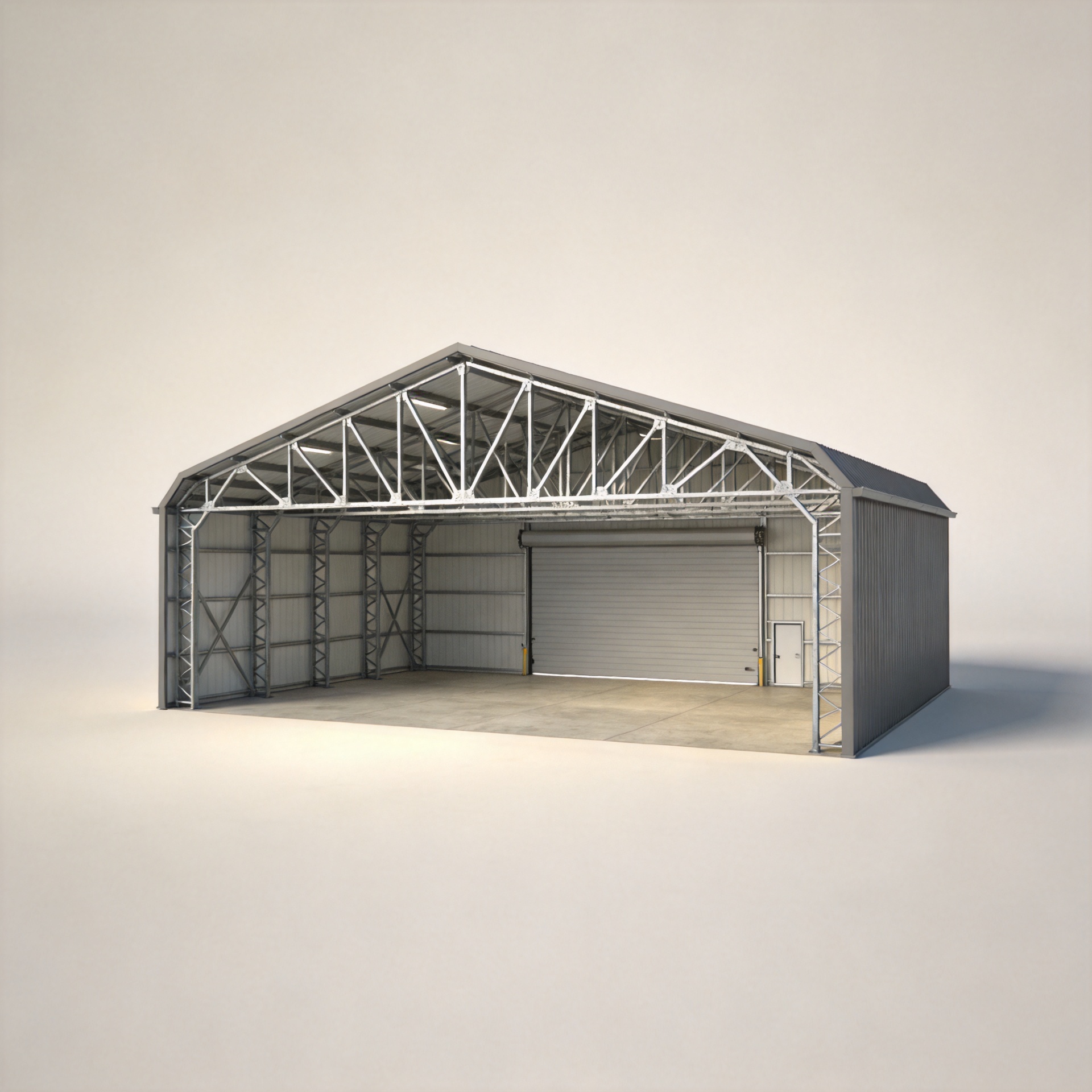
Plan an aircraft steel structure for hangars and support facilities with guidance on loads, corrosion, fire, EN 1090, and delivery milestones.
2026/10/26
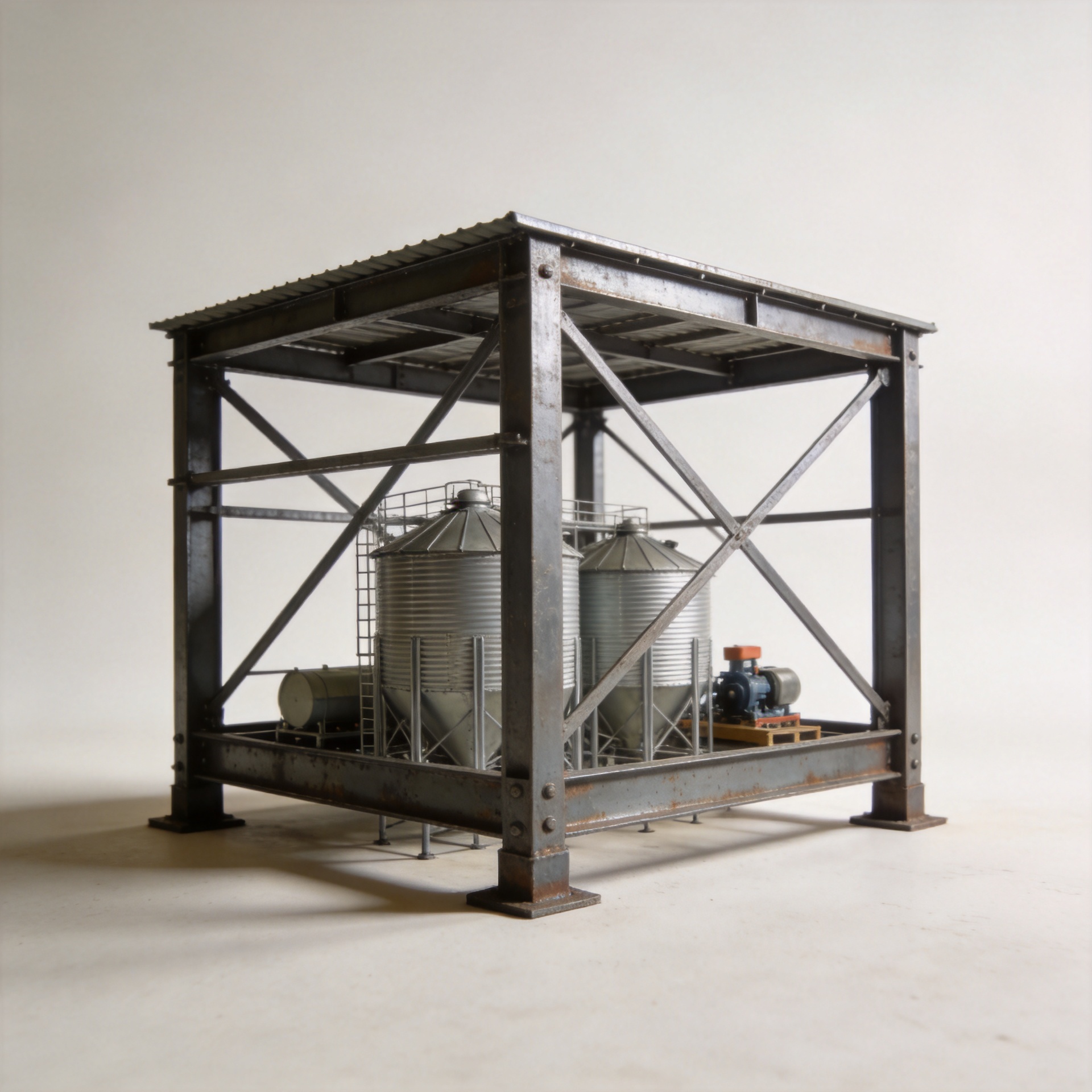
Choose a farm steel structure for agricultural storage with practical guidance on loads, corrosion, compliance, and delivery planning.
