 EN
Warehouse-Workshop Steel Structures: Dual-Use Design
2026/10/26
Plan a warehouse workshop steel structure with smarter zoning, flow, clear height, crane, fire, and expansion decisions.

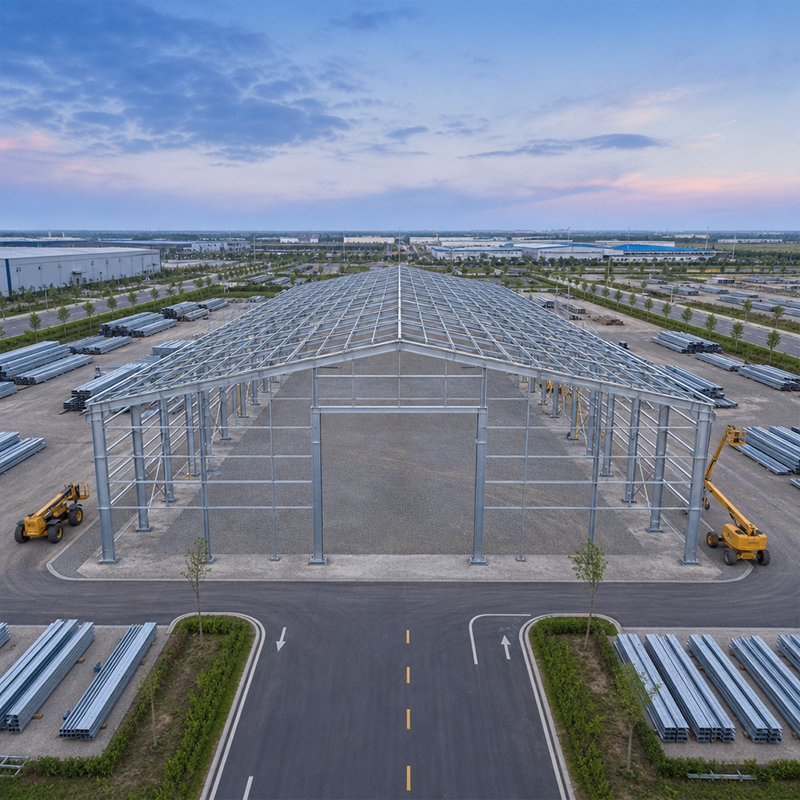
Structural steel behaves as a connected load path, so steelwork construction starts long before any cutting machine runs. Engineers model dead loads, live loads, wind pressure, and seismic forces, then translate those forces into member sizes, connection types, and bracing layouts. A portal frame, for example, carries roof load down the rafters to the columns and finally into the foundation through anchor bolts. IBC and MBMA guide the load combinations used for such frames. Getting this model right is the biggest factor in safety and cost, because a late change forces rework across shop and site.
Material choice follows the structural model. Q355B and Q355D grades suit most industrial frames, while Q355B-Z35 resists lamellar tearing where thick plates meet at heavy nodes. Connections favor 10.9S high-strength bolts for field bolt-up because bolted joints accelerate erection and simplify later dismantling or relocation. The design team also fixes tolerances, bolt grades, and weld classes so the shop and the site operate from one shared language. Clear material specification is where steelwork construction gains its predictability, since ambiguous notes invite substitution and on-site arguments that stall the program.
Modern shops cut plates and sections on CNC machines for repeatable accuracy, then join them with robotic welding cells that hold heat input steady. Steady heat limits distortion and produces consistent fillet and butt welds across long production runs. ISO 3834 defines the welding quality requirements that govern procedure qualification, welder certification, and traceability of consumables from batch to weld map. Fit-up and dimensional checks confirm pieces match the drawing before they leave the bay. A disciplined fabrication line is what lets a prefabricated building arrive on site ready to bolt, and it is the stage where steelwork construction quality is truly locked in before the structure ever leaves the factory.
After welding, members move to surface treatment. Hot-dip galvanizing or glass flake coating protects steel in humid, coastal, or corrosive duty, and coating thickness is measured against the project specification after blast cleaning to Sa 2.5. Each piece is then marked with its erection number and packed so the delivery sequence matches the lift plan. Good marking prevents the costly confusion of a beam sent to the wrong bay. CE marking and the relevant EN 1090 execution class are recorded at this gate, because the declared class drives the inspection intensity applied at every later quality checkpoint. Proper packing also prevents transit damage on long export routes.
Erection cannot begin until the concrete foundation and embedded anchor bolts are verified against the shop drawings. Surveyors check bolt position, elevation, and projection because a 20 mm offset can block a column base or force dangerous field correction. Concrete must reach its specified strength before loads are applied.
On one grain storage project in Shenyang, the team pre-drilled base plates on CNC machines and trial-fitted frames in the 12,000 m² workshop before shipment. A total-station survey of the cast anchor bolts caught two positions outside tolerance, which were corrected in the shop rather than on site. The structure then erected without a single field modification and passed EN 1090 acceptance on schedule. This stage is a classic handoff risk: a fabrication error is cheap to fix in the shop but expensive once concrete has cured. Successful steelwork construction depends on treating the foundation survey as a formal release, signed off before the first crane is booked, so the program starts from proven geometry.
Cranes lift primary frames into place while crews plumb, brace, and then tighten high-strength bolts to the specified torque. Temporary bracing carries loads until the frame is self-stable, and tight tolerance control keeps subsequent cladding and roofing square. Safe lifting follows OSHA and local site rules, with rated slings, certified riggers, and exclusion zones beneath the load. In steelwork construction the bolt-up phase is where the model becomes reality, so crews confirm bolt grade, washer orientation, and nut rotation rather than trusting appearance alone. Crane selection also matters, because an undersized unit slows the whole sequence.
A credible steelwork construction project leaves a paper trail, not just a finished building. Mill certificates, weld maps, coating thickness logs, and the EN 1090 declaration of conformity should pass from fabricator to owner at handover. ISO 9001 systems give buyers confidence that these records are produced by routine process rather than assembled after the fact. Retaining them supports future modification, resale, insurance review, and any later structural appraisal, which is why organized handover documentation is a sign of a mature supplier. Buyers should request the full dossier before final payment, not after.
Steel structures ask for little but reward routine care. Inspect coatings every one to two years, touch up scratches before rust spreads, and keep drainage clear so water never ponds on the deck. Check bolt tension on crane-runway frames after the first heavy season, and re-tighten any that have relaxed. Galvanized members rarely need repaint, while exposed painted steel needs earlier attention. A simple log of findings turns scattered checks into a useful asset record. Practical maintenance is how steelwork construction protects its value long after the contractor has left the site, and it keeps costly repairs away.
Steelwork construction succeeds when design, fabrication, and erection are treated as one continuous system instead of separate jobs. Buyers who verify certifications, watch the fabrication-to-erection handoff, and keep basic maintenance records receive buildings that perform for decades with low lifecycle cost.
Question
What quality documents should accompany a structural steelwork package at handover?
Answer: Mill certificates, weld procedure records, coating thickness logs, and the EN 1090 declaration of conformity form the core handover dossier for any steelwork construction project. ISO 9001 registered suppliers issue these by routine process rather than assembling them late. Buyers should request the full set before final payment and store it with the building file. Organized records support future modification, insurance review, and resale, and they prove the steel structure fabrication was controlled from the first cut.
Question
How is steel structure fabrication quality controlled before delivery?
Answer: Shops cut on CNC machines and weld with robotic cells that keep heat input steady, limiting distortion. ISO 3834 governs welder certification, procedure qualification, and consumable traceability from batch to weld map. After welding, blast cleaning and coating thickness checks confirm corrosion protection meets spec. Dimensional fit-up is verified before members leave the bay, so field errors are caught early. In en 1090 steelwork, this discipline is audited, not optional, and it is what makes steel erection predictable on site.
Question
When should the foundation be released for steel erection?
Answer: The concrete foundation and embedded anchor bolts must be surveyed against the shop drawings before any crane is booked. Bolt position, elevation, and projection are checked, and concrete must reach its specified strength. A 20 mm bolt offset can block a column base or force dangerous field correction, so this release is a formal sign-off, not a casual glance. For structural steelwork, this survey is the first quality gate that protects the whole steel erection sequence.
Question
Which certificate proves a structural steelwork package meets EU rules?
Answer: The EN 1090 declaration of conformity with CE marking proves a structural steel component meets EU construction product rules for its execution class. ISO 3834 backs the welding quality behind that claim. Buyers exporting to Europe should confirm the declared class matches the project risk and request the certificate before shipment. This documentation is what customs and local authorities expect at import. For en 1090 steelwork, the declared execution class must align with the steelwork construction risk category, and any mismatch can stop the shipment.
Question
Why does steelwork construction favor bolted connections over field welding?
Answer: Bolted connections let crews erect faster and avoid weather-dependent welding at height. Ten-point-nine-S high-strength bolts give repeatable, inspectable joints that simplify later dismantling or relocation. Field welding needs certified procedures, protection from wind and rain, and skilled labor on site, which raises risk and slows the program. For most industrial frames, bolting is the safer, more predictable choice, and it keeps steel erection on schedule while preserving the traceability that steel structure fabrication and en 1090 steelwork require.
2026/10/26
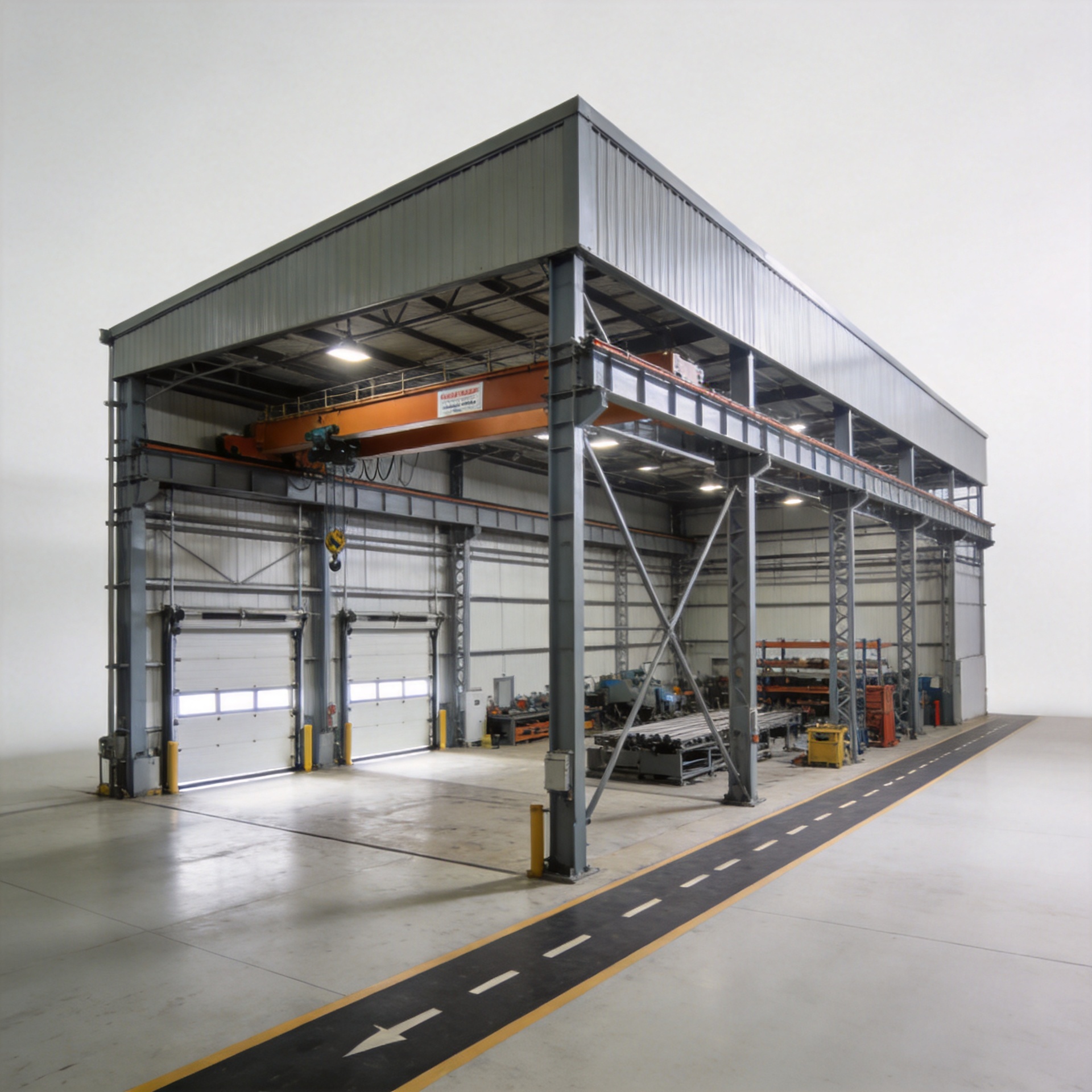
Plan a warehouse workshop steel structure with smarter zoning, flow, clear height, crane, fire, and expansion decisions.
2026/10/26
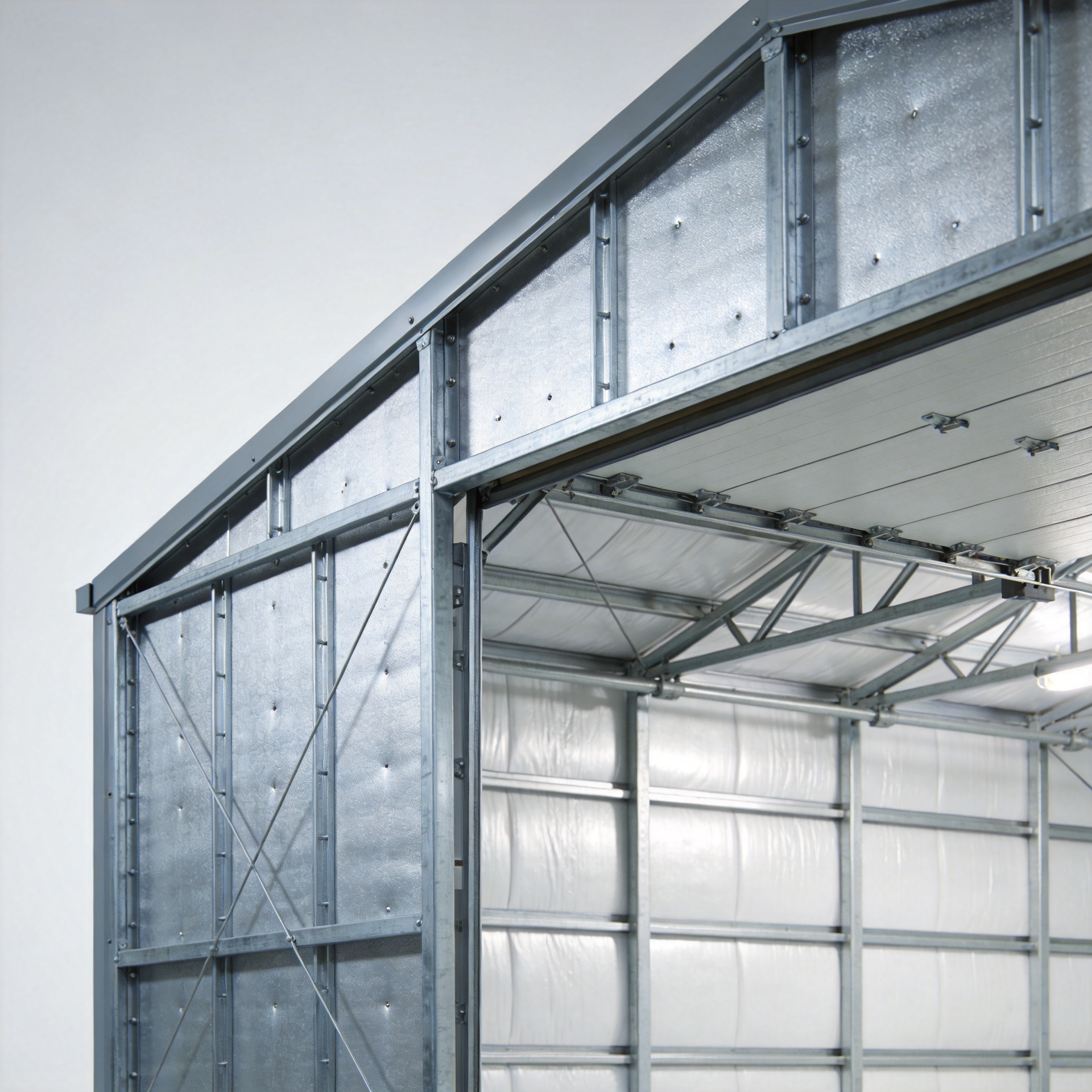
Plan a cold storage steel structure with insulation, vapor control, thermal breaks, refrigeration interfaces and corrosion-ready details.
2026/10/26
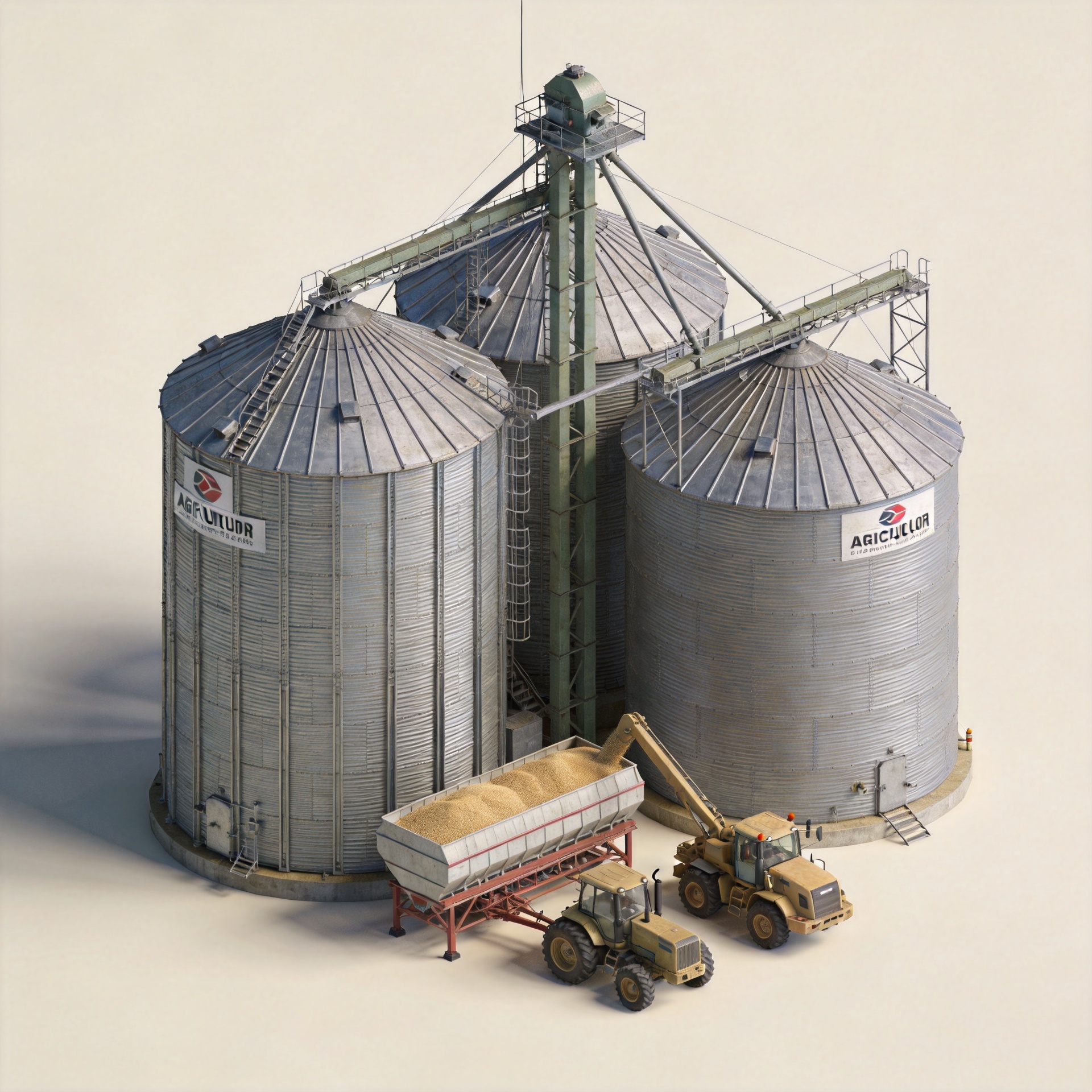
Plan an agricultural steel structure that scales from machinery barn to storage and farm logistics hub with practical design and procurement steps.
2026/10/26
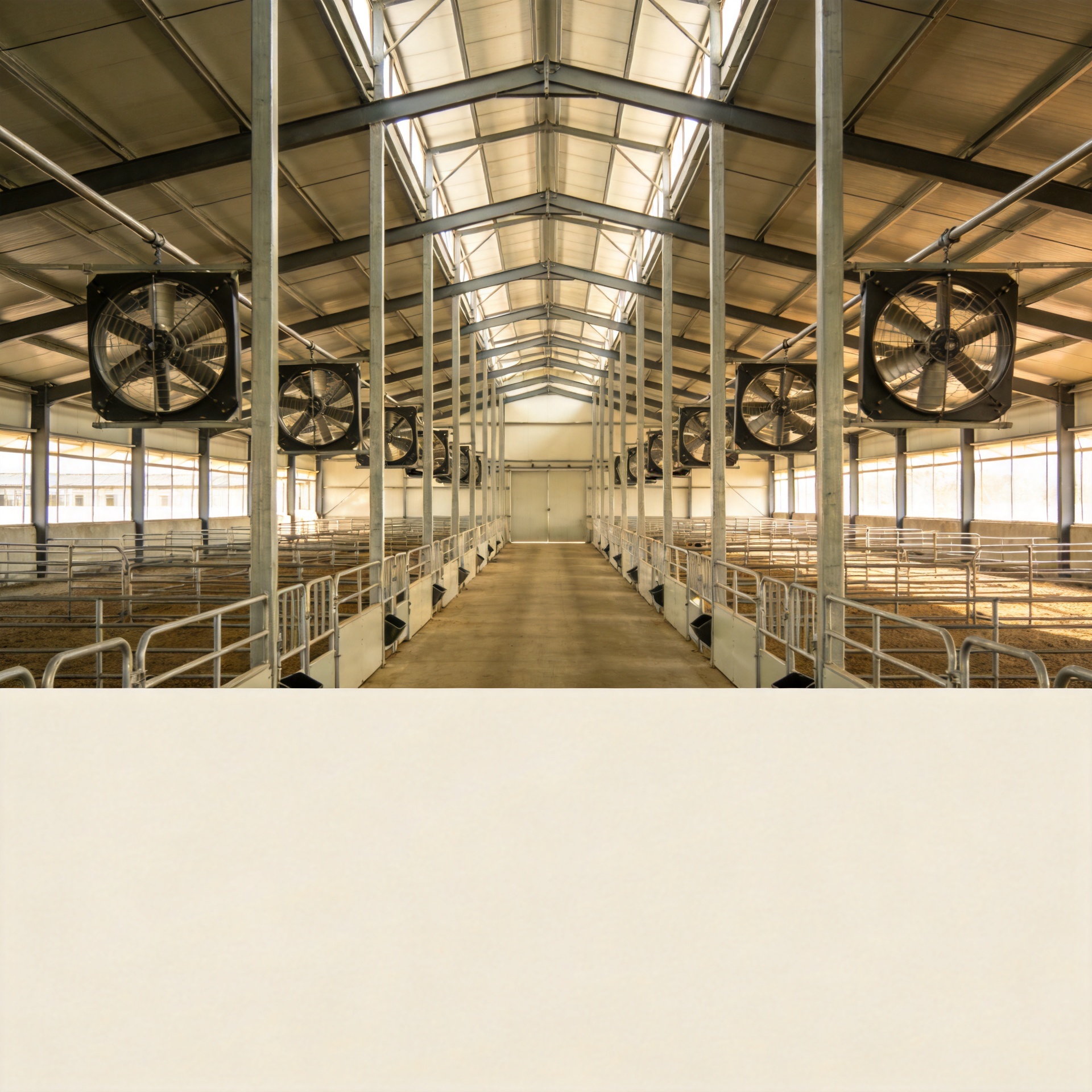
Plan a livestock steel structure for welfare, corrosion resistance, fire considerations, and efficient design-to-delivery decisions.
2026/10/26
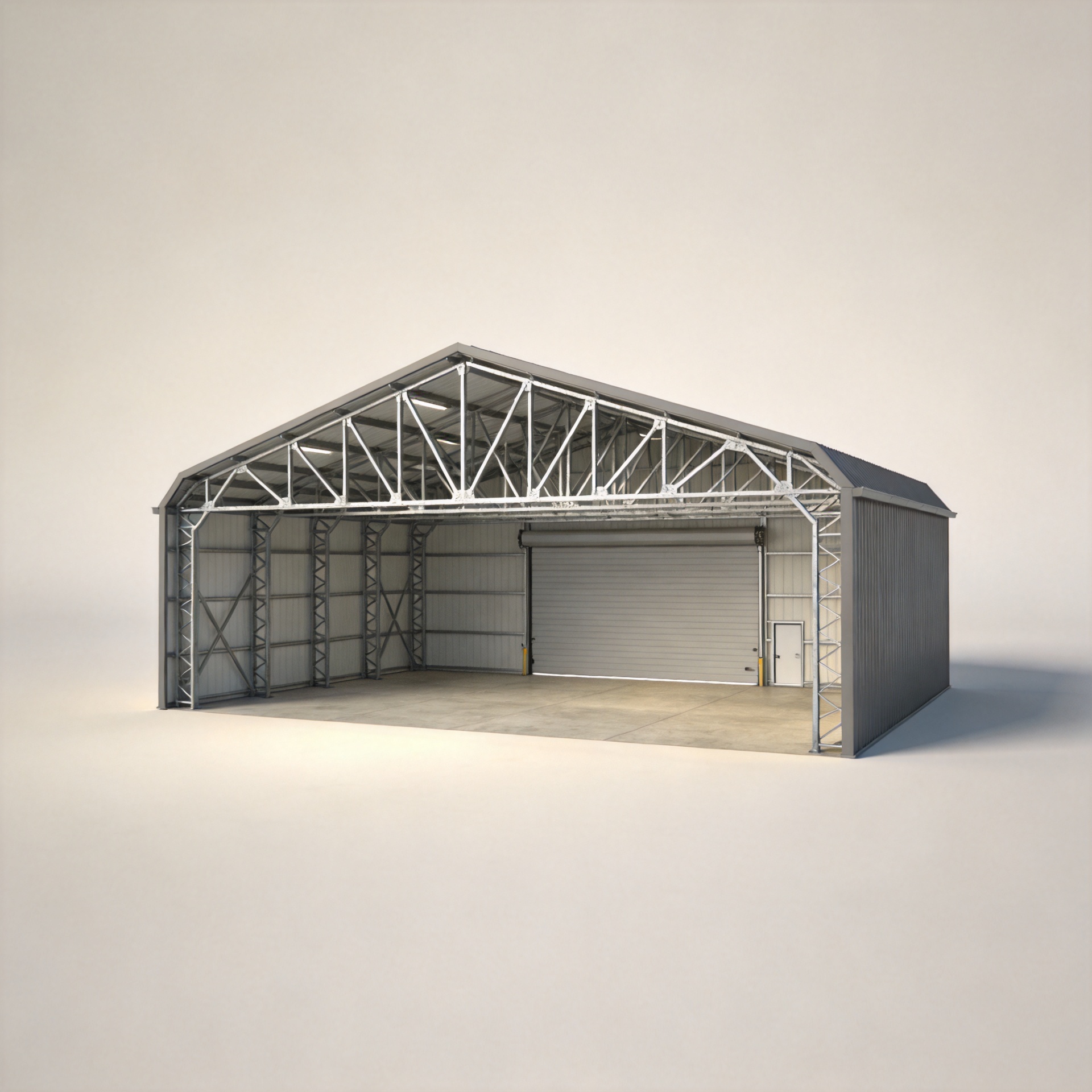
Plan an aircraft steel structure for hangars and support facilities with guidance on loads, corrosion, fire, EN 1090, and delivery milestones.
2026/10/26
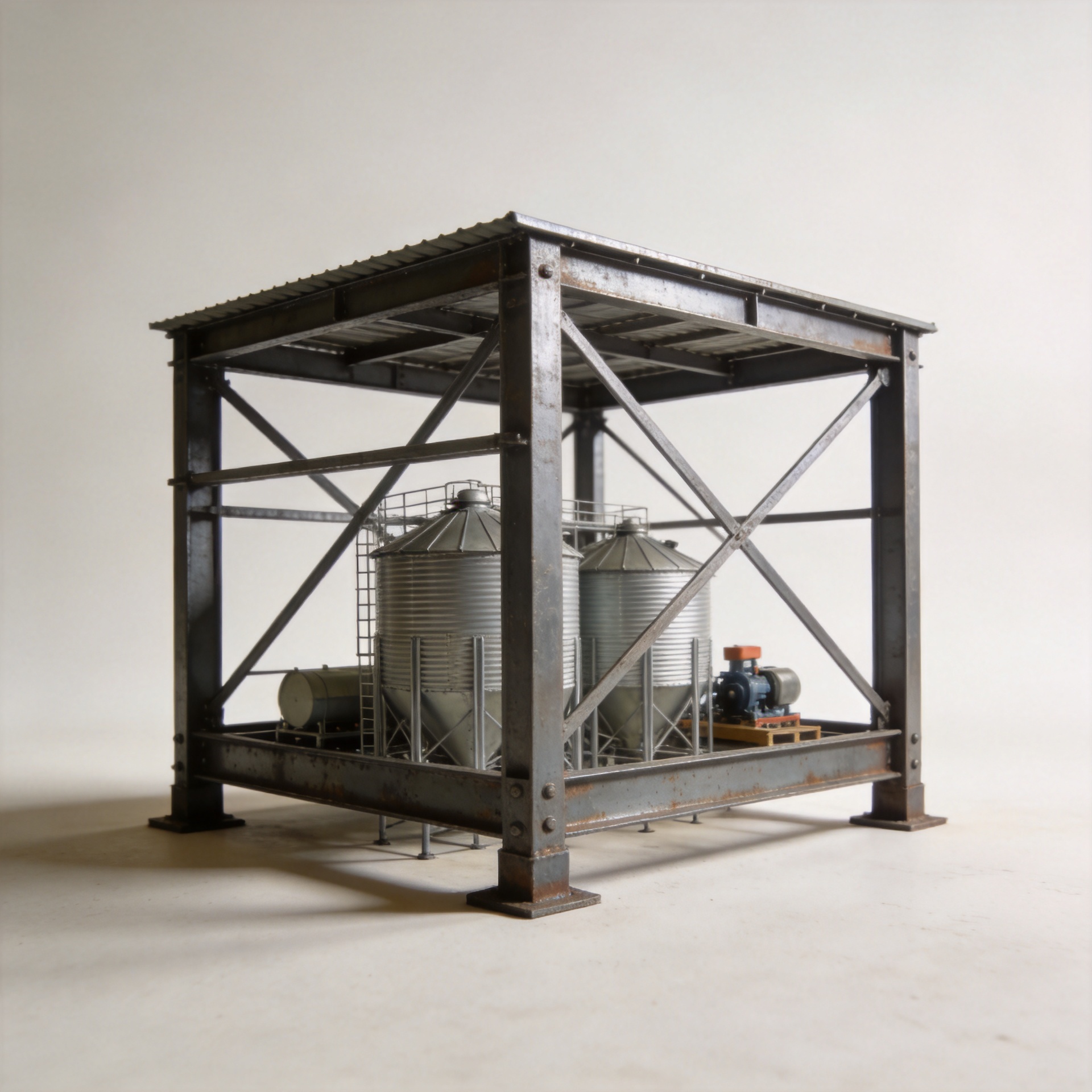
Choose a farm steel structure for agricultural storage with practical guidance on loads, corrosion, compliance, and delivery planning.
