 EN
Warehouse-Workshop Steel Structures: Dual-Use Design
2026/10/26
Plan a warehouse workshop steel structure with smarter zoning, flow, clear height, crane, fire, and expansion decisions.

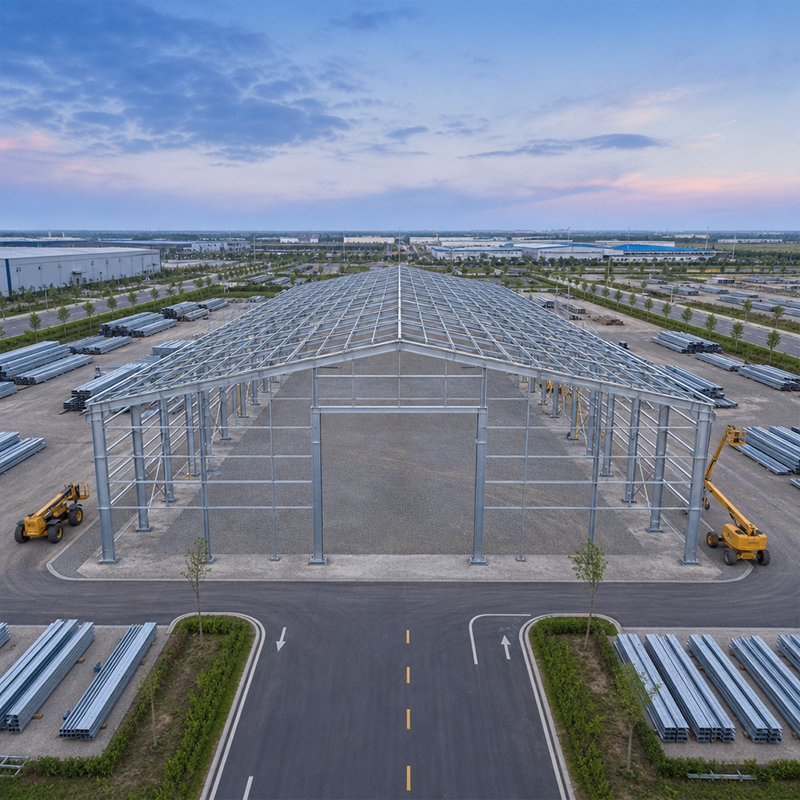
A factory steel structure does more than shelter machines; it shapes how a production line flows, how cranes move, and how the building absorbs vibration and load for decades. Procurement teams that treat the frame as a passive shell often discover later that bay spacing, crane runways and floor stiffness decide output. This guide walks through the choices that turn a raw envelope into a reliable production hall, using real plant lessons from heavy-industrial builds.
Selecting the right factory steel structure starts with the process, not the catalog. A machining shop needs narrow bays near power and coolant lines, while an assembly hall wants wide, uninterrupted floor. The crane beam and runway must align with the heaviest lift path so the overhead unit never fights the column grid. When the frame follows the workflow, material handling time drops and aisle congestion disappears. A poorly matched bay grid forces permanent compromises in layout that no later retrofit can fix cheaply.
Heavy presses and CNC lines concentrate load on small footprints, so the slab and the base plates must be specified together with the steel frame. The factory steel structure and the foundation are one continuous load path, not two separate trades. A 50-ton press on a thin slab will crack the floor and skew the column. Designers typically isolate vibration-prone machines on separate footings and tie them to the foundation plan before the steel is cut. Coordinating foundations with the frame early prevents costly rework during erection and keeps machine accuracy within tolerance.
A factory steel structure in a humid shop lives or dies by its coating and grade. Production environments expose steel to moisture, chemicals and temperature swings. Q355B and Q355D plates resist brittle fracture in cold climates, while 10.9S high-strength bolts deliver the clamping force that keeps moment connections tight under cyclic crane load. Hot-dip galvanizing or glass flake coating protects members in humid shops. Choosing the right grade and coating is a risk decision, not a cosmetic one, because corrosion at a connection quietly removes the margin that safety calculations assumed.
A clear span of up to 60 meters removes interior columns that block layouts, but it raises beam depth and cost. Many owners pick a multi-bay portal frame with selective columns, then add a mezzanine for offices or light assembly. Planning expansion bays at the design stage lets a plant grow by adding a frame module rather than rebuilding. Flexibility built into the original factory steel structure pays back when demand shifts, because a bolted column line can accept a new bay without disturbing the live production area beside it.
Standards separate serious fabricators from trading middlemen. EN 1090 and CE mark confirm the structure meets EU execution and product rules; ISO 3834 covers welding quality; ISO 9001 covers the management system. A supplier holding these can show mill certificates, weld maps and QC records. Buyers should ask for project references in a similar industry before signing, because a certificate without a track record is only paper. AISC or MBMA membership adds design credibility for North American plants and signals familiarity with local load codes.
Erection follows a strict order: anchor bolts, primary frame, bracing, secondary members, then cladding. Bolt-up with calibrated torque wrenches keeps connections within tolerance, and laser surveys catch drift before the next lift. OSHA and local IBC rules govern fall protection and lift plans on site. A disciplined sequence turns flat-pack members into a square, stable factory steel structure without field rework. Skipping the survey step to save a day often costs a week later when a misaligned bay refuses to accept its cladding panels.
A machinery manufacturer in Northeast China needed to double output but had a tight site beside an active rail line. The existing brick workshop could not host a 32-ton overhead crane or the new CNC machining center. Vibration from the old foundation had already cracked finishes and disturbed tolerances on finished parts. The owner required a production hall that could be erected without stopping the neighboring line, on a compressed schedule, while keeping dust and noise within local limits.
The supplier delivered a prefabricated factory steel structure with Q355B members, 10.9S bolted connections and a 36-meter clear span. CNC-cut brackets aligned the crane runway to the new machining cells, and a galvanized envelope resisted the site's humidity. A phased lift plan kept the live rail line running throughout erection. The plant reached full capacity ahead of plan, with crane handling smooth and floor vibration measured within the specified limits, giving the owner room to add a future bay.
Choosing the right factory steel structure means matching the frame to the process, the grade to the environment, and the supplier to proven standards. Crane capacity, floor stiffness and expansion room decide whether a plant runs smoothly for twenty years or fights its own shell. Use certifications, references and a clear maintenance plan as buying filters. A well-specified production hall becomes an asset that grows with the business instead of a constraint that limits it.
What load capacity does a factory steel structure need for overhead cranes?
Answer: Overhead crane demand sets the runway beam size, column stiffness and foundation force. A 10-ton monorail stresses the frame far less than a 50-ton double-girder unit that loads the same bay repeatedly. Designers combine the crane's wheel load, dynamic factor and trolley position to size members. Local codes such as AISC and IBC guide the calculation. Matching capacity to the actual lift path avoids overspend while keeping the production hall safe under daily cycling and protecting the structure from fatigue.
Why are bolted connections preferred in production halls?
Answer: Bolted connections let crews assemble a frame quickly with calibrated torque and no on-site weld fumes, which matters inside an operating plant. High-strength bolts such as 10.9S keep moment joints tight under cyclic crane load and make future reconfiguration easier. Welded joints need certified procedures and inspection that slow erection. For a production hall that must start output fast, bolt-up reduces weather risk and field rework, helping the building open on schedule with predictable connection quality.
How is a steel frame factory inspected before use?
Answer: Inspection starts at the shop with mill certificates, weld maps and dimensional checks against EN 1090 and ISO 3834. On site, crews verify anchor bolt positions, torque values and column plumb with lasers before cladding. A qualified inspector records bolt tension and coating thickness. Owners should request the QC dossier and a walk-through with the erector. Catching a misaligned bay early prevents a costly tear-out once machines are installed and running on the new floor.
When should expansion bays be planned for a plant?
Answer: Expansion bays belong in the original design, not a later retrofit. If production may grow within five to ten years, the frame should leave a column line free and the foundation sized for the added module. Retrofitting a built plant means cutting cladding, shoring live lines and lost output. Planning the future span at bid stage lets a new bay bolt on with minimal downtime, protecting both budget and the existing production schedule from unexpected interruption.
Which certifications confirm a reliable steel supplier?
Answer: EN 1090 and CE confirm the structure meets EU execution and product rules, while ISO 3834 covers welding quality and ISO 9001 the management system. A trustworthy supplier also shares project references in a similar industry and full QC records. AISC or MBMA membership adds design credibility in North America. Certificates alone are not enough; ask for a track record and a plant visit. Real evidence, not paper, separates capable fabricators from trading middlemen in this market.
2026/10/26
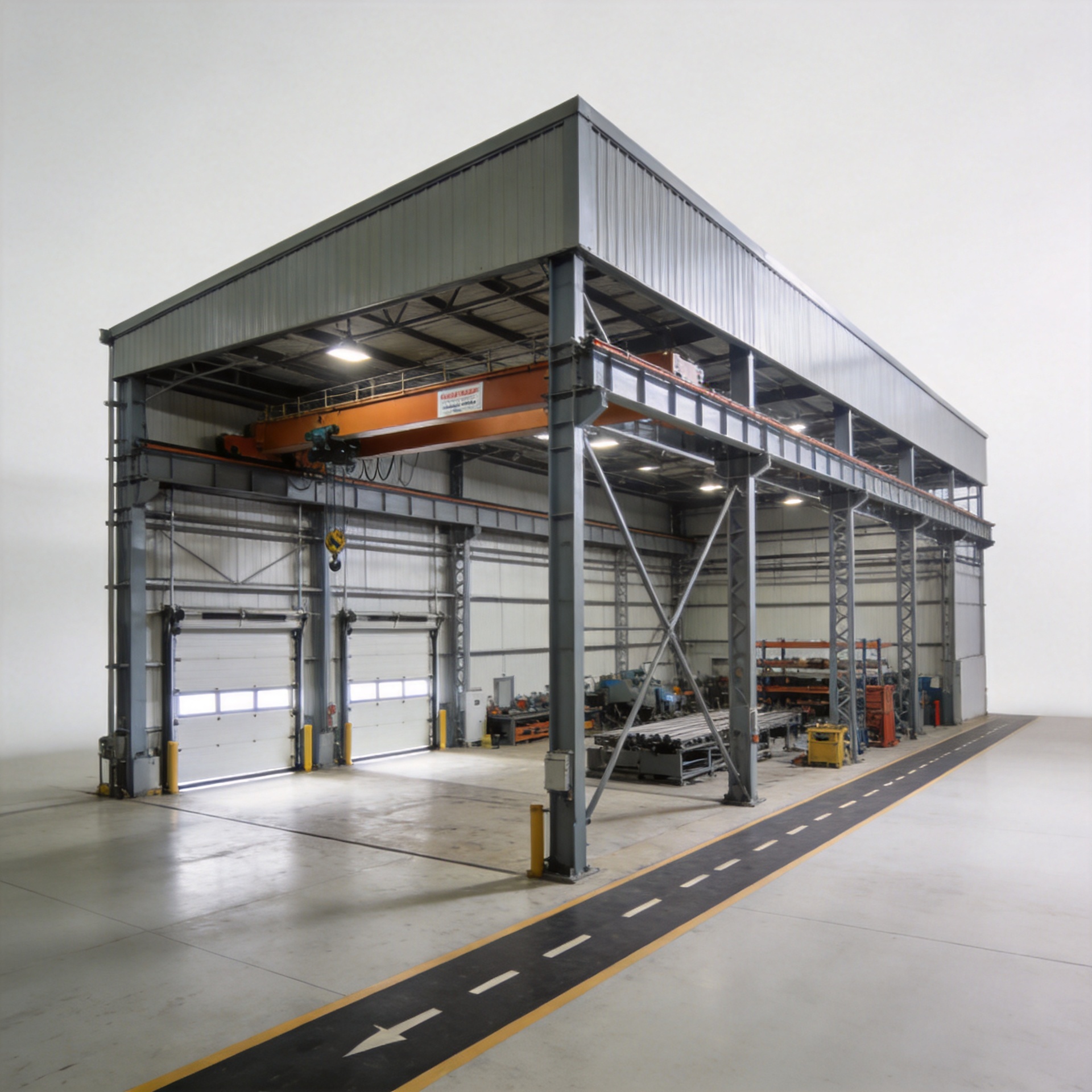
Plan a warehouse workshop steel structure with smarter zoning, flow, clear height, crane, fire, and expansion decisions.
2026/10/26
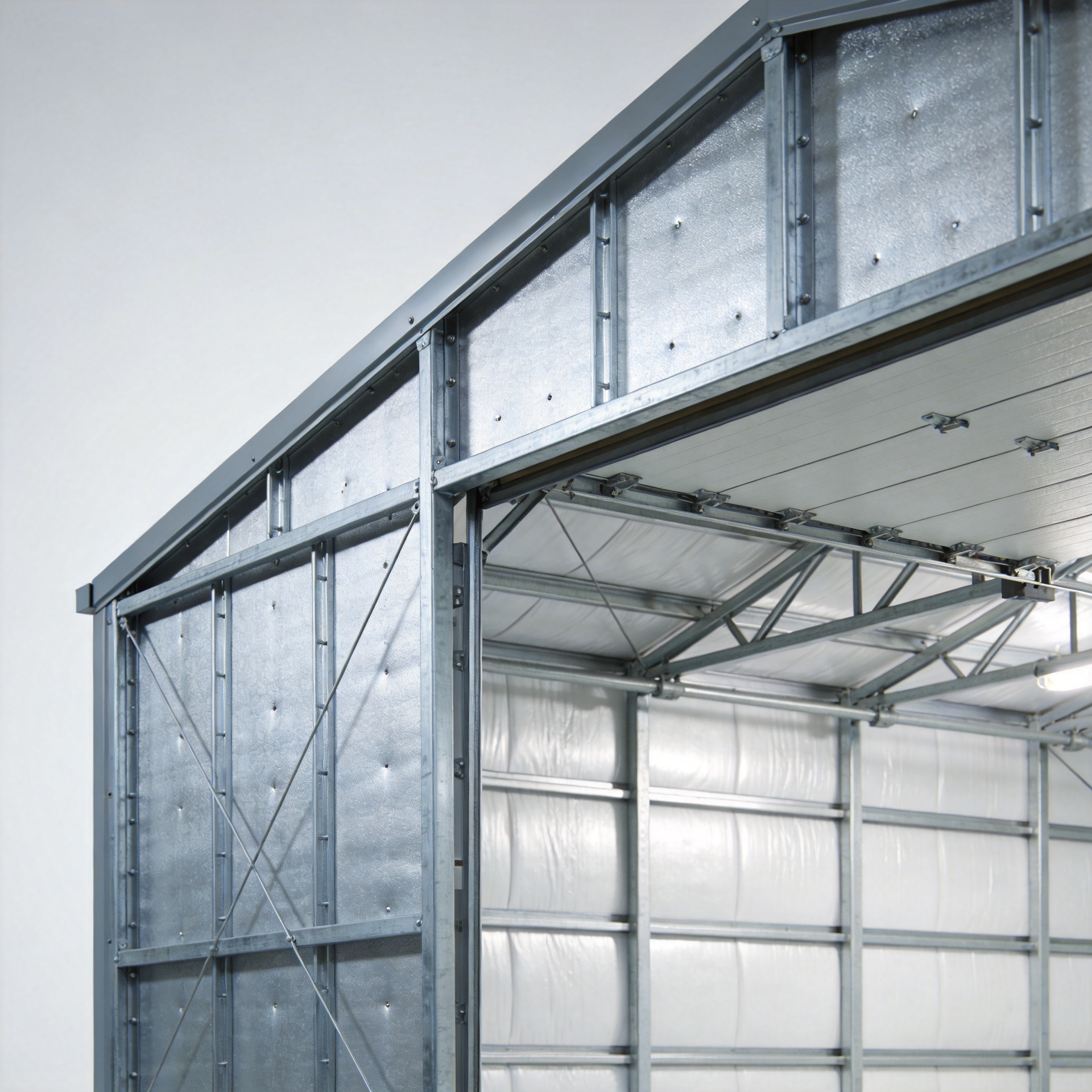
Plan a cold storage steel structure with insulation, vapor control, thermal breaks, refrigeration interfaces and corrosion-ready details.
2026/10/26
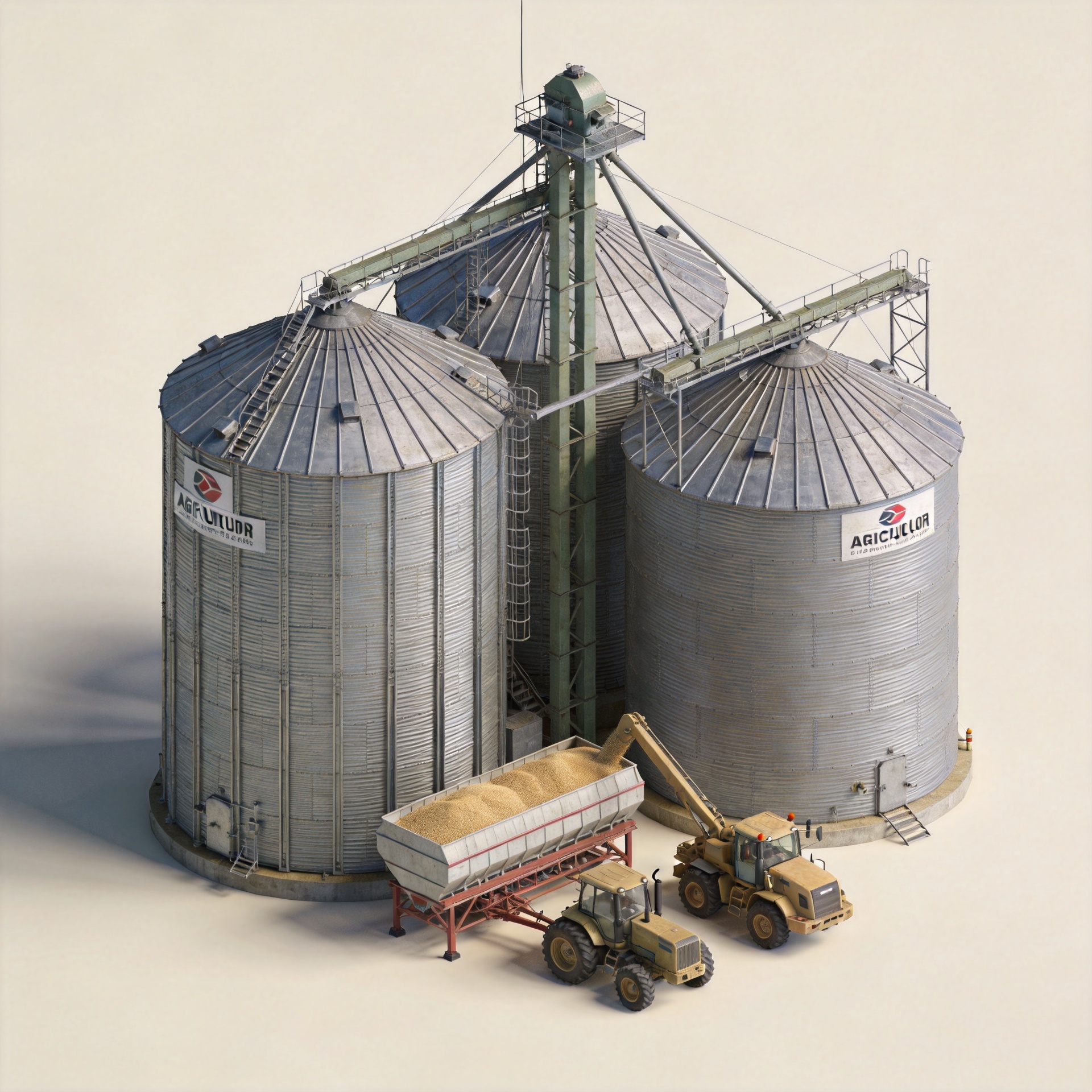
Plan an agricultural steel structure that scales from machinery barn to storage and farm logistics hub with practical design and procurement steps.
2026/10/26
Plan a livestock steel structure for welfare, corrosion resistance, fire considerations, and efficient design-to-delivery decisions.
2026/10/26
Plan an aircraft steel structure for hangars and support facilities with guidance on loads, corrosion, fire, EN 1090, and delivery milestones.
2026/10/26
Choose a farm steel structure for agricultural storage with practical guidance on loads, corrosion, compliance, and delivery planning.
