 EN
Warehouse-Workshop Steel Structures: Dual-Use Design
2026/10/26
Plan a warehouse workshop steel structure with smarter zoning, flow, clear height, crane, fire, and expansion decisions.

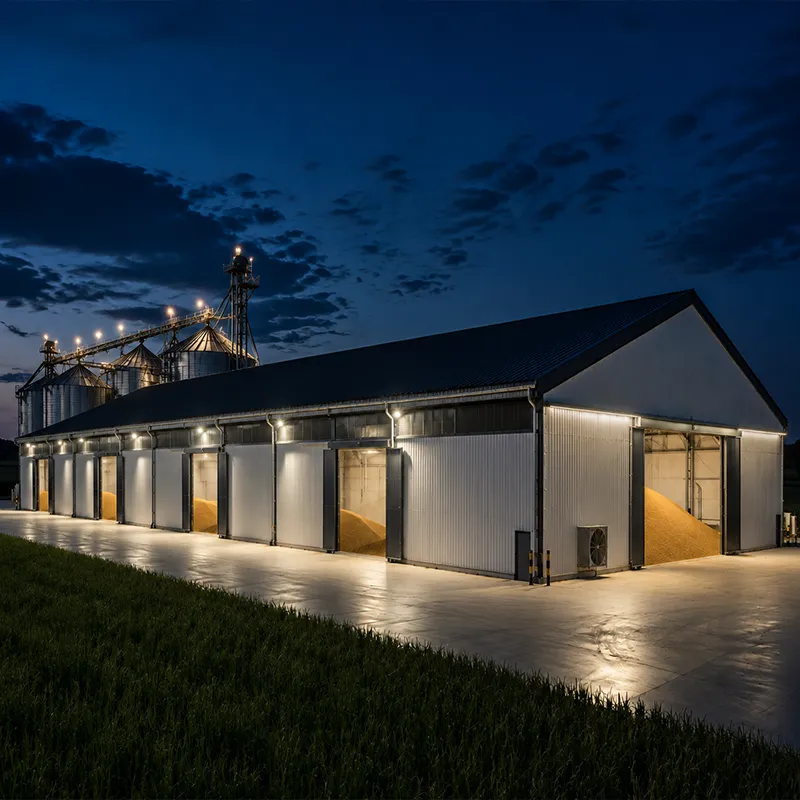
Choosing the right metal agricultural buildings shapes operating cost and daily workflow for years. Farms need shelters that protect grain, machines and animals while standing up to weather, pests and heavy use. A wrong frame choice forces later retrofits that cost more than the original saving. This guide walks through real scenarios, structural logic, recognised standards and practical buying checks so the decision holds up on site and through every harvest season.
A regional grain handler in Northeast China faced spoilage losses because old brick bins trapped humidity and limited airflow. The operation needed quick covered capacity before the autumn harvest. Metal agricultural buildings solved it: a 45 m clear-span hall with ridge ventilation, galvanized purlins and a 150 mm PIR envelope kept grain dry through a wet season. Throughput rose, labor dropped, and the structure shipped and erected within the planting window. The result showed why pre-engineered steel fits seasonal agriculture and tight deadlines.
Tractors, combines and implements rust fast when left outside, so a machinery bay with a concrete slab and wide roller door protects capital. Livestock houses need ridge and side vents plus smooth, washable cladding to control ammonia and disease. Crop shelters range from potato stores needing darkness to greenhouses wanting light transmission. For mixed operations, metal agricultural buildings let one frame serve several functions by swapping the internal layout. Each use changes bay spacing, door size and floor loading, so the brief must list equipment dimensions before the steel frame is drawn. A poultry house, for example, needs tight temperature control and biosecurity zoning, while a hay store prizes dry air and fast vehicle access. Mapping daily routines onto the plan early avoids costly rework once the fabrication line is committed and the steel is already cut.
A clear span removes internal columns, letting tractors and conveyors move freely and racks sit anywhere. The portal frame carries roof and wind loads through rafters and bracing to the foundation. Column-supported layouts cut steel tonnage for very wide buildings but block floor planning. Many metal agricultural buildings use the portal frame because it balances cost with an open floor. For machinery and bulk storage, clear span usually wins; for partitioned livestock units, spaced columns can lower cost. A structural steel model should compare both before the fabrication drawing is fixed.
Cladding decides heat, light and maintenance. A steel building skin of PIR sandwich panel holds temperature for feed and seed, while single-skin sheeting suits open machinery sheds. Coating choice matters near manure and fertilizer: hot-dip galvanized members resist corrosion, and glass flake coating adds a barrier in aggressive farm air. Roof slope drives drainage, so a minimum pitch avoids ponding that stains and weakens panels. Match the envelope to the worst local condition, not the average, and inspect seams after the first winter. Light-transmitting panels can brighten a work bay without extra power, yet they age faster than steel sheeting and need a replacement plan. Detailing around doors and penetrations deserves special care, since most leaks start where cladding meets a frame opening rather than across the flat field.
Cold regions need steel that stays tough below zero, so Q355D or Q355B-Z35 resists lamellar tearing at welded joints under heavy load. Q420B suits long spans where weight saving pays. CNC cutting keeps members accurate, and robotic welding gives repeatable, clean seams. The fabricator should document grade, heat number and test certificates so each rafter and column traces back to its melt. Specifying grade by climate and load avoids brittle failure that flat mild steel can show in a hard winter and during sudden temperature swings. For buildings that carry an overhead crane, the dynamic and impact loads demand higher toughness and tighter weld procedure controls than a simple storage shed. Discussing the duty cycle with the designer ensures the chosen grade matches real service rather than a textbook minimum.
EN 1090 governs how structural steel is made and CE marked for the European market, covering execution class, traceability and declared performance. ISO 3834 sets welding quality so joints meet design strength rather than rely on hope. ISO 9001 shows the factory runs a controlled quality system from order to dispatch. A buyer comparing offers should ask for these certificates; they signal that the steel structure will perform as drawn instead of failing at the bolted connection or weld during a storm. Independent audit trails also speed customs clearance and final handover.
Request the load table for snow, wind and crane if used, plus the foundation drawing sized by a local engineer. Confirm coating thickness, panel density and bolt grade, since 10.9S high-strength bolts and full-bolted assembly speed erection. Specifying certified metal agricultural buildings reduces risk at handover and supports later resale value. Visit the fabrication shop or demand a video audit to see CNC and welding control. Clarify delivery incoterms and who handles customs. A short checklist prevents the common trap of a cheap shell that needs rework before the first harvest.
Prepare a level, drained pad and set anchor bolts to the survey, because a skewed frame forces on-site cutting. After erection, inspect coatings annually, touch up scratches before rust spreads, and keep gutters clear so water never sits on cladding. Re-tension bolts after the first seasonal cycle. Good upkeep extends service life well beyond the design assumption, protecting the investment that metal agricultural buildings represent for the farm operation across decades of changing weather and growing output.
What span works best for a machinery shed?
Answer: A clear-span width of 24 to 45 m suits most machinery and equipment storage because it keeps the floor open for tractors and combines. Column-supported bays lower steel tonnage for wider footprints but block movement. The choice depends on door size, internal racking and future expansion. A structural engineer should model snow and wind loads before the steel frame is fixed.
How should cladding and insulation be chosen?
Answer: Cladding sets heat, light and cleaning effort. PIR sandwich panels hold stable temperature for seed and feed stores, while single-skin sheeting fits open machinery bays. Near manure and fertilizer, hot-dip galvanized members and glass flake coating slow corrosion. Roof slope must clear rain and snow to prevent ponding. Match the envelope to the harshest local condition rather than the average season for lasting performance.
Which steel grade suits cold farm sites?
Answer: Cold regions need steel that stays tough below zero. Q355D and Q355B-Z35 resist lamellar tearing at welded joints under heavy load, while Q420B helps long spans where weight saving matters. CNC cutting keeps members accurate and robotic welding gives repeatable seams. The fabricator should supply grade, heat number and test certificates so every rafter and column traces to its melt.
Why do EN 1090 and ISO 3834 certificates matter?
Answer: EN 1090 controls how structural steel is made and CE marked, covering execution class, traceability and declared performance for the European market. ISO 3834 sets welding quality so joints reach design strength instead of failing at a seam. ISO 9001 shows the plant runs a controlled system from order to dispatch. Requesting these documents helps confirm that supplied metal agricultural buildings will perform as drawn during storms and heavy loads.
What maintenance keeps a steel farm building sound?
Answer: Prepare a level, drained pad and set anchor bolts to survey because a skewed frame forces cutting on site. After erection, inspect coatings each year and touch up scratches before rust spreads. Keep gutters clear so water never sits on cladding, and re-tension bolts after the first seasonal cycle. Routine care extends service life beyond the design assumption and protects the structure against weather and corrosion.
2026/10/26
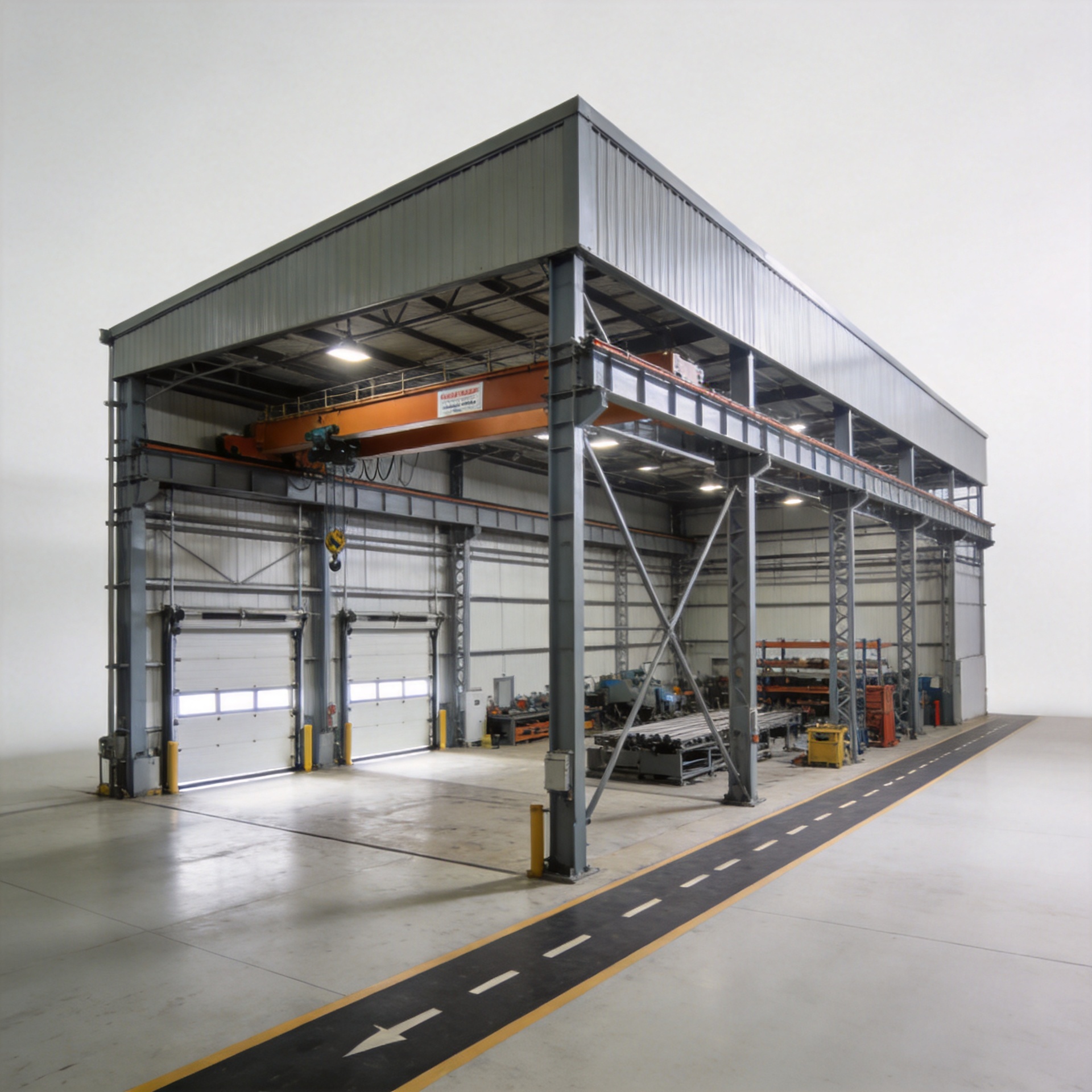
Plan a warehouse workshop steel structure with smarter zoning, flow, clear height, crane, fire, and expansion decisions.
2026/10/26
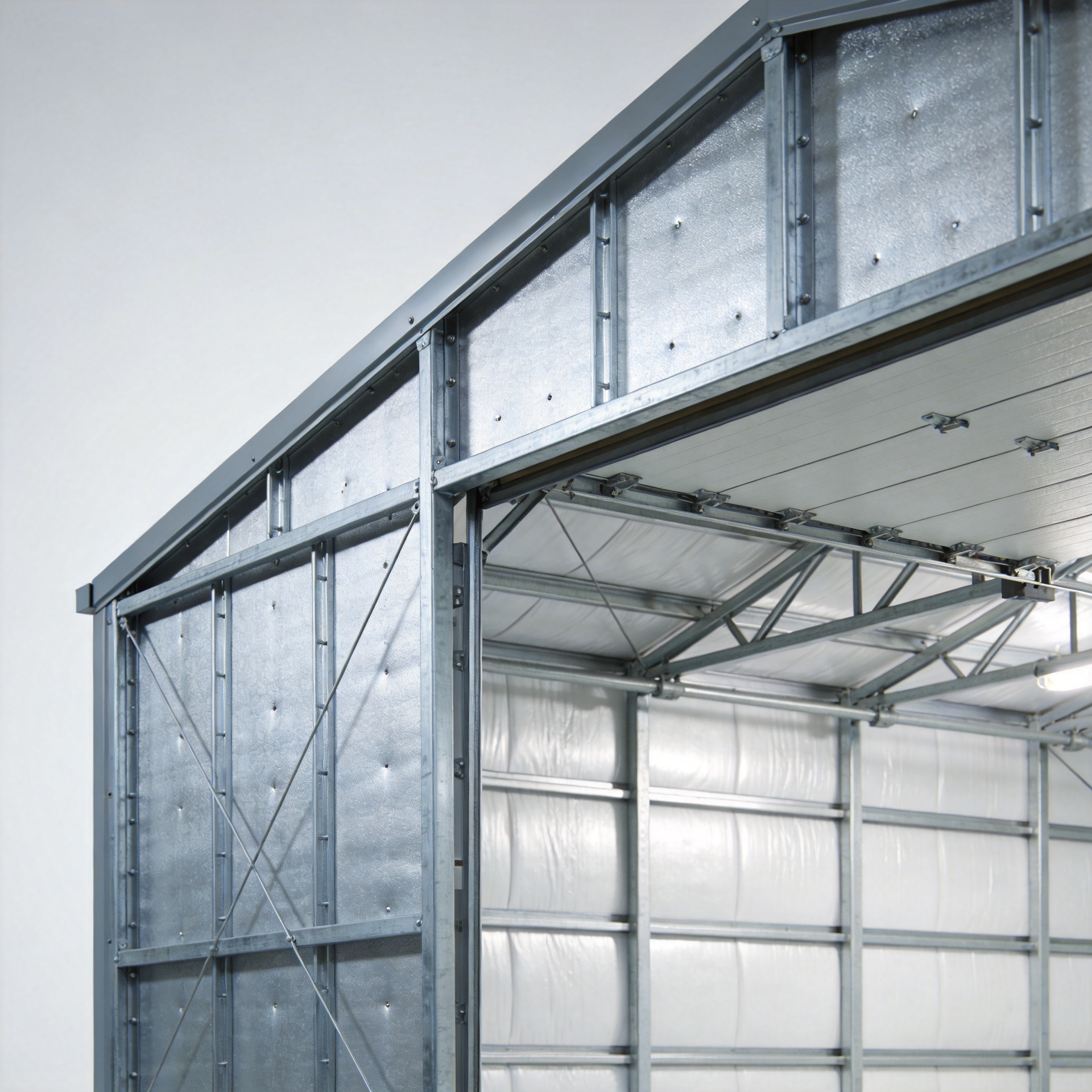
Plan a cold storage steel structure with insulation, vapor control, thermal breaks, refrigeration interfaces and corrosion-ready details.
2026/10/26
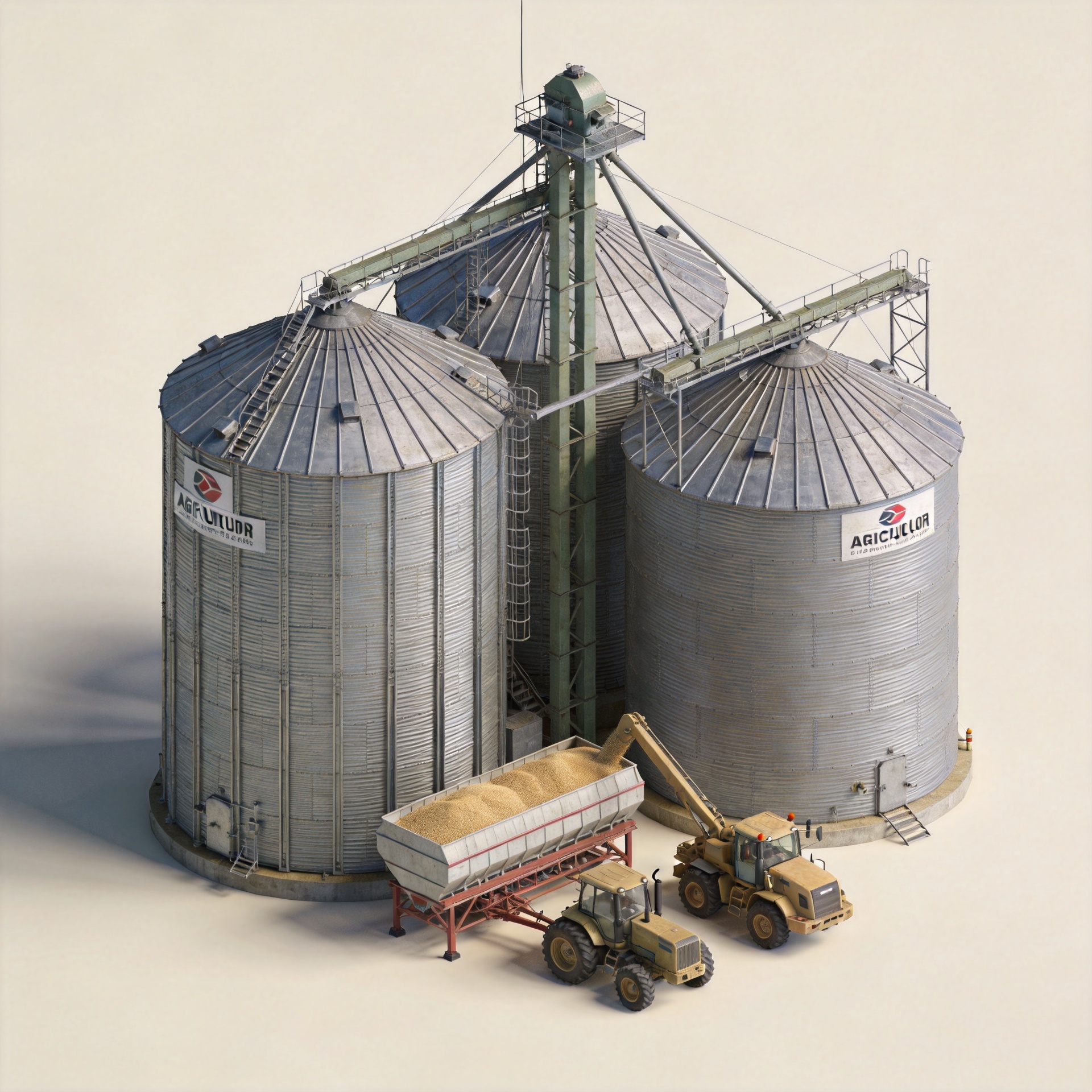
Plan an agricultural steel structure that scales from machinery barn to storage and farm logistics hub with practical design and procurement steps.
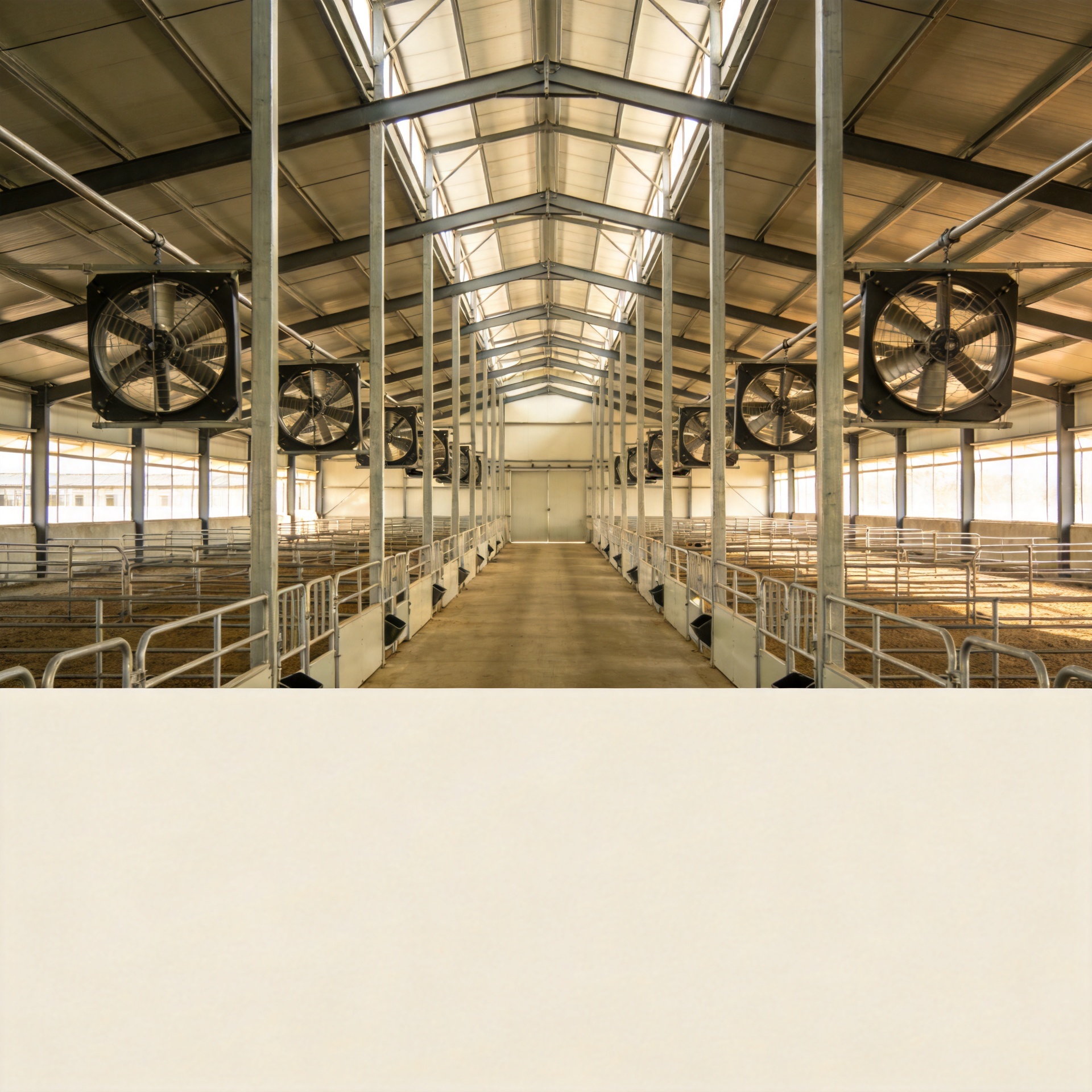
2026/10/26
Plan a livestock steel structure for welfare, corrosion resistance, fire considerations, and efficient design-to-delivery decisions.
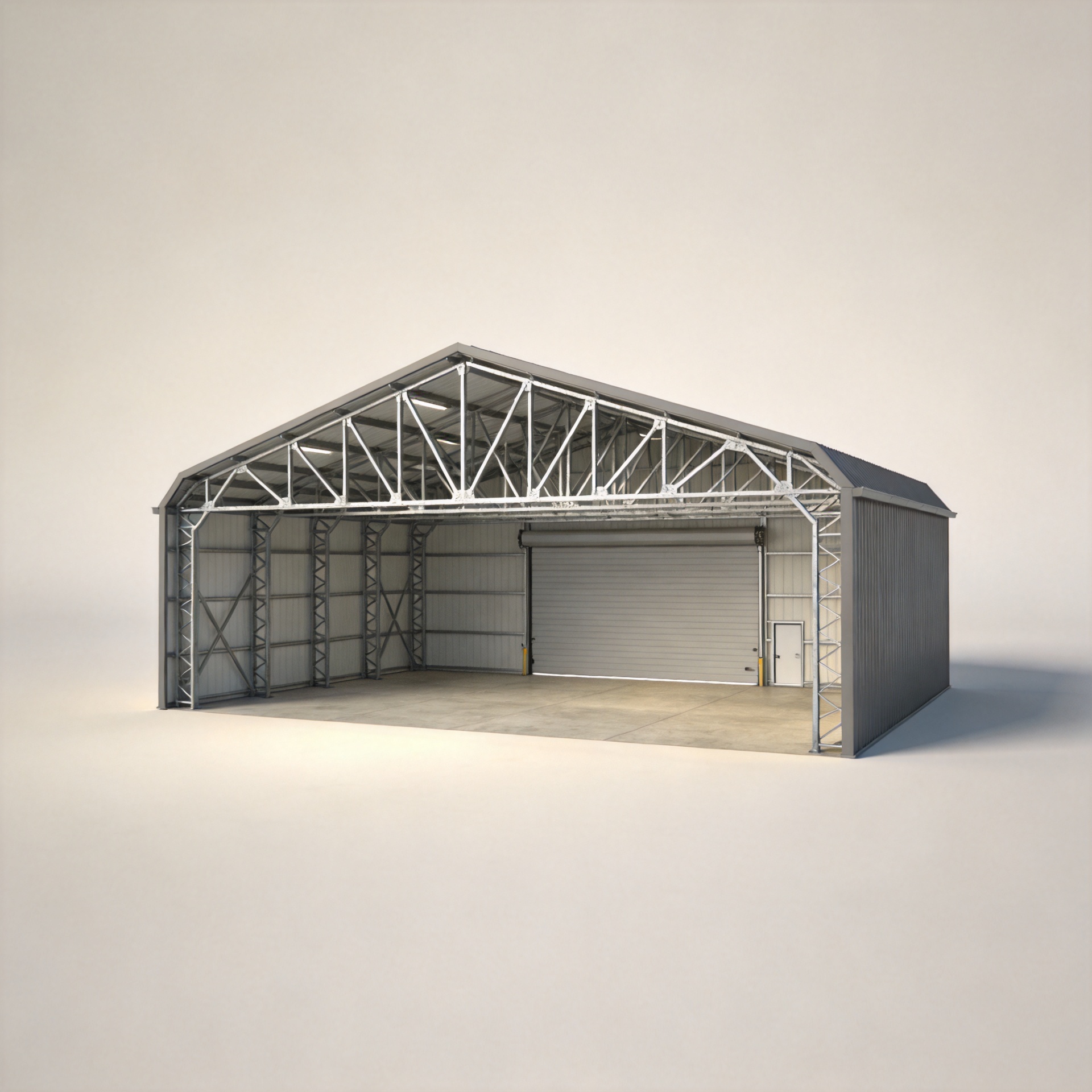
2026/10/26
Plan an aircraft steel structure for hangars and support facilities with guidance on loads, corrosion, fire, EN 1090, and delivery milestones.
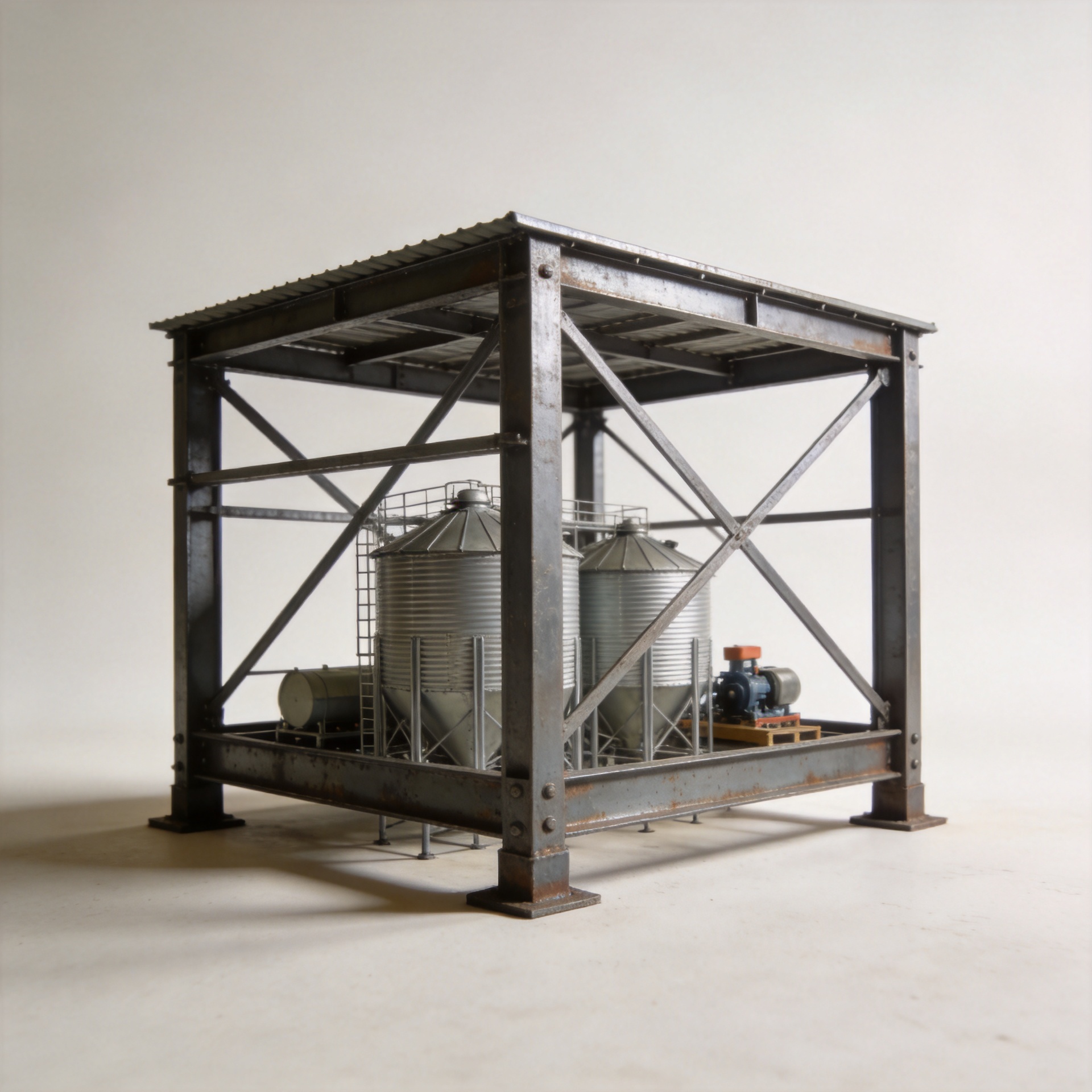
2026/10/26
Choose a farm steel structure for agricultural storage with practical guidance on loads, corrosion, compliance, and delivery planning.
