 EN
Warehouse-Workshop Steel Structures: Dual-Use Design
2026/10/26
Plan a warehouse workshop steel structure with smarter zoning, flow, clear height, crane, fire, and expansion decisions.

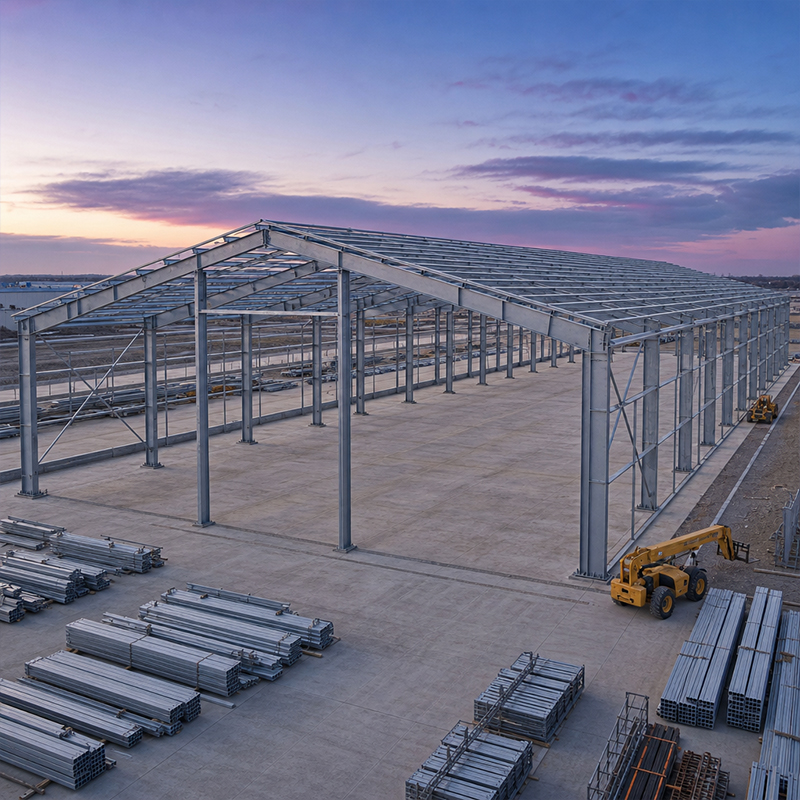
A successful industrial facility starts long before steel arrives on site. Working with reliable pre engineered building suppliers begins with a clear internal brief that maps the building's purpose, capacity and future expansion. Many procurement teams lose time because they request quotes before engineering assumptions are fixed. A structured plan reduces rework and keeps the erection window predictable.
Suppliers can only optimize what they are told, so a weak brief multiplies into a weak quote. Spend the first weeks on engineering clarity rather than chasing the lowest priced steel building quote, since the lowest priced tonnage often hides the costliest gaps.
Every sound design starts from how the space will actually be used. When pre engineered building suppliers receive a vague brief, they must guess at rack layouts, truck docks and equipment clearance. A grain storage depot, a machinery hall and a logistics center each impose different column grids and floor loads. Stating the process flow up front lets the structural engineer set the bay spacing and clear span that match real operations.
A portal frame lives or fails on load assumptions. Dead loads cover the steel, the PIR panel envelope and fixtures; live loads cover snow, personnel and movable equipment; crane loads add dynamic factors that change beam sizing. AISC and MBMA guidance shapes load combinations, while IBC sets the wind and seismic baseline. Understated loads cause costly late redesign.
One regional grain operator needed a depot ready before the harvest window on a site with high groundwater. The risk was condensation damaging stored grain and a late handover missing the season. The engineering team specified a 150 mm PIR insulated envelope, a hot dip galvanized frame and fully bolted connections to speed erection on soft ground. EN 1090 and ISO 9001 governed fabrication. The depot was enclosed before the first rainfall, with humidity held in a safe band.
A request for quotation separates a comparable bid set from a guessing game. Suppliers price risk, so the RFQ should remove as much of it as possible. Attach the geotechnical report, the envelope spec and code references so every bid rests on the same facts.
A precise RFQ removes ambiguity that drives price gaps between bids. Specify steel grade such as Q355B or Q420B, the corrosion protection system — hot dip galvanizing or glass flake coating — and the connection method, typically 10.9S high strength bolts for a fully bolted build. Reference EN 1090 and ISO 3834 so welding quality is defined, not assumed. Suppliers quote faster when the material envelope is fixed before calculations begin.
Even a perfect steel package fails on a weak or mismatched foundation. Share soil reports, flood level, seismic zone and truck access. The foundation design depends on column reactions that pre engineered building suppliers calculate from the frame model, so late changes ripple into anchor bolt patterns. Early alignment between the civil and steel designers avoids the costliest site rework.
Selection is where most savings or most pain are decided. Pre engineered building suppliers differ in engineering depth, not just tonnage price. A disciplined checklist beats a friendly sales call, because the lowest bid can conceal the weakest detail at the points that matter most for safety.
Certifications are the first line of risk control available. EN 1090 confirms the execution class and CE marking for structural steel in the European market; ISO 9001 shows a managed quality system; ISO 3834 covers welding procedure control. A fabrication base with CNC cutting and robotic welding demonstrates the process discipline that keeps tolerances tight. Ask for mill certificates and audit reports before awarding.
Capacity decides whether a promise becomes a delivery. Review similar completed facilities — a grain depot or a machinery plant — and confirm the supplier handled export packing and destination certification. Ask about realistic lead time at current capacity, because a missed window can stall an entire construction program. A track record across 60 plus countries signals the logistics maturity needed for cross border orders.
Execution discipline protects the budget. Pre engineered building suppliers that plan the handoff between factory and field tend to deliver without surprise. The last weeks of a project are where idle crews and waiting steel turn small slips into real losses, so the plan should name who moves what and when.
Prefabrication only saves time if the sequence is staged. Production of the primary frame, secondary members and envelope should finish before containers are booked. Shipping lead time and customs clearance vary by destination, so the procurement plan must buffer the gap between port arrival and crane start. Coordinating the supplier's dispatch with the erector's crew prevents the classic idle site penalty where steel waits while labor is paid.
Quality is cheaper to enforce in the workshop than on the roof. Require dimensional and coating inspection at the plant, then bolt torque and alignment checks during erection. OSHA and NFPA practices govern safe lifting and fire safe detailing on site. A documented inspection plan, tied to ASTM coating standards and bolt specs, turns vague assurance into measurable acceptance. Closing each checkpoint before the next stage starts protects the schedule more than any single speed trick.
Planning a facility is a discipline, not a purchase. The teams that succeed treat pre engineered building suppliers as engineering partners, fixing scope, loads and specs before asking for numbers. A tight RFQ, verified certifications and a staged timeline convert a risky capital project into a predictable build. The brief effort is repaid in fewer change orders and a structure that performs for decades.
What documents should a procurement plan include before contacting the market?
Answer: A complete procurement plan should bundle the functional brief, load assumptions, geotechnical report, envelope specification and target timeline into one package. Pre engineered building suppliers quote from these inputs, so missing data forces assumptions that surface as change orders later. Include intended expansion bays, equipment clearances and local code references. A single consolidated document keeps every bid on the same baseline and shortens the comparison cycle.
Why do certifications such as EN 1090 matter for a cross border order?
Answer: Certifications define enforceable quality rather than promised quality. EN 1090 sets the execution class and CE marking for structural steel in the European market, while ISO 3834 controls welding procedure and ISO 9001 governs the management system. Without these, a shipment may be rejected at customs or fail local inspection. Verified certificates shift risk from the buyer to a documented, auditable standard that travels with the steel.
How is the fabrication quality verified before steel leaves the plant?
Answer: Verification starts with mill certificates for each steel batch and continues through in plant inspection. Dimensional checks confirm member lengths and hole patterns; coating thickness tests validate galvanizing or glass flake application against ASTM standards. Robotic welding and CNC cutting reduce human variation, but a documented hold point still gates dispatch. Requiring signed inspection records before loading containers prevents defective steel from reaching a remote site where rework is costly.
When should the foundation design be finalized relative to the steel quote?
Answer: The foundation design should be settled before the steel package is released for fabrication, not after. Column reactions from the frame model drive pad size, anchor bolt layout and rebar detailing. If the civil engineer works from outdated loads, the pads will not match the delivered columns. Aligning both designs during the quotation stage keeps the site ready when containers arrive and avoids the expensive delay of recasting footings.
Which connection method suits a wet or remote erection site?
Answer: A fully bolted connection suits difficult sites better than field welding. Bolt up assembly needs no power source and avoids weather dependent weld inspections, keeping tolerances predictable with 10.9S high strength bolts. On wet or remote ground, welding is slow and quality is hard to verify, raising schedule risk. Specifying bolted connections in the RFQ lets crews erect quickly and safely, protecting both the timeline and the frame's structural integrity.
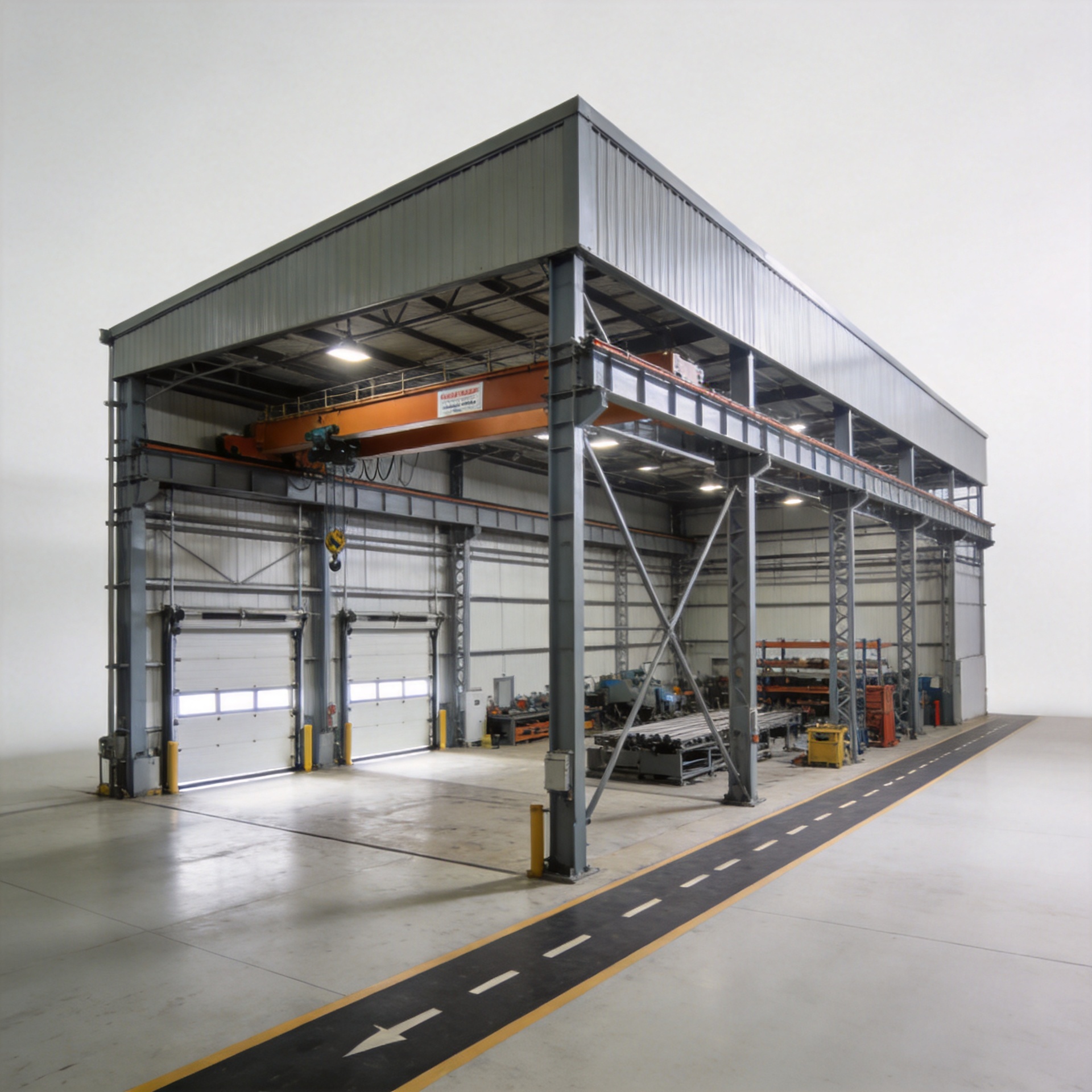
2026/10/26
Plan a warehouse workshop steel structure with smarter zoning, flow, clear height, crane, fire, and expansion decisions.
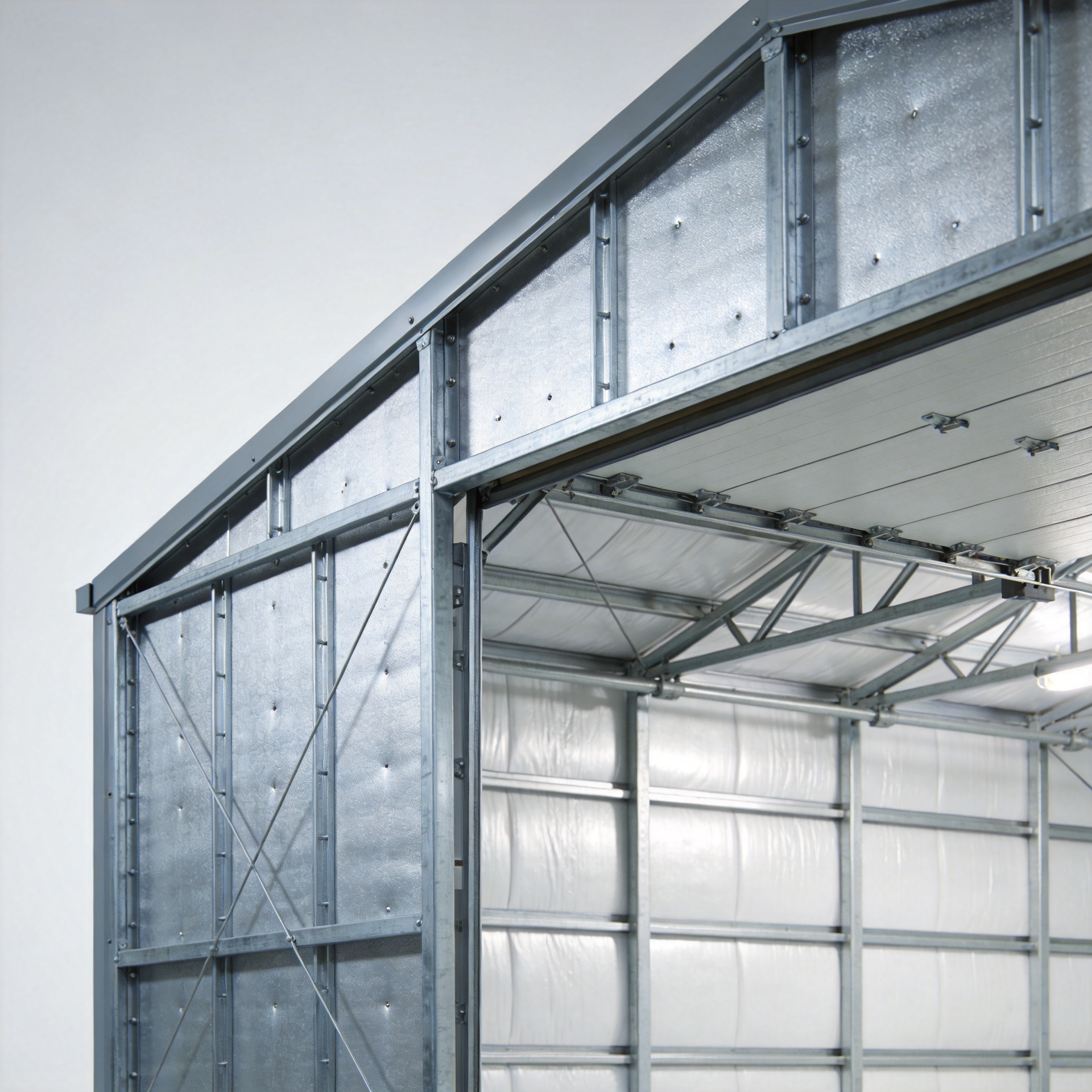
2026/10/26
Plan a cold storage steel structure with insulation, vapor control, thermal breaks, refrigeration interfaces and corrosion-ready details.
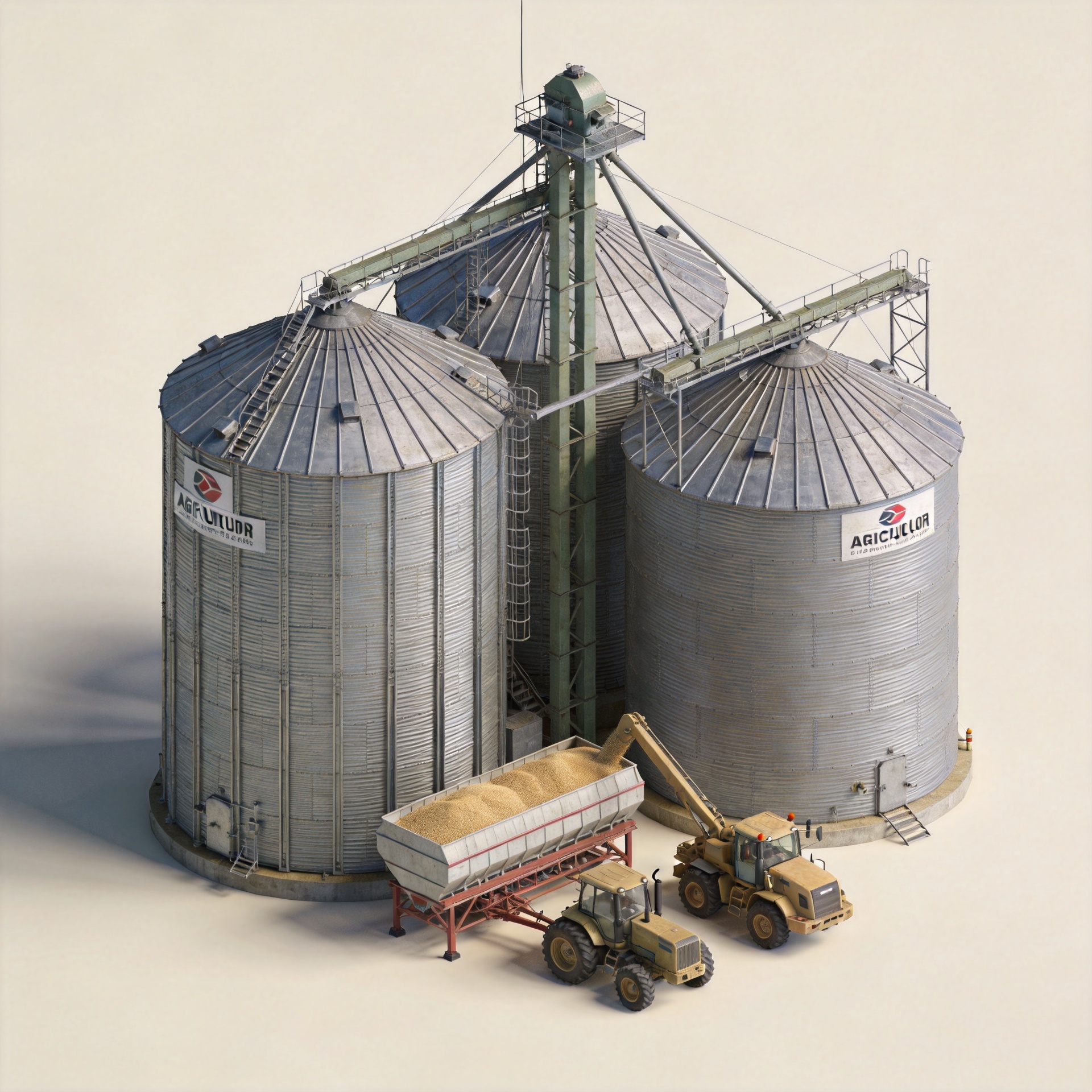
2026/10/26
Plan an agricultural steel structure that scales from machinery barn to storage and farm logistics hub with practical design and procurement steps.
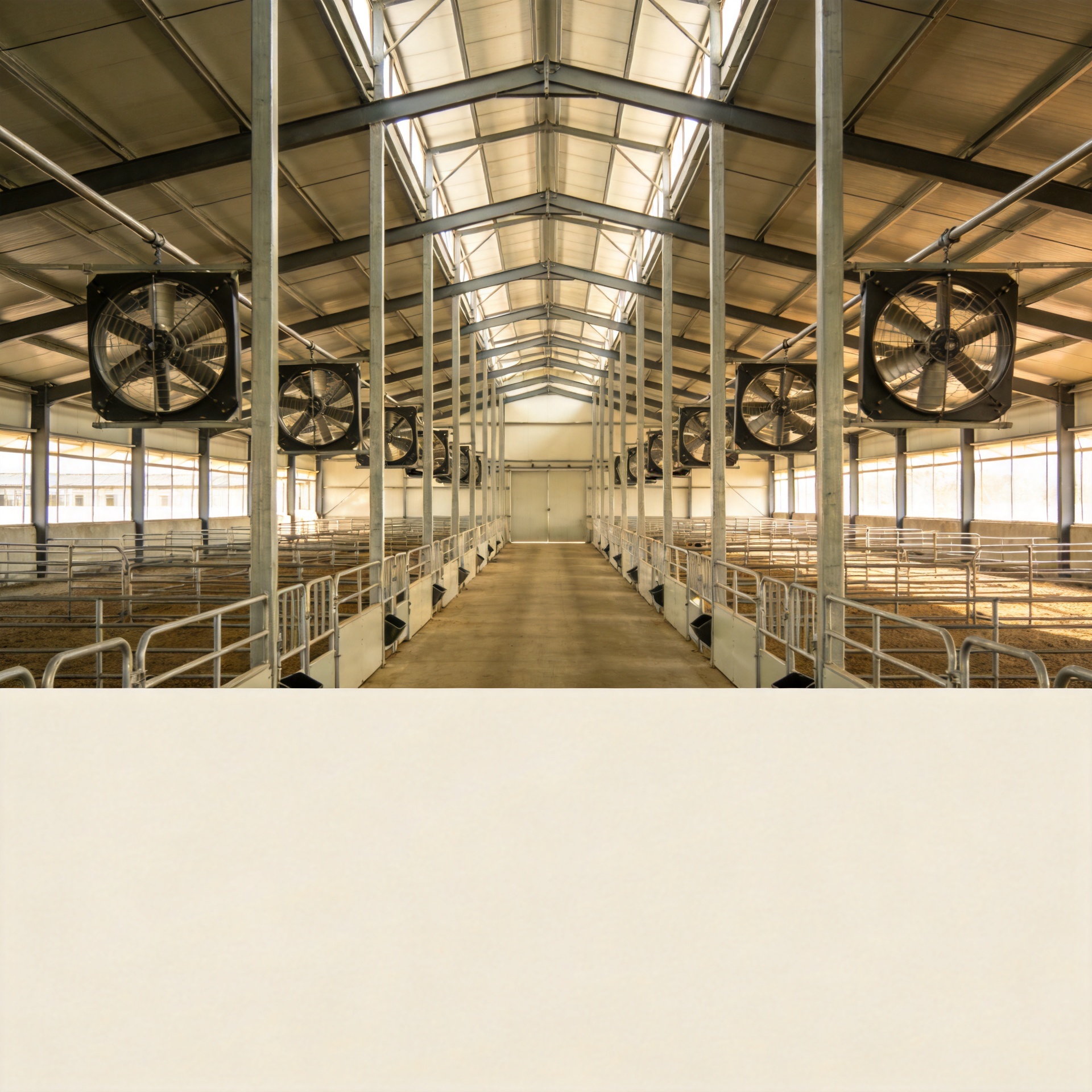
2026/10/26
Plan a livestock steel structure for welfare, corrosion resistance, fire considerations, and efficient design-to-delivery decisions.
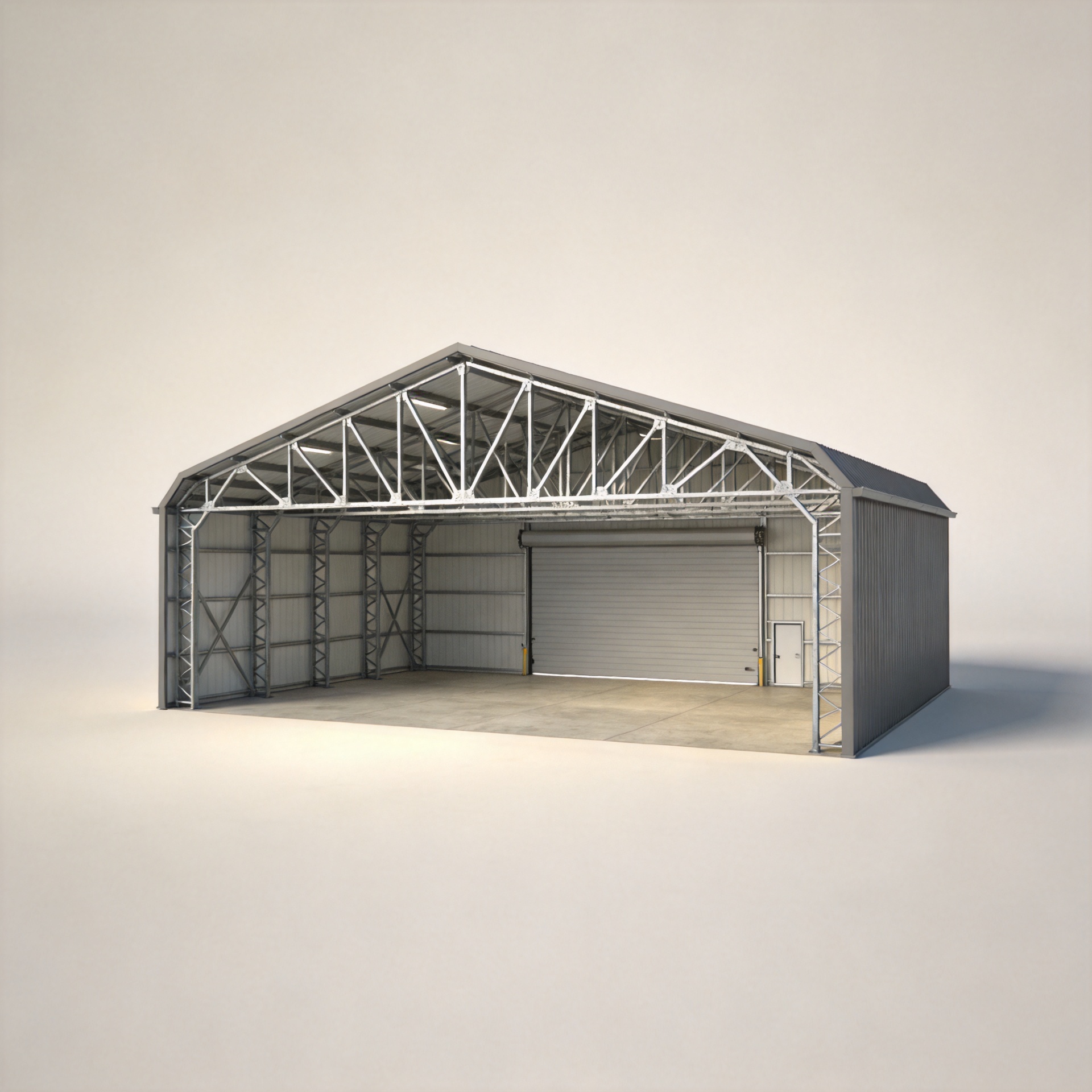
2026/10/26
Plan an aircraft steel structure for hangars and support facilities with guidance on loads, corrosion, fire, EN 1090, and delivery milestones.
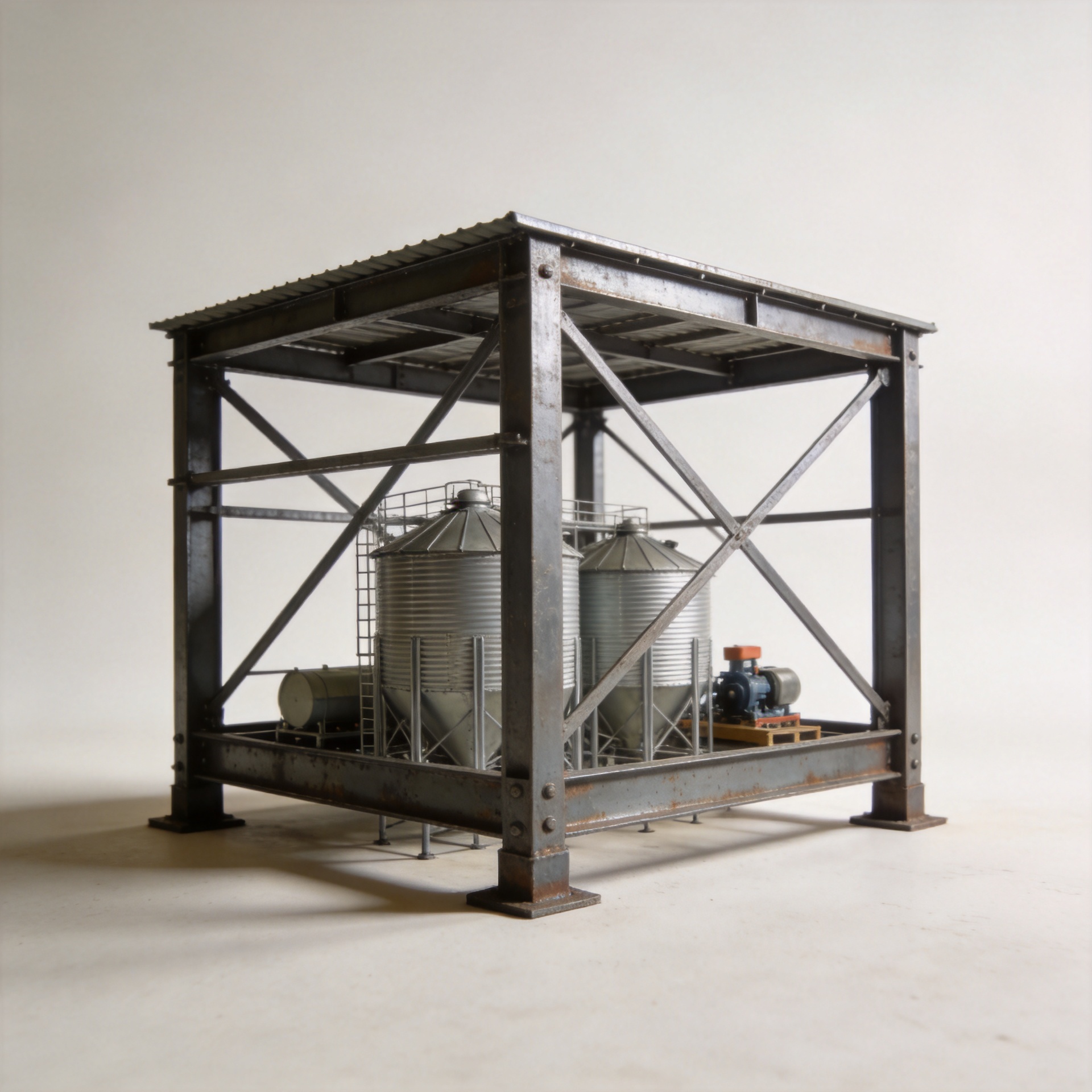
2026/10/26
Choose a farm steel structure for agricultural storage with practical guidance on loads, corrosion, compliance, and delivery planning.
