 EN
Warehouse-Workshop Steel Structures: Dual-Use Design
2026/10/26
Plan a warehouse workshop steel structure with smarter zoning, flow, clear height, crane, fire, and expansion decisions.

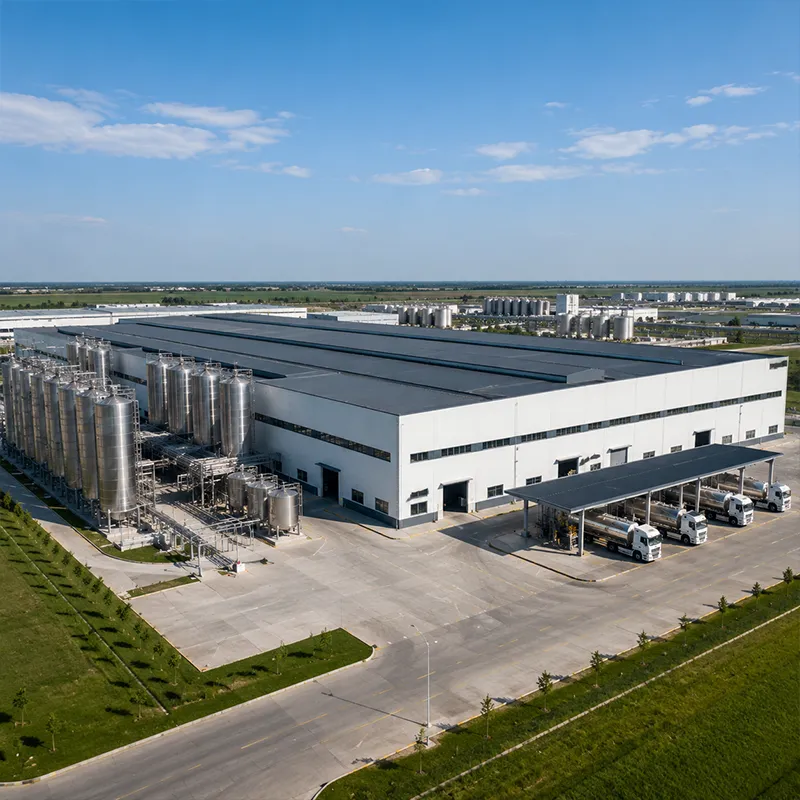
Steel building structures arrive as prefabricated frames cut and welded under factory control, so the site assembles rather than builds from scratch. CNC cutting and robotic welding deliver repeatable accuracy, and 10.9S high-strength bolts let a small crew raise a large bay in days. Concrete needs formwork, curing, and weather windows that stretch the program. For owners chasing an occupancy date, the compressed schedule alone justifies the steel route. Steel building structures also shrink the on-site labor peak, because most of the value-adding work happens in the shop where weather, lighting, and inspection are controlled rather than left to the mercy of a muddy field.
Lighter steel frames reduce foundation size compared with heavy concrete slabs and walls, lowering excavation and material. Skilled on-site labor is also leaner, because most work moved to the shop. EN 1997 still governs European foundation design where soil is poor, but the total dig is shallower. Fewer trades on a tighter sequence cut site risk and accelerate handover without sacrificing the certified performance of the structure. Where a site sits on made ground or fill, the reduced mass of steel building structures also lowers the settlement risk that a heavy concrete alternative would demand deeper, costlier piling to manage.
A clear span interior lets steel frames span 60 m without interior columns, freeing racking and machinery layouts that concrete beams struggle to match economically. AISC 360 confirms the members stay safe under combined loads, while FEA verifies deflection. Open floors adapt to new processes without demolishing supports, so the building keeps pace with the business instead of constraining it behind fixed concrete grids. Steel building structures turn the floor into a reusable asset, because the same bay that houses assembly today can host racking or cold storage tomorrow without touching the primary frame.
Bolted steel frames can be dismantled and re-erected, and modular bays extend by repetition rather than redesign. Concrete is effectively permanent once poured. BIM records help verify reused members against current loads during a move. For operations that grow or shift, steel structures offer an asset that can follow the business, whereas concrete ties the investment to one footprint forever. Steel building structures therefore suit leased land, pilot lines, and uncertain markets where committing to a permanent concrete shell would lock capital into a configuration the business may outgrow within a few years.
Initial price favors neither absolutely, but steel's lighter weight cuts foundation and logistics cost, and prefabrication trims on-site labor. A 150 mm PIR envelope on a steel shell protects climate-sensitive goods efficiently. ISO 9001 production control avoids defective parts that cause rework. Over the lifecycle, easier modification delays costly rebuilds, so total cost of ownership often favors steel structures for changing industrial use. Steel building structures also depreciate more predictably, because the frame's residual value and reusability give owners a recoverable asset at end of term rather than a demolition liability waiting in the ground.
Steel is infinitely recyclable, and offcuts return to the furnace rather than landfill. Demolition of a concrete frame yields heavy, low-value rubble with high transport cost. EN 1090 and ISO 3834 document material traceability, supporting responsible sourcing. While primary steel carries embodied carbon, the recyclability and long service of steel structures shorten the environmental gap versus concrete across the full lifecycle. Specifying documented, traceable frames lets owners report material provenance to clients and regulators, a point that grows in weight as green procurement rules tighten across industrial supply chains.
Steel's ductility absorbs seismic and impact energy that brittle concrete may crack under, and Q355B or Q355D grades deliver predictable strength. Galvanization and glass-flake coating resist corrosion in demanding plants, with ISO 9223 guiding thickness to the environment. EN 1090 execution and NDT weld checks give buyers certified proof. These properties keep steel building structures safe and serviceable through decades of heavy duty. Where a site faces cyclic loading from cranes or vibrating plant, the elastic recovery of steel avoids the micro-cracking that creeps into concrete under the same repeated stress and eventually demands structural repair.
Inspect bolts, purlins, and coatings twice yearly, and after major events. Touch up scratched galvanization before rust spreads, keep drains clear, and avoid unauthorized penetrations. Structural health monitoring tracks deflection on large spans. With this routine, steel building structures outlast harsh conditions that degrade untreated concrete surfaces, and repairs stay localized rather than structural. A dated inspection log paired with the bilingual manuals hands the next operator a clear record, so steel building structures enter each new ownership with their certified performance intact instead of a hidden maintenance gap.
Steel building structures outperform concrete where speed, span, and adaptability decide value. Prefabricated accuracy, clear-span freedom, and recyclability combine with certified durability to deliver facilities that open fast, reconfigure easily, and serve reliably long after a concrete alternative would need replacement.
Frequently Asked Questions
Question Are steel building structures stronger than concrete?
Answer Steel and concrete each excel, but steel's ductility absorbs seismic and impact energy that brittle concrete may crack under. Q355B and Q355D grades give predictable strength, while EN 1090 and NDT confirm execution. For large open floors and heavy use, steel building structures deliver reliable, certified performance that concrete beams struggle to match economically at wide spans.
Question Why is steel faster to build than concrete?
Answer Steel arrives prefabricated, so the site assembles frames with bolts instead of pouring and curing. CNC cutting and robotic welding ensure fit, and a small crew raises bays in days. Concrete needs formwork, curing time, and fair weather, stretching the schedule. The compressed program helps owners reach occupancy sooner with steel building structures.
Question Is steel cheaper than concrete overall?
Answer Neither wins absolutely at the start, but lighter steel cuts foundation and logistics cost, and prefabrication reduces site labor. ISO 9001 control avoids rework. Easier modification delays rebuilds, improving lifecycle value. Compare transparent bills of materials, since steel building structures often cost less across the full ownership period for changing industrial use.
Question Can steel structures be relocated or extended?
Answer Bolted frames using 10.9S bolts dismantle and re-erect, and modular bays extend by repetition. BIM records verify reused members against current loads. Concrete is essentially permanent once poured. For growing or shifting operations, steel building structures act as a movable asset, while concrete ties the investment to a single footprint.
Question How sustainable are steel building structures?
Answer Steel recycles infinitely, and offcuts return to the furnace rather than landfill, unlike concrete rubble. EN 1090 and ISO 3834 document material traceability for responsible sourcing. Long service and easy reuse shorten the environmental gap versus concrete across the lifecycle. While primary steel has embodied carbon, recyclability offsets much of it over decades of use.
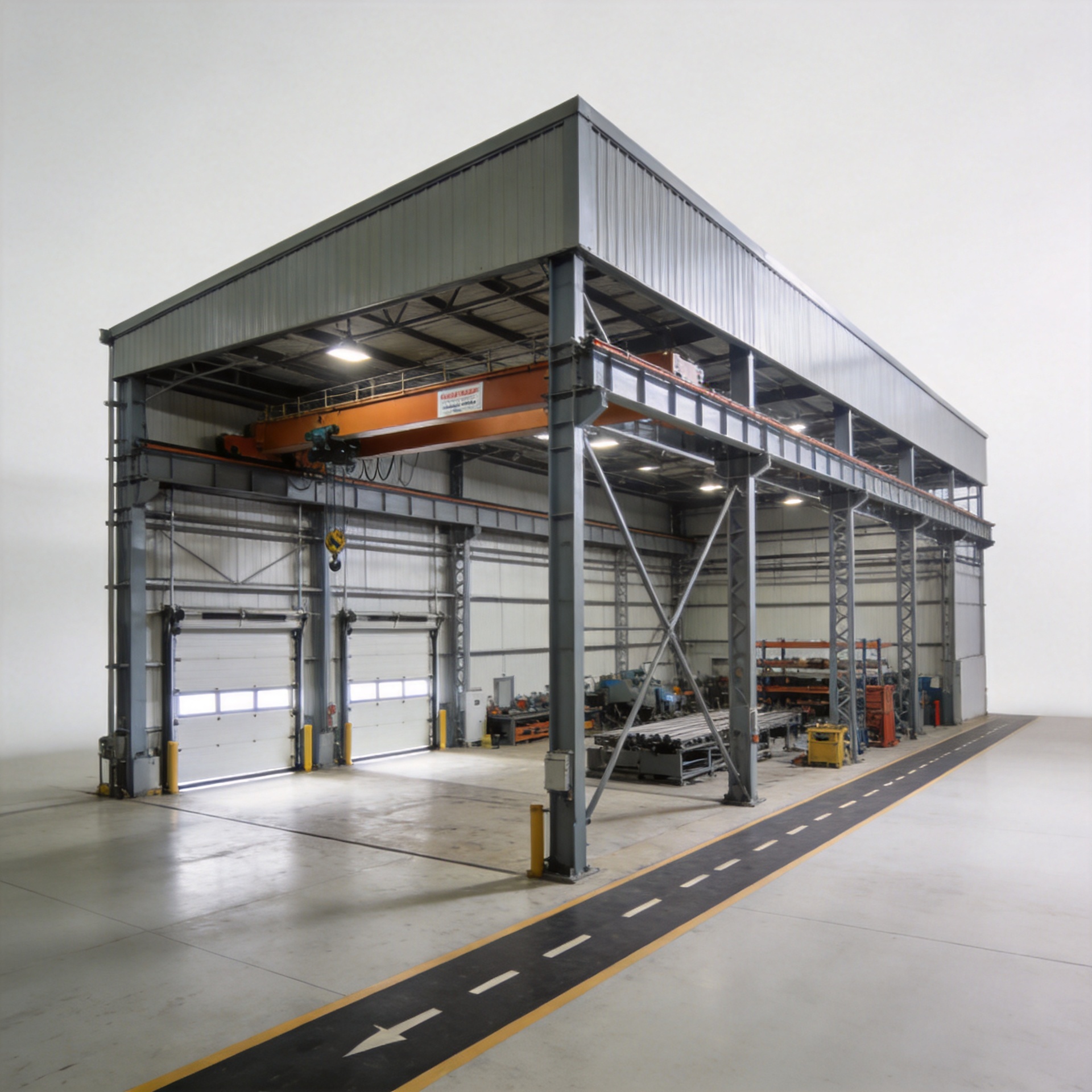
2026/10/26
Plan a warehouse workshop steel structure with smarter zoning, flow, clear height, crane, fire, and expansion decisions.
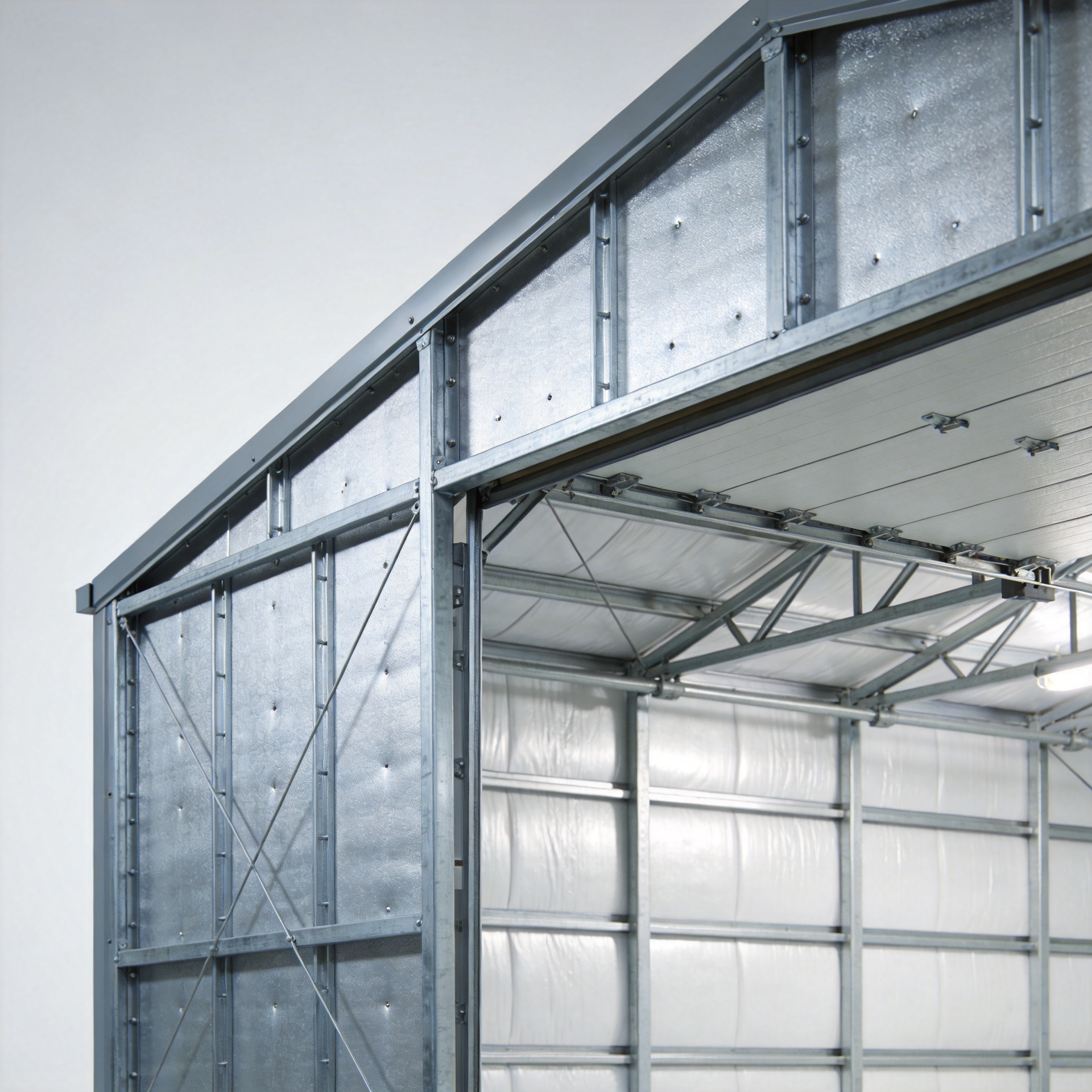
2026/10/26
Plan a cold storage steel structure with insulation, vapor control, thermal breaks, refrigeration interfaces and corrosion-ready details.
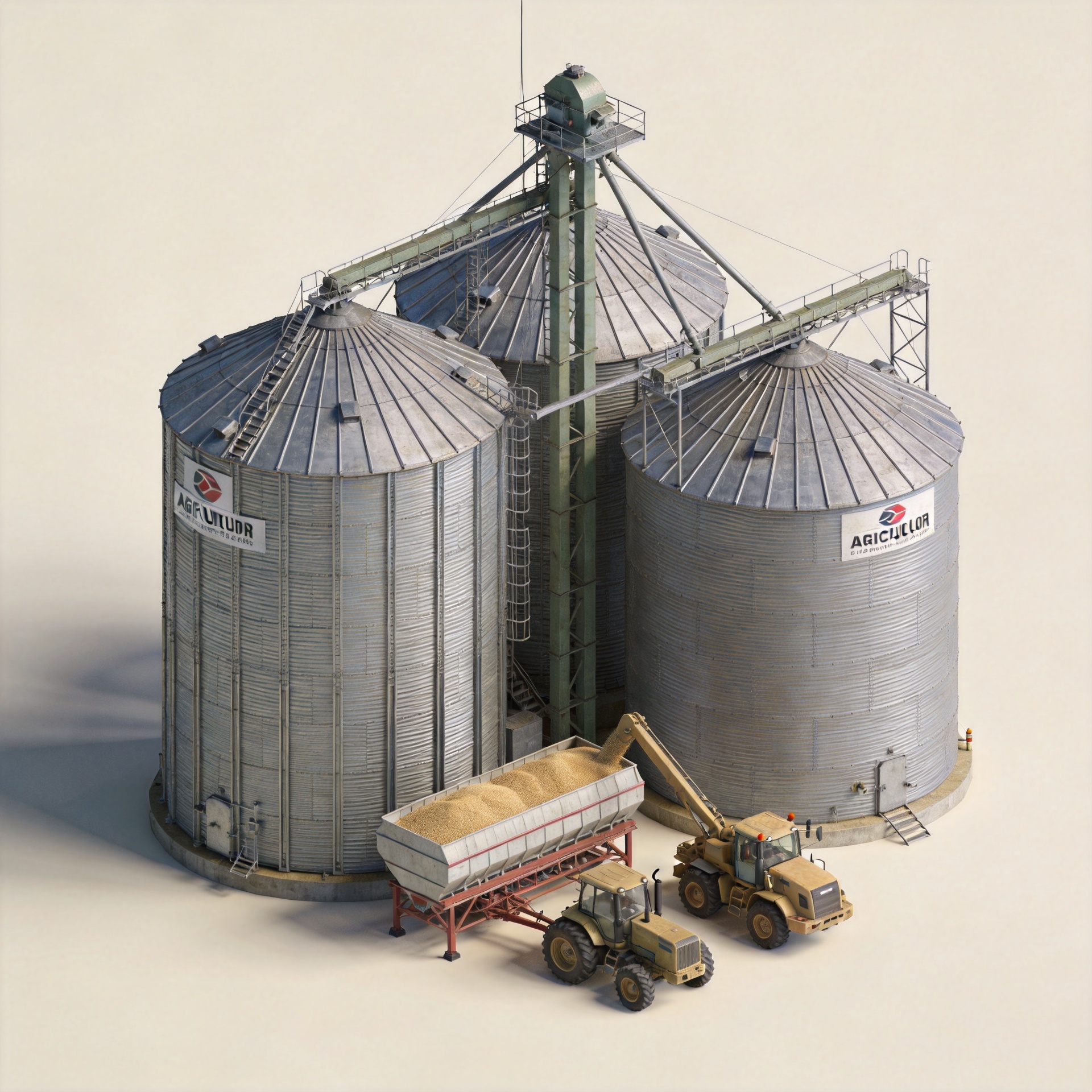
2026/10/26
Plan an agricultural steel structure that scales from machinery barn to storage and farm logistics hub with practical design and procurement steps.
2026/10/26
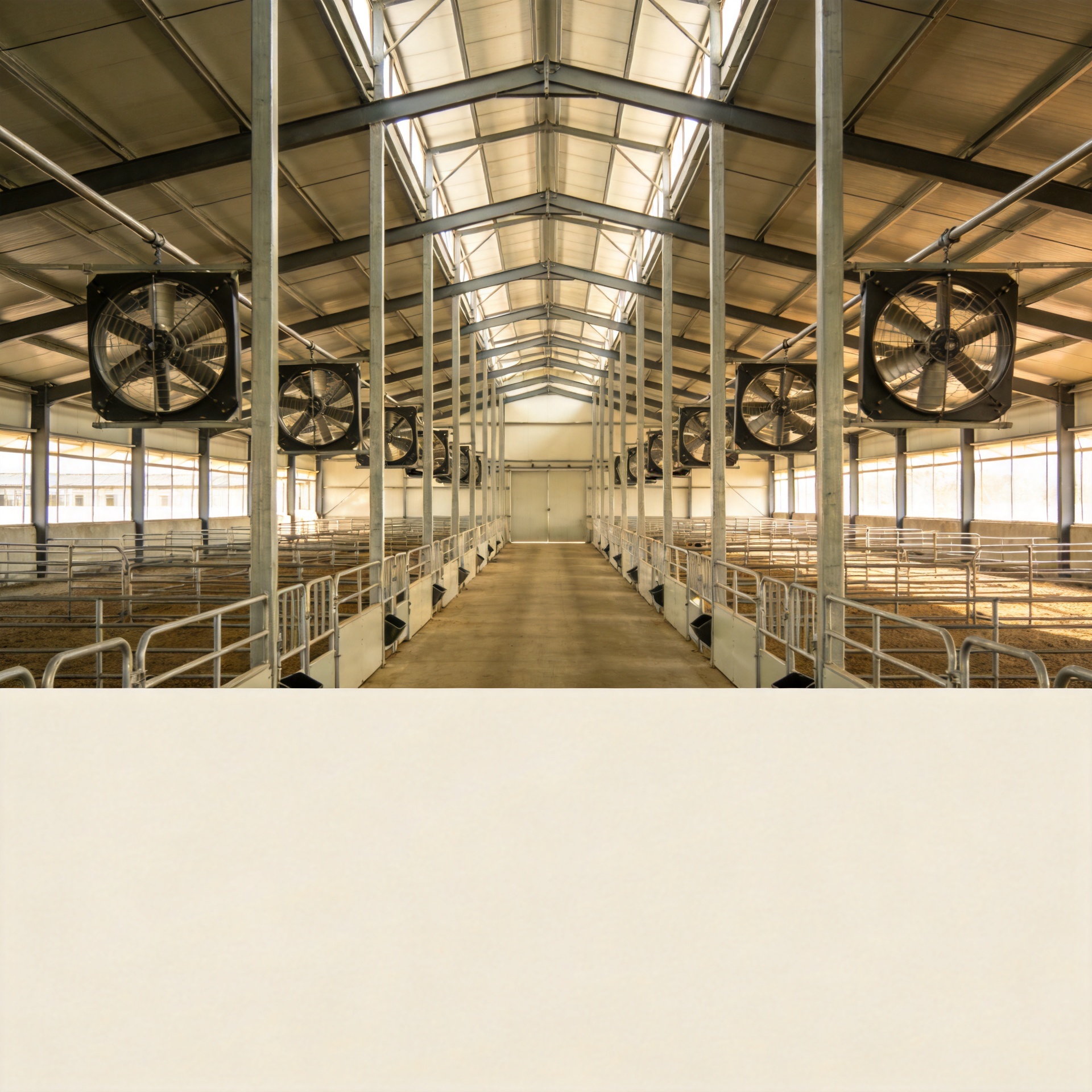
Plan a livestock steel structure for welfare, corrosion resistance, fire considerations, and efficient design-to-delivery decisions.
2026/10/26
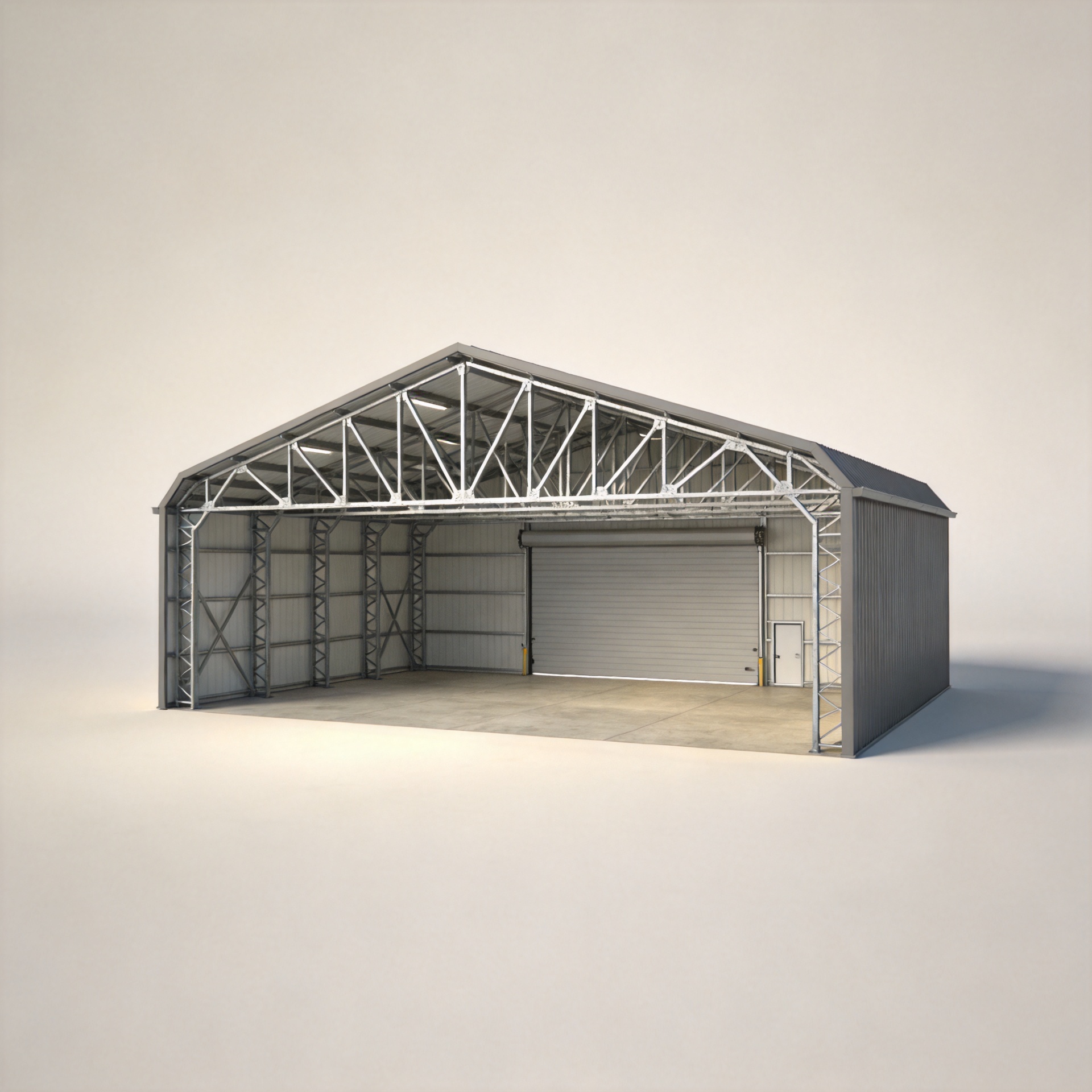
Plan an aircraft steel structure for hangars and support facilities with guidance on loads, corrosion, fire, EN 1090, and delivery milestones.
2026/10/26
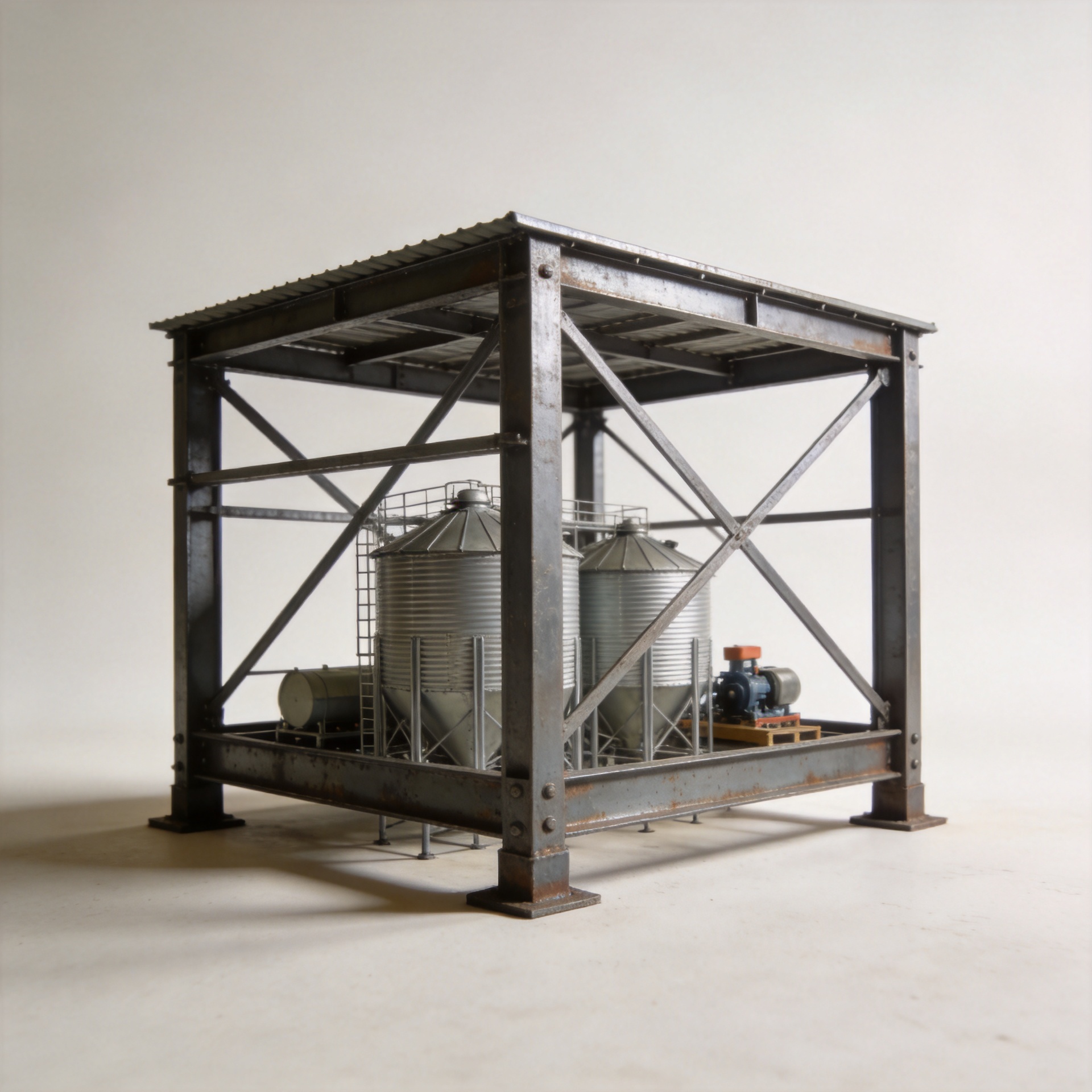
Choose a farm steel structure for agricultural storage with practical guidance on loads, corrosion, compliance, and delivery planning.
