 EN
Warehouse-Workshop Steel Structures: Dual-Use Design
2026/10/26
Plan a warehouse workshop steel structure with smarter zoning, flow, clear height, crane, fire, and expansion decisions.

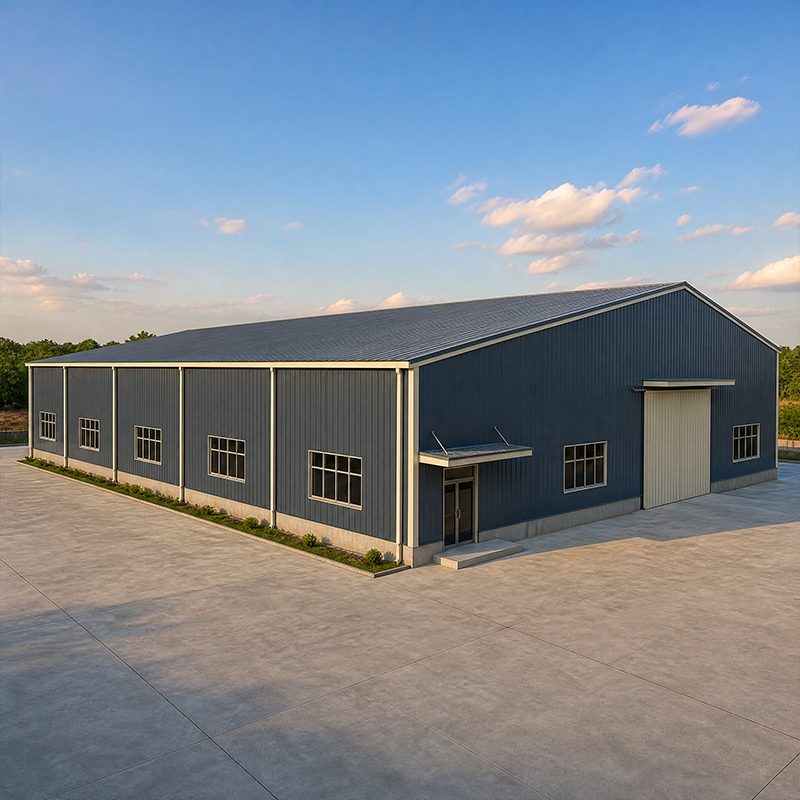
A waterproof steel warehouse protects inventory from the most common and costly threat in industrial storage: water. Rain, condensation and ground moisture find every weak seam, so sealing and drainage decide whether a building stays dry for decades or leaks within a few seasons. For buyers specifying a new facility, the envelope and roof water management deserve attention early in the design, not as a late add-on.
A waterproof steel warehouse that allows even minor leaks exposes stock to mold, rust and structural dampness. Grain, electronics, machinery and packaged goods all lose value the moment moisture enters. Beyond inventory loss, wet insulation loses thermal performance and trapped water accelerates corrosion at bolted connections. The repair bill for fixing a failed envelope after occupancy often exceeds the cost of proper sealing at the design stage, which is why drainage planning belongs in the first drawings rather than the punch list.
A waterproof steel warehouse that tolerates minor seepage still exposes stored goods to mold, rust and dampness that quietly erode value. Grain, paper, electronics and machinery all suffer the moment humidity rises. Wet insulation loses thermal performance, and trapped water accelerates corrosion at bolted joints. The cost of correcting a failed envelope after the building is occupied usually exceeds the price of correct sealing at the design stage, so water management should appear in the first drawings.
For a waterproof steel warehouse, most failures start at joints rather than in the middle of a panel. Thermal movement makes roof and wall sheets expand and contract, and a seam without a continuous seal opens during cold cycles. Poorly detailed penetrations around vents, pipes and skylights create direct paths for driving rain. Wind pressure also pushes water uphill at laps, so a detail that looks sound in calm weather can leak during a storm. Understanding these mechanisms guides every sealing choice that follows.
On a waterproof steel warehouse, the roof carries the largest water load, so its seams matter most. Standing-seam profiles hide the fastener beneath the crown and use a continuous sealant line, which limits exposed penetration points. Clip fixation lets the sheet slide with temperature, avoiding stress cracks. For a pre-engineered building, panel width, rib geometry and seam closure must be specified together so the manufacturer delivers a system rather than loose parts. Sealant grade should match the expected service temperature range.
Vertical cladding laps shed most rain when the slope faces outward, but the real risk sits at transitions: eaves, parapets, corners and where walls meet the roof. Flashing in these zones must be formed, not improvised on site. A proper flashing schedule lists every junction, the sheet type, the seal and the overlap. PVC-steel industrial windows and industrial door systems need factory-fitted gaskets so the moving element never becomes the weakest link in the wall.
A waterproof steel warehouse depends on moving water off the roof quickly. Flat-appearing roofs still need a designed slope, often one to three percent, so water never ponds. Gutters and downspouts must handle local rainfall intensity, not just average weather; undersized outlets back up and overflow into wall cavities. Internal drains suit large footprints but need freeze protection in cold climates. Sizing follows local code and rainfall data, and the calculation should be documented in the design file.
Water that reaches the base attacks the slab and the lower wall. The site should slope away from the building on all sides, with surface drains intercepting runoff before it pools. Perimeter channels and a clean vapor barrier under the slab stop rising damp. In high water-table areas, a drained granular layer with a sump keeps the foundation dry. These measures cost little yet protect the structure for its full service life and reduce long-term maintenance.
Specifying a durable waterproof steel warehouse means pairing good detailing with certified material. Steel grade and coating choice decide how long the envelope resists the moisture that starts corrosion. Quality systems behind fabrication matter as much as the sealant on the roof, because a traceable process prevents the small errors that grow into leaks. Buyers should ask for documented evidence rather than verbal assurance on every protection layer.
Steel selection supports waterproofing indirectly by resisting corrosion that opens gaps. Q355B and Q355D grades with galvanized or glass flake coating hold up in humid and coastal sites. Fabrication under ISO 9001 and welding to ISO 3834, with CE marking through EN 1090, gives traceable quality for export. ASTM and AISC references guide member design, while MBMA and IBC inform drainage and load cases. Specifying certified material reduces the risk of premature envelope failure.
Even a well-built waterproof steel warehouse needs routine checks. Inspect roof seams, flashing and gutters each season and after major storms. Clear debris from outlets, confirm sealant remains flexible and re-coat exposed edges when paint fades. OSHA and NFPA guidance should frame any roof work plan. A simple log of findings lets owners track wear and act before a small crack becomes a soaked aisle. Prevention costs far less than reconstruction.
Specifying a waterproof steel warehouse is less about a single magic product and more about disciplined detailing across seams, flashing and drainage. Begin with the envelope logic, choose certified steel and coatings, size every outlet for real rainfall, and keep a maintenance rhythm. Buyers who treat waterproofing as a system rather than a coating get dry, stable storage that protects inventory and lowers lifetime cost.
What makes a steel warehouse waterproof?
Answer: A waterproof steel warehouse relies on three defenses: continuous seam sealing, a sloped roof that sheds water, and flashing at every junction. Standing-seam roofs, properly sized gutters and a graded site stop water before it reaches stock. Material choice and certified fabrication also matter because corrosion opens gaps. Good detailing beats any single coating, so the whole envelope must be planned as one system.
Why does roof slope matter for drainage?
Answer: Roof slope keeps water moving toward outlets instead of pooling on the surface. Even a shallow one to three percent fall prevents standing water that stresses seams and feeds leaks. Ponding also adds load and accelerates coating fatigue. Local rainfall intensity, not annual averages, should drive gutter and downspout sizing so storms drain without overflow into wall cavities. Documented calculations keep the design defensible for code review.
How is wall cladding sealed against rain?
Answer: Wall cladding is sealed at every lap and transition with formed flashing and a continuous sealant line. Corners, eaves and parapets receive the most attention because they face wind-driven rain. Factory-fitted gaskets around doors and windows close the moving joints. Site fabrication of critical flashing should be avoided; a documented flashing schedule ensures each junction is detailed before panels arrive, removing guesswork during erection.
Which standards apply to waterproof steel structures?
Answer: EN 1090 with CE marking covers structural steel execution for export, while ISO 3834 governs welding quality and ISO 9001 the management system. ASTM and AISC inform member design, and MBMA with IBC guide drainage and load cases. OSHA and NFPA frame safe maintenance access. Certified fabrication delivers traceable quality that lowers the chance of early envelope failure and supports smoother customs and tender approval.
When should drainage be inspected?
Answer: Drainage deserves inspection each season and after every major storm. Crews should clear gutters and outlets, check seam sealant for flexibility and confirm flashing stays tight. Early signs of ponding or staining mean action before water enters. A short written log tracks wear and schedules re-coating. Routine checks cost little compared with repairing a soaked, corroded structure later, so the habit protects both stock and frame.
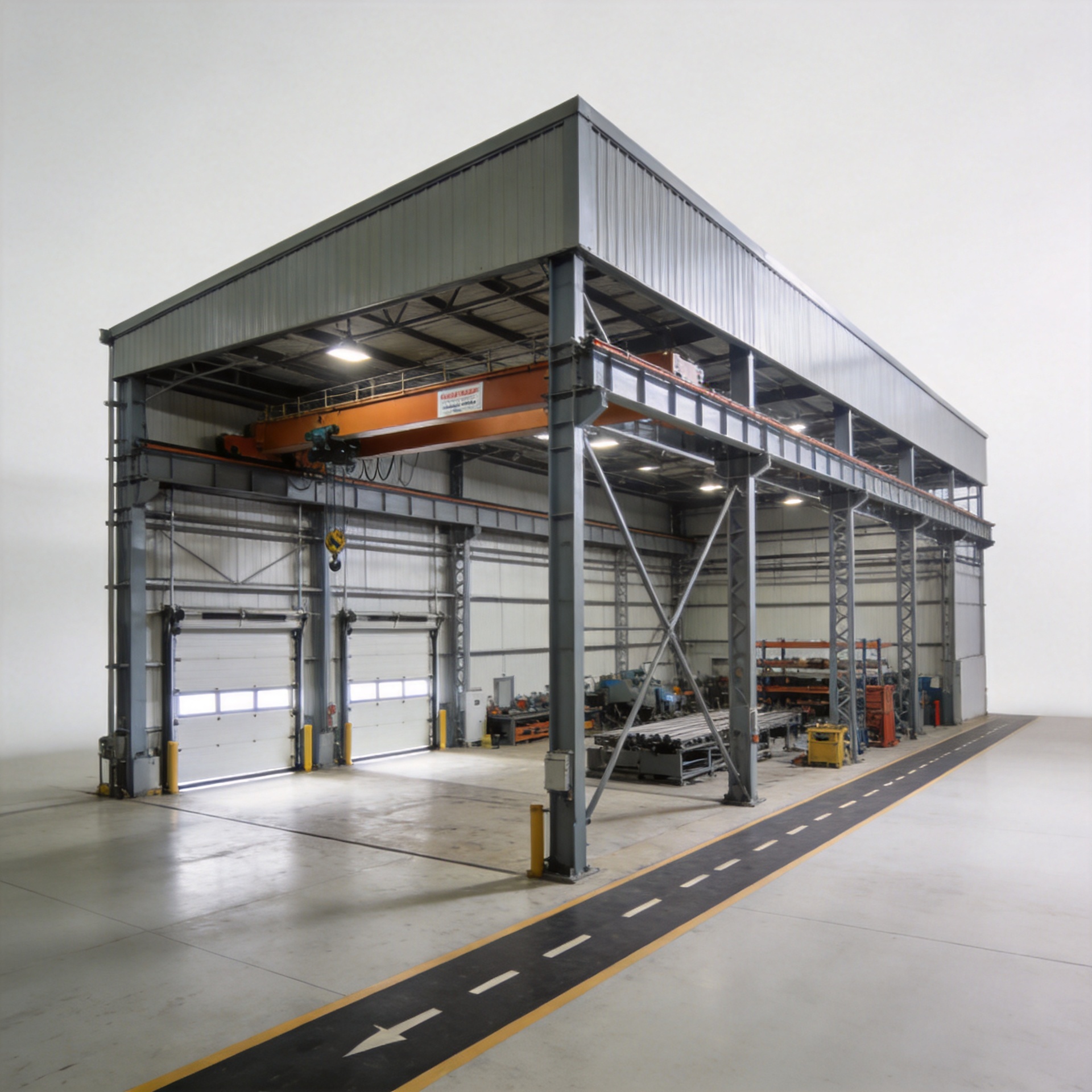
2026/10/26
Plan a warehouse workshop steel structure with smarter zoning, flow, clear height, crane, fire, and expansion decisions.
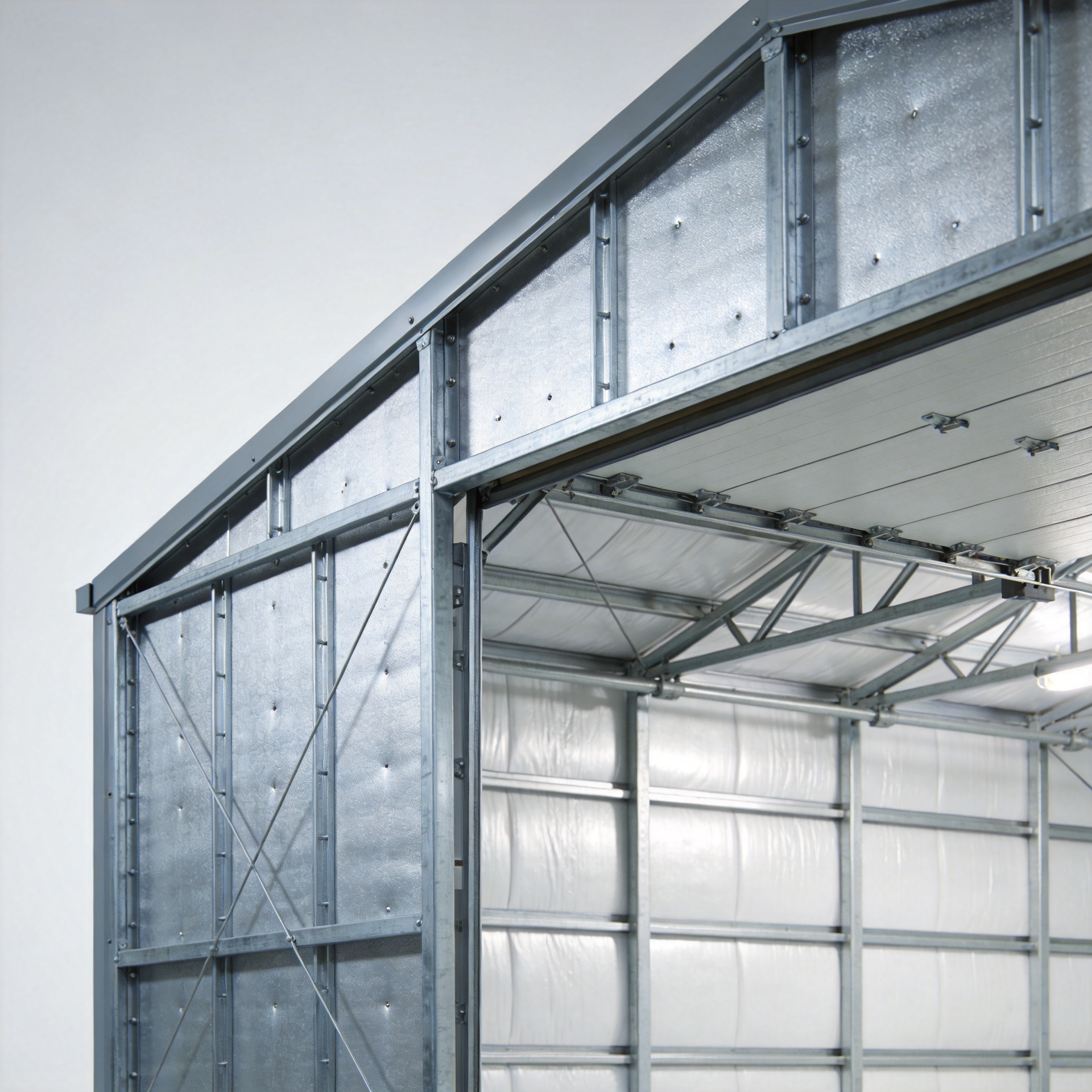
2026/10/26
Plan a cold storage steel structure with insulation, vapor control, thermal breaks, refrigeration interfaces and corrosion-ready details.
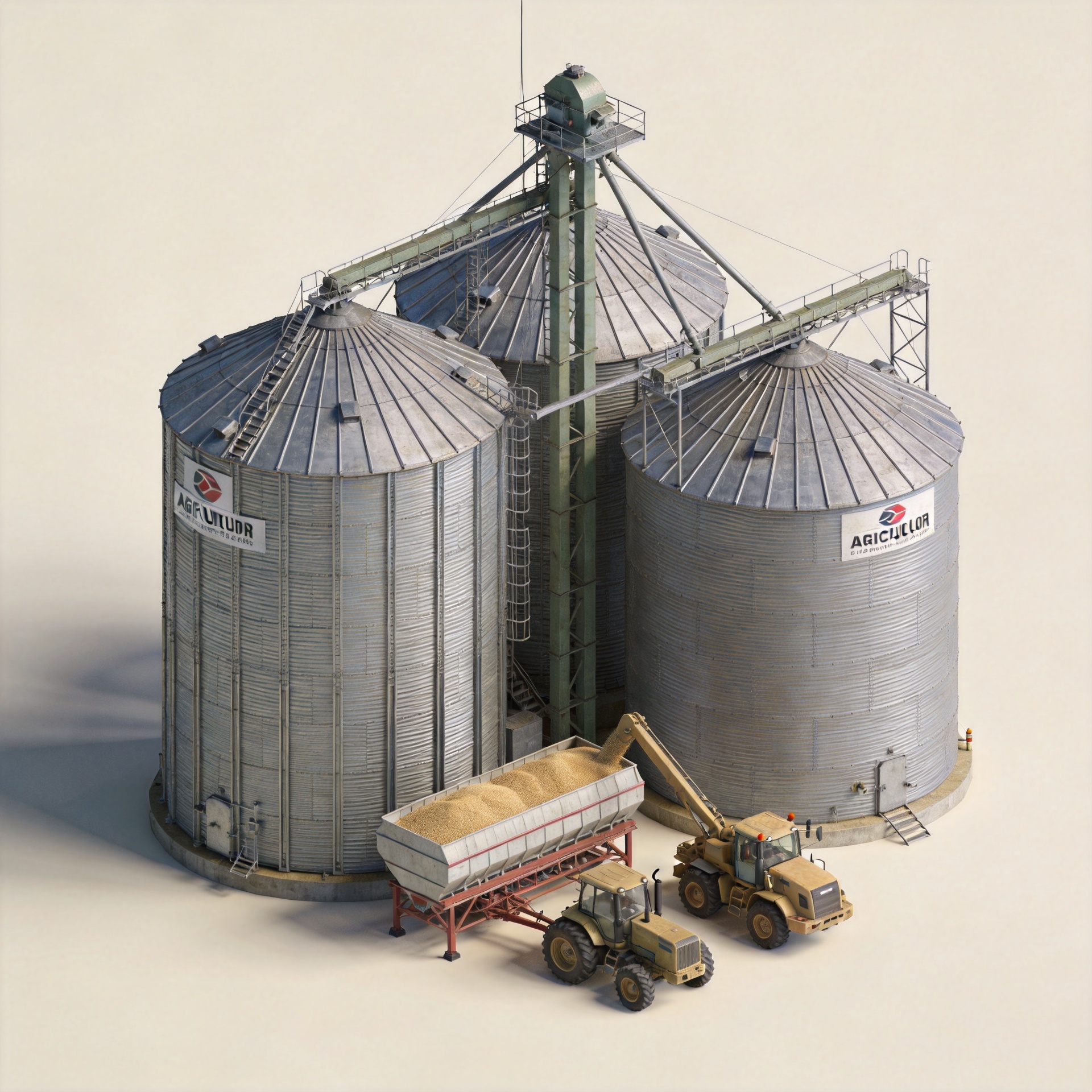
2026/10/26
Plan an agricultural steel structure that scales from machinery barn to storage and farm logistics hub with practical design and procurement steps.
2026/10/26
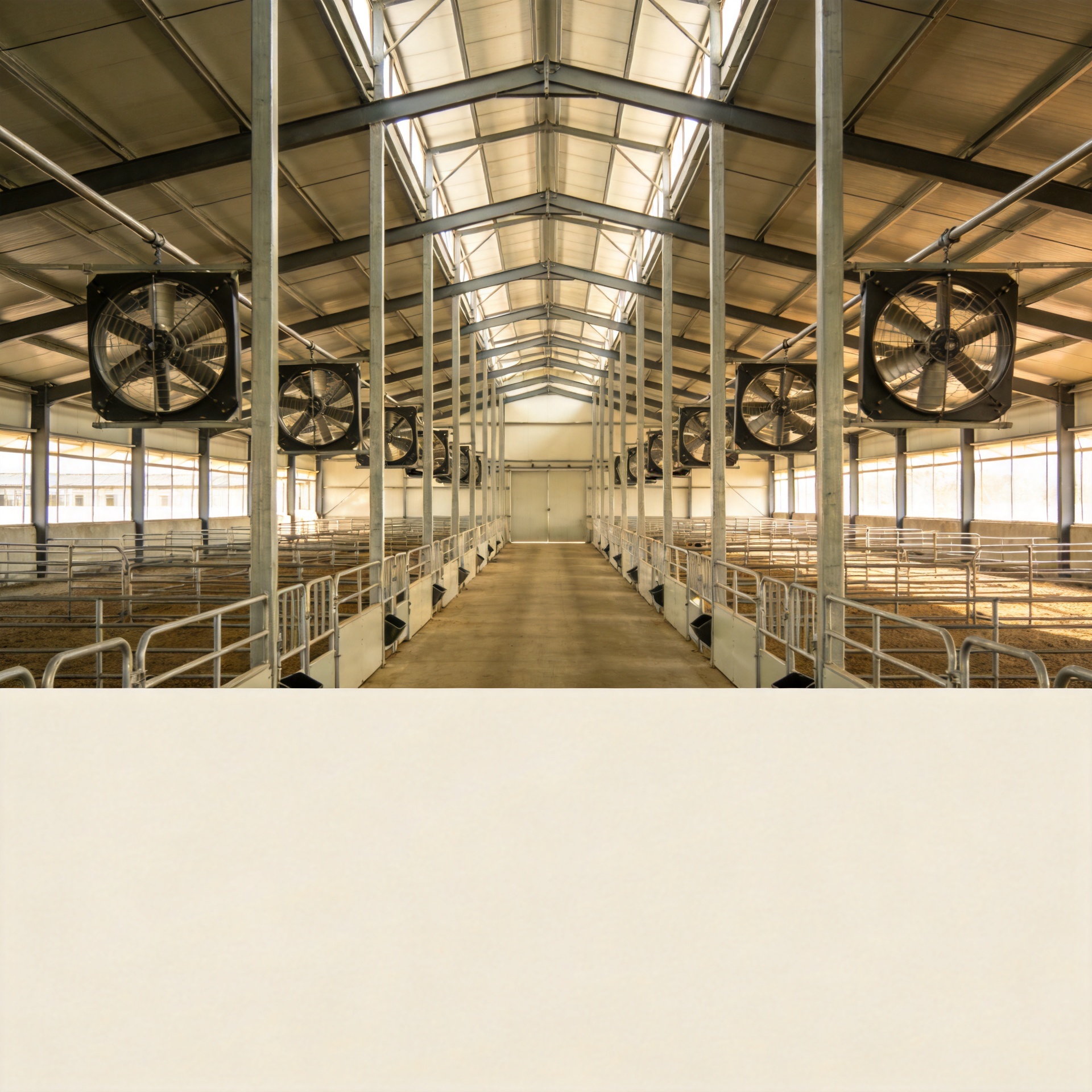
Plan a livestock steel structure for welfare, corrosion resistance, fire considerations, and efficient design-to-delivery decisions.
2026/10/26
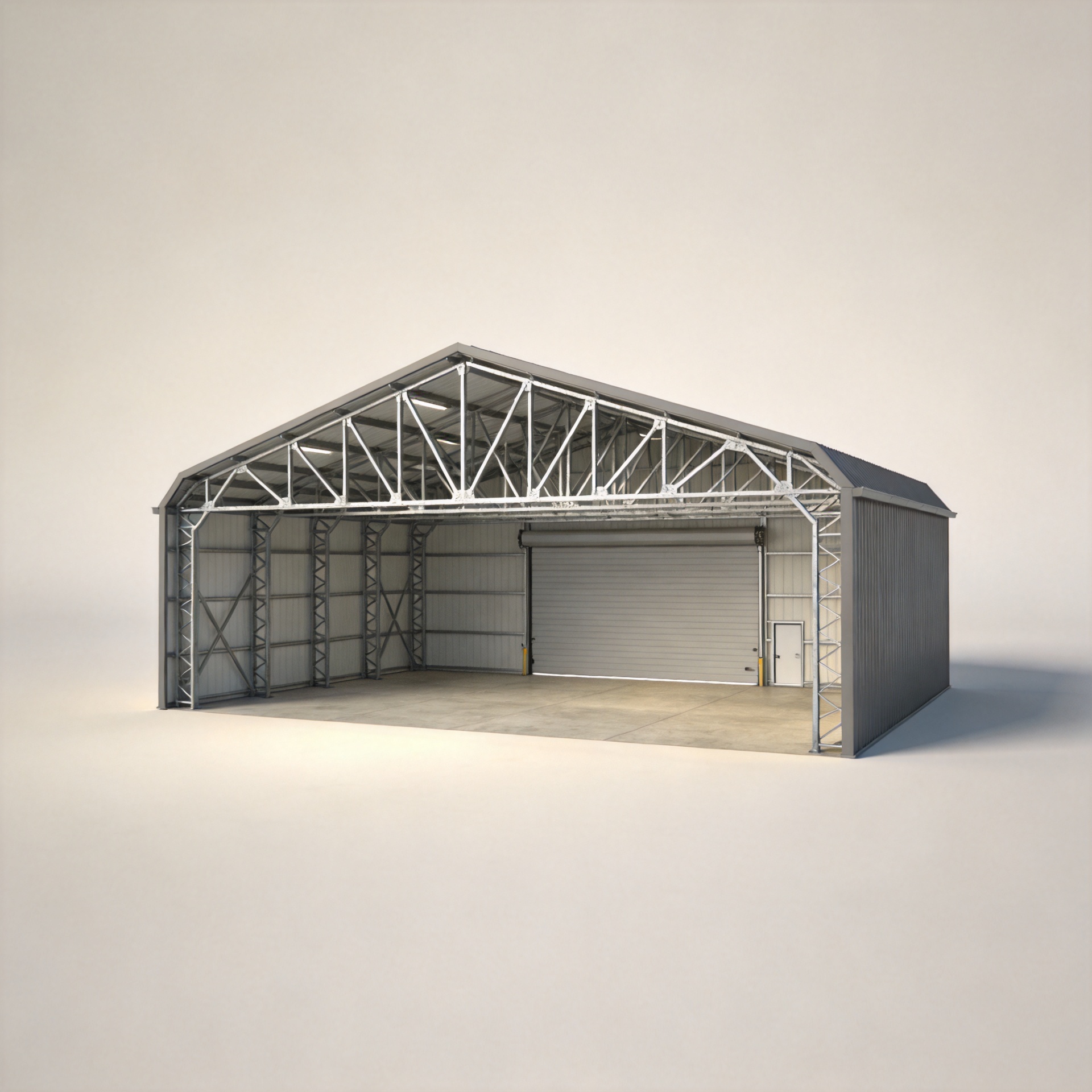
Plan an aircraft steel structure for hangars and support facilities with guidance on loads, corrosion, fire, EN 1090, and delivery milestones.
2026/10/26
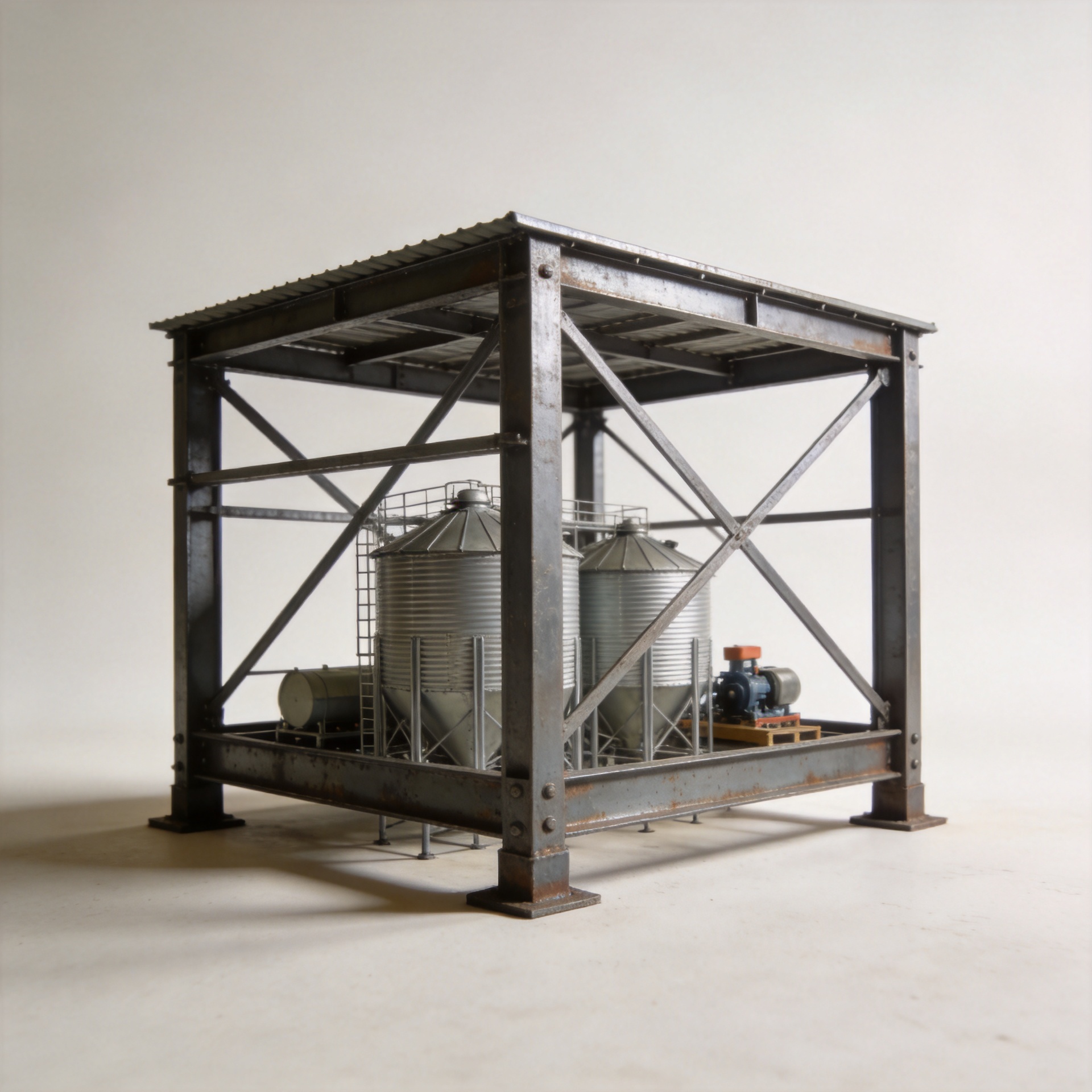
Choose a farm steel structure for agricultural storage with practical guidance on loads, corrosion, compliance, and delivery planning.
