 EN
Warehouse-Workshop Steel Structures: Dual-Use Design
2026/10/26
Plan a warehouse workshop steel structure with smarter zoning, flow, clear height, crane, fire, and expansion decisions.

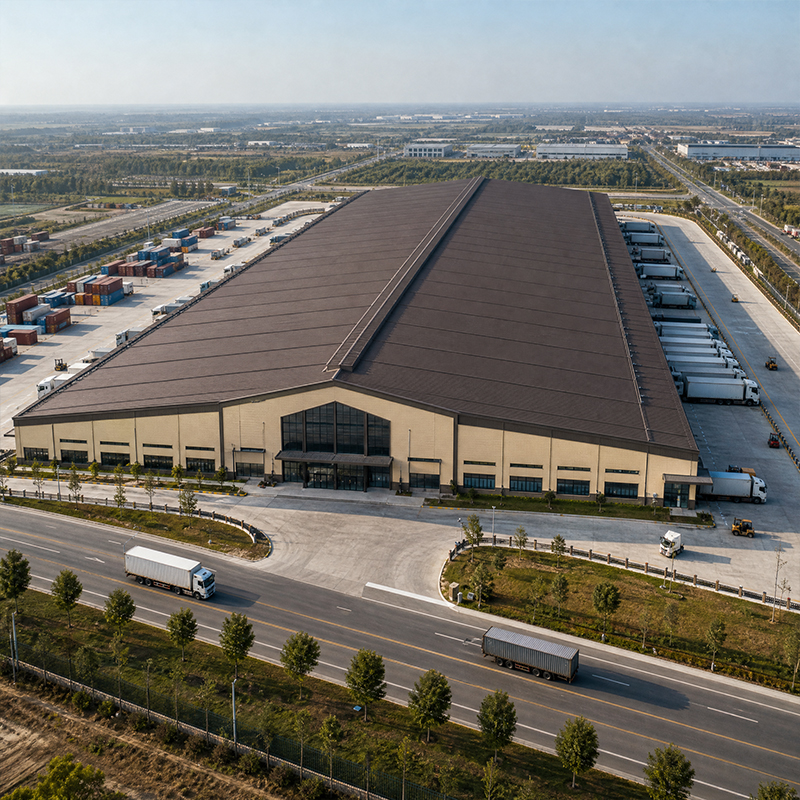
Choosing the right enclosure for equipment, livestock, or bulk material starts with understanding how the building will be used. Structural steel sheds deliver a rigid, weather-resistant shell that outperforms fabric and timber alternatives in span and lifespan. The first step is matching the frame to the load it must carry, because a shed sized only for light storage will fail under heavy snow or suspended machinery. Beyond the frame itself, owners should also account for door configuration, ventilation, and future reconfiguration, since a shed that cannot adapt to a new use becomes a liability the moment operations change.
Structural steel sheds serve farms, workshops, vehicle bays, and bulk-material covers where clear interior space matters. Open-front machinery sheds keep tractors dry, while enclosed versions store feed or spares without interior columns blocking movement. Because the frame carries both roof and any hung loads, designers size members against expected snow, wind, and live load using AISC 360 limits. Matching the envelope to the duty, open for ventilation or closed for security, prevents the common mistake of building a shell that fights the daily work it was meant to shelter. Structural steel sheds reward early planning because the fabricated frame fixes the usable footprint for the building's entire working life.
Shed width, eave height, and bay spacing decide both usability and cost. Wider bays reduce columns but deepen beams, so a 6 to 9 m grid often balances value against openness. Eave height should clear the tallest vehicle or stack with margin for future change. IBC occupancy tables help set live-load assumptions, and FEA confirms the chosen geometry stays within deflection limits. Owners who skip this step often discover too late that a low eave traps expensive equipment or that a tight bay grid wastes the very floor space the shed was bought to provide. A clear dimensional brief keeps the supplier from guessing and keeps the price comparable across bids.
Q355B and Q355D plates form the primary frame, with Q355D favored where low-temperature toughness is needed. Galvanization and glass-flake coating shield members from rust in wet or abrasive settings such as livestock housing. ISO 9223 informs corrosion-category selection, guiding coating thickness to the environment. EN 1090 requires documented welding and coating so buyers receive traceable proof of protection. Structural steel sheds in coastal or high-humidity sites demand thicker coating systems, and specifying the right category up front avoids premature rust that no amount of repainting later can fully hide once the frame is erected.
Most structural steel sheds arrive as bolted assemblies using 10.9S high-strength bolts, which speed erection and stay inspectable. CNC cutting and robotic welding improve fit-up, while BIM clash checks reduce on-site rework. Galvanized C and Z purlins tie the envelope to the frame. Prefabrication controls dimensions before shipping, so the structure rises quickly with certified quality. Because every connection is designed and drilled in the shop, the field crew spends time bolting rather than cutting, which shortens the critical path and reduces the weather exposure that threatens any steel structure left open on site.
Steel tonnage, span, coating system, and insulation drive most of the budget for structural steel sheds. Larger clear spans need heavier sections, and climate enclosures with 150 mm PIR add panel cost. Foundation work varies with soil and shed footprint. ANSI/AISC 303 shop practice keeps fabrication efficient, but custom details raise hours. A transparent bill of materials lets an owner see exactly where money goes, separating the frame, the envelope, the foundation, and the logistics into line items that can be compared honestly rather than buried inside a single headline number that hides scope.
Value comes from right-sizing, not stripping protection. Standardizing bay spacing and frame type reduces engineering and waste. Specifying galvanization where corrosion risk is real, instead of premium coatings everywhere, balances cost and life. ISO 9001 controls during production avoid defects that cause expensive rework. Structural steel sheds from a supplier with 500-plus completed projects and broad country experience are more likely to arrive with verified papers and a smooth technical handover, because repeatable process, not discounting, is what keeps the total installed cost predictable from quotation to final bolt.
Evaluate suppliers on certified steel grades, execution standards, and proven project history rather than price alone. Ask for EN 1090 or CE documentation, FEA reports, and reference builds across similar climates. Confirm sea packing and bilingual manuals support overseas delivery. Structural steel sheds built by a fabricator who controls cutting, welding, and coating under one roof reduce the handoff risk that appears when subcontractors each own a slice of the quality record. Insist on the as-built drawings and the welding procedure specification traveling with the shipment so the structure can be verified on arrival.
Inspect bolts, purlins, and coating twice yearly, especially after storms or heavy snow. Touch up scratched galvanization before rust spreads, and keep drainage clear so water never pools at the base. Structural health monitoring suits very large sheds by tracking movement trends. Avoid unauthorized cuts or added suspended loads, since these change the certified design. Structural steel sheds reward routine attention with decades of reliable service, and a simple written log of each inspection gives owners defensible evidence of care that supports insurance terms and protects resale value when the asset is eventually traded.
Well-planned structural steel sheds combine clear-span flexibility, certified corrosion protection, and transparent costing into a building that pays back through low upkeep. Matching size, grade, and coating to the real duty cycle keeps both safety and budget under control from the first design meeting to final handover.
Frequently Asked Questions
Question How long do structural steel sheds last?
Answer Service life depends on coating and environment, but galvanized and properly maintained frames routinely serve several decades. ISO 9223 guides coating choice to the corrosion category, so wet or coastal sites get thicker protection. Twice-yearly inspection and prompt touch-up of scratches stop rust before it spreads. Avoiding unauthorized modifications preserves the certified design and keeps the structure safe throughout its long working life.
Question What is a cost-effective way to build a steel shed?
Answer Good value comes from right-sizing the span, standardizing bays, and specifying galvanization only where corrosion risk is real. ISO 9001 production control avoids defective parts that cause rework. Comparing a transparent bill of materials reveals true scope, not just the headline price. Stripping safety margins or certified protection usually costs more later through repairs, so balance savings against verified durability.
Question Do steel sheds need a concrete foundation?
Answer Most sheds sit on a prepared concrete slab or strip footings sized from a geotechnical report. Soil type, shed weight, and equipment traffic decide the exact system. EN 1997 guides European foundation design, while local codes apply elsewhere. A level, well-drained base prevents settlement that can rack the frame, so the foundation deserves as much attention as the steel above it.
Question Can a steel shed be expanded later?
Answer Clear-span frames and modular bay design make extension straightforward when anchors and foundation are planned for growth. Adding bays means repeating the standard frame rather than re-engineering. BIM models help verify new loads against the existing structure. Discuss future expansion during the first design so connections and footings accommodate the extra span without costly demolition or reinforcement later.
Question Which coating protects a farm steel shed best?
Answer Galvanization resists the moisture and ammonia common in livestock housing, while glass-flake coating suits abrasive or chemical environments. ISO 9223 sets the corrosion category that dictates thickness. EN 1090 requires documented application so the claimed protection is verifiable. Touch up damage quickly and inspect twice yearly. Matching coating to duty, not price, gives the longest trouble-free service.
2026/10/26
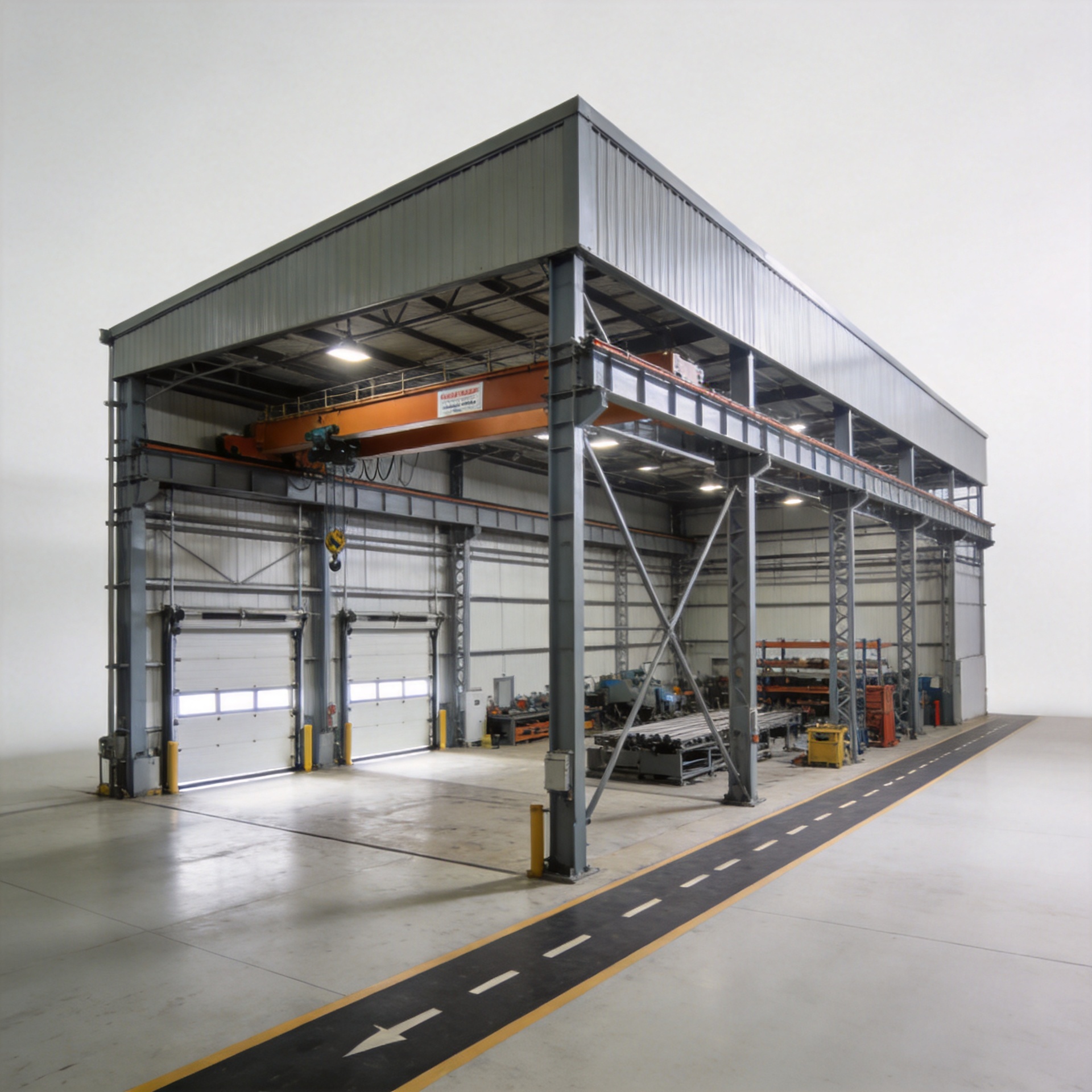
Plan a warehouse workshop steel structure with smarter zoning, flow, clear height, crane, fire, and expansion decisions.
2026/10/26
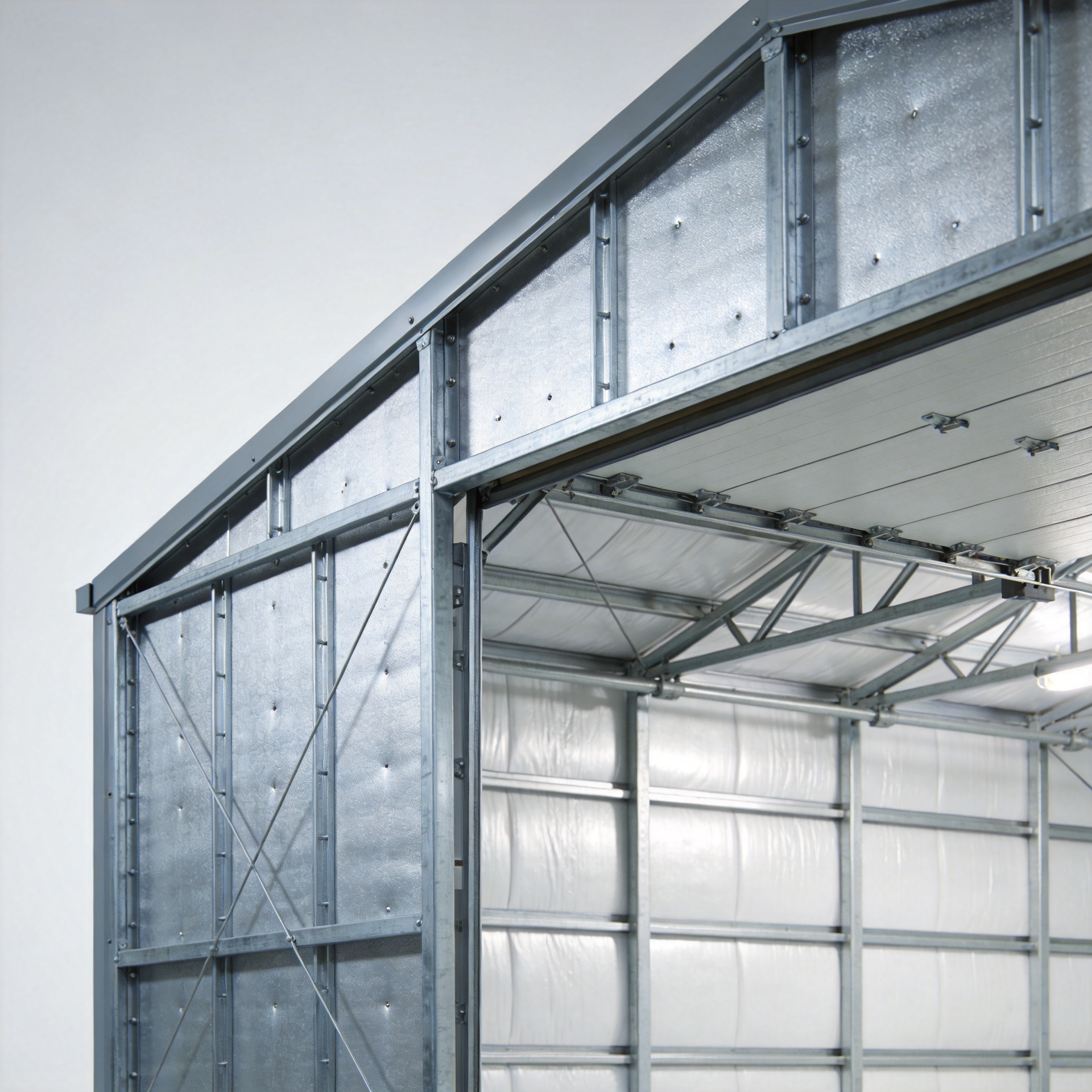
Plan a cold storage steel structure with insulation, vapor control, thermal breaks, refrigeration interfaces and corrosion-ready details.
2026/10/26
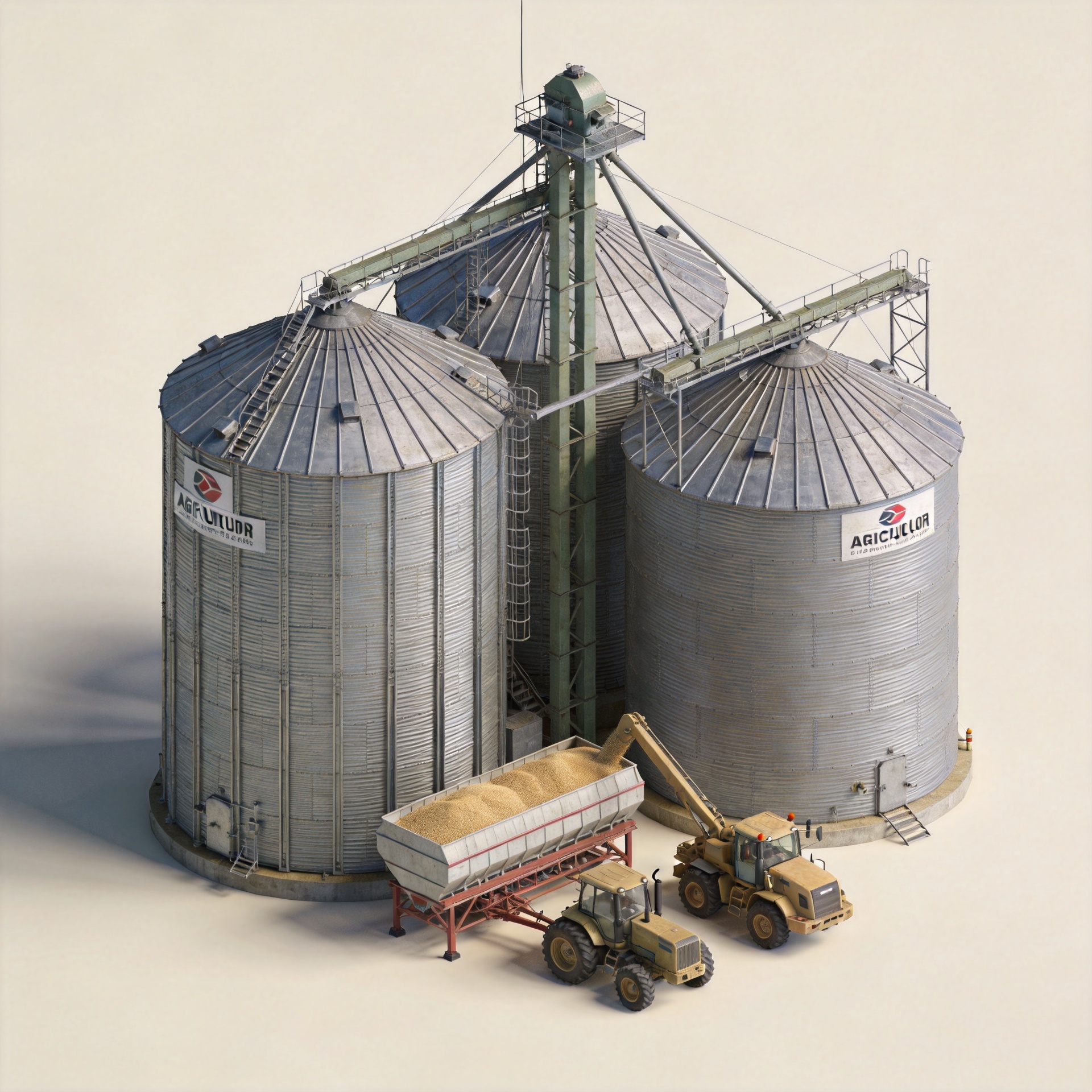
Plan an agricultural steel structure that scales from machinery barn to storage and farm logistics hub with practical design and procurement steps.
2026/10/26
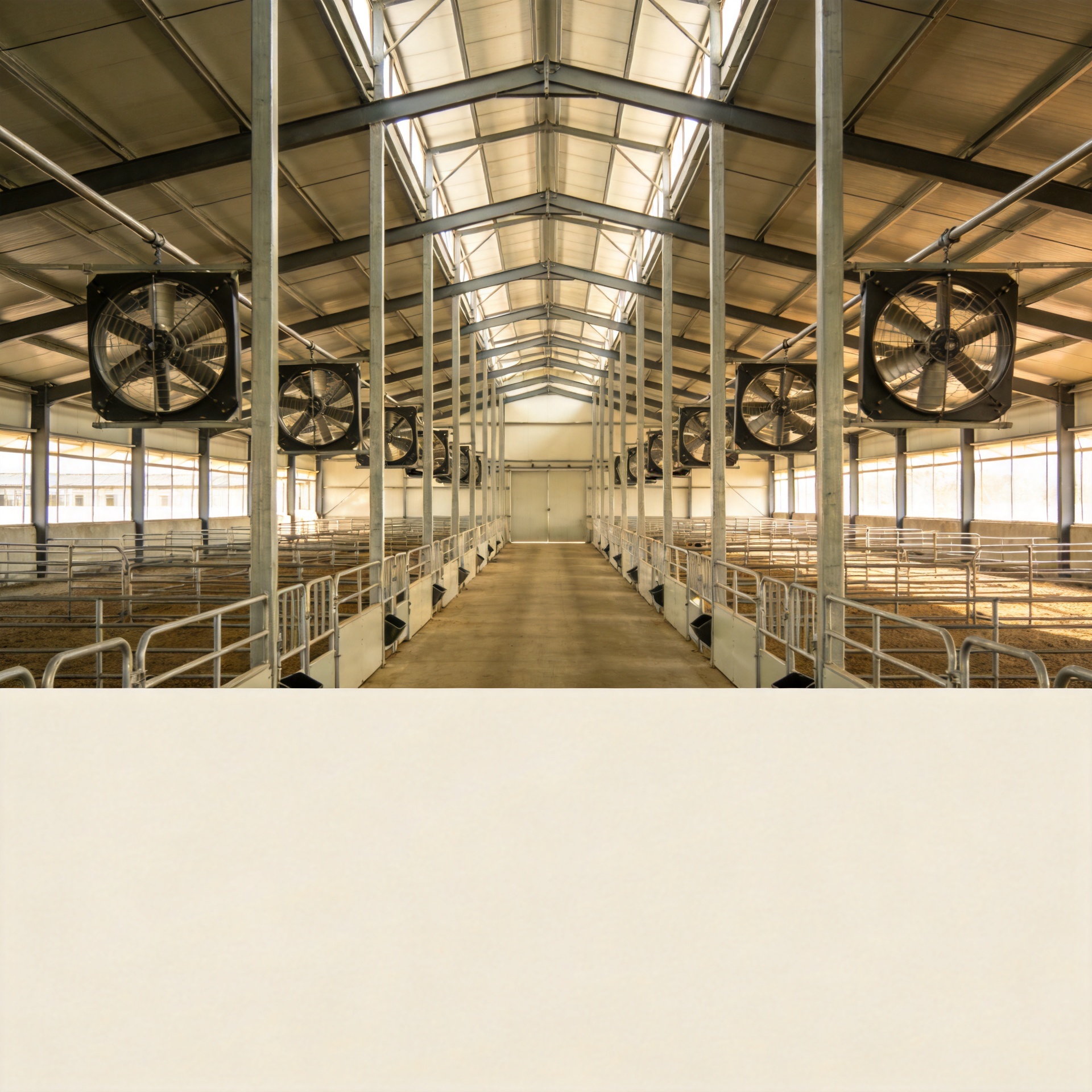
Plan a livestock steel structure for welfare, corrosion resistance, fire considerations, and efficient design-to-delivery decisions.
2026/10/26
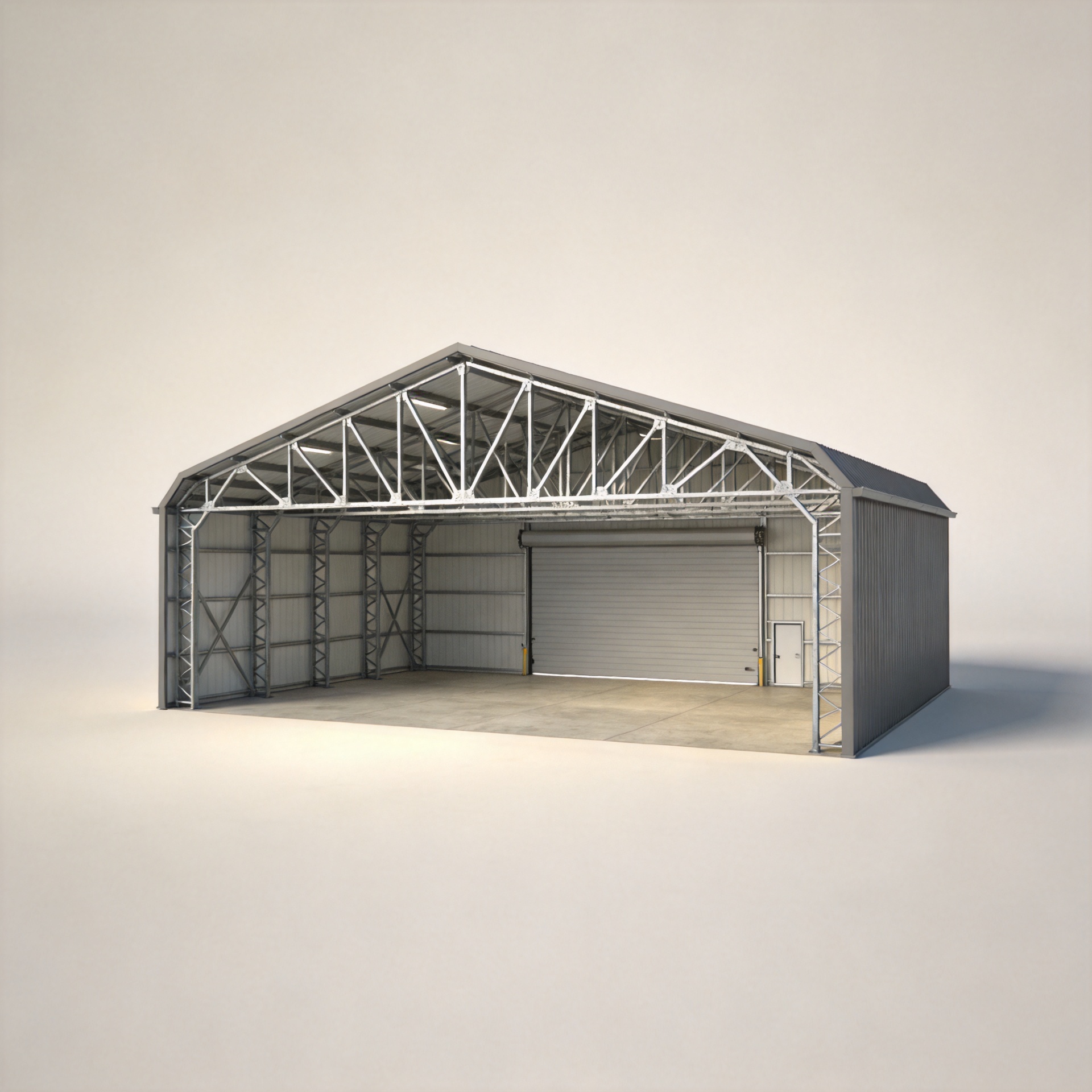
Plan an aircraft steel structure for hangars and support facilities with guidance on loads, corrosion, fire, EN 1090, and delivery milestones.
2026/10/26
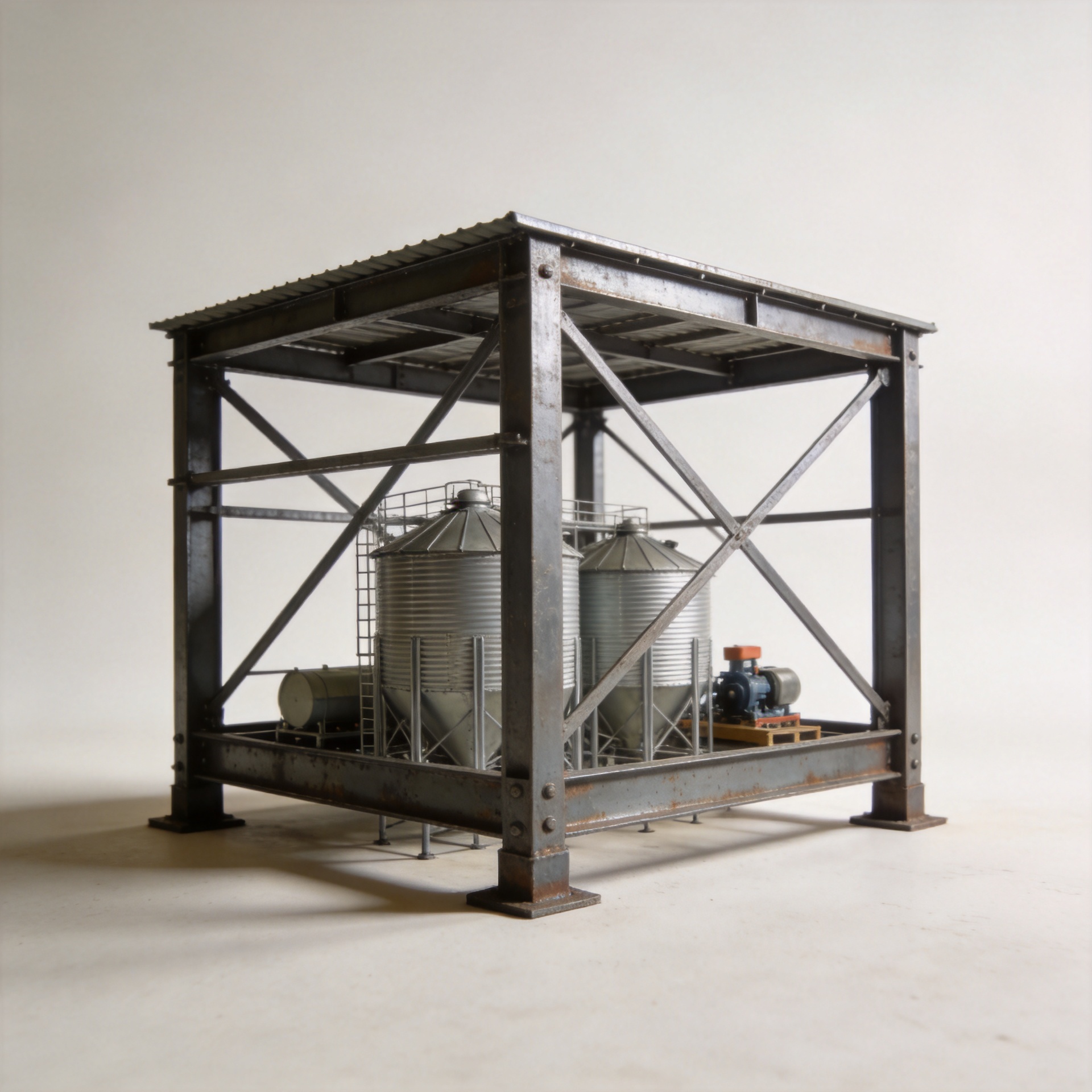
Choose a farm steel structure for agricultural storage with practical guidance on loads, corrosion, compliance, and delivery planning.
