 EN
Warehouse-Workshop Steel Structures: Dual-Use Design
2026/10/26
Plan a warehouse workshop steel structure with smarter zoning, flow, clear height, crane, fire, and expansion decisions.

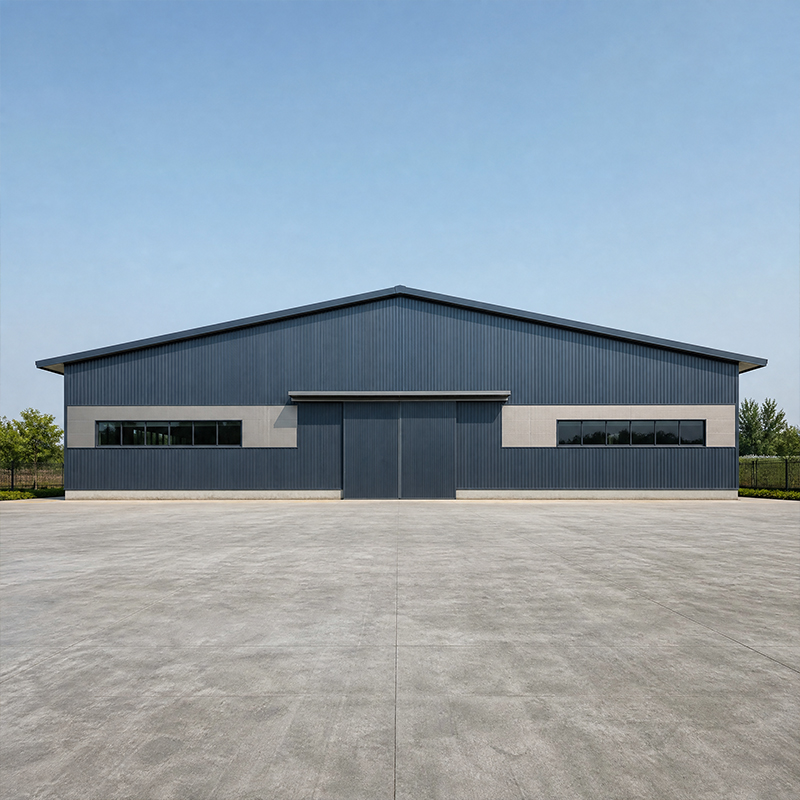
A livestock steel warehouse serves as the backbone of modern farm storage, holding seasonal grain harvests and compounded feed inside a dry, secure envelope. On a working livestock operation, the gap between a sound building and a failing one shows up quickly as mold, rodent loss and rejected feed batches. The following sections walk through the design logic and maintenance habits that keep agricultural inventory safe through humid summers and freezing winters, turning the structure into a production asset rather than a passive shed.
The first reason a livestock steel warehouse earns its place on a farm is moisture control. Grain storage breathes, and when warm air meets a cool wall, condensation forms that feeds fungal growth and heats the pile. A farm steel warehouse built from timber or fabric cannot hold a tight vapor barrier, so relative humidity inside drifts upward and spoilage accelerates within weeks. Steel panels with sealed joints, especially galvanized steel sheets with sealed laps, break that cycle by keeping outside humidity out and letting mechanical ventilation move air through the stack. The economic argument is straightforward: a few lost percentage points of grain storage each season pays for a proper farm steel warehouse several times over.
Feed Quality and Animal Health Link
Feed storage carries vitamins, fats and proteins that degrade when exposed to light, heat and pests. A livestock steel warehouse shields those nutrients because the opaque envelope blocks sunlight and the rigid galvanized steel frame supports insulated cladding that holds a stable interior temperature. When feed storage stays fresh, livestock convert it more efficiently and veterinary costs tied to mycotoxins drop. Treating the grain storage and feed storage building as part of the production chain, rather than a passive cover, shifts the whole operation toward consistent animal performance and steadier feed conversion across the year.
Active ventilation is the most decisive feature in any grain or feed store. Ridge vents paired with louvered side inlets create a chimney effect that carries moisture-laden air upward and out, while intake louvers bring drier outside air in at low level. The calculation depends on local climate, fill height and pile temperature, so a structural engineer should size the openings rather than guess. Negative pressure fans add control during humid spells and help equalize temperature so the bulk does not develop hot spots.
Rodents and birds cause direct loss and spread disease, so the envelope must close every gap. A livestock steel warehouse helps here because steel does not rot and precise factory-cut panels leave few cracks for entry. Door sweeps, mesh over vents and sealed utility penetrations remove the easy routes pests exploit in masonry buildings. Regular perimeter inspection matters as much as the initial build. Gravel or concrete aprons around the base deny burrowing access, and keeping vegetation cut back removes cover that attracts rodents to the wall line, lowering contamination risk near stored animal feed.
Farm air is aggressive: ammonia from adjacent livestock housing, fertilizer dust and wet cycles attack unprotected steel. Hot-dip galvanizing coats every member in a bonded zinc layer that sacrifices itself to protect the base metal, giving decades of service without repainting. For a livestock steel warehouse sitting beside a feedlot, this galvanized steel protection is the baseline rather than an upgrade. The process also reaches inside bolt holes and welded seams, so the whole section is covered rather than just the visible face. Specifying galvanized steel connections avoids the rust streaks that weaken joints and stain the grain storage or feed storage product below.
Coating Choices and Steel Grades
Where local codes or client preference call for painted finishes, glass flake coating resists chemical attack better than standard paint and tolerates abrasion from handling equipment. Structural grades such as Q355B and Q420B deliver the strength for long spans while keeping member weight reasonable, and Z-direction steel resists lamellar tearing where thick plates meet heavy loads. On a farm steel warehouse, these grades let a single clear-span frame cover both grain storage and feed storage without excessive tonnage. International benchmarks guide the specification: EN 1090 and ISO 3834 govern fabrication and welding quality, ISO 9001 covers the management system, and CE marking confirms conformity for European-bound projects.
A regional grain handler in Northeast China faced recurring winter condensation that ruined bags of rice and maize. The operation ran a livestock steel warehouse beside its drying yard, but the old fabric cover let snowmelt seep in. The rebuild used a galvanized portal frame with 150 mm PIR sandwich walls, ridge ventilation and a sealed concrete slab. After one full storage season the owner reported near-zero damp loss and faster loading because clear internal spans removed interior columns that blocked forklifts. The project followed EN 1090 execution classes and ISO 9001 documented checks, which the buyer used to satisfy an export audit and demonstrate traceable quality control.
Practical upkeep keeps a livestock steel warehouse performing for decades. Walk the perimeter each month to check coatings for scratches, clear vents of dust and nesting, and confirm door seals stay compressed. After heavy storms, inspect roof seams and gutters so water never pools against the wall. When specifying a supplier, request mill certificates, welding procedure qualification and a documented inspection plan rather than a verbal assurance. Ask how panels are cut and whether galvanizing is full immersion. These questions separate a fabricated-to-standard building from a loosely assembled one and protect the investment behind every ton of grain and feed stored.
A well-planned livestock steel warehouse pays back through saved grain, healthier livestock and lower repair bills. The combination of a galvanized frame, controlled ventilation and a sealed envelope turns a simple farm shed into reliable infrastructure. Buyers who check certifications and maintenance access upfront avoid the costly surprises that appear only after the first hard season of storage.
What is the ideal ventilation setup for a farm grain store?
Answer: A reliable setup pairs ridge vents with low-level louvered inlets so warm, moist air rises and exits while drier outside air enters at floor level. For humid regions, negative pressure fans add controllable exhaust and prevent hot spots in the stored bulk. Opening size should follow a ventilation calculation based on climate, fill height and pile temperature rather than a fixed rule, and keeping vents clear of dust maintains steady airflow that protects grain quality.
Why does hot-dip galvanizing matter for farm storage buildings?
Answer: A livestock steel warehouse stands beside feedlots and fertilizer stores where ammonia and moisture attack bare steel. Hot-dip galvanizing bonds a zinc layer that sacrifices itself to protect the base metal, reaching bolt holes and seams that paint misses. The result is decades of service without repainting and no rust streaks staining stored feed. Specifying full immersion galvanizing rather than spray coating gives continuous coverage and lower lifetime maintenance across the whole frame.
How is pest entry prevented in steel farm buildings?
Answer: Steel does not rot, and factory-cut panels leave few gaps, but pests still exploit doors, vents and utility penetrations. Door sweeps, mesh over louvers and sealed conduit entries close those routes. A gravel or concrete apron around the base blocks burrowing, while trimmed vegetation removes cover near the wall. Monthly perimeter checks catch new gaps before rodents settle in. Combined with a tight envelope, these measures keep stored grain and feed free from contamination and vermin-borne disease risk.
When should coating maintenance be scheduled?
Answer: Coating care should follow a fixed calendar plus event triggers. A monthly walk-around checks for scratches, impact damage and pooled water at seams. After storms or chemical spills, inspect immediately and touch up exposed steel before rust spreads. In coastal or high-ammonia sites, plan a fuller review each year and repaint only the affected zones. Documenting each check builds a maintenance record that supports resale value and proves the structure has been cared for under a consistent program.
Which steel grade suits long-span feed storage frames?
Answer: For clear spans up to sixty meters, Q355B offers a strong, workable baseline, while Q420B suits heavier loads with lighter members. Where thick plates carry concentrated reactions, Q355B-Z35 resists lamellar tearing through the plate thickness. The choice depends on span, snow and crane load rather than a single default grade. Requesting mill certificates and matching the grade to the structural calculation ensures the frame performs without overbuilding, keeping both safety margin and material cost in balance.
2026/10/26
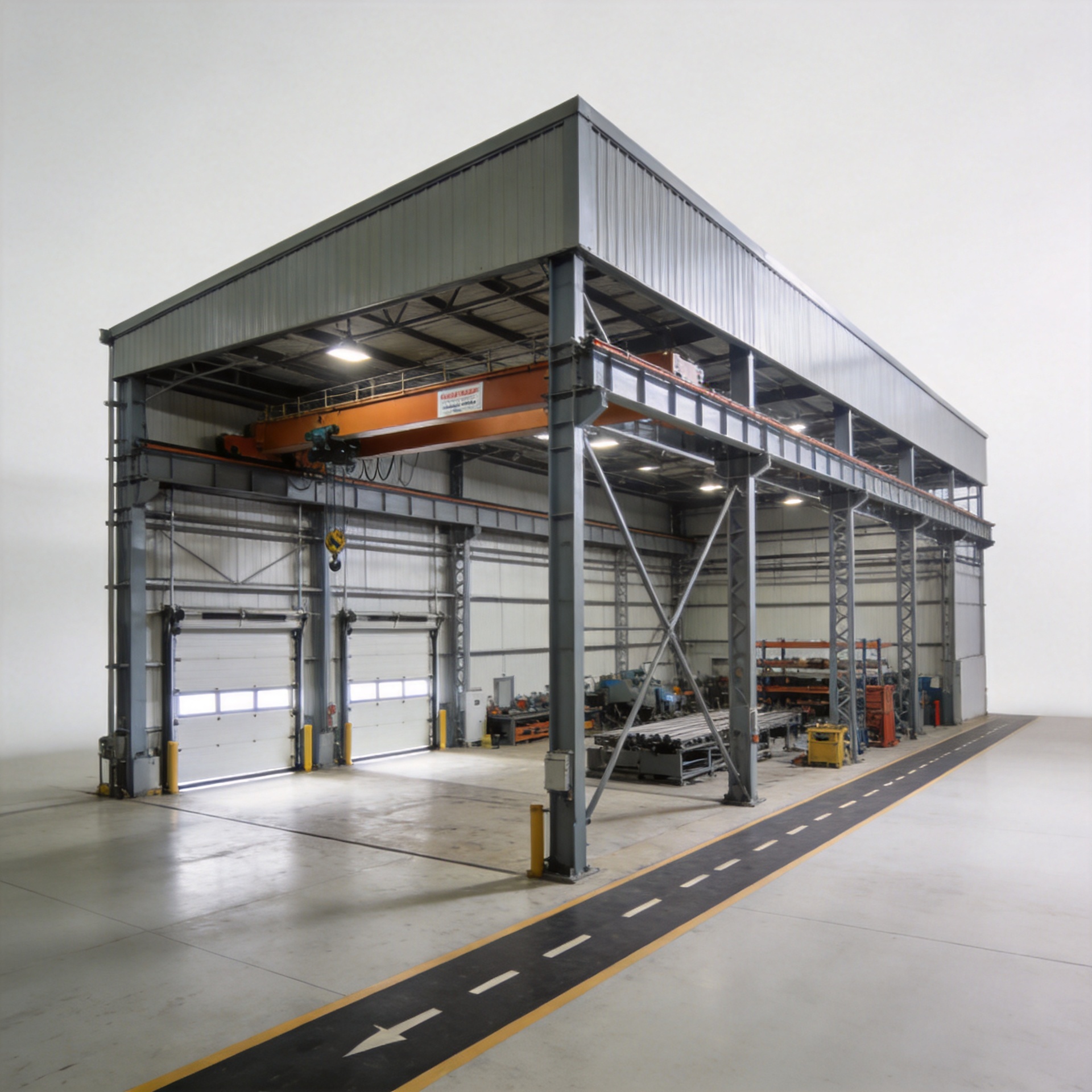
Plan a warehouse workshop steel structure with smarter zoning, flow, clear height, crane, fire, and expansion decisions.
2026/10/26
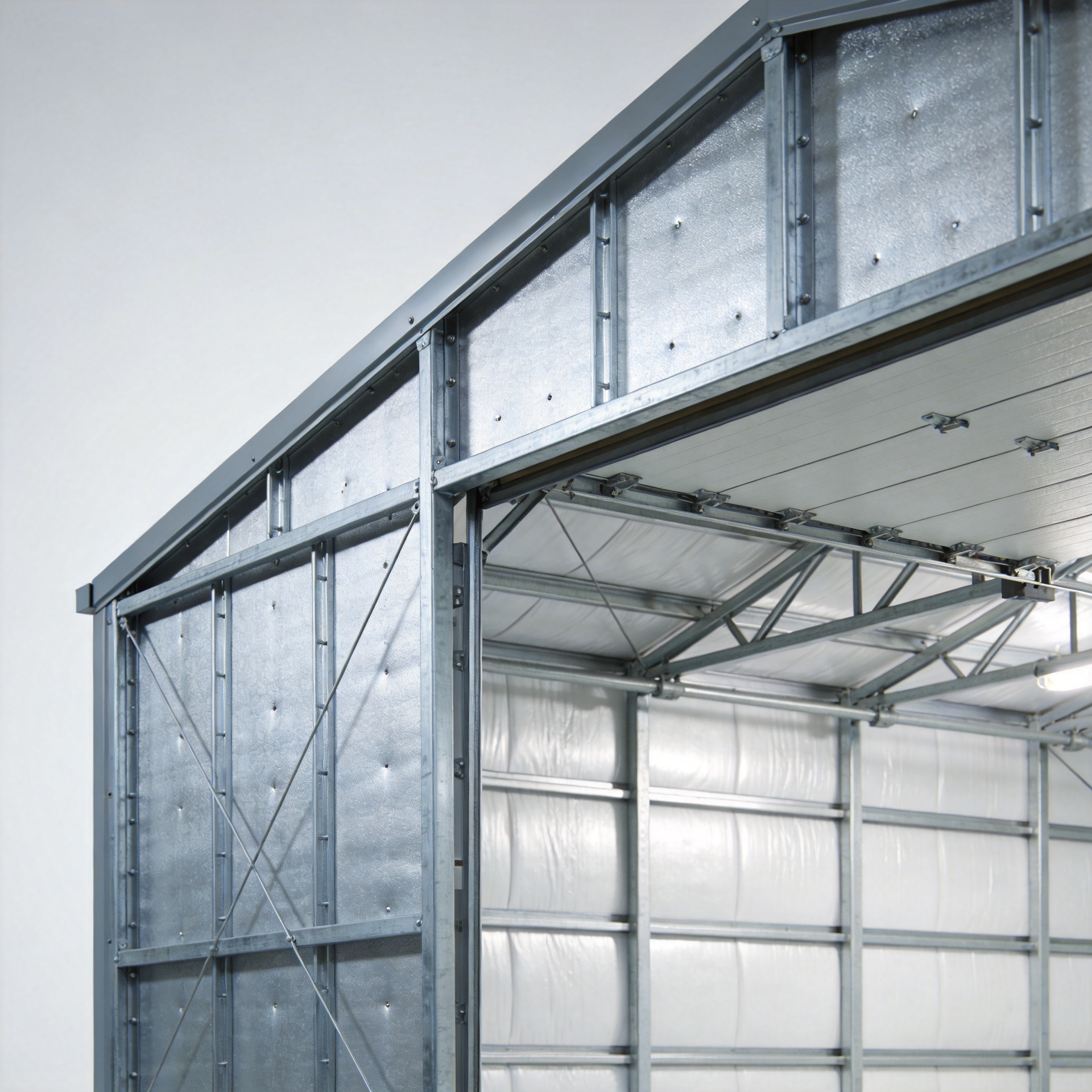
Plan a cold storage steel structure with insulation, vapor control, thermal breaks, refrigeration interfaces and corrosion-ready details.
2026/10/26
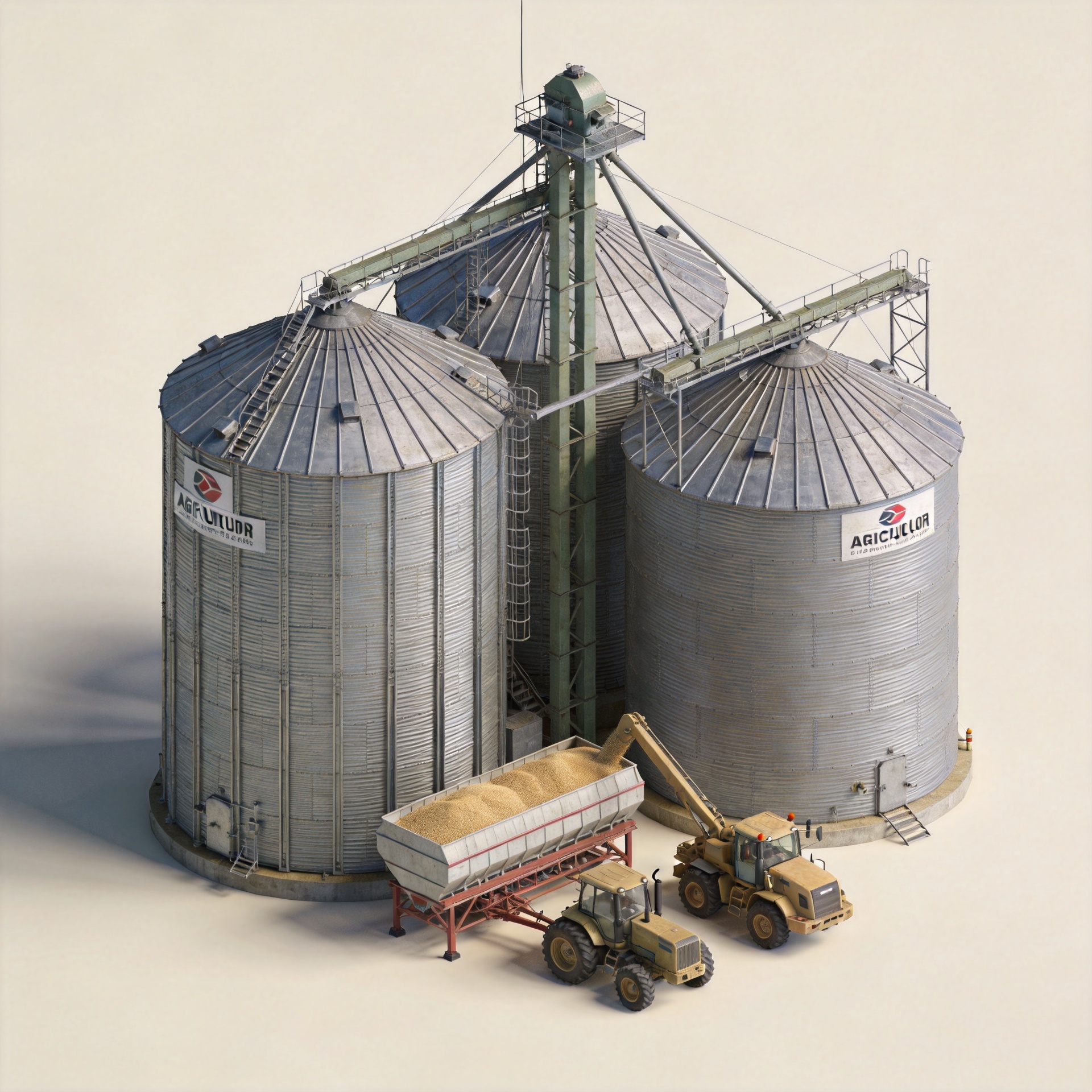
Plan an agricultural steel structure that scales from machinery barn to storage and farm logistics hub with practical design and procurement steps.
2026/10/26
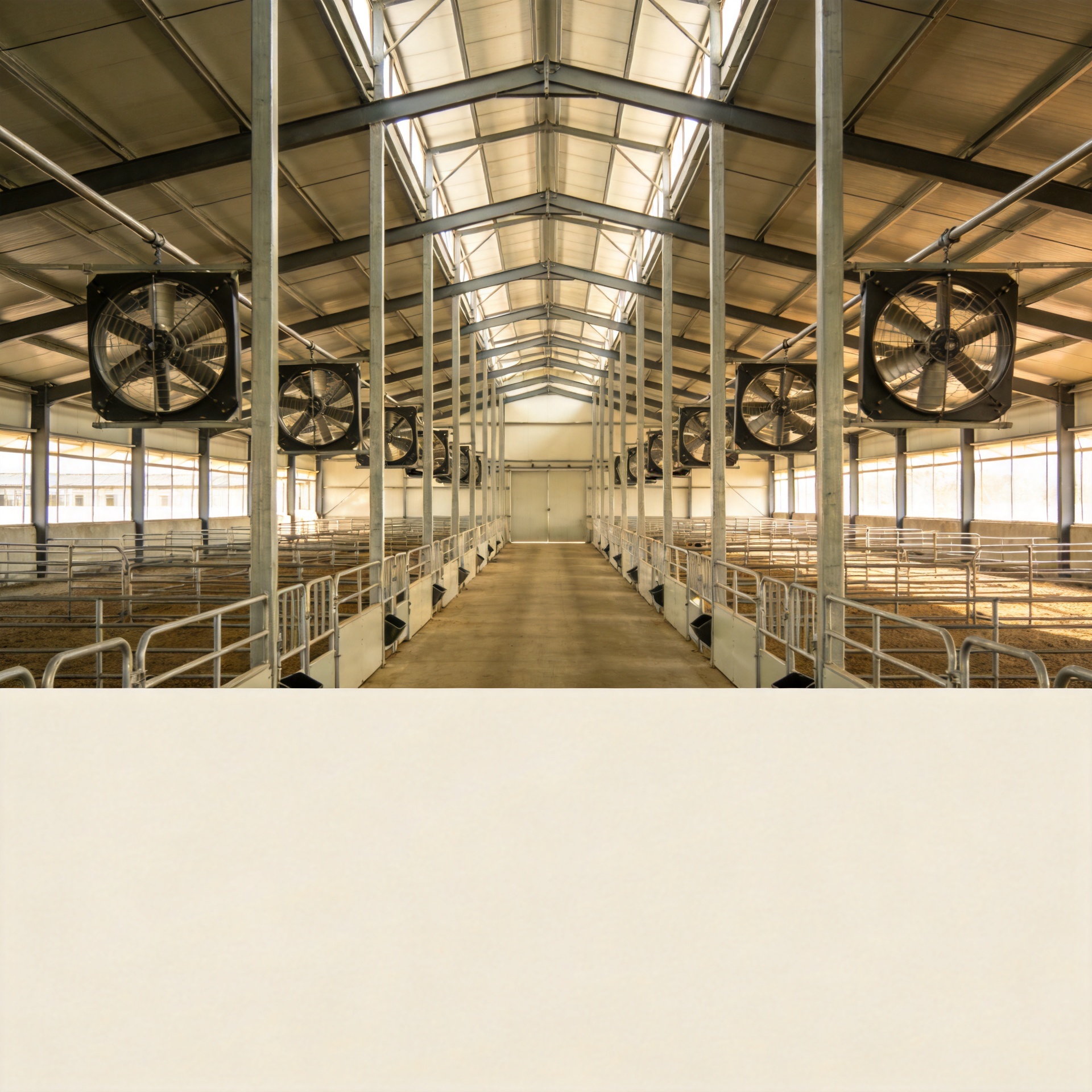
Plan a livestock steel structure for welfare, corrosion resistance, fire considerations, and efficient design-to-delivery decisions.
2026/10/26
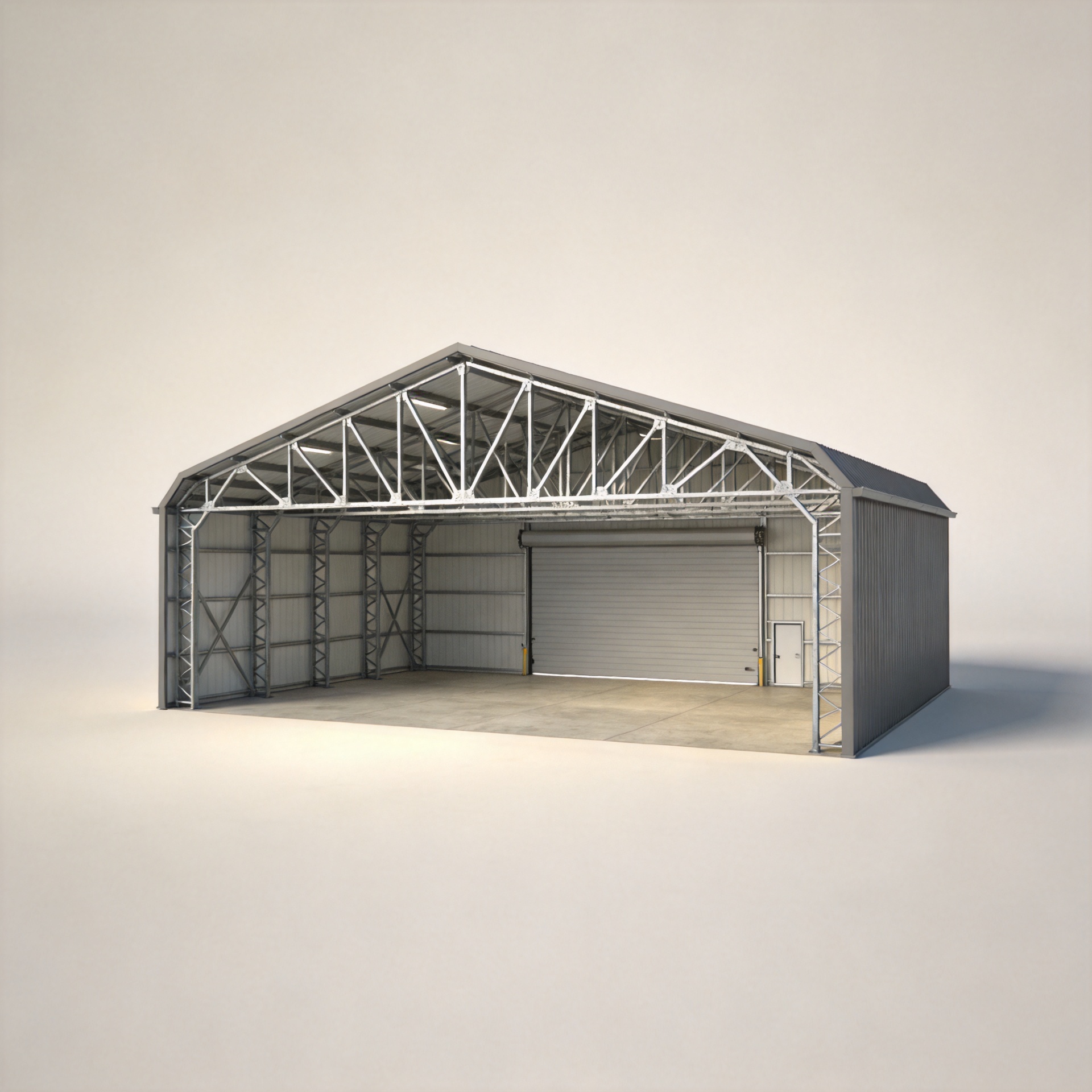
Plan an aircraft steel structure for hangars and support facilities with guidance on loads, corrosion, fire, EN 1090, and delivery milestones.
2026/10/26
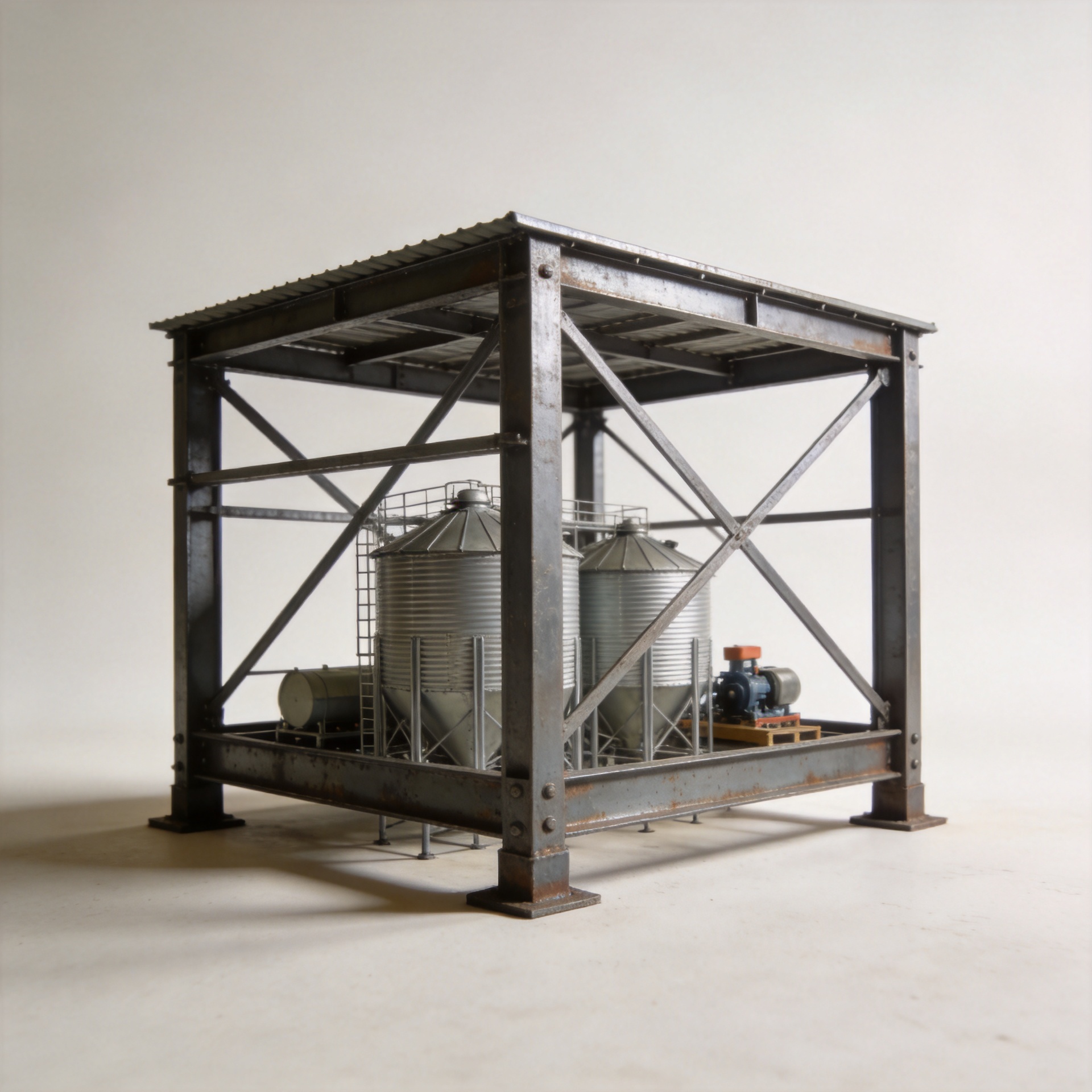
Choose a farm steel structure for agricultural storage with practical guidance on loads, corrosion, compliance, and delivery planning.
