 EN
Warehouse-Workshop Steel Structures: Dual-Use Design
2026/10/26
Plan a warehouse workshop steel structure with smarter zoning, flow, clear height, crane, fire, and expansion decisions.

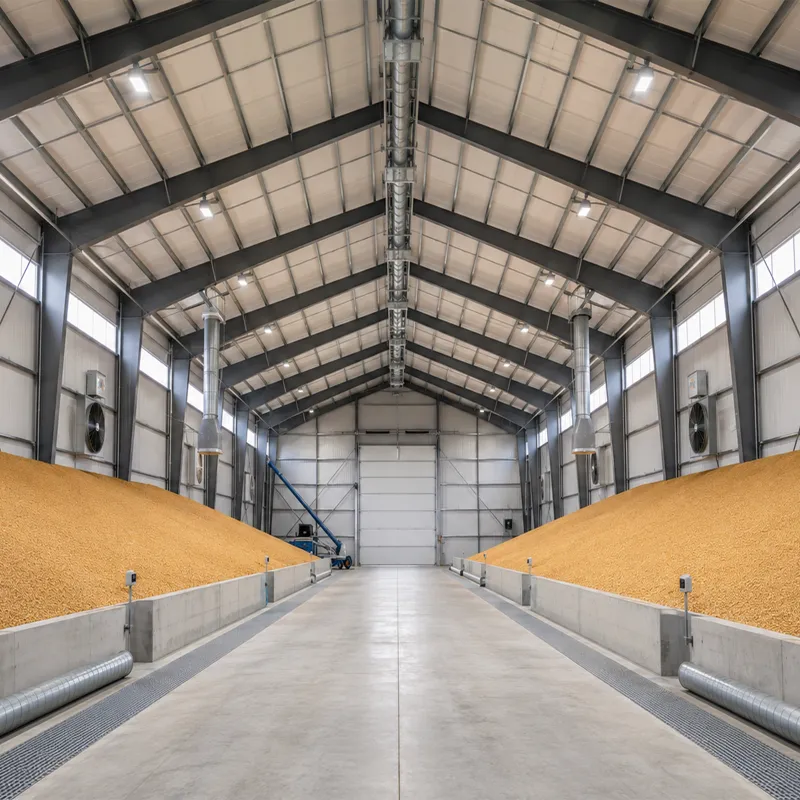
Choosing between prefabricated metal sheds and conventional site-built construction shapes budget, schedule and long-term performance. Prefabricated metal sheds arrive as engineered kits cut and drilled in a shop, then bolt together on a prepared base. Site-built work fabricates and assembles everything in the field. The right pick depends on access, timeline, customization and local code, not a single headline advantage. Owners who weigh only sticker price often miss lifetime cost, lead time and the rework risk that varies sharply between the two delivery methods when plans meet real ground conditions.
The core difference is where the work happens: in a controlled plant or on an exposed site. That single choice ripples into quality, schedule and the number of trades a project must coordinate before prefabricated metal sheds become usable.
Prefabricated metal sheds begin as engineered kits cut by CNC, welded under ISO 3834 controls and packed for sea transport. Connections are pre-planned, so 10.9S bolts align without field drilling. EN 1090 execution governs tolerance so members fit on arrival. This controlled environment reduces weather delays and produces repeatable quality that scattered site crews struggle to match across a long build season. Shop welding also benefits from quality controls that are harder to enforce consistently outdoors.
Site-built sheds bend to unique plots, slopes and owner changes because cutting happens where the building stands. Masons or welders adapt daily, which suits irregular foundations or heavy custom loads. The trade-off is variable workmanship, longer exposure to weather and more on-site inspection. For one-off shapes, the flexibility of site work can outweigh the speed that prefabricated metal sheds normally deliver. However, the same flexibility invites scope creep and weather stoppages that stretch the calendar well beyond the original plan and inflate supervision cost.
Prefabrication trades field labor for shop discipline when building prefabricated metal sheds. When the design fits standard modules, the payoff appears in speed, consistency and the amount of material that never becomes waste, which together lower the total cost of ownership.
Erection after delivery often takes days rather than weeks because holes and fitments are fixed in the shop. Finite element analysis and BIM clash checks happen before steel leaves the plant, so fewer surprises reach the field. Owners gain a predictable finish date, helpful when a harvest window or lease start cannot move. Quality stays consistent across multiple prefabricated metal sheds ordered from one drawing set. Bulk fabrication also lets several buildings ship together, which simplifies logistics for owners expanding a site in phases without repeated freight setup.
Shop nesting of plates cuts offcut scrap, and bulk procurement of Q355B steel lowers unit cost. Less site labor and fewer return visits shrink the total invoice. Galvanized C&Z purlins arrive ready, avoiding field painting. While remote delivery adds freight, the saved time and reduced rework usually keep prefab sheds competitive against equivalent site-built estimates for standard footprints. Owners should still budget for crane hire and a prepared base, since those site costs apply to both methods and are not eliminated by choosing prefabrication over field construction.
Long clear-span members need wide, firm access roads that rural or tight urban plots may lack. Highly bespoke geometry can erode the kit savings because non-standard parts still need custom fabrication. Confirm crane and truck reach before committing. Where the design stays within standard bay modules, prefabricated metal sheds keep their edge; where every dimension is unique, site building regains ground. Modular width limits also affect the maximum clear span achievable without special transport permits, a point worth checking against the intended use before finalizing the layout.
A grain depot needed quick covered capacity before a wet season but sat on a remote site with narrow access. The team selected prefabricated metal sheds with compact, modular bays that fit smaller trucks, set on a raised slab for drainage. Result: the enclosure stood within the window, protected stored grain from spoilage and needed only bilingual guidance for local assembly crews, avoiding a longer masonry build. The modular choice also meant spare panels could be shipped later if the depot expanded, giving the owner a low-risk growth path without committing to a second full project.
Request ISO 9001 and EN 1090 documents plus the steel grade schedule—Q355B or Q355D. Confirm bolt grade is 10.9S and that anchor details match your foundation drawing. Check transport dimensions against site access and crane reach. Compare the prefabricated metal sheds package completeness: purlins, fasteners, seals and drawings should arrive together to prevent stalled erection. Ask whether the supplier provides assembly drawings and a sequencing plan, because even a complete kit slows down without clear erection guidance once the crew is on site.
Inspect joints and coating after the first year and after storms; touch up scratched galvanization to stop rust. Keep gutters clear so water does not pond against walls. Re-tension accessible bolts if settlement appears. Document upkeep so the structure keeps value. Whether prefab or site-built, consistent care extends the shed's service life and protects the assets stored inside. A short annual checklist covering fasteners, coating and drainage catches small issues before they grow into structural or inventory losses during a busy season when attention is scarce.
Prefabricated metal sheds win on speed, consistency and waste control for standard layouts, while site-built methods suit irregular plots and heavy customization. Matching the method to access, timeline and design keeps the final building safe, economical and fit for its purpose.
Frequently Asked Questions
Question Are prefabricated metal sheds cheaper than site-built?
Answer For standard footprints, prefabricated metal sheds usually cost less through shop nesting, bulk steel and shorter labor. Remote freight and non-standard parts can narrow the gap. Site-built wins when the shape is highly custom or access blocks long members. Compare complete packages, not just frame price, before deciding. Also budget for crane hire and a prepared base, since those site costs apply to both methods and are not eliminated by choosing prefabrication.
Question How fast can a prefab steel shed be built?
Answer Erection often takes days after delivery because holes and fitments are pre-cut in the shop under ISO 3834 and EN 1090 controls. BIM clash checks happen before shipping, so field surprises drop. A prepared slab and crane access are the main on-site variables that decide the final schedule. Bulk fabrication also lets several buildings ship together, simplifying phased expansion logistics for growing sites.
Question Do prefabricated sheds need special foundations?
Answer They need a level, load-rated slab or footings matching the anchor drawing, not a special type. Q355B frames transfer point loads the foundation must carry. Raised slabs help drainage on remote sites. Confirm soil bearing early so the base supports the prefab sheds without later settlement or cracking.
Question Can prefab sheds be customized?
Answer Standard bay modules customize easily with doors, insulation and roof pitch changes. Fully bespoke geometry costs more because non-standard parts still need custom fabrication, reducing kit advantage. Keep dimensions near standard to retain savings. Discuss options with the supplier during design so the prefabricated metal sheds meet function without eroding budget.
Question How to maintain a metal shed?
Answer Inspect coating and joints yearly and after storms, touching up galvanization where scratched. Clear gutters to prevent ponding against walls. Re-tension bolts if settlement shows. Keep vegetation away for pest control and inspection access. Steady care extends the shed life and protects stored goods whether the building was prefab or site-built.
2026/10/26
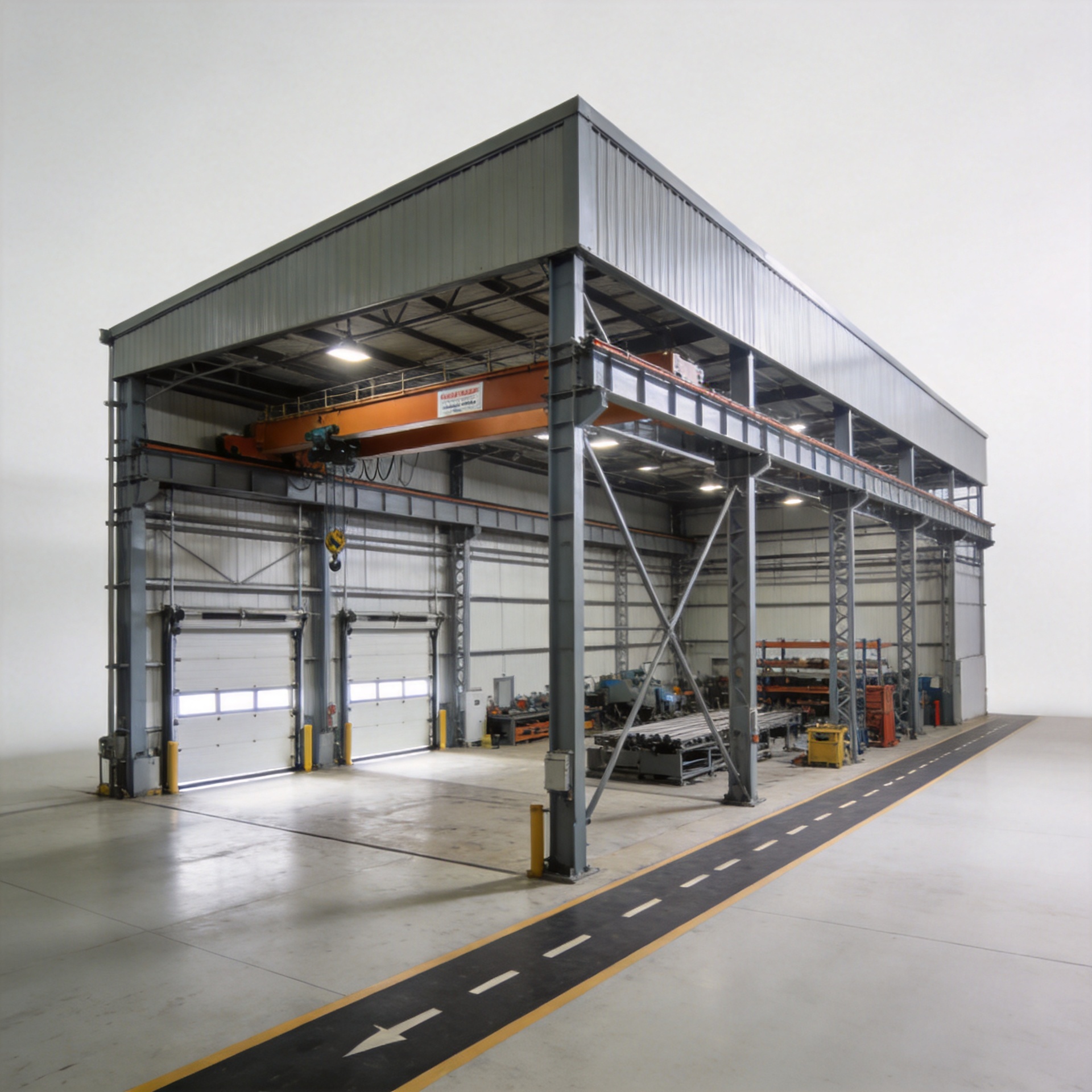
Plan a warehouse workshop steel structure with smarter zoning, flow, clear height, crane, fire, and expansion decisions.
2026/10/26
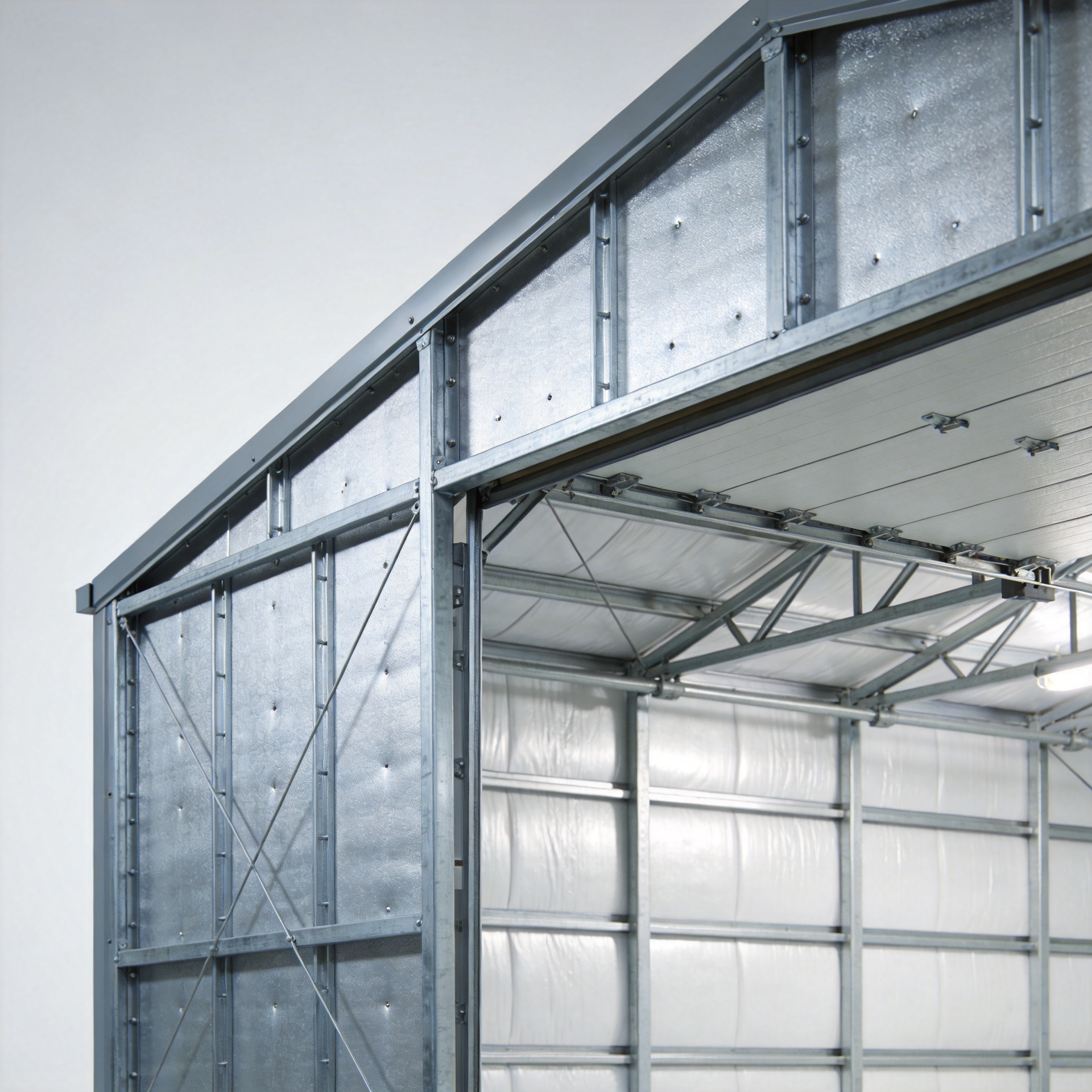
Plan a cold storage steel structure with insulation, vapor control, thermal breaks, refrigeration interfaces and corrosion-ready details.
2026/10/26
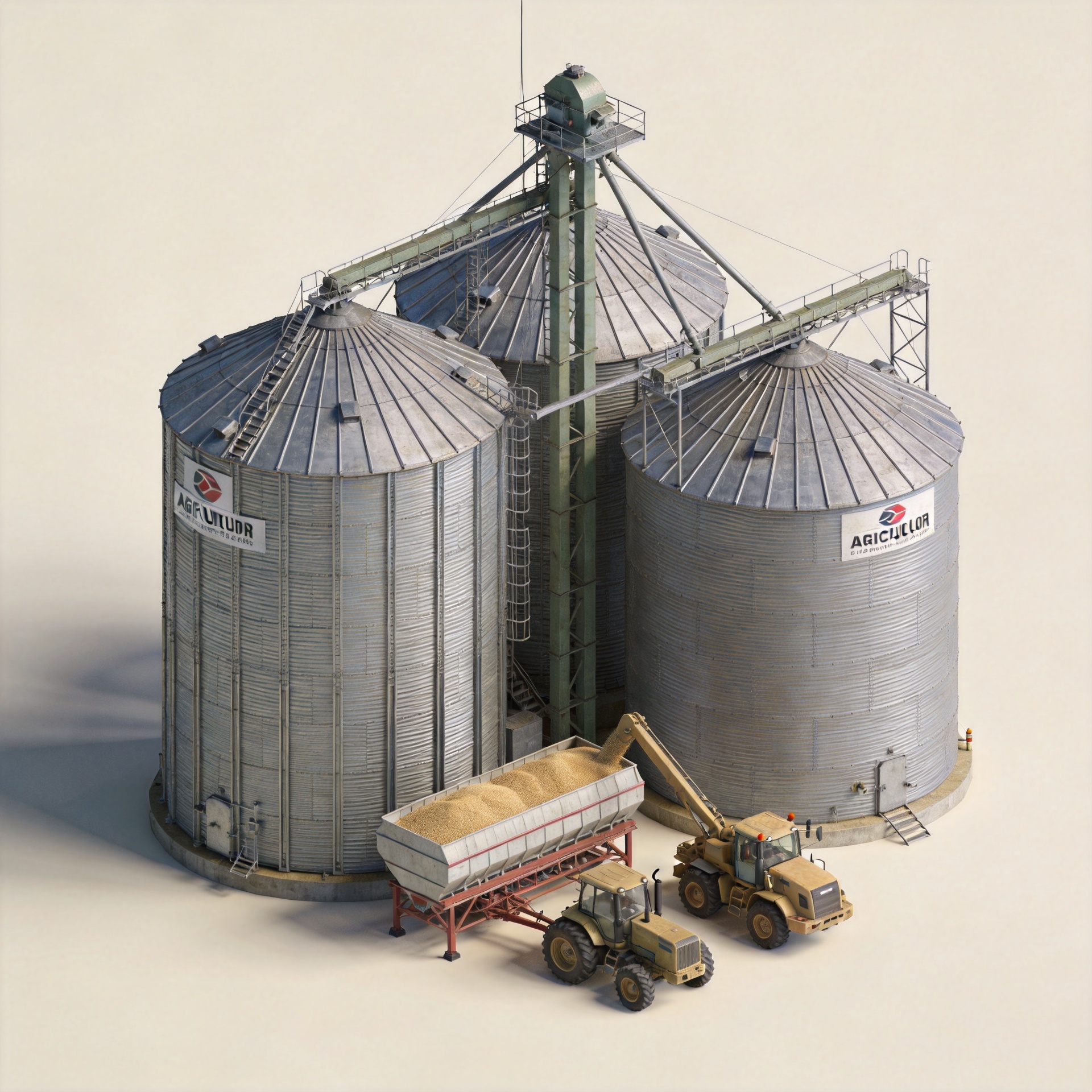
Plan an agricultural steel structure that scales from machinery barn to storage and farm logistics hub with practical design and procurement steps.
2026/10/26
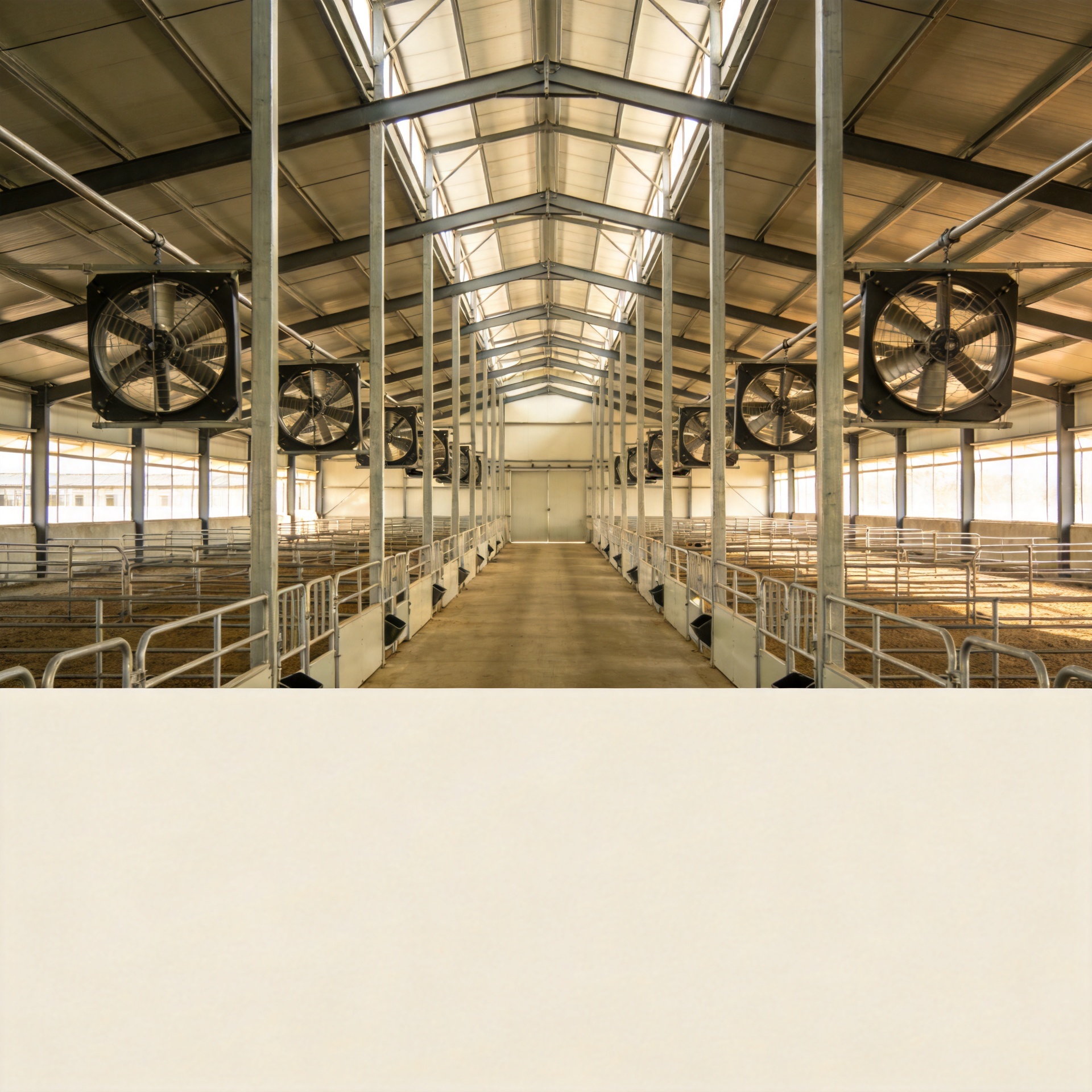
Plan a livestock steel structure for welfare, corrosion resistance, fire considerations, and efficient design-to-delivery decisions.
2026/10/26
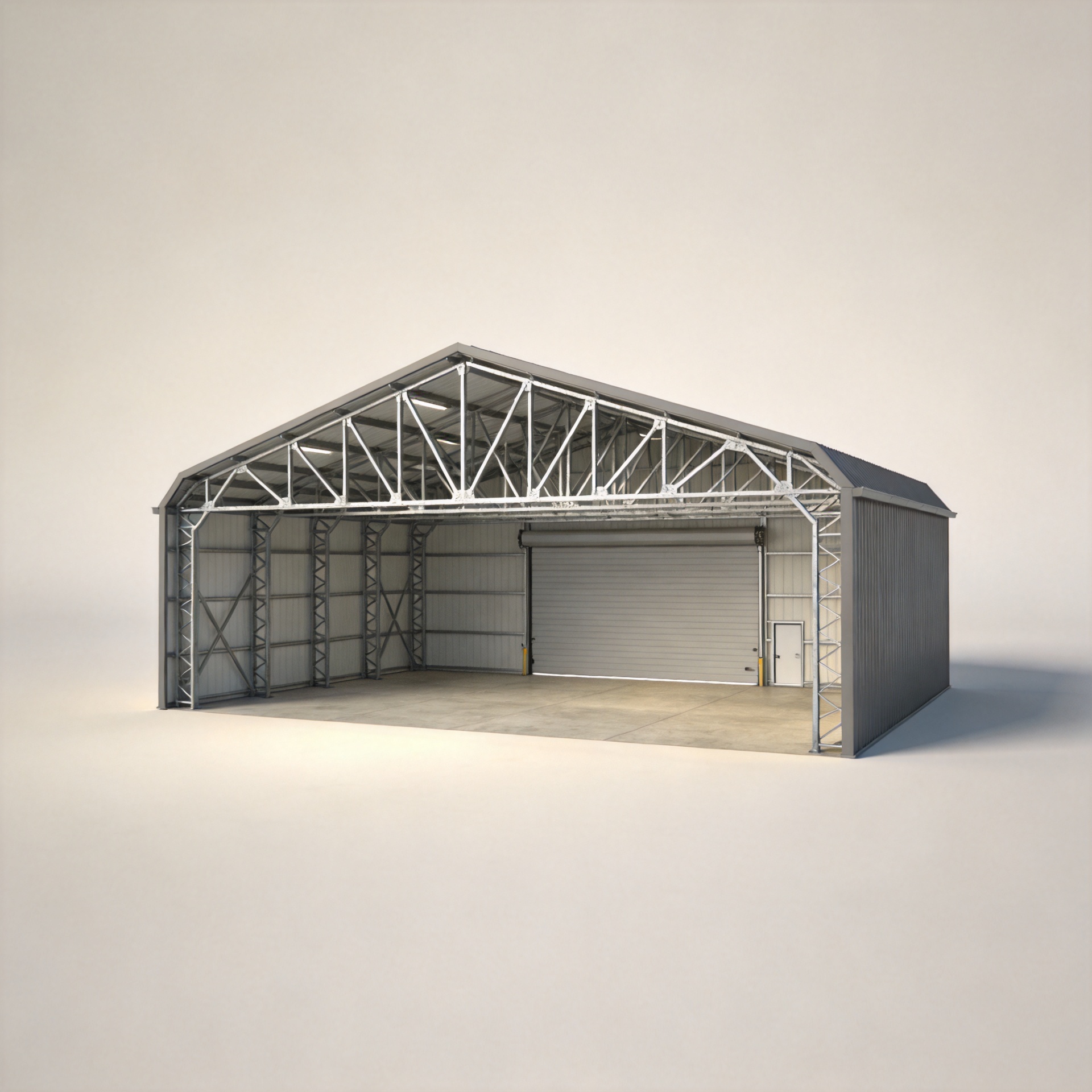
Plan an aircraft steel structure for hangars and support facilities with guidance on loads, corrosion, fire, EN 1090, and delivery milestones.
2026/10/26
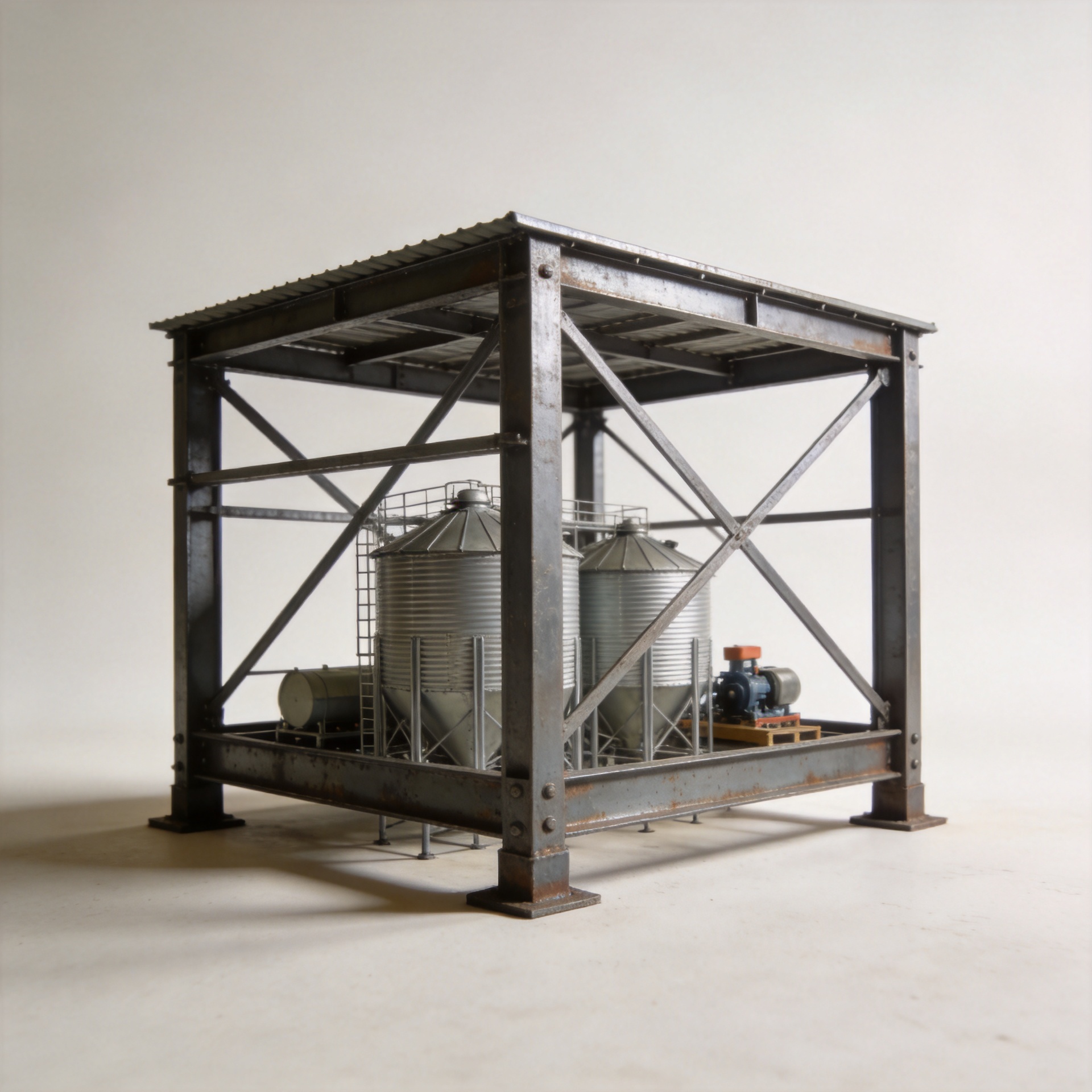
Choose a farm steel structure for agricultural storage with practical guidance on loads, corrosion, compliance, and delivery planning.
