 EN
Warehouse-Workshop Steel Structures: Dual-Use Design
2026/10/26
Plan a warehouse workshop steel structure with smarter zoning, flow, clear height, crane, fire, and expansion decisions.

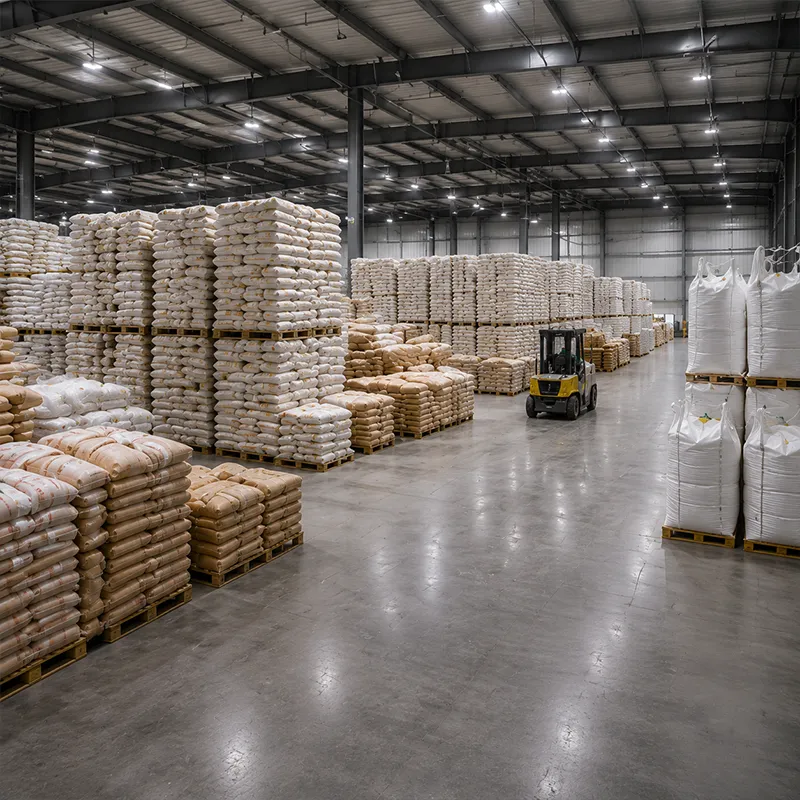
A structure of metal turns raw engineering into a building that stands for decades with minimal upkeep, which is why it dominates warehouses, factories and farm sheds worldwide. The frame carries every load, resists weather and sets the limits on span and layout. For owners weighing timber, concrete or steel, the metal option usually wins on speed, weight and adaptability.
Steel and allied metals deliver the highest strength-to-weight ratio of any common building material, so the frame stays light yet stiff. That ratio lets designers span wide floors without thick columns, freeing the interior for production or storage. A structure of metal also arrives prefabricated, so site work becomes bolt-up assembly rather than heavy casting. The predictable member sizes from CNC cutting mean fewer on-site adjustments and a tighter build program. The same lightness also cuts foundation size, because a lighter frame transfers less load to the ground than an equivalent concrete shell.
Durability is the second advantage. Unlike timber, a metal frame will not rot, warp or attract termites, and unlike concrete it needs no long curing before loading. With galvanization and a glass-flake coating, the structure of metal survives coastal salt, abrasive dust and temperature swings that would degrade other materials faster. A written inspection plan catches edge rust before it spreads, so the coating and the strength survive for the full design life. A well-detailed frame also resists fire long enough for occupants to exit and for sprinklers to act, which many codes reward with slimmer protection.
Portal-frame buildings use rafters and columns with pinned bases, ideal for single-story plants and sheds up to wide spans. A clear span of 60 m built from Q355B-Z35 plate serves e-commerce fulfillment and logistics halls where column-free floors matter. Multi-bay versions add interior columns to trim steel where the process allows. The structure of metal also covers braced frames for taller duty and long-span trusses for depots and arenas. Because the members are standardized, procurement and erection stay predictable even on a remote site with limited crane capacity.
Braced-frame and truss systems suit tall or heavy buildings, transferring lateral load through diagonal members. Space frames cover large roofs such as arenas and depot canopies. For agricultural and light commercial use, cold-formed C and Z purlin frames with thin cladding keep cost low while the structure of metal still meets service loads. Choose the system by height, span and internal load rather than by habit. Specifying the lightest purlin that meets the load keeps the primary frame smaller, which is where most of the steel budget sits.
Speed is the clearest benefit. CNC cutting and robotic welding produce accurate members off-site, then 10.9S high-strength bolts join them fast on-site. A project that would take months in concrete can stand in weeks. Precision also reduces waste and rework, protecting the budget and the schedule alike. The structure of metal is delivered as a kit, so the site stays cleaner and safer than a wet-trade build. Staged delivery also lets the owner occupy one bay while the next is still being bolted, which shortens the path to revenue.
Flexibility follows. The structure of metal is demountable and extendable, so a growing business can add a bay or relocate the frame. Fire performance is controllable through intumescent or board systems rated to the required period under local codes. EN 1090 execution and ISO 3834 welding controls give traceable quality for export markets. A planned connection layout keeps future changes cheap, because bays bolt on without cutting members.
Sustainability adds quiet value. Steel is the most recycled construction material, so a frame can be recovered and melted for the next build instead of landing in landfill. Off-cuts from CNC cutting return to the mill, and a demountable structure of metal can be relocated rather than demolished. Lower embodied waste and reusable members help owners meet environmental targets without premium systems. Reusing a frame also avoids the carbon cost of new production, a point buyers with environmental reporting must document.
Industry uses metal frames for factories, power housings and workshops where clear spans and crane runways are needed. Agriculture relies on them for grain depots, livestock sheds and machinery stores; a Shenyang grain depot project used a Q355B frame with 150 mm PIR insulation for climate-stable storage. Commerce applies the same system to retail, showrooms and distribution centers. The structure of metal scales from a single shed to a multi-building campus without changing the supplier's process. Each sector carries its own code path: food plants demand sealed cladding, while logistics halls prioritize clear span and dock alignment.
A verified case is a Shenyang rice-processing hall. Background: the processor needed a hygienic, expandable plant. Problem: humidity and dust threatened a conventional build. Solution: a Q355D frame with heavy-duty glass-flake coating and sealed cladding. Result: a durable hall delivered with a bilingual manual and predictable maintenance for the operator. The owner later added a packing bay by bolting a new segment during a harvest lull, avoiding any downtime.
Buying advice: specify the execution standard, steel grade and coating system. Inspection advice: verify bolt torque, member plumbness and coating thickness at handover. Usage advice: respect design loads and avoid cutting members for services. Keep future mezzanines in mind at design stage, because adding load later is costlier than sizing the frame for it now. Maintenance advice: wash salt annually in coastal sites and re-coat scratches before corrosion spreads.
The right structure of metal matches type, grade and protection to the duty it faces, delivering low-upkeep space that supports the operation for decades.
Frequently Asked Questions
Question What is a structure of metal best used for?
Answer A structure of metal fits warehouses, factories, farm sheds and distribution centers where wide spans, speed and low upkeep matter. It carries crane runways, heavy racking and climate enclosures without thick columns. Pick the frame type by process, then grade and coating by climate and corrosion risk. Verified standards like EN 1090 and ISO 3834 support export-quality builds, while galvanization and glass-flake coating extend service life in humid or coastal duty.
Question Which metal building type spans the widest?
Answer Portal frames with Q355B-Z35 plate reach clear spans near 60 meters for column-free floors, suited to fulfillment and logistics halls. Truss and space frames cover very large roofs such as depots and arenas. Where columns are acceptable, multi-bay grids reduce steel tonnage and cost. Confirm snow and wind loads with the designer before fixing the span, and align the bay width with the handling equipment and dock doors.
Question Are metal structures cheaper than concrete?
Answer Metal frames often cost less in time and labor because CNC-cut, bolted assembly beats on-site casting and long curing. Material price varies with steel grade and coating system chosen. Concrete may win for very heavy, low-clear buildings on stable ground. Compare total delivered cost including foundation, schedule and maintenance, not just the frame, and weigh the faster occupancy that steel erection usually allows the owner.
Question How long does a metal structure last?
Answer With galvanization and glass-flake coating, a structure of metal serves decades under normal duty. Coastal or abrasive sites need annual washing and prompt re-coating of scratches to stop corrosion. Annual checks of bolts, drainage and coating catch small defects early, before they spread. Life depends on environment, load and care more than the metal alone, so a simple upkeep plan protects the investment far better than the grade choice.
Question What standards apply to metal buildings?
Answer EN 1090 governs EU execution, AISC 360 covers US design, and ISO 3834 controls welding quality for exported frames. Local codes add fire-resistance and seismic rules that change member sizes. Request mill certificates, certified drawings and the declared execution class so the structure of metal meets the destination market's requirements. Coordinate sprinklers and protective coatings with the frame early, because the fire-resistance period shapes both cost and detail.
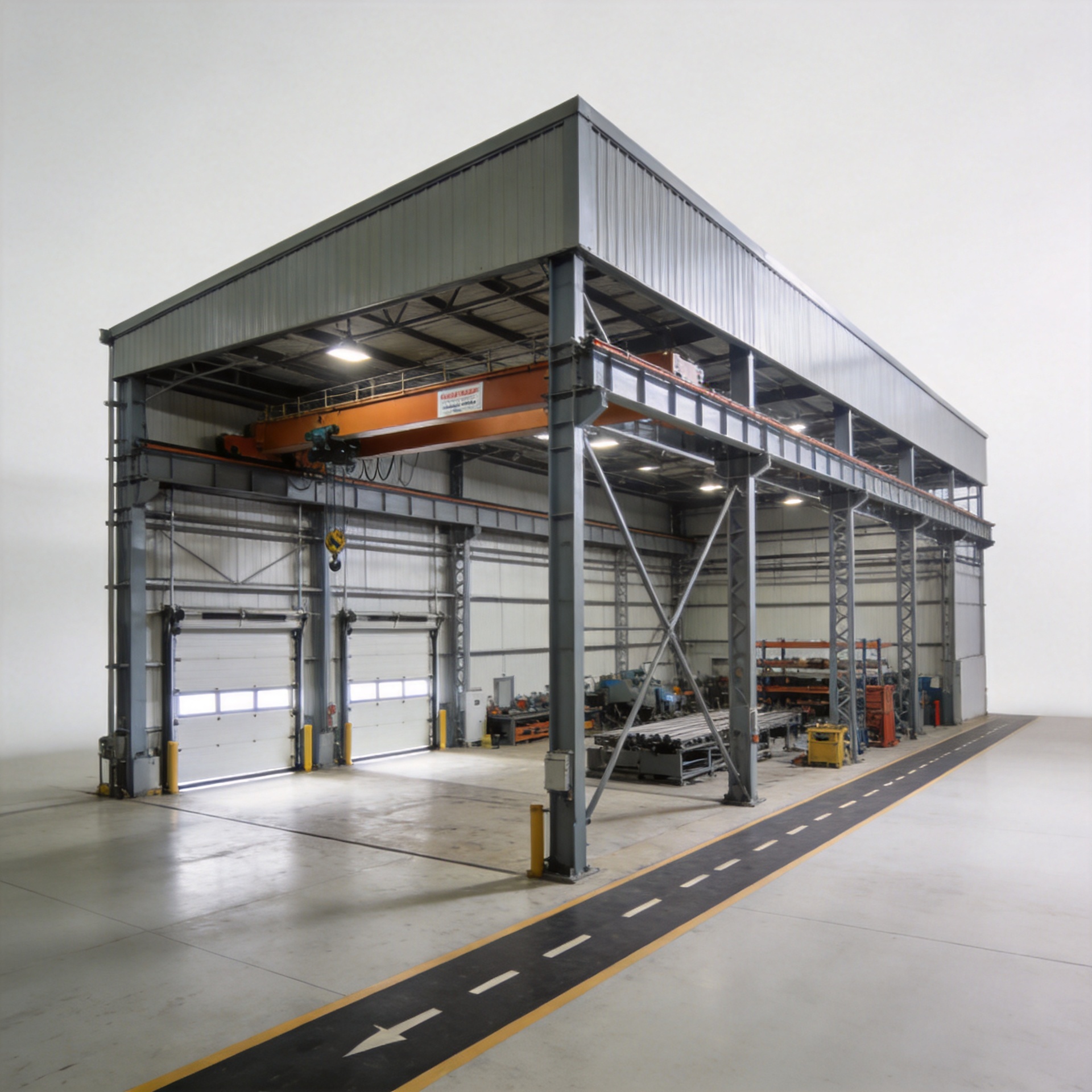
2026/10/26
Plan a warehouse workshop steel structure with smarter zoning, flow, clear height, crane, fire, and expansion decisions.
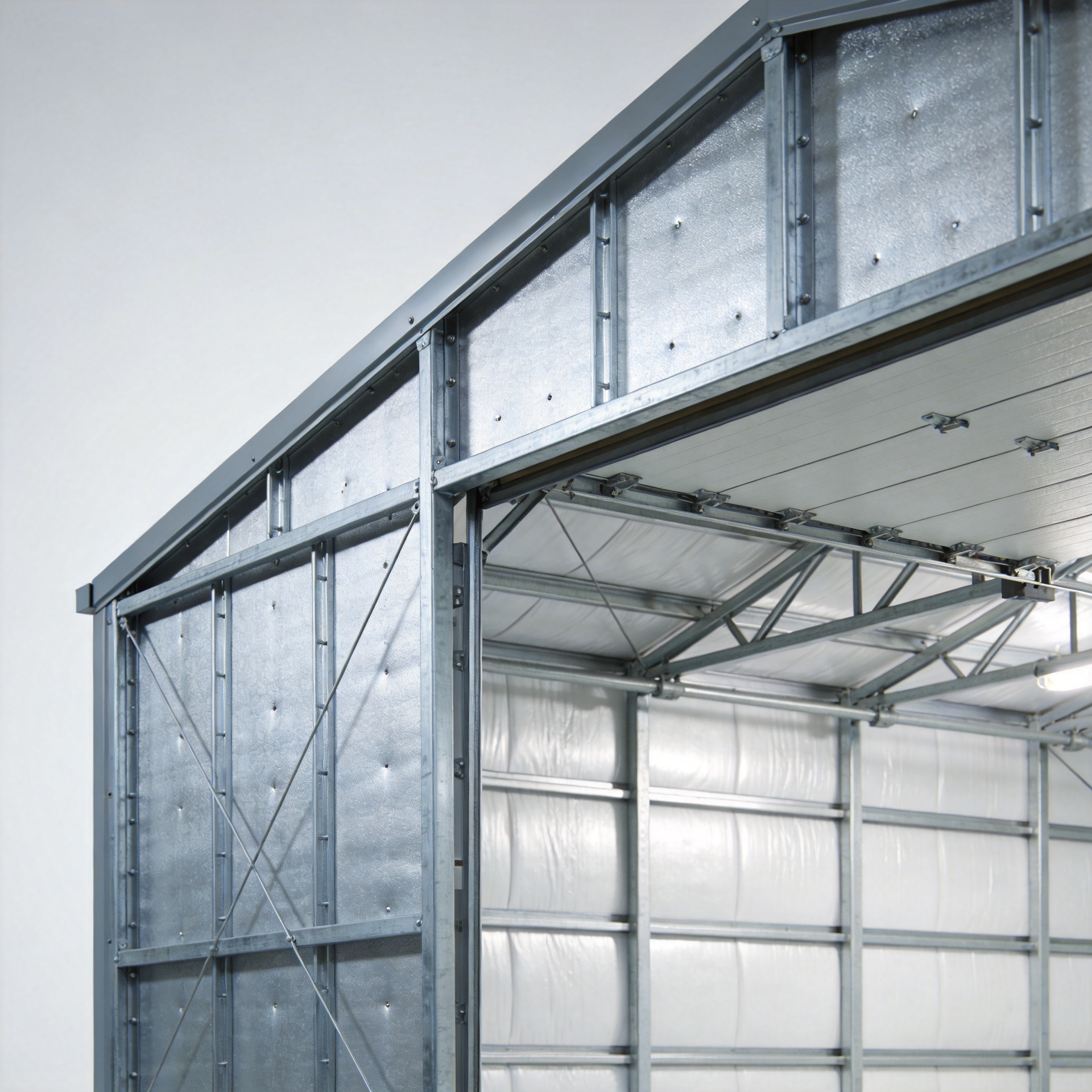
2026/10/26
Plan a cold storage steel structure with insulation, vapor control, thermal breaks, refrigeration interfaces and corrosion-ready details.
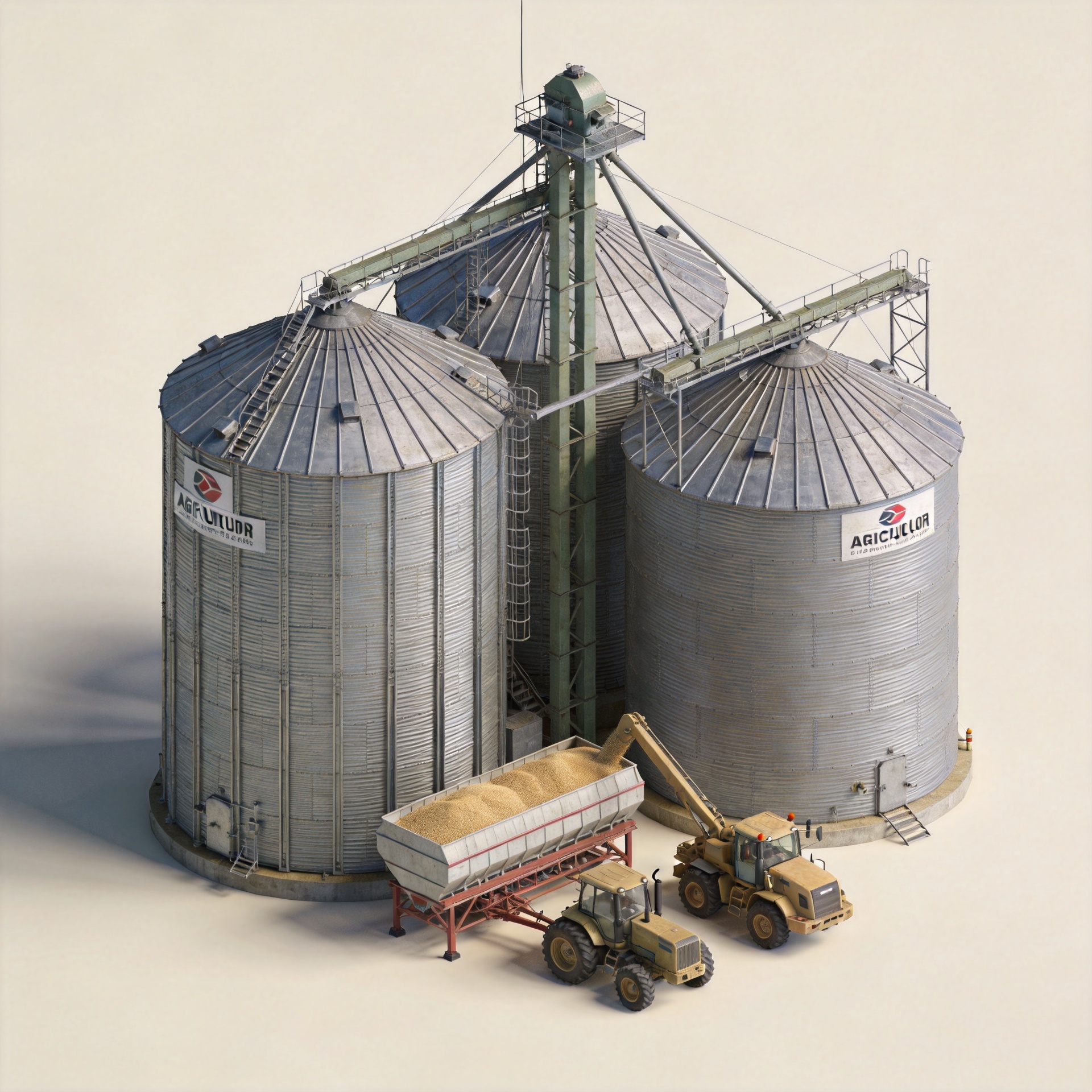
2026/10/26
Plan an agricultural steel structure that scales from machinery barn to storage and farm logistics hub with practical design and procurement steps.
2026/10/26
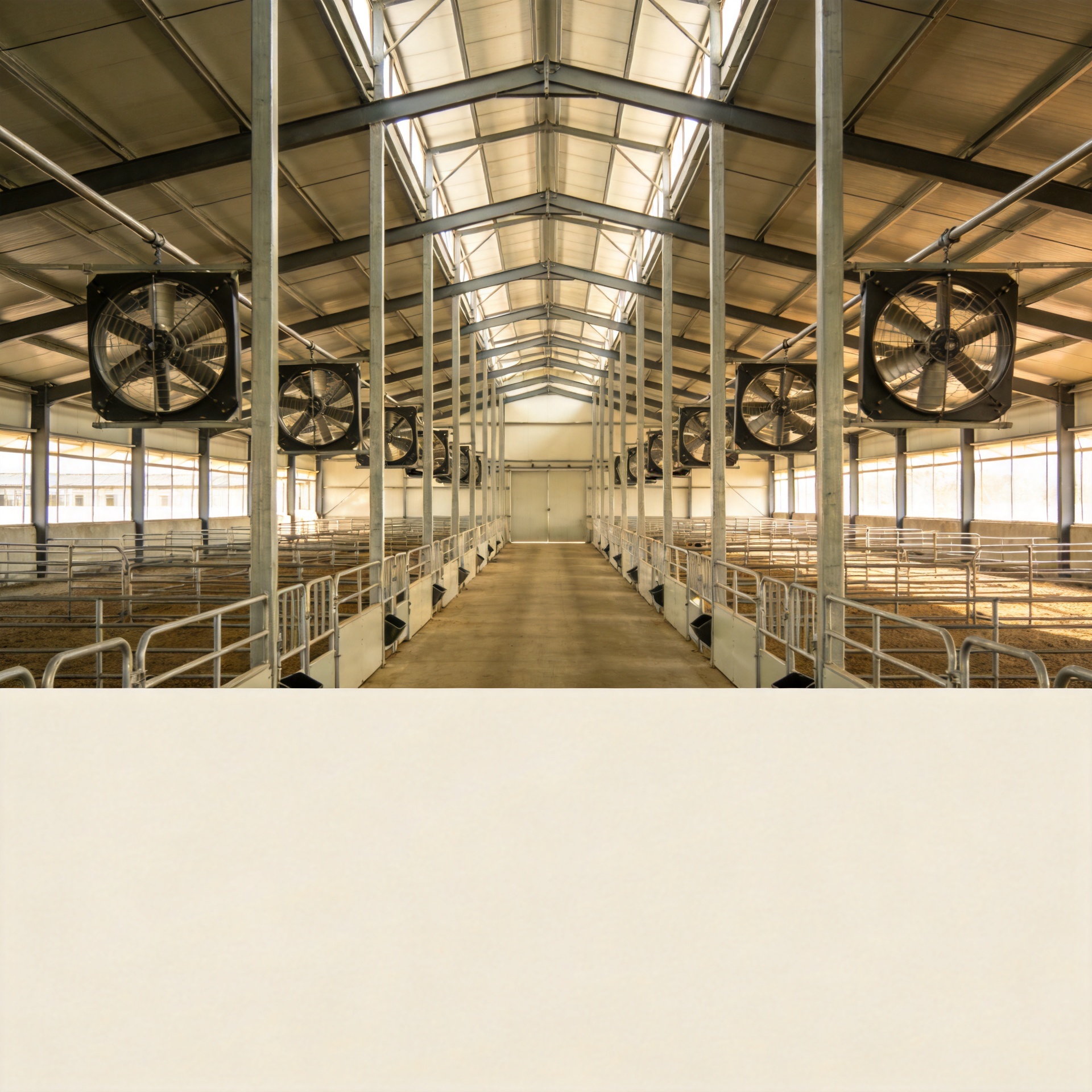
Plan a livestock steel structure for welfare, corrosion resistance, fire considerations, and efficient design-to-delivery decisions.
2026/10/26
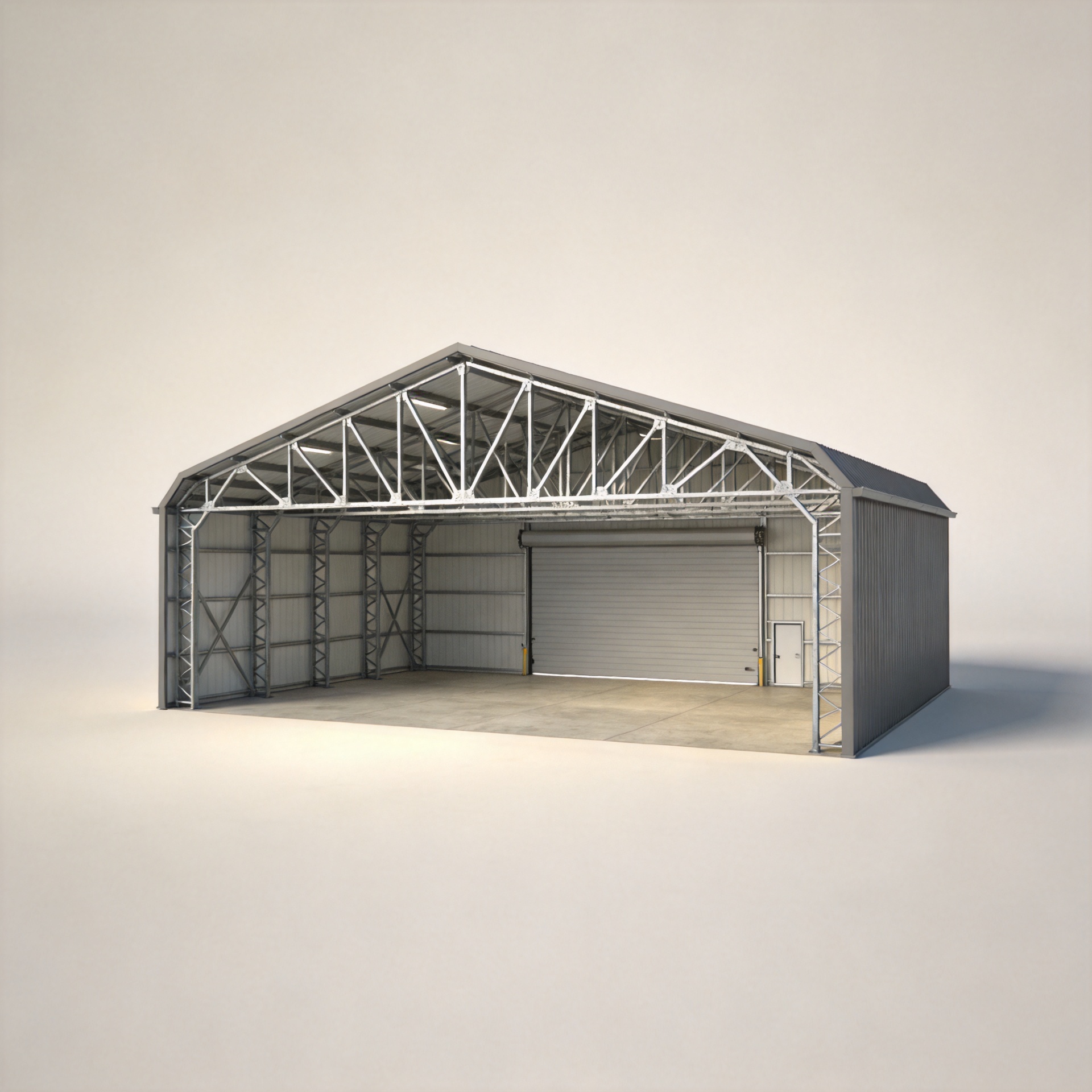
Plan an aircraft steel structure for hangars and support facilities with guidance on loads, corrosion, fire, EN 1090, and delivery milestones.
2026/10/26
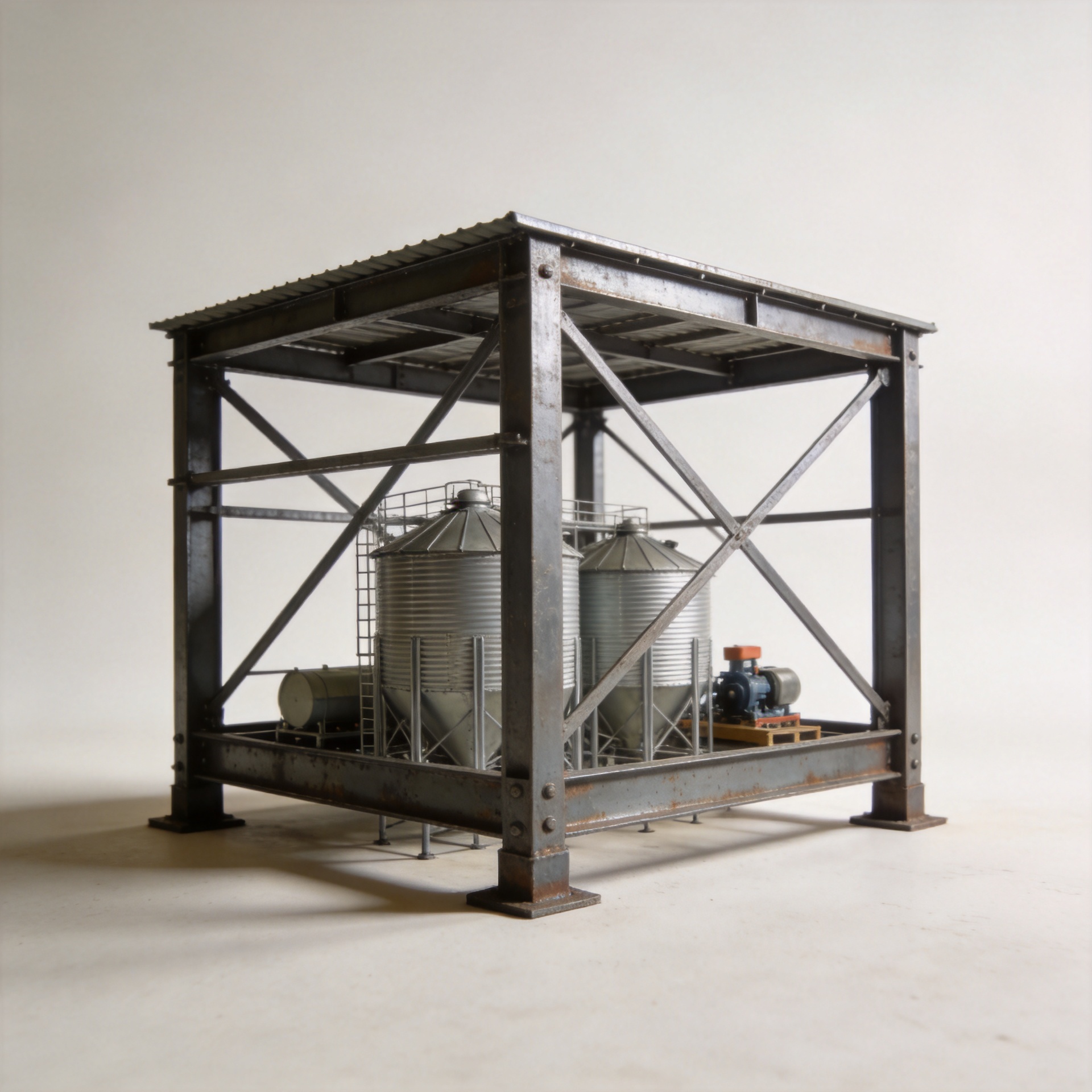
Choose a farm steel structure for agricultural storage with practical guidance on loads, corrosion, compliance, and delivery planning.
