 EN
Warehouse-Workshop Steel Structures: Dual-Use Design
2026/10/26
Plan a warehouse workshop steel structure with smarter zoning, flow, clear height, crane, fire, and expansion decisions.

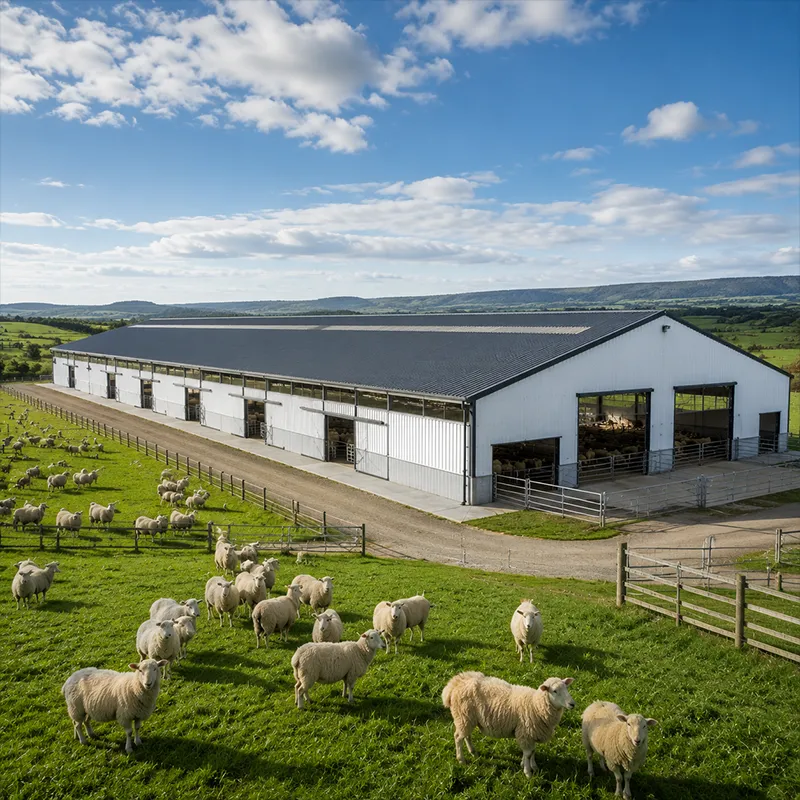
Modern agriculture depends on dependable shelter, and metal farm buildings have become the default choice for growers and ranchers across North America and Europe. These structures protect expensive tractors, stored grain and livestock from wind, moisture and fire while demanding far less upkeep than timber or concrete. This guide explains where they work best, how to size them correctly, which materials and coatings matter, and what to verify before signing a purchase order.
The most common reason operators invest in enclosed steel is protecting tractors, harvesters and implements from corrosion and weather damage. A heated or insulated bay keeps hydraulic systems from freezing and prevents rust on exposed steel grade components. Well-planned metal farm buildings designed with wide overhead doors let a combine drive straight in for winter storage. Slab design, drainage slope and a concrete apron in front of the door reduce mud and extend equipment life. Layout should leave clear aisles so operators can service machines without moving others.
Dry storage is critical because wet hay and feed spoil quickly and create fire risk. A regional grain depot in Northeast China once lost tonnes of seed to condensation inside ageing wooden barns; the solution was a sealed steel envelope with 150 mm PIR insulation and ridge ventilation, after which interior humidity stayed stable through summer swings and spoilage dropped sharply. Steel walls and a tight envelope also stop rodents and birds that routinely destroy loosely built wooden barns. A partitioned bay isolates fertilizer from animal feed.
Clear span matters when large equipment must turn inside the building. Portal frame geometry removes interior columns, so metal farm buildings with a 30 m to 60 m clear span give uninterrupted floor space for maneuvering. Choosing the right width depends on the largest machine plus a safety margin for attachments. Multi-bay layouts split functions—one bay for machinery, another for livestock—while sharing a single steel frame envelope to reduce cost. Local snow and wind load tables from IBC or MBMA should drive the final span decision.
Metal farm buildings gain flexibility from sensible eaves height and bay spacing. A 6 m to 9 m eaves lets round bales stack two high and leaves room for a future mezzanine. Bay grid spacing—commonly 6 m to 9 m between frames—affects steel tonnage and foundation cost. Planning expansion joints and spare foundation stubs at the design stage means a second module can bolt on later without re-engineering. Prefabricated pre-engineered building kits make this staged growth straightforward and predictable for growing operations. Perimeter drainage also deserves early attention, because pooling water shortens coating life and slowly weakens the slab edge, so plan grading and gutters before the frame arrives.
Agricultural atmospheres are harsh: ammonia from livestock, fertilizer dust and constant humidity attack unprotected steel. Q355B and Q355D grades deliver the yield strength needed for wide spans, while Q355B-Z35 resists lamellar tearing at welded joints. Hot-dip galvanized surfaces plus a glass flake coating form a dual barrier against corrosion. Specifying 10.9S high-strength bolts for the bolted connection system keeps the frame stable under dynamic load. CNC cutting and robotic welding at the fabrication plant tighten tolerances before shipping.
Authority in this sector comes from documented conformity, not marketing claims. EN 1090 governs CE marking for structural steel placed on the European market, while ISO 3834 certifies the welding quality system behind every joint. ISO 9001 covers the factory's quality management from order to dispatch. In the United States, AISC and MBMA guidance plus OSHA site-safety rules shape both design and erection. Requesting mill certificates and weld procedure records lets a buyer confirm the structure matches the approved drawings before it leaves the factory.
Start with the supplier's track record: delivered projects, factory audit reports and valid certifications. Confirm the steel grade, coating system and purlin specification in writing, and verify the foundation loads the engineer assumed. Ask for a 3D model and FEA load report so the building matches the local IBC or regional code. A credible manufacturer will share past grain-storage and machinery-plant references across many countries. Comparing the quoted tonnage against your own span and load estimate exposes unrealistic prices before commitment. Insist on a written delivery schedule and a clear scope of supply so there are no surprises at the port or on the erection site.
Steel needs less care than wood, but a simple routine protects the investment. Inspect coatings every year and touch up scratched galvanized areas before rust spreads. Keep drainage channels and roof panel seams clear of debris so water cannot pond. Re-tension bolted connection assemblies after the first winter as the structure settles. Check cladding and C&Z purlin alignment after storms. Documenting these checks gives resale buyers confidence and keeps the metal farm buildings performing for decades without major repair.
Choosing the right metal farm buildings means matching span, height and coating to the specific job—machinery, grain or livestock—then verifying the supplier's credentials against recognised standards. EN 1090, ISO 3834 and ISO 9001, together with a clear inspection routine, turn a steel shell into a dependable asset. Plan the bay grid and expansion options early, confirm steel grades and anti-corrosion protection in writing, and a well-specified structure will serve the operation for decades.
What standard sizes are available for agricultural steel buildings?
Answer: Metal farm buildings are usually supplied in clear spans from 12 m up to 60 m, with eaves heights between 4 m and 10 m. Bay spacing of 6 m to 9 m balances steel tonnage and usable floor area. Length is modular, often extended in 6 m bays. Local snow and wind loads, set by IBC or MBMA, determine the final frame size and the foundation requirement for the site.
Are steel farm buildings better than wood for livestock?
Answer: Steel resists rot, termites and fire far better than timber, and a sealed envelope keeps ammonia and moisture away from the structure. Proper ridge ventilation lowers humidity so animals stay healthier. Galvanized and glass-flake coatings stop corrosion in harsh barn atmospheres. The higher upfront cost is offset by decades of low maintenance and none of the repainting cycles common with wooden livestock housing.
How is a pre-engineered farm building delivered and erected?
Answer: Components are cut and welded in the factory under ISO 3834 welding control, then shipped as bolted assemblies. A small crew raises the primary frame with cranes, adds C&Z purlins, wall and roof panels, then doors and windows. Site work follows OSHA safety rules. Because most fitting happens off-site, erection takes days rather than weeks and avoids weather delays common with traditional build methods.
Which coatings protect agricultural steel from corrosion?
Answer: Hot-dip galvanizing is the base defence, creating a zinc barrier that self-heals small scratches. Over that, a glass flake coating adds chemical resistance against fertilizer and manure vapour. Specifying Q355B-Z35 steel at welded joints prevents lamellar tearing. Touch-up after site handling keeps the system intact. Re-inspecting every year and repairing damaged spots early prevents rust from spreading across the frame.
When should foundation and drainage be planned?
Answer: Foundation and drainage must be designed before the steel order is placed, because the frame's bolt layout and load assumptions depend on them. A level slab with a slight drainage slope and clear channels keeps water away from the envelope. Plan expansion stubs now if a future module is likely. Engaging the structural engineer early avoids costly rework once fabrication has started on the building.
2026/10/26
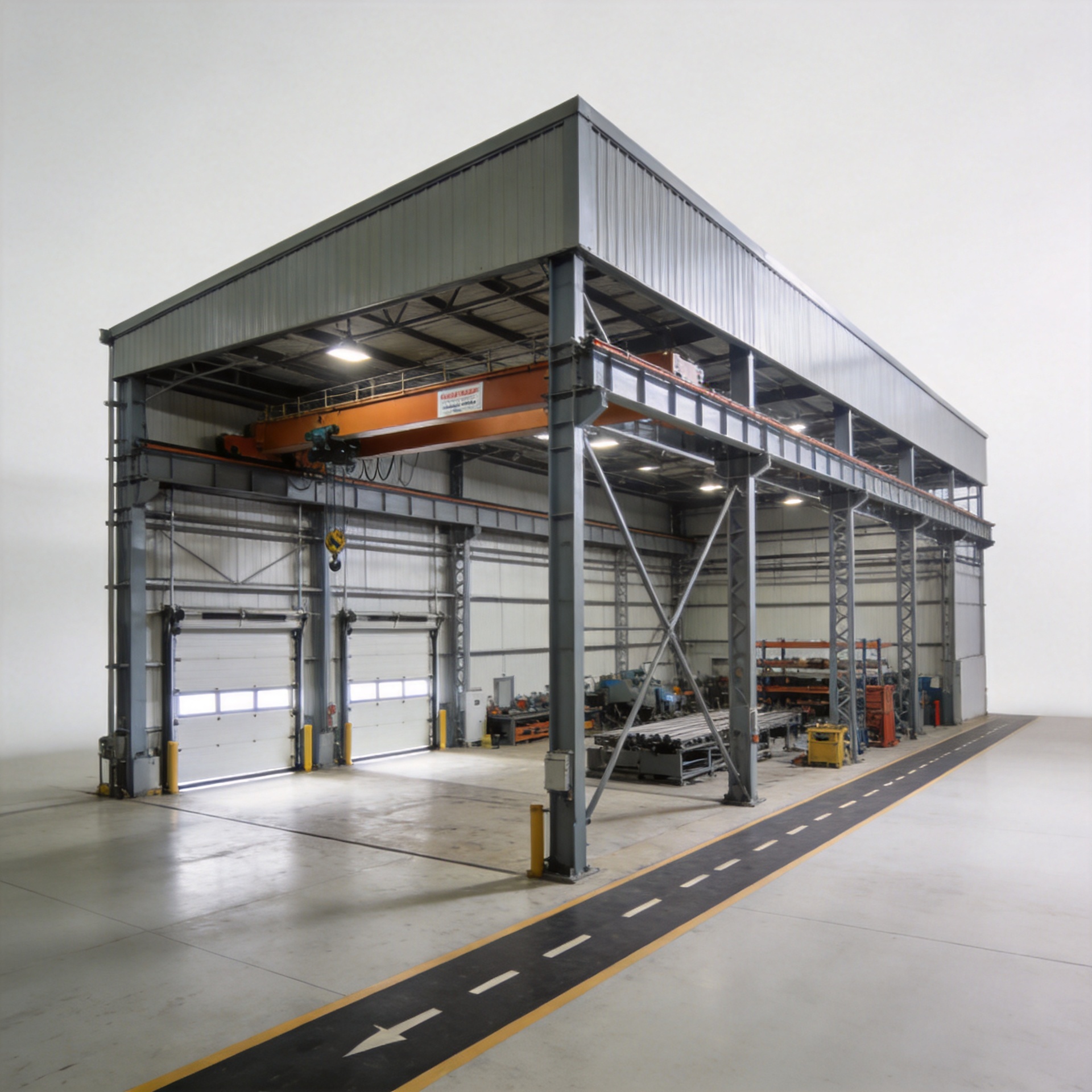
Plan a warehouse workshop steel structure with smarter zoning, flow, clear height, crane, fire, and expansion decisions.
2026/10/26
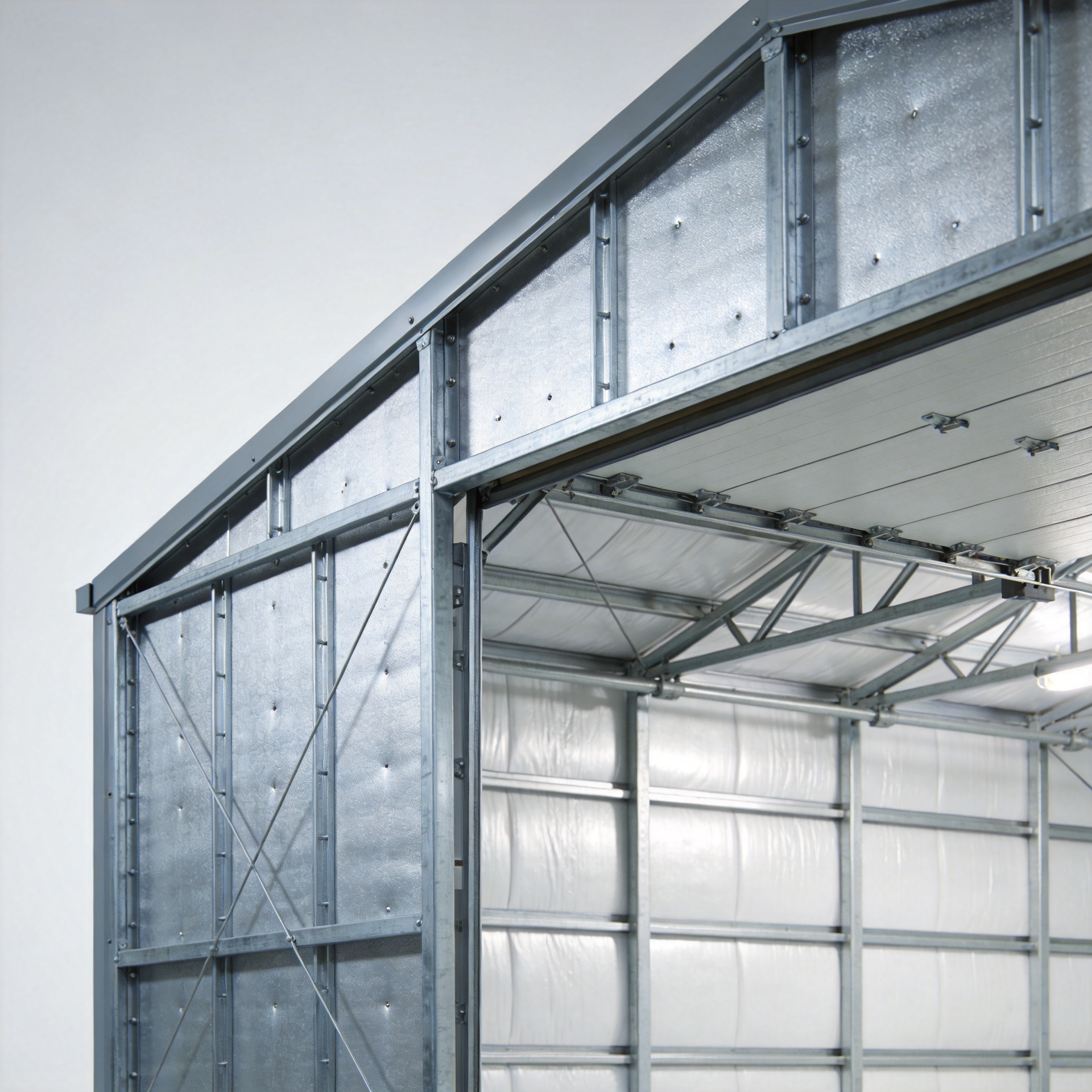
Plan a cold storage steel structure with insulation, vapor control, thermal breaks, refrigeration interfaces and corrosion-ready details.
2026/10/26
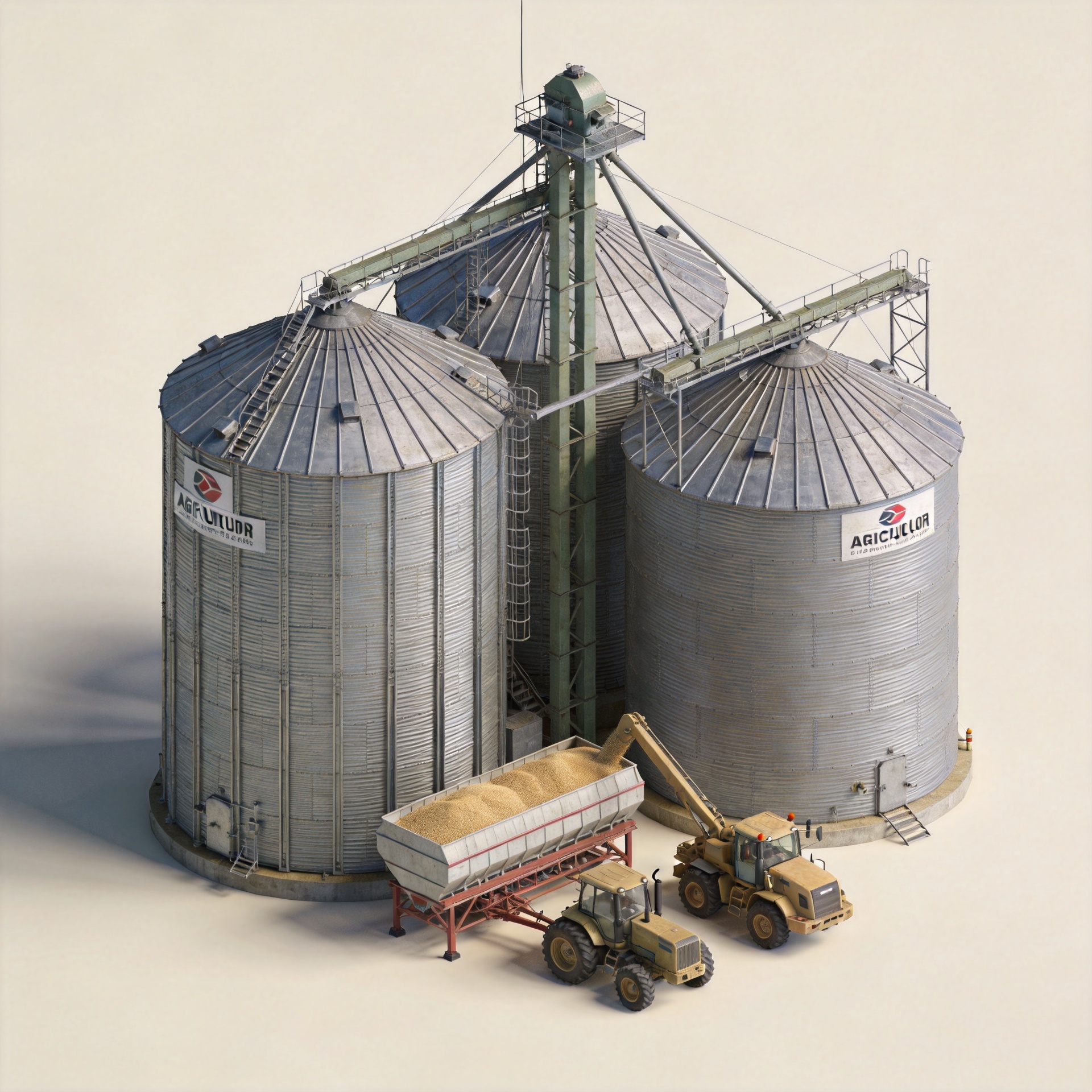
Plan an agricultural steel structure that scales from machinery barn to storage and farm logistics hub with practical design and procurement steps.
2026/10/26
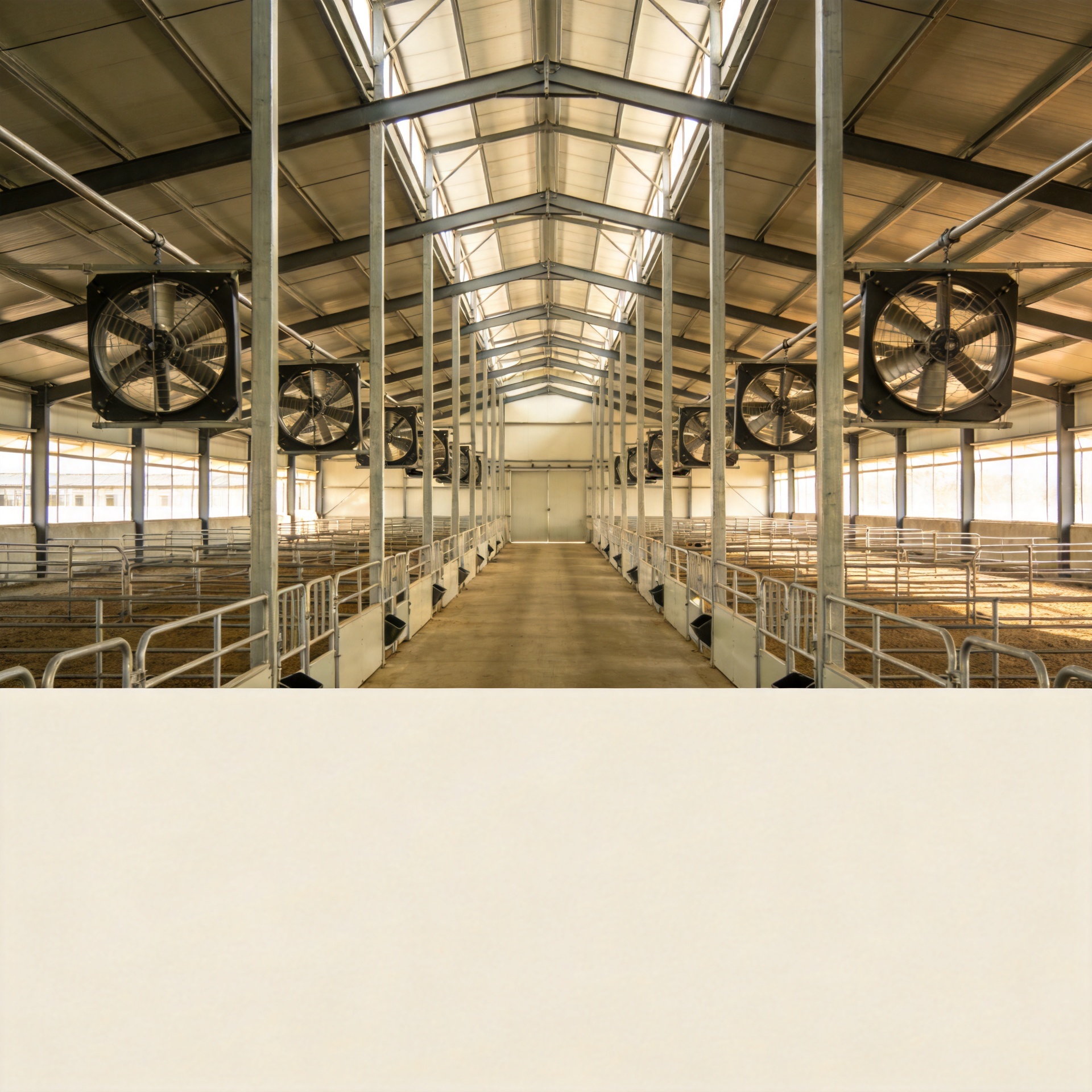
Plan a livestock steel structure for welfare, corrosion resistance, fire considerations, and efficient design-to-delivery decisions.
2026/10/26
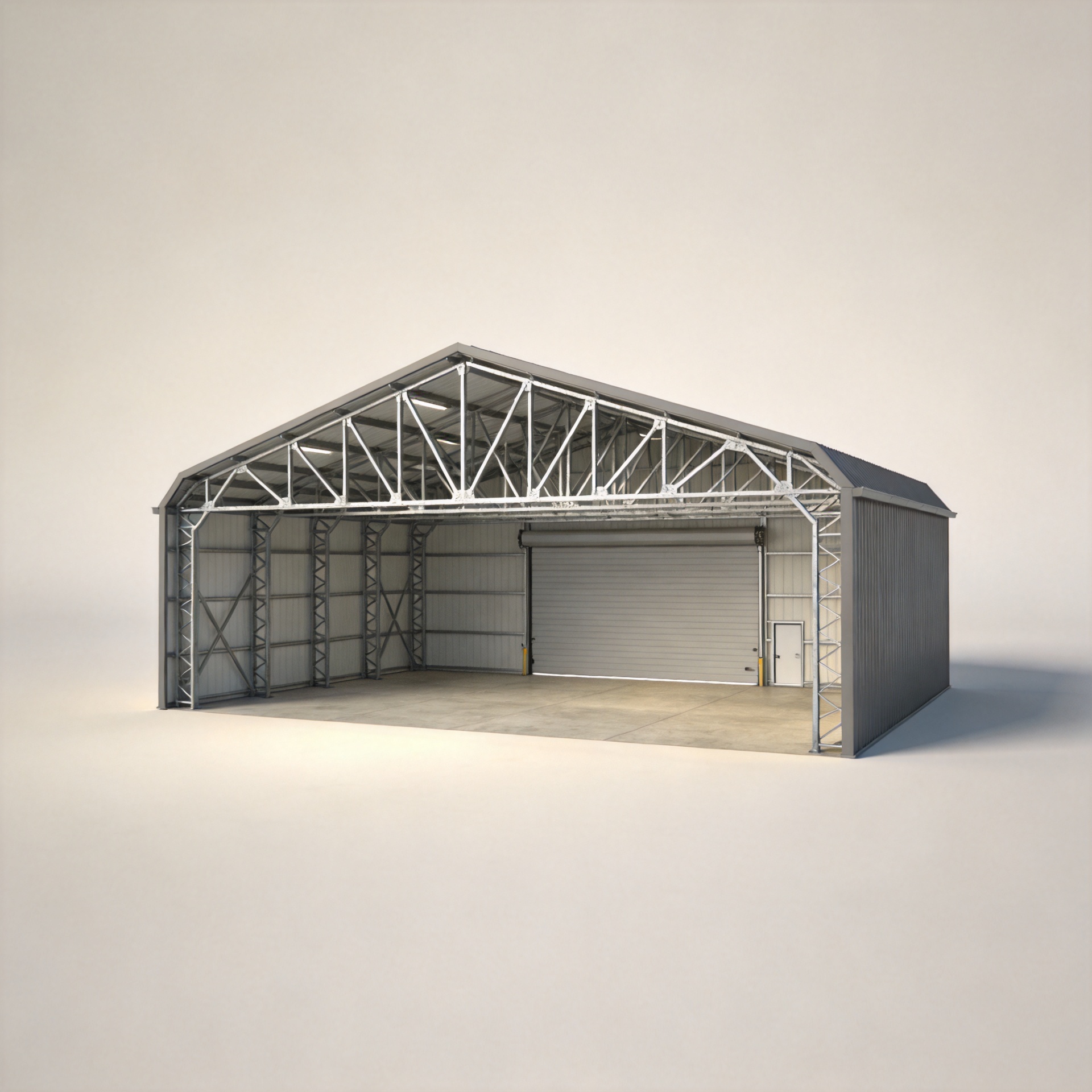
Plan an aircraft steel structure for hangars and support facilities with guidance on loads, corrosion, fire, EN 1090, and delivery milestones.
2026/10/26
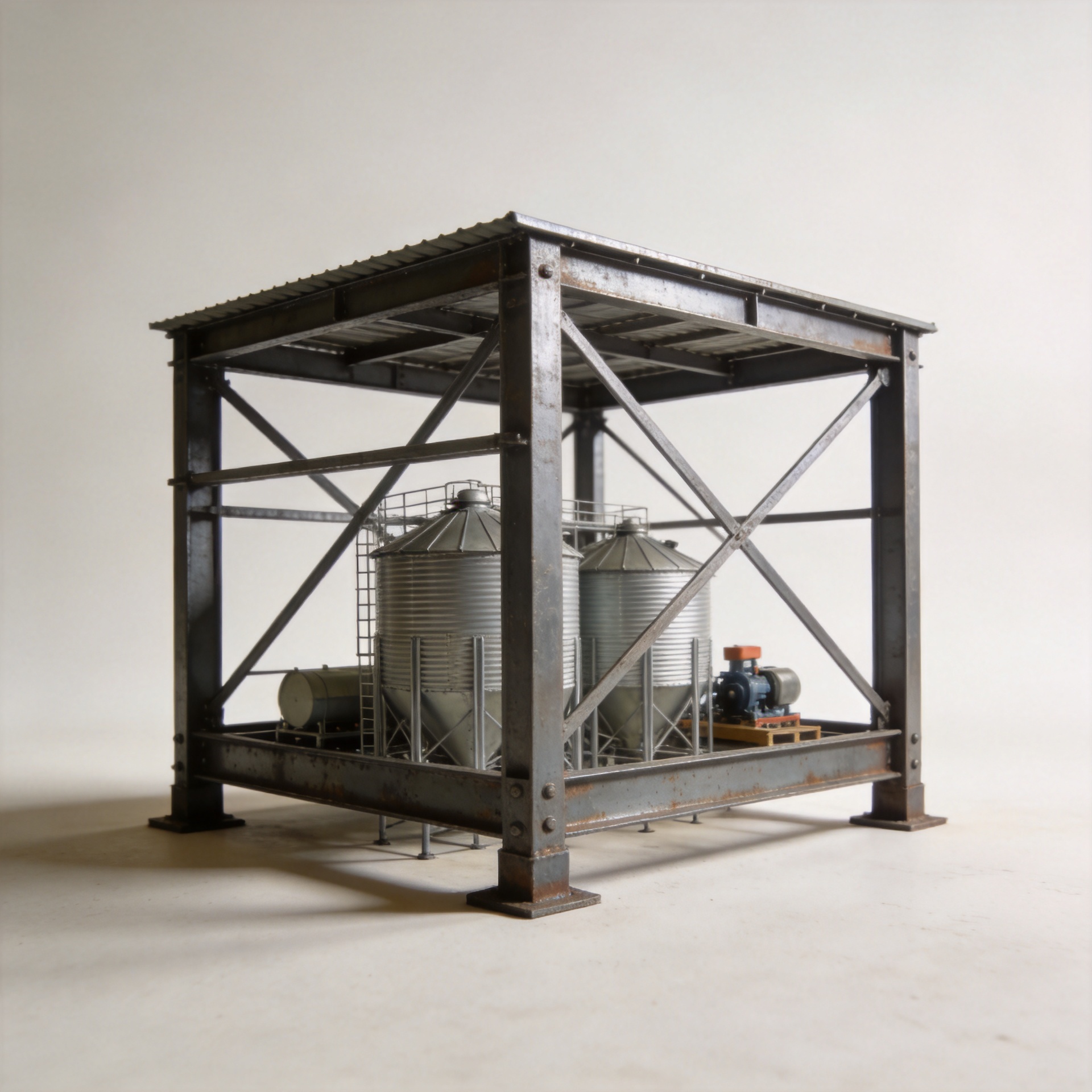
Choose a farm steel structure for agricultural storage with practical guidance on loads, corrosion, compliance, and delivery planning.
