 EN
Warehouse-Workshop Steel Structures: Dual-Use Design
2026/10/26
Plan a warehouse workshop steel structure with smarter zoning, flow, clear height, crane, fire, and expansion decisions.

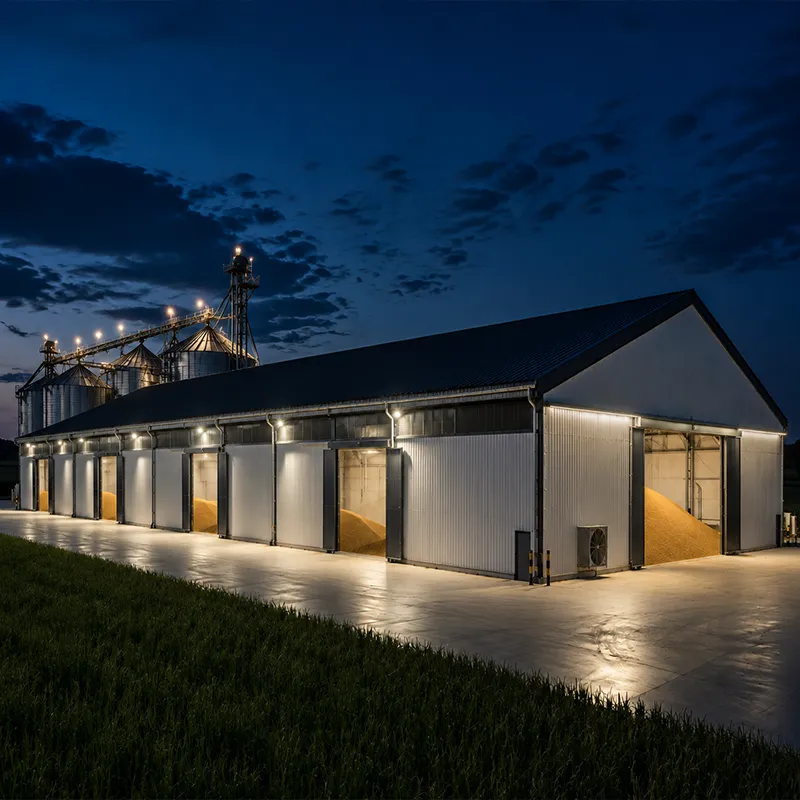
A metal cattle shed gives producers a durable, clean space that stands up to hooves, moisture and seasonal heat. Getting the size and airflow right protects animal health and keeps daily work manageable. Shenyang Jinnuoda Steel Structure Engineering Co., Ltd. has built livestock and storage structures for more than 500 projects across 60 countries, and a common request is a cattle housing that stays dry, well ventilated and simple to wash down. This guide covers the practical choices that separate a comfortable shed from a costly one.
The first step for any metal cattle shed is matching floor area to the herd. Finishing beef animals need roughly 1.5 to 2.5 square meters each, while dairy cows with feeding fronts need more, and calves less. Group pens by age and temperament so weaker animals are not crowded from feed. A clear pen layout also shortens daily checking and treatment time. Planning the space per animal before the frame is ordered prevents a shed that feels cramped at full stocking and avoids costly later extensions to the slab and steel.
A metal cattle shed benefits from a portal frame with clear spans up to 60 m that removes internal columns blocking feed lanes and machinery. Bay spacing of 6 to 9 m lets the roof and purlins carry snow and wind while keeping the structure efficient. Wide central lanes suit tractor feeding, and side pens keep animals off the passage. The bay grid should follow the pen plan, not the other way round, so the steel frame serves the farming rhythm. Good geometry here reduces bedding waste and makes cleaning quicker across the whole shed.
Herds rarely stay the same size, so the shed should allow growth. A modular bay system means an extra portal and cladding section can extend the building along its length without rebuilding the frame. Internal partitions on sliding rails let pens be resized for calf, heifer or bull groups as needs change. Leaving service space and a stronger foundation at one gable end prepares for the addition. Designing for change at the start costs little and saves a full redesign when the business expands its cattle numbers.
Warm, moist air from animals and bedding rises, so a continuous ridge vent lets it escape while cooler air enters low on the side walls. Adjustable side openings balance the stack effect through the seasons, and mesh keeps birds and pests out. A metal cattle shed gains from this: the open portal frame makes fitting vents straightforward because there are no internal obstructions. Correct sizing of the ridge gap relative to the wall area prevents drafts at animal level while still clearing humidity. Good natural ventilation cuts respiratory problems and the energy cost of fans.
Trapped moisture breeds pathogens and raises ammonia that burns eyes and lungs. Steady airflow dries bedding, lowers humidity and carries gases out before they build. A galvanized steel envelope with insulated wall panels helps hold a stable temperature, reducing condensation that wets the structure. Regular removal of soiled bedding and a slope to a drain keep the floor dry. Monitoring these basics protects herd health and the building fabric, since a damp, sour shed ages its steel and cladding far faster than a managed one.
For a metal cattle shed, hot-dip galvanized steel is the sensible default because the frame resists the rust that manure and wash-down invite. Q355B or Q355D structural steel carries the loads at a sensible weight, and 10.9S bolts give a robust bolt-up connection. Wall and roof panels in galvanized or coated steel complete the envelope, with C&Z purlins supporting the sheets. Selecting the right galvanized steel grade and thickness at specification protects the investment through years of daily animal contact and cleaning chemicals.
Where washing is frequent or the environment is harsh, a glass flake coating over the galvanized frame adds a thick barrier against acidic manure and cleaning agents. ISO 12944 corrosion categories guide the choice, matching the system to the exposure and the expected repaint interval. Cut edges should receive zinc-rich touch-up to keep the barrier continuous. A coating planned for the real conditions avoids the pitting and flaking that appear when a generic paint is used in a wet, alkaline livestock building with constant humidity.
A metal cattle shed usually arrives as bolt-up kits erected bay by bay. A crane sets each portal, the crew plumbs it, fits the bracing and tightens the 10.9S bolts to the specified torque. Before dispatch, EN 1090 execution and ISO 3834 welding quality govern shop fabrication, and CE marking confirms EU compliance, while ISO 9001 controls the process. Buyers should ask for the material certificates and the execution class. A signed erection plan turns the kit into a standing, weathertight shed in days on a prepared slab, ready for pens and equipment.
A metal cattle shed planned around herd size, airflow and a galvanized steel frame delivers lower disease risk and simpler daily work for years. Sensible space per animal, a clear-span bay grid and natural ridge ventilation keep cattle comfortable through hot and cold months. Specifying galvanized steel and a manure-matched coating protects the structure from corrosion. Working with a fabricator certified to EN 1090, ISO 3834 and ISO 9001 gives confidence that the building arrives correct and stands up to farm life.
What size should a metal cattle shed be for 50 beef animals?
Answer: Fifty finishing beef animals at roughly 2 square meters each need about 100 square meters of lying space, plus feed lanes and pen dividers, so a covered footprint near 150 to 200 square meters is realistic. The exact figure depends on whether animals are housed full time or only in bad weather. Sizing from the space-per-animal standard before ordering the frame prevents a cramped shed and avoids a later, costly extension of the slab and steel when the herd grows.
How does ridge ventilation keep a cattle shed dry?
Answer: Warm, moist air from animals rises and exits through a continuous ridge vent, while cooler air enters low on the side walls, creating steady natural airflow. This stack effect carries humidity and ammonia out before they build, drying bedding and protecting the steel frame from condensation. Adjustable side openings tune the flow across seasons. Correctly sized openings avoid drafts at animal height. Good ridge ventilation lowers respiratory disease and reduces the need for powered fans.
Which steel grade suits a cattle shed frame?
Answer: Q355B or Q355D structural steel is used for cattle shed frames, offering good strength at a workable weight, with Q355B-Z35 chosen where thick plates meet to resist lamellar tearing. The members are hot-dip galvanized to resist rust from manure and wash-down. Connections use 10.9S high-strength bolts for a robust bolt-up build. Selecting the right grade and galvanizing keeps the frame safe under snow, wind and daily animal load without excess material cost.
Why does coating choice matter in a manure environment?
Answer: Manure and wash-down chemicals attack bare or poorly specified steel faster than weather alone, being both acidic and alkaline. A galvanized frame with a glass flake coating gives a thick barrier suited to this exposure, while ISO 12944 categories match the system to conditions. Cut edges need zinc-rich touch-up to keep protection continuous. The right coating avoids pitting and flaking seen with generic paint in a wet livestock building, extending service life and lowering repaint cost.
When should certification be checked before delivery?
Answer: Certification should be reviewed before the steel leaves the factory, not after arrival on site. Ask for EN 1090 execution class, ISO 3834 welding records, CE marking for EU projects and ISO 9001 evidence, plus material test certificates for the steel grade. Verifying these documents early confirms the frame meets the design and lets the buyer reject non-compliant work cheaply. Checking certification before dispatch protects the schedule and avoids costly remedial welding.
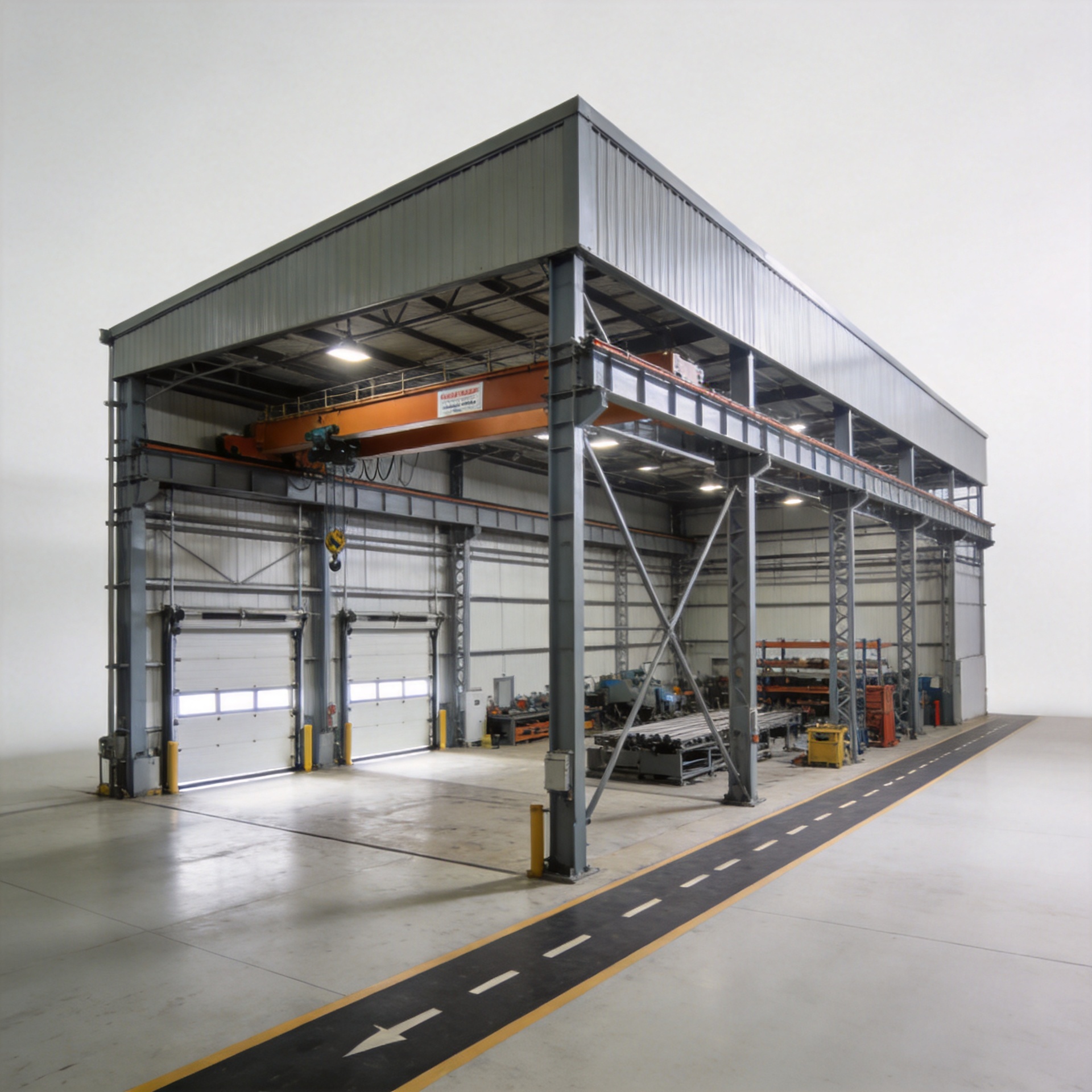
2026/10/26
Plan a warehouse workshop steel structure with smarter zoning, flow, clear height, crane, fire, and expansion decisions.
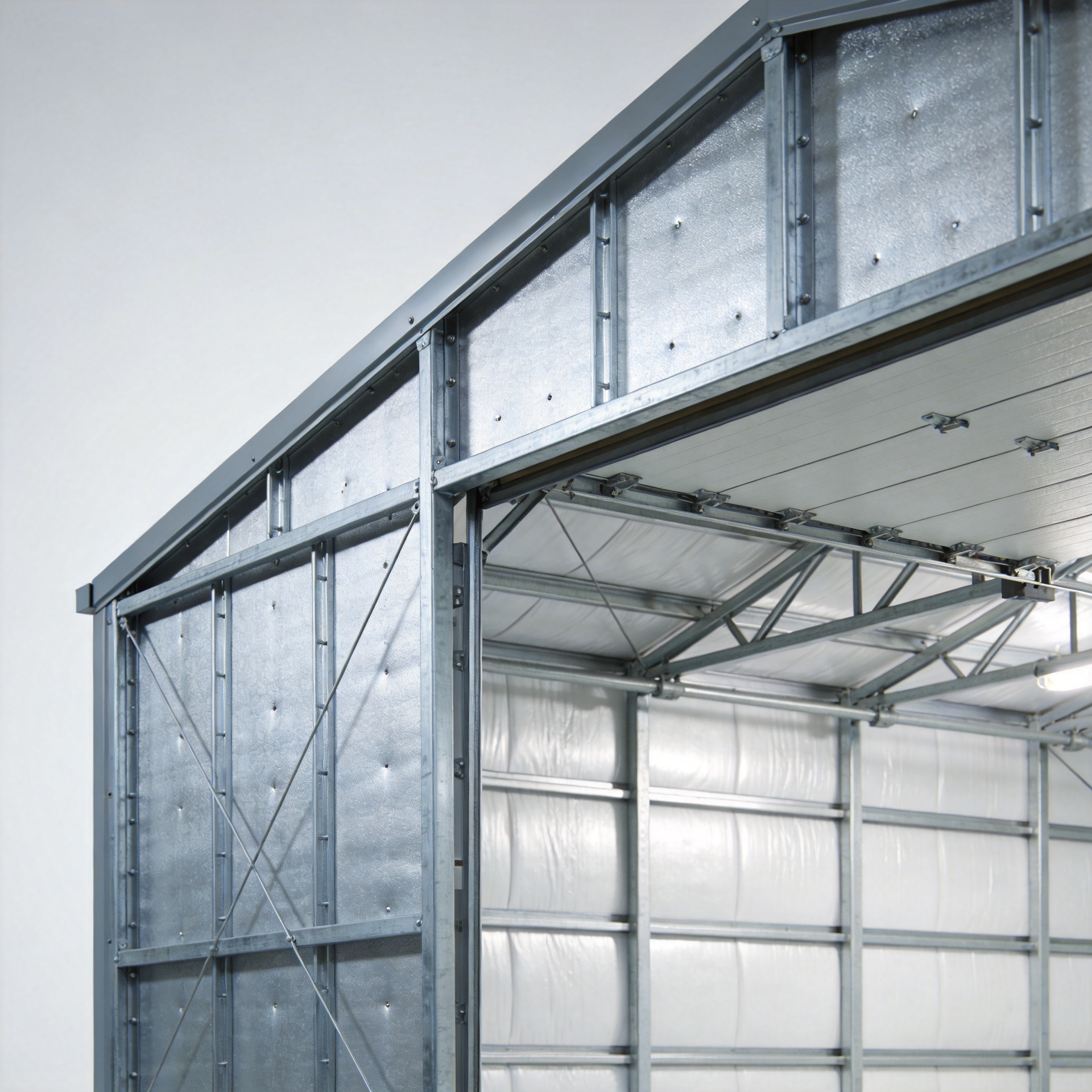
2026/10/26
Plan a cold storage steel structure with insulation, vapor control, thermal breaks, refrigeration interfaces and corrosion-ready details.
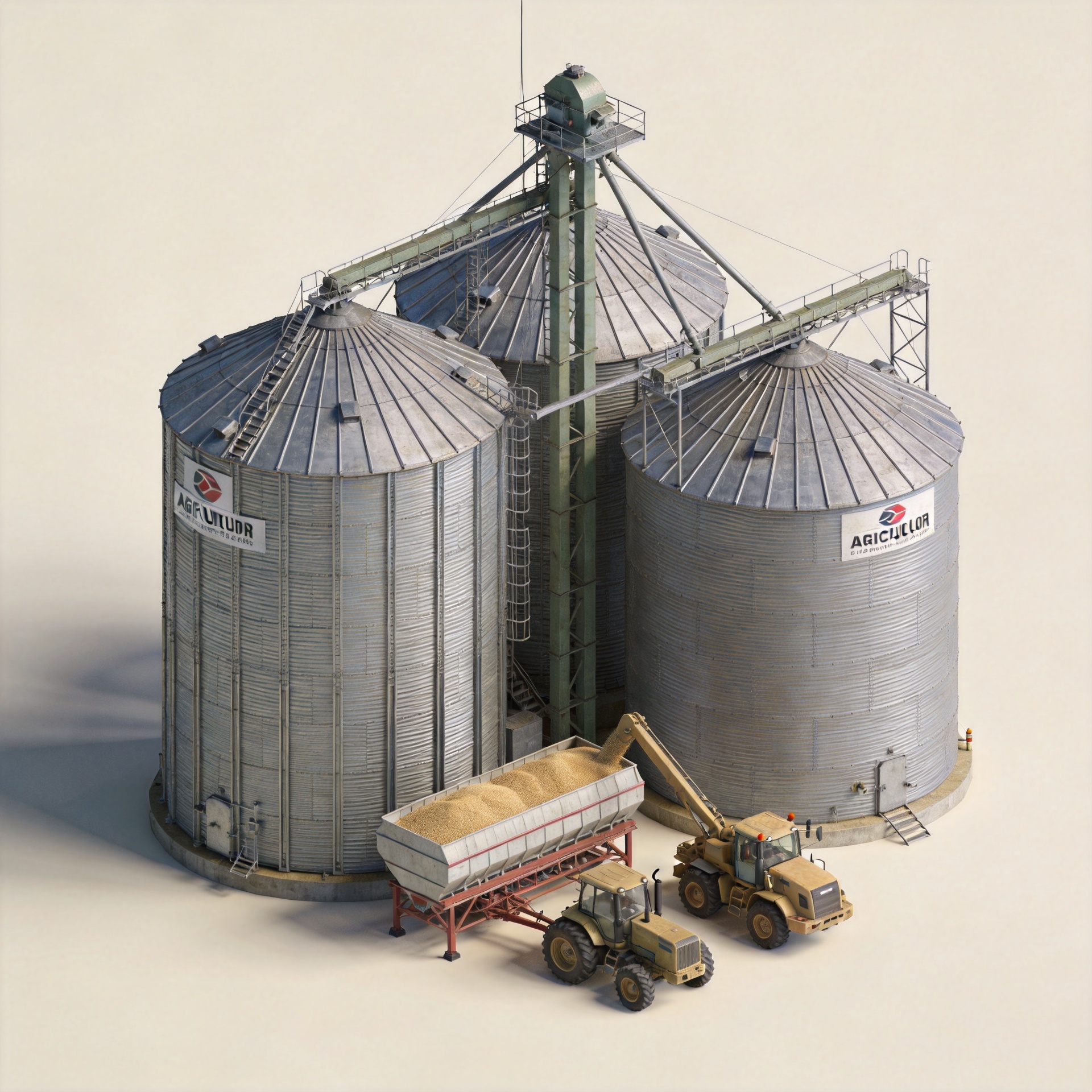
2026/10/26
Plan an agricultural steel structure that scales from machinery barn to storage and farm logistics hub with practical design and procurement steps.
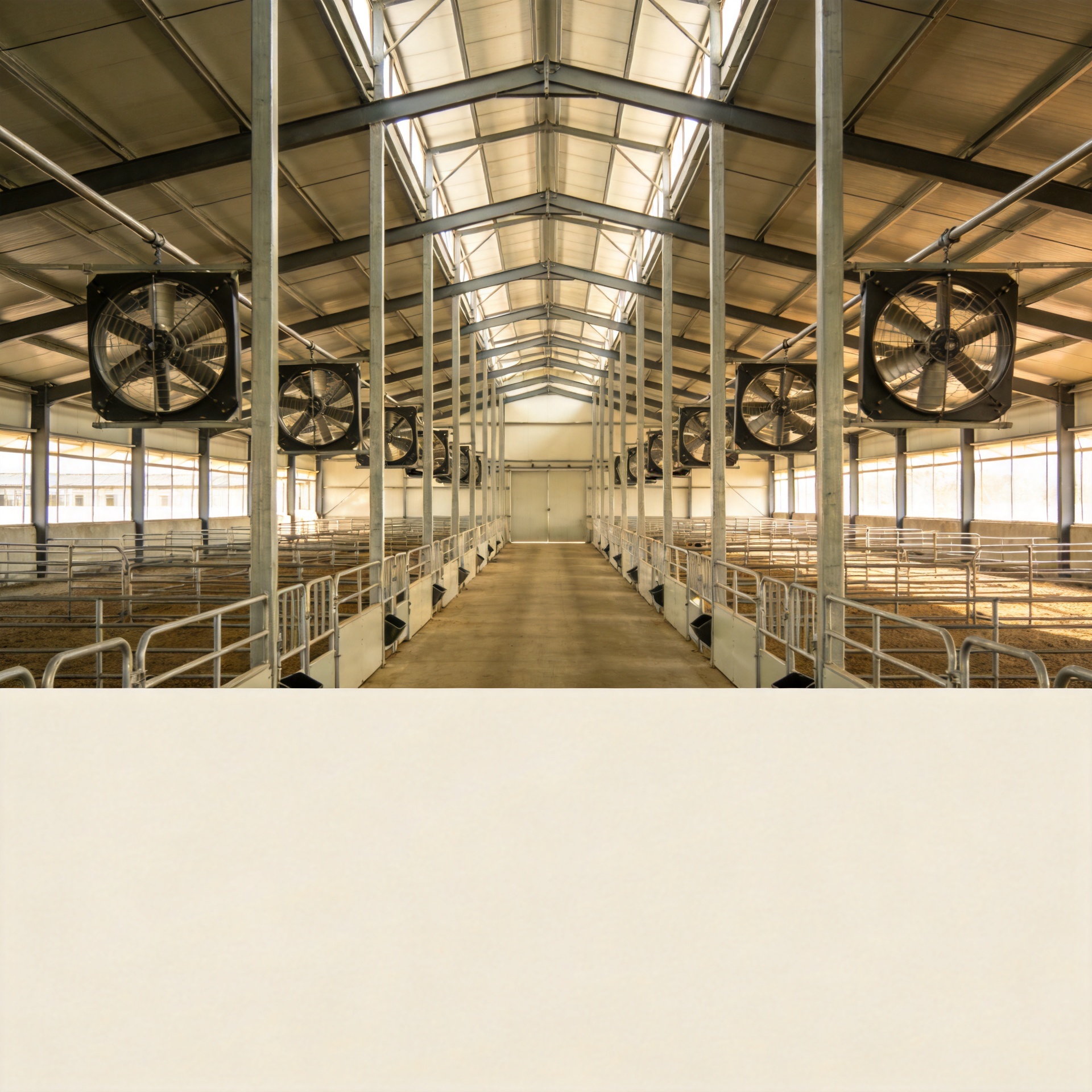
2026/10/26
Plan a livestock steel structure for welfare, corrosion resistance, fire considerations, and efficient design-to-delivery decisions.
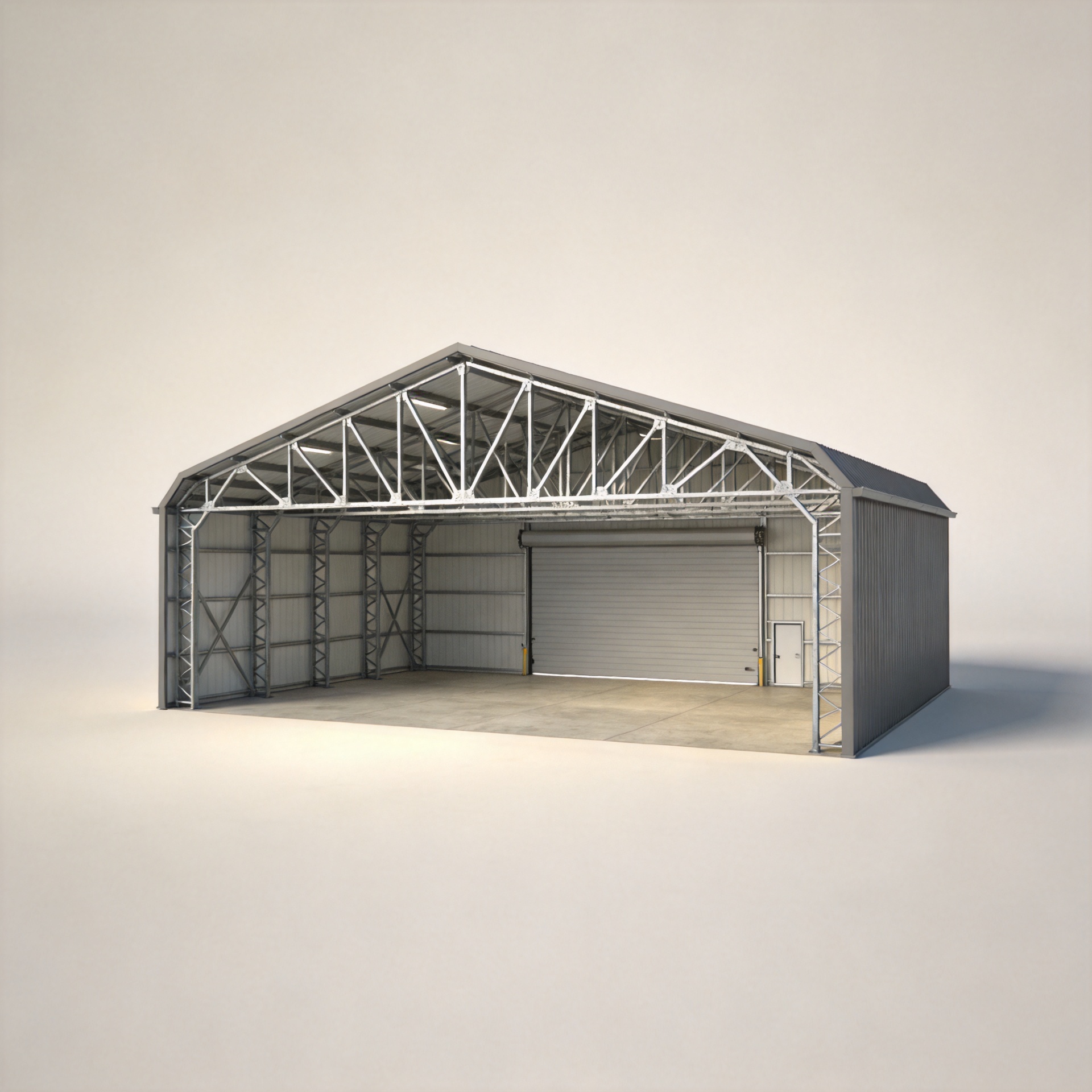
2026/10/26
Plan an aircraft steel structure for hangars and support facilities with guidance on loads, corrosion, fire, EN 1090, and delivery milestones.
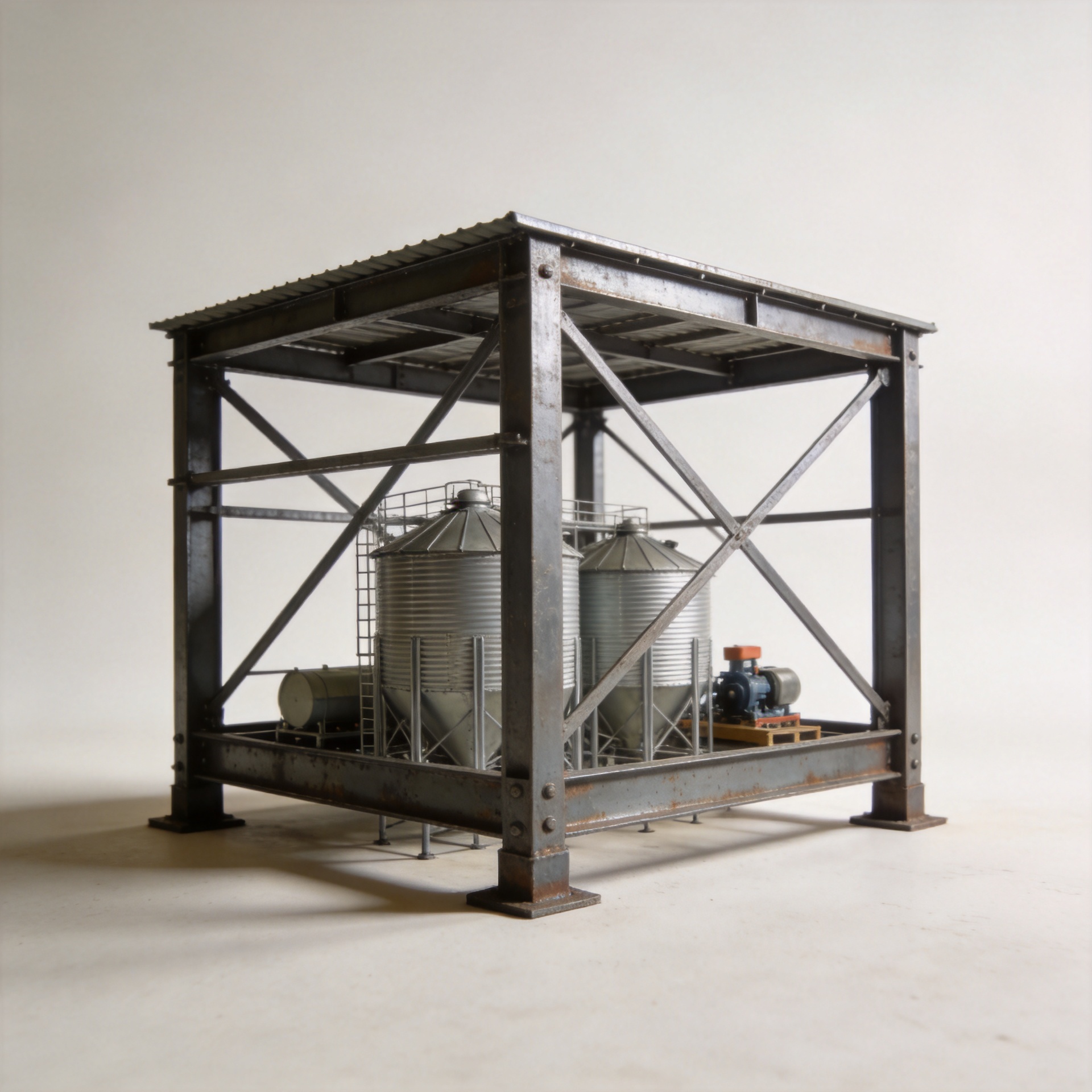
2026/10/26
Choose a farm steel structure for agricultural storage with practical guidance on loads, corrosion, compliance, and delivery planning.
