 EN
Warehouse-Workshop Steel Structures: Dual-Use Design
2026/10/26
Plan a warehouse workshop steel structure with smarter zoning, flow, clear height, crane, fire, and expansion decisions.

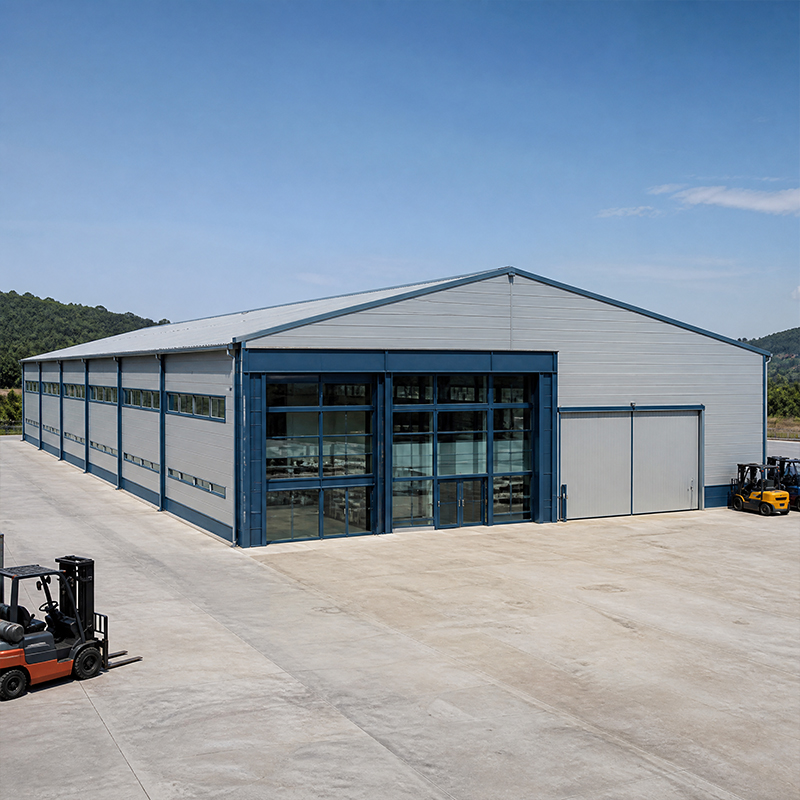
Logistics distribution center operations depend on uninterrupted travel between docks, sorting and staging. A steel building removes interior columns that would block conveyor lines and fork-truck paths. Wide clear spans let managers reconfigure racking without structural limits, and prefabricated members shorten the build so the facility earns revenue sooner. The material's consistency also supports predictable foundation and mezzanine planning across large footprints.
Cross-docking cuts storage time by transferring inbound pallets straight to outbound trucks. A steel frame supports the long, open dock aprons this method needs, with doors spaced for simultaneous loading. IBC and local fire codes set travel distances and exit counts for occupied sort areas, so the dock plan must reserve clear egress. Thoughtful door orientation reduces backing conflicts and keeps the yard moving during peak shifts without congestion. Booking docks to specific carriers and time windows keeps the yard predictable, so drivers are not left waiting in a queue that blocks the road. A layout reviewed with the operations team, not just the designer, catches the daily friction points that drawings cannot show before the first truck arrives.
A clear span of 30 to 60 meters lets racking run in any direction and grows with seasonal demand. Galvanized C&Z purlins keep the roof light, while Q355B or Q355D frames carry the load without intermediate columns. Where a regional hub serves 60-meter bays, Q355B-Z35 plate handles the thick welded joints. Flexible layouts mean a single building can shift from pallet store to e-commerce pick face without reconstruction, protecting the original investment. High-bay racking under a generous clear span also improves cube use, so more pallets sit per square meter of footprint and land cost is spread across higher throughput. Dock-aligned lanes keep inbound and outbound flows separate, reducing cross-traffic and the risk of product damage. Planning the span together with the material-handling system, rather than after it, avoids the expensive compromises that appear when equipment arrives before the building is drawn. For any logistics distribution center, this flexibility protects the original investment as volumes shift and methods evolve.
The envelope drives operating cost in a climate-controlled hub. A 150mm PIR insulated shell stabilizes temperature for sensitive goods and trims heating and cooling bills. Ridge ventilation lowers summer loads where ambient storage is acceptable. NFPA 13 sprinkler design and panel fire rating should be fixed during design, not added later. Daylight through clerestory glazing reduces lighting energy, while sealed joints prevent condensation that damages stock and steel alike.
A successful logistics distribution center starts with the plot. Soil bearing, flood risk and road access decide foundation type and dock orientation before the frame is modeled. Proximity to highways and labor shortens both delivery and staffing lead times for the operation. A clear span planned around the future yard layout avoids later column clashes with trailer queues and staged pallets. Early geotechnical and traffic studies protect the schedule, so the steel building matches the ground rather than fighting it after contracts are signed.
A steel building resists seismic and wind action through ductile frames, so a logistics distribution center remains operational after harsh weather. The same clear span that supports today's flow lets the hub absorb tomorrow's automation, from conveyor loops to robotic pick stations, without rebuilding. Designing the bay spacing for a heavier future floor load avoids costly strengthening later. Prefabricated components also speed repair after an incident, keeping the distribution mission running with minimal downtime. Structural health monitoring of the primary frame supports this resilience by flagging any drift before it affects picking or dispatch operations on the floor.
A Shenyang supply-chain client needed a regional distribution center with cross-docking. The background was slow order turnaround from a fragmented legacy layout with dead storage corners. The problem involved a 60-meter operational width where standard bays forced columns across the dock flow, breaking the cross-dock path. The solution used a Q355B steel building with a clear span, EN 1090 execution and robotic welding, plus NDT of critical connections under ISO 3834. The result delivered smooth cross-dock movement, faster dispatch and passed load verification without remedial work.
Buyers planning a logistics distribution center should define throughput, dock count, climate need and future expansion in the brief, then require ISO 9001 and EN 1090 certificates. Inspect welds against ISO 3834 records and confirm purlin galvanization on delivery. Maintain coatings annually, keep drains clear and review dock equipment quarterly. A documented FEA and material schedule give a baseline for later extension and steady structural inspection over time, so the hub stays safe as volumes grow.
A logistics distribution center built in steel gains clear spans, fast erection and layouts that evolve with demand. Cross-docking, energy control and verified fabrication turn the building into a throughput engine. Early alignment of structure and flow keeps distribution efficient from opening day onward. The same discipline that aligns the frame with the flow also protects the invested capital, so the hub keeps performing when the next peak season arrives.
Question What is a logistics distribution center?
Answer A logistics distribution center receives, sorts and redistributes goods rather than holding them long term in static storage. It emphasizes fast flow between inbound and outbound docks to keep inventory moving. Steel buildings support this with clear spans and flexible racking that adapt as shipment volumes and methods change. Proper siting near highways also shortens delivery lead times and lowers the cost of moving freight for the whole network.
Question How does cross-docking change building design?
Answer Cross-docking moves pallets straight from inbound to outbound, needing long open dock aprons and many doors for simultaneous loading. The steel frame provides column-free space for this continuous flow. IBC egress rules still apply, so the dock plan must reserve clear exits and avoid blocking travel distances. Early coordination with carriers protects the yard layout and prevents trailer queues from spilling into adjacent process areas.
Question Which steel grade fits a distribution hub?
Answer Q355B and Q355D suit most hubs, with Q355B-Z35 chosen for thick welded joints in large clear spans across the floor. Grade depends on span, climate and load rather than a fixed default. Galvanized purlins keep roofs light and durable. Always request mill certificates and confirm execution standards before fabrication, so the delivered frame matches the verified model and performs through peak seasonal throughput.
Question Why cite EN 1090 for distribution centers?
Answer EN 1090 sets execution rules for structural steel covering welding, coating and factory control from order to dispatch. Following it proves the frame meets recognized safety and quality benchmarks that operators expect. Distribution hubs shipping within regulated markets gain smoother acceptance through compliant, documented fabrication. It also supports a longer service life and easier resale when the center is later expanded or relocated to a new site.
Question How should a distribution center be maintained?
Answer Inspect coatings annually and keep gutters and drainage clear to protect the base from water. Review dock equipment quarterly and check cladding joints for condensation or movement. Timely painting and sealed details extend building life and keep the throughput environment stable. Structural health monitoring adds foresight by flagging drift early, so the hub stays operational through peak season without unplanned shutdown or disrupted dispatch.
2026/10/26
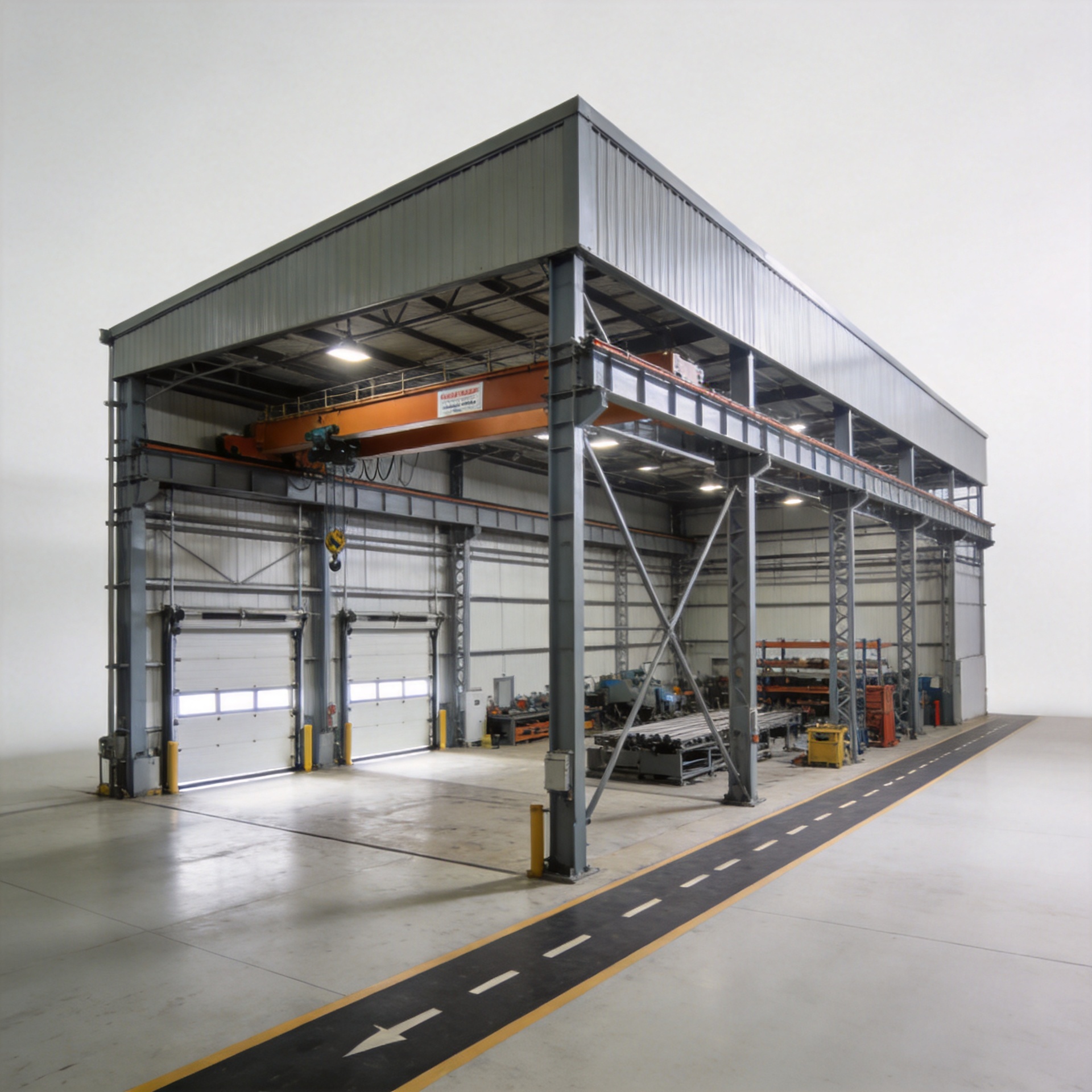
Plan a warehouse workshop steel structure with smarter zoning, flow, clear height, crane, fire, and expansion decisions.
2026/10/26
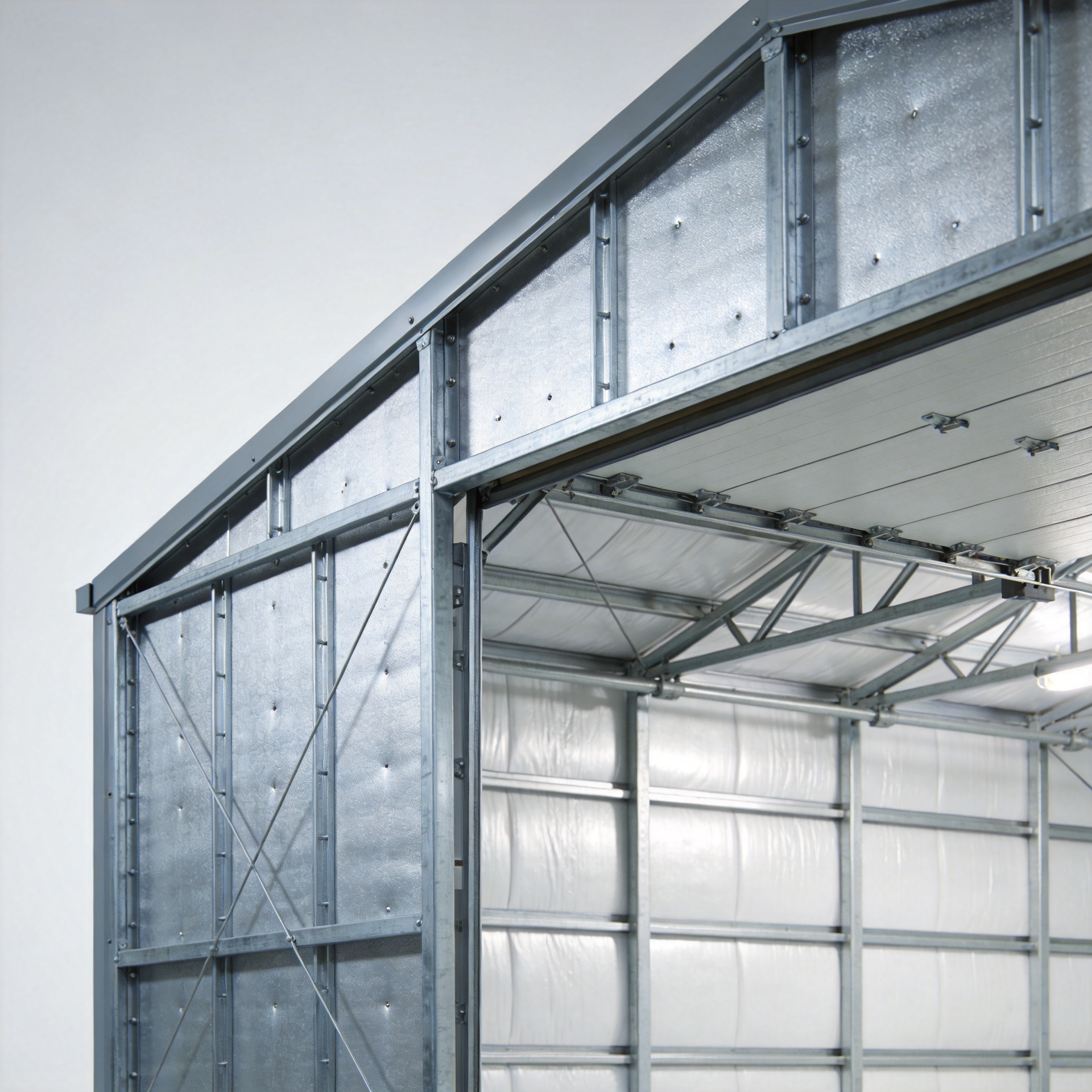
Plan a cold storage steel structure with insulation, vapor control, thermal breaks, refrigeration interfaces and corrosion-ready details.
2026/10/26
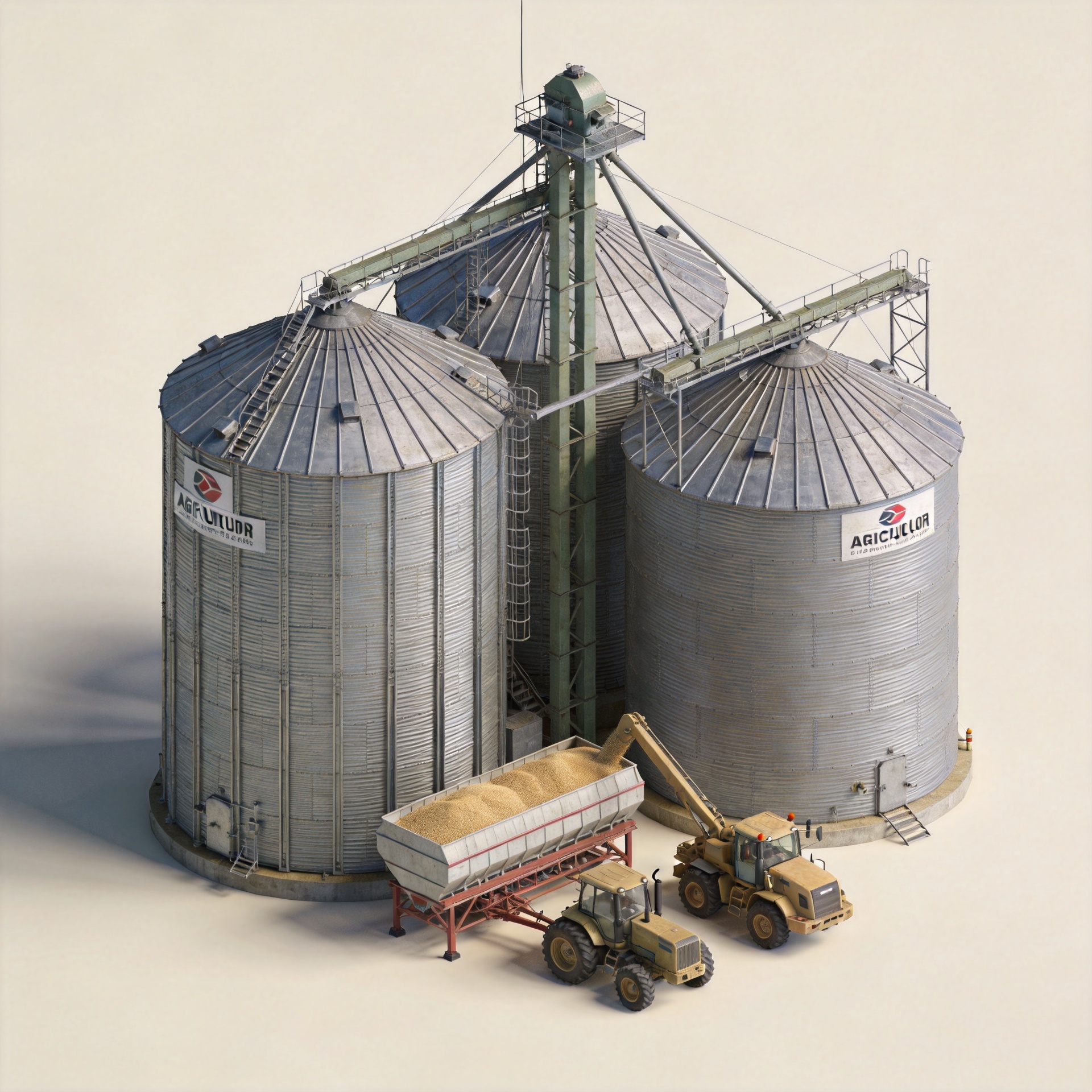
Plan an agricultural steel structure that scales from machinery barn to storage and farm logistics hub with practical design and procurement steps.
2026/10/26
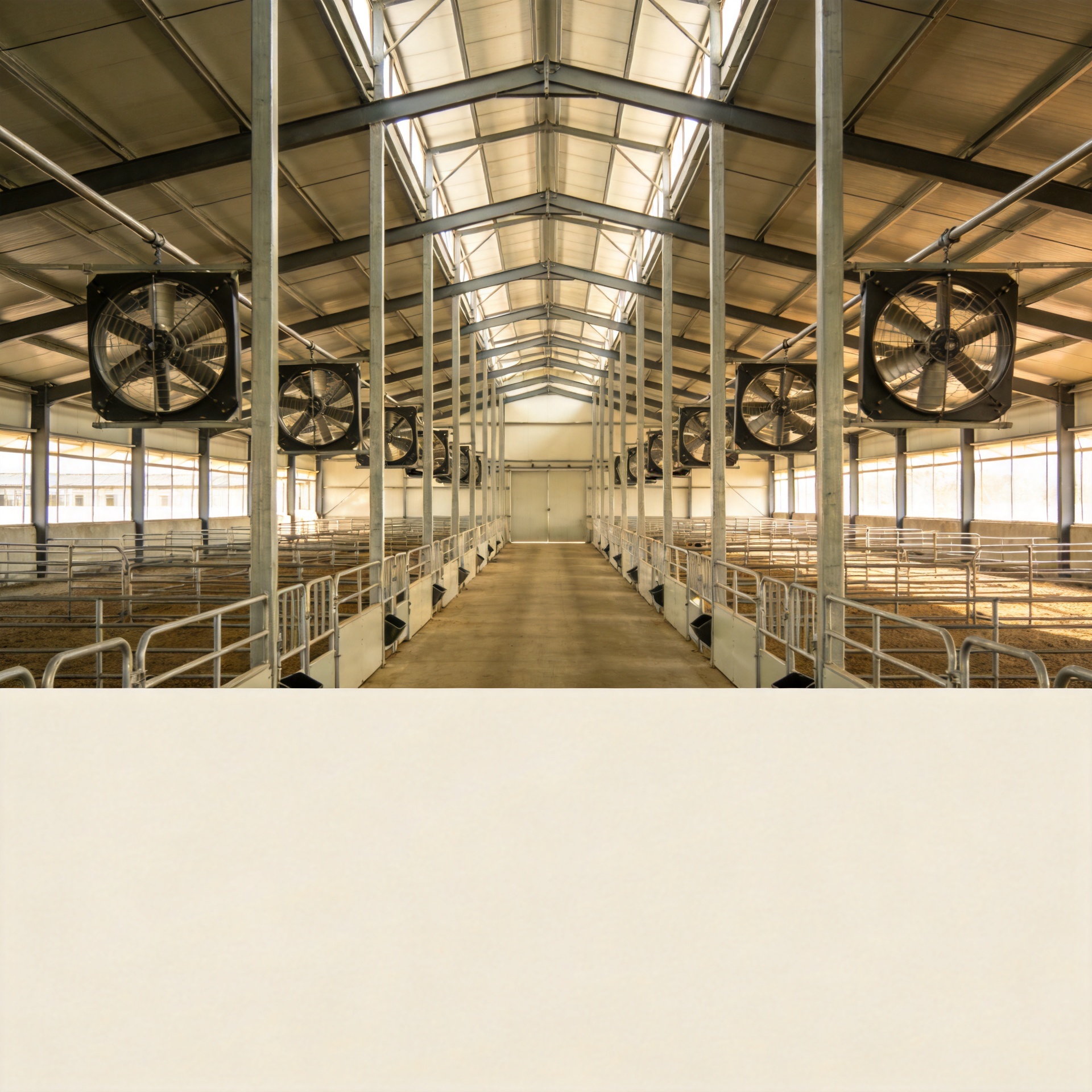
Plan a livestock steel structure for welfare, corrosion resistance, fire considerations, and efficient design-to-delivery decisions.
2026/10/26
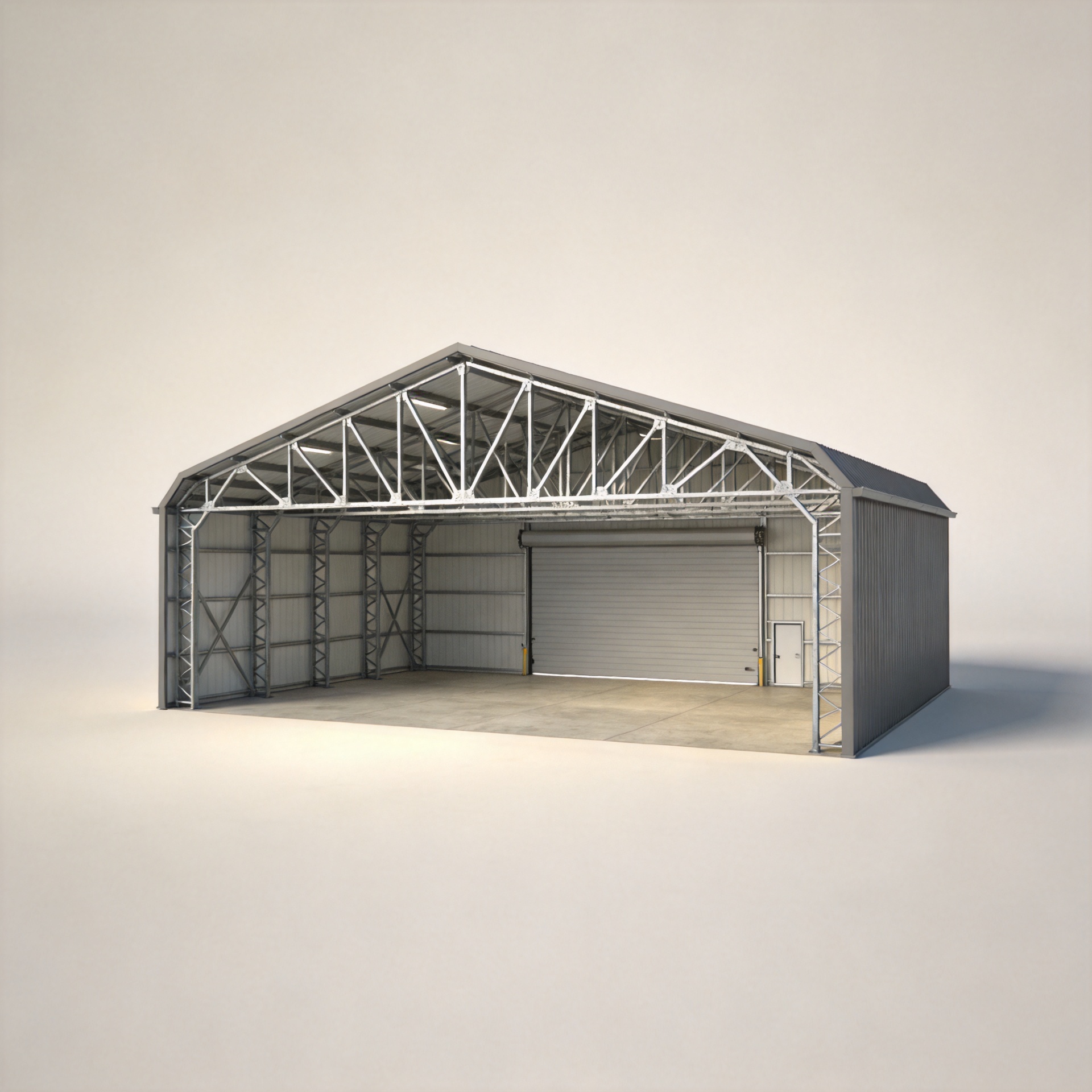
Plan an aircraft steel structure for hangars and support facilities with guidance on loads, corrosion, fire, EN 1090, and delivery milestones.
2026/10/26
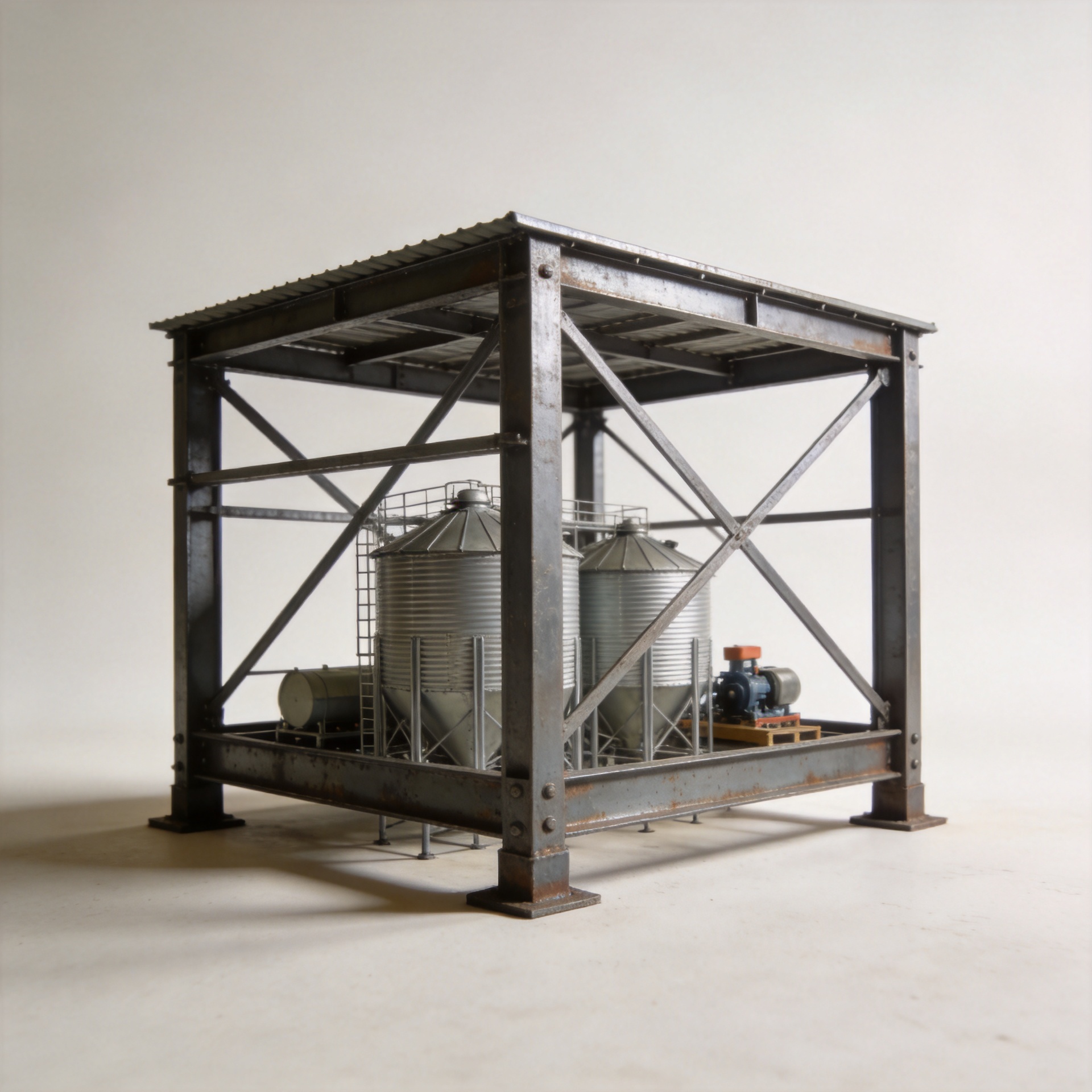
Choose a farm steel structure for agricultural storage with practical guidance on loads, corrosion, compliance, and delivery planning.
