 EN
Warehouse-Workshop Steel Structures: Dual-Use Design
2026/10/26
Plan a warehouse workshop steel structure with smarter zoning, flow, clear height, crane, fire, and expansion decisions.


An industrial cold storage facility keeps temperature-sensitive goods safe while surviving heavy thermal stress on its structure. Designing such a building means balancing insulation performance, steel frame stiffness, and moisture control from day one. Poor early choices lead to condensation, ice buildup, and energy waste that are expensive to correct after the building is sealed.
A refrigerated envelope behaves differently from a standard warehouse because interior and exterior surfaces sit far apart in temperature. The structural steel must resist not only gravity and wind loads but also the extra stiffness demands created by thick insulated cladding and suspended refrigeration equipment.
Cold environments raise the risk of brittle fracture, so material selection drives long-term safety. Low-temperature grades such as Q355D and the lamellar-tearing resistant Q355B-Z35 keep ductility stable when the air inside an industrial cold storage chamber drops well below freezing. Fabrication under ISO 3834 welding quality rules and CE marking through EN 1090 gives the frame a documented, traceable pedigree that specifiers expect.
High-strength 10.9S bolts form the primary connection system, and full-bolted joints simplify field erection while reducing on-site welding in chilled conditions. A portal frame in prefabricated steel lets the clear span reach up to 60 meters without interior columns blocking racking aisles. Engineers run finite element analysis to confirm deflection limits before any steel is cut.
Floor slabs carry a hidden load in cold stores: the ground beneath must be protected from freezing heave. Under-slab heating loops or insulated raft foundations keep the soil temperature above the frost line. Column bases get extra corrosion protection because meltwater and cleaning runoff collect near the perimeter.
A pre-engineered building approach trims delivery time and lets the galvanized coating system perform from day one. Spacing bays to match racking cuts steel tonnage without losing load capacity for narrow-aisle trucks.
The building envelope decides most of the lifetime energy bill, so the sandwich panel choice matters more than many buyers realize.
Polyisocyanurate cores deliver a high insulation value within a thin 150 mm profile, which preserves internal volume. Closed-cell PIR resists moisture uptake, and the continuous steel-skinned panel forms an airtight plane that cuts thermal bridging at the joints. For an industrial cold storage plant, this translates into lower compressor runtime and steadier setpoints.
Panels arrive prefabricated and lock together with concealed fasteners, so erection stays fast even in winter. Properly sealed seams also let the cladding act as a vapor-check layer.
Rock wool cores trade some insulation efficiency for non-combustible fire rating performance. Process areas with ovens, battery charging, or high occupant density benefit from the mineral fiber's stability at high temperature. Authorities citing IBC or NFPA life-safety provisions often prefer rock wool in mixed-use logistics buildings.
Many industrial cold storage operators choose rock wool where a single fire event would threaten product and people. Pairing rock wool walls with a separate internal vapor barrier keeps the assembly compliant while still meeting thermal targets. Either way, the panel must carry the correct CE marking and a declared lambda value.
Insulation only works if water vapor cannot reach the cold face and condense into frost. Detailing the barrier well is the difference between a quiet, efficient store and a constant repair job.
Warm outside air carries far more moisture than cold inside air. Without a continuous vapor barrier on the warm side, that vapor migrates through the envelope, meets the cold surface, and freezes. The resulting ice lenses split panels and ruin the insulation. A properly detailed barrier keeps the dew point outside the assembly.
This is why an industrial cold storage project succeeds or fails on detailing, not just on the panel label. ASTM and ISO 9001 documented installation procedures help crews maintain continuity at every seam and every penetration.
Pipes, conduits, and door frames break the barrier, so each penetration needs a pre-formed boot and sealed collar. Panel joints use two-stage tape and compatible sealant rated for low temperature. Door openings get heated jambs to stop frost bridging at the busiest traffic point.
Regular thermal imaging during commissioning reveals hidden leaks before the owner accepts the building. Small gaps at ambient temperature become major energy drains once cold, so the survey is never optional.
A cold store is a system, not a collection of parts, so verification protects the investment.
Before loading product, the team pulls the chamber to temperature and watches the envelope with infrared cameras. Drifting setpoints, frost at joints, or warm spots signal detailing errors. Structural steel gets a final visual and torque check on bolted connections under EN 1090 acceptance criteria.
An industrial cold storage owner should confirm the floor load test passes for stacked pallets and narrow-aisle traffic before handover. Only after these checks pass does the facility enter service with confidence.
Coatings need inspection for corrosion at cut edges and around fasteners; glass flake coating touch-ups extend service life in wash-down zones. Panel seals should be re-taped on a schedule, and the vapor barrier surveyed after any tenant modification.
Industrial cold storage suppliers with ISO 9001 systems and references across sixty-plus countries give buyers a safer path. A clear maintenance log, reviewed each season, prevents small envelope faults from becoming structural repairs.
Industrial cold storage buildings reward careful design with decades of stable, low-cost operation. Matching the steel frame, insulated panel, and vapor barrier as one coordinated system keeps energy, moisture, and maintenance under control from the first winter.
What insulation thickness is recommended for an industrial cold storage warehouse?
Answer: A 150 mm PIR sandwich panel suits most frozen stores down to minus twenty-five degrees, while chill rooms above zero often use 100 mm. Thickness depends on target setpoint, outdoor climate, and energy cost. Rock wool versions run slightly thicker for the same value. The design should balance internal volume against lifetime compressor runtime rather than picking the thinnest board available on the market.
Why is a vapor barrier critical in refrigerated warehouse construction?
Answer: Warm moist air constantly presses against the envelope, and without a continuous vapor barrier it migrates to the cold face and turns to frost. That frost splits panels and destroys insulation value over a single season. Placing the barrier on the warm side and sealing every joint keeps the dew point outside the assembly. Documented ASTM detailing procedures help crews maintain continuity at seams and penetrations.
How does PIR panel compare with rock wool for cold rooms?
Answer: PIR gives higher insulation per millimeter and a tighter air seal, which lowers energy use in steady frozen storage. Rock wool is non-combustible and preferred where fire rating rules under IBC or NFPA apply, or where ovens and chargers create heat sources. Both need correct CE marking and sealed seams. The choice follows the process risk profile more than the initial purchase price of the board.
Which steel grade suits freezing cold store conditions?
Answer: Low-temperature grades such as Q355D and the lamellar-tearing resistant Q355B-Z35 retain ductility below freezing and reduce brittle-fracture risk. High-strength 10.9S bolts and full-bolted connections simplify field work in chilled air. Fabrication should meet ISO 3834 welding rules and EN 1090 CE marking so the frame carries a traceable quality record accepted by international specifiers and local authorities.
When should thermal imaging be performed on a cold store?
Answer: Infrared scanning belongs at commissioning, after the chamber reaches setpoint but before product loads. It reveals hidden joint leaks, warm spots, and frost bridging that visual checks miss. A second scan after the first full winter confirms the envelope settled correctly. Annual surveys then catch seal degradation early, keeping energy and moisture under control throughout the building life.
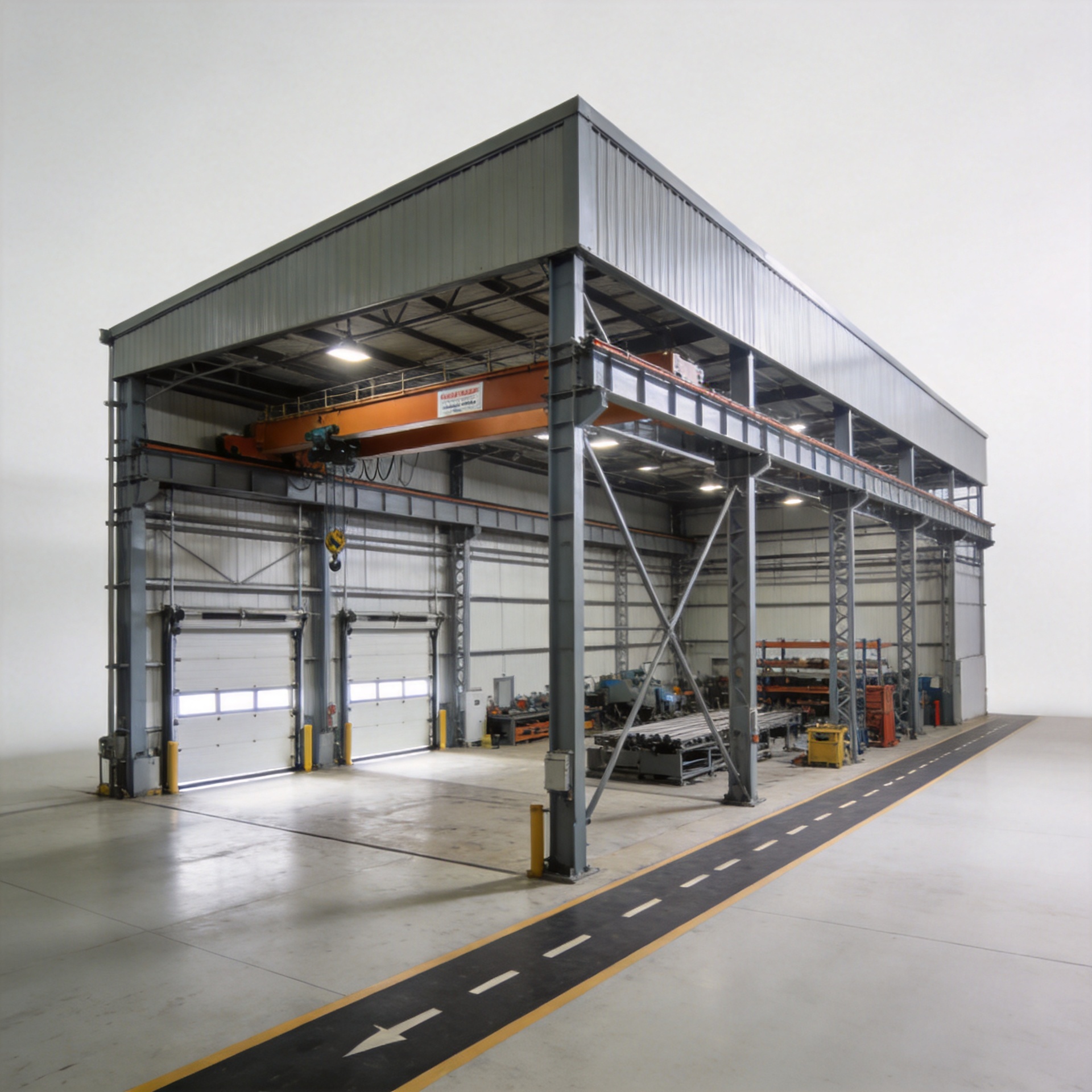
2026/10/26
Plan a warehouse workshop steel structure with smarter zoning, flow, clear height, crane, fire, and expansion decisions.
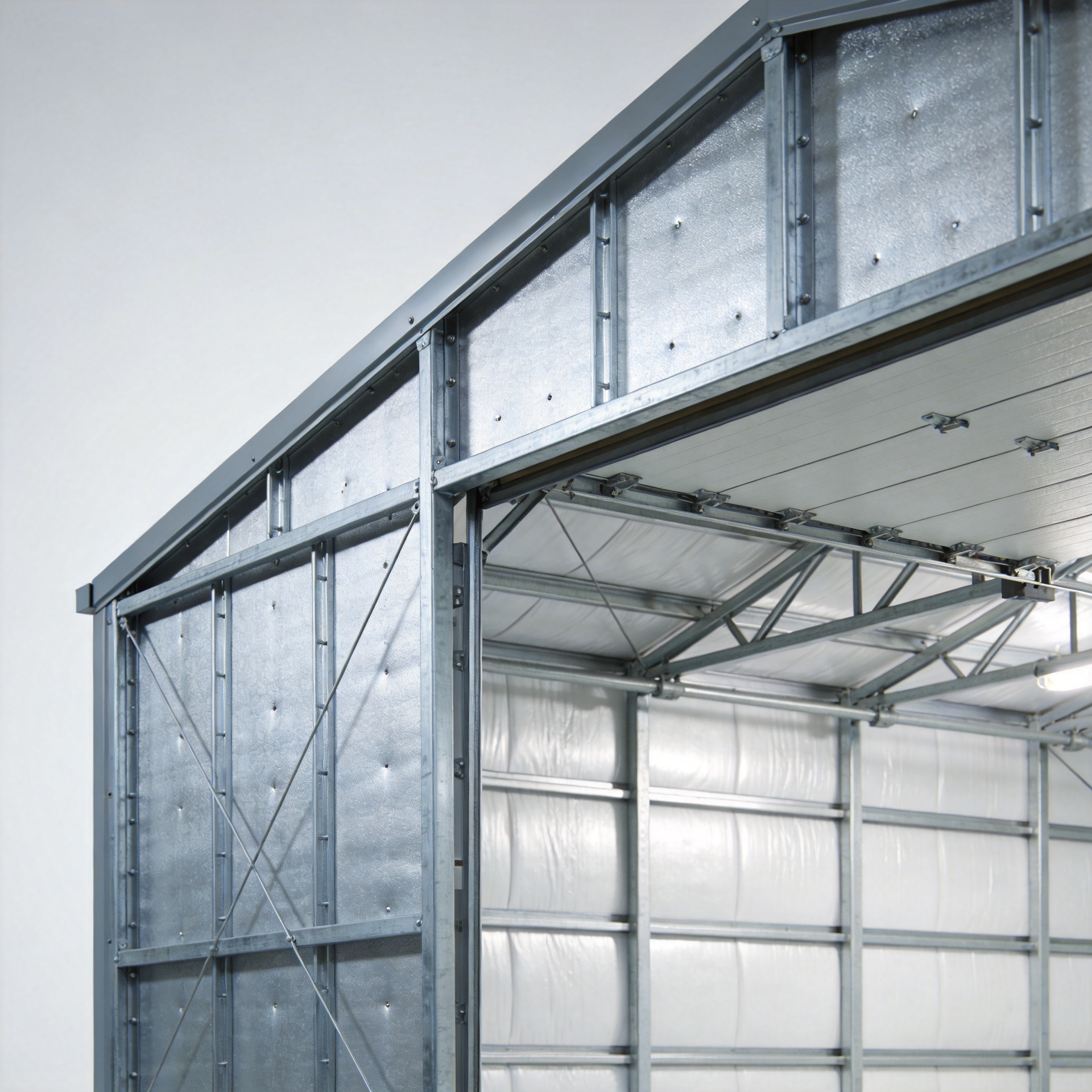
2026/10/26
Plan a cold storage steel structure with insulation, vapor control, thermal breaks, refrigeration interfaces and corrosion-ready details.
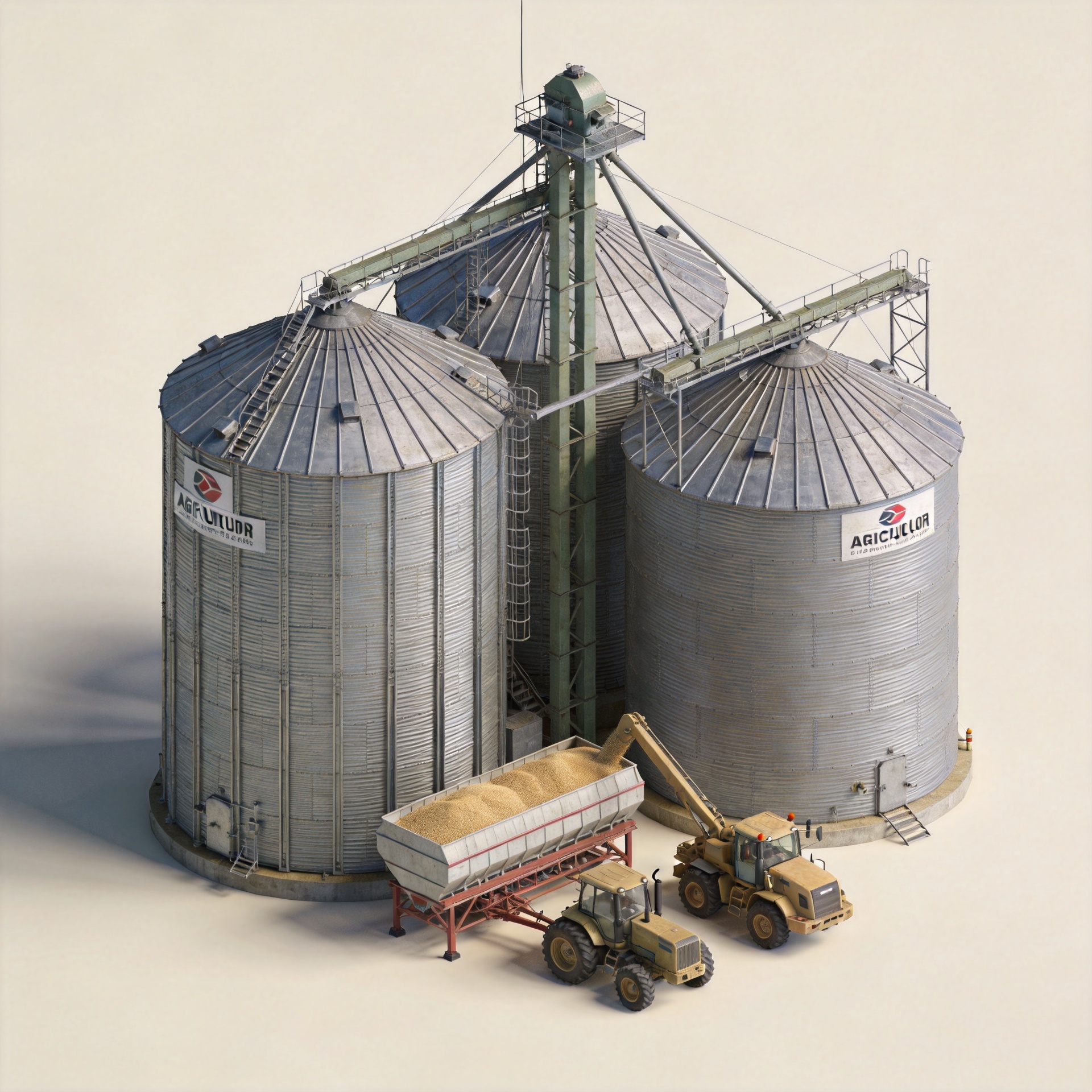
2026/10/26
Plan an agricultural steel structure that scales from machinery barn to storage and farm logistics hub with practical design and procurement steps.
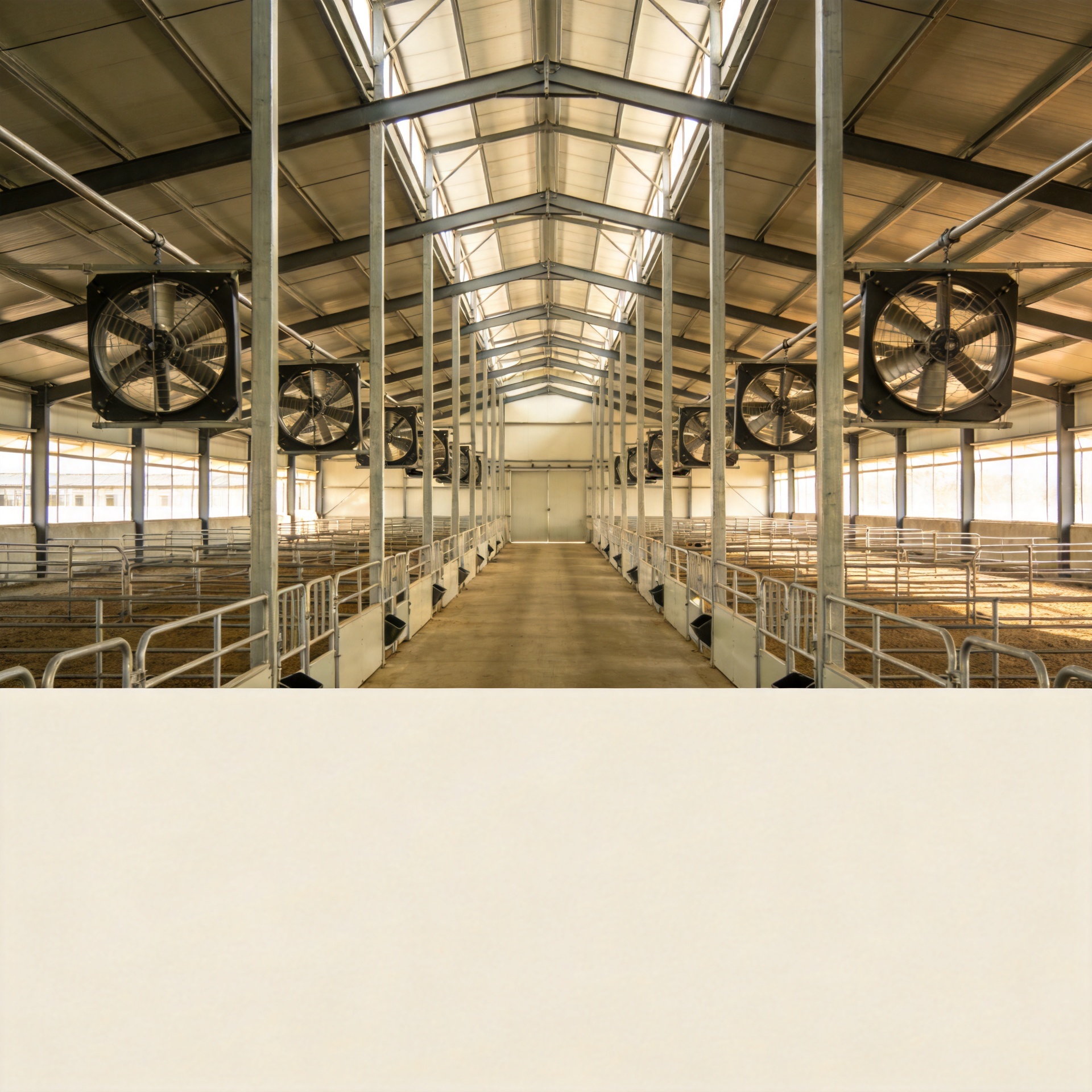
2026/10/26
Plan a livestock steel structure for welfare, corrosion resistance, fire considerations, and efficient design-to-delivery decisions.
2026/10/26
Plan an aircraft steel structure for hangars and support facilities with guidance on loads, corrosion, fire, EN 1090, and delivery milestones.
2026/10/26
Choose a farm steel structure for agricultural storage with practical guidance on loads, corrosion, compliance, and delivery planning.
