 EN
Warehouse-Workshop Steel Structures: Dual-Use Design
2026/10/26
Plan a warehouse workshop steel structure with smarter zoning, flow, clear height, crane, fire, and expansion decisions.

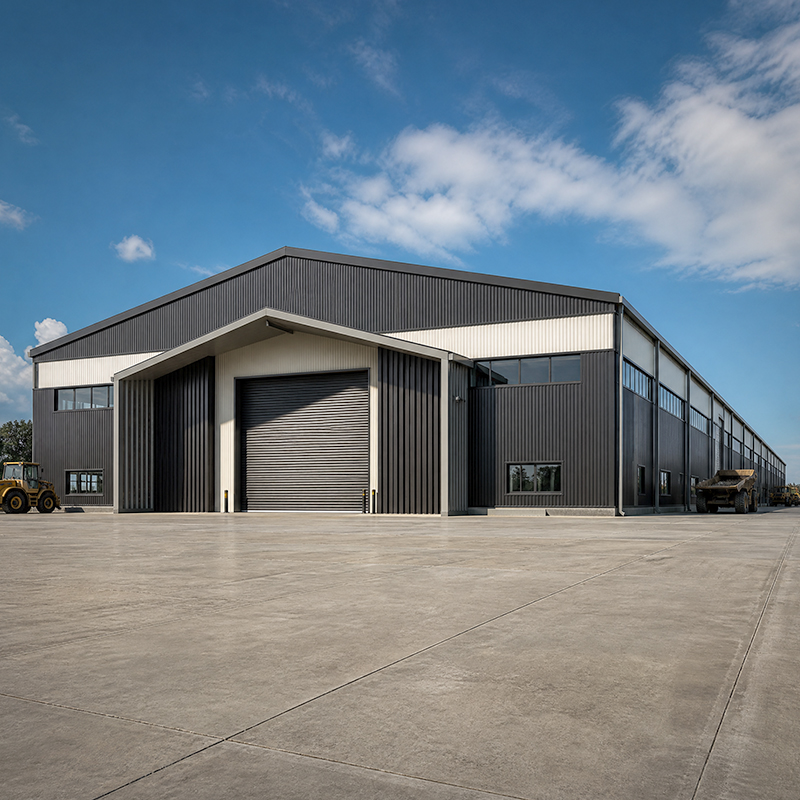
A metal building is a long-term asset, so the choice of partner deserves the same care as the design itself. Many procurement teams rush to compare prices, yet the real risk sits earlier in the process. Reliable metal building manufacturers earn trust through proven capability, transparent documentation, and a track record that survives scrutiny. This guide walks through a practical selection and audit framework buyers can apply before signing.
Selecting reliable metal building manufacturers starts long before a request for quotation is sent. A clear project scope—span, height, live loads, crane requirement, and local snow or wind zone—lets suppliers return comparable offers instead of vague estimates. When scope is fuzzy, two factories quote different design assumptions, and the lowest number often hides the weakest structure. Buyers who document functional needs first gain leverage during the selection stage and avoid costly change orders later.
A useful habit is to prepare a one-page brief covering building purpose, footprint, future expansion, and targeted service life. This brief becomes the baseline for every audit conversation. It also forces internal teams to agree on priorities such as clear span versus column grids, so the chosen vendor is judged on the same criteria as everyone else.
During early screening, several warning signs help filter the field quickly. A supplier that cannot explain its design software or refuses a live factory tour should raise doubt. Equally telling is a quote built only on weight per square meter with no connection detail. Serious metal building manufacturers share calculation logic, not just a price.
Another red flag is vague answers about steel origin and grade. When a fabricator cannot state whether plates meet Q355B or higher tensile grades, the structural margin is unknown. Inconsistent documentation across similar projects also suggests weak process discipline, which matters more than a polished brochure.
A factory visit—or a detailed video walkthrough—reveals far more than a catalog. Look for CNC cutting lines, automated welding stations, and controlled shot-blasting before coating. Robotic welding improves repeatability on primary frames, while qualified welders with ISO 3834 procedures protect joint integrity. Ask how fillet sizes and penetration are verified; visual checks alone are not enough for load-bearing members.
Capability also shows in how a shop handles bolts and fit-up. Full bolted connections with 10.9S high-strength bolts reduce on-site welding and speed erection. Capable metal building manufacturers run disciplined shops that label every member and ship with an erection drawing set, which keeps the audit simple and the site organized.
Export experience is a strong proxy for capability because it proves the vendor can meet varied codes and logistics demands. A fabricator that has delivered to 60 or more countries has likely solved foundation interfaces, ocean packaging, and customs paperwork that first-time exporters stumble on. Request three references in climates similar to the destination.
For context, a grain storage project in northeastern China faced heavy snow load and condensation risk. The assigned supplier used 60 m clear-span frames, glass-flake coating on interior surfaces, and ventilated cladding to manage moisture. The building has performed through several harsh winters without structural rework—an example of capability translating into a low-maintenance outcome.
Certifications are not decoration; they encode the discipline behind a building. ISO 9001 confirms a managed quality system, while EN 1090 with CE marking is required for structural steel placed in the European market. ISO 3834 governs welding quality and pairs naturally with EN 1090. Buyers specifying North American work may also reference AISC or MBMA guidance during the audit.
A capable supplier treats these standards as routine and can produce valid certificates with scope and expiry dates. Verify that the certificate covers the actual product family, not a distant division. An expired or mismatched document is itself a reason to pause the selection.
Traceability separates professional shops from informal ones. Each steel plate should carry mill test certificates linking heat number to grade and mechanical properties. Coating batches, bolt certificates, and weld maps should be filed per project. During an audit, ask to see a complete document package from a finished job; if it cannot be produced, quality control is likely informal.
Modern metal building manufacturers often pair this paper trail with digital tracking, so a single member can be traced from raw coil to installed location. That level of control reduces disputes and speeds any future extension of the structure.
The lowest headline offer rarely equals the lowest total cost. Freight, foundation savings from lighter frames, erection speed, and coating life all shift the math. A disciplined audit compares like-for-like: same steel grade, same coating system, same bolt spec, and same design loads. Only then does unit price become meaningful.
Reputable metal building manufacturers welcome such side-by-side scrutiny because their value shows under normalized terms. Buyers should also weigh rework risk. A structure that needs field correction consumes crane time and labor that erase any upfront saving. Selecting on value rather than headline number keeps the project predictable.
Capability extends beyond the factory gate. Clarify what the vendor supplies at erection: detailed drawings, supervision, or trained crews. Ask how deviation reports are handled and whether spare connections are included. A supplier that stays engaged after shipment demonstrates the maturity buyers want from metal building manufacturers.
Choosing a partner is less about finding the lowest bid and more about disciplined selection and audit. Define scope, verify capability, confirm certifications such as EN 1090 and ISO 3834, and compare total cost. Buyers who follow this checklist reduce risk and gain a structure that performs for decades—exactly what experienced metal building manufacturers are built to deliver.
What documents should be requested during a supplier audit?
Answer: A thorough audit requests mill test certificates for steel, welding procedure records, coating specifications, and valid quality certificates such as ISO 9001. Erection drawings and a reference project list confirm real capability. Reviewing a complete document package from a finished job reveals whether quality control is formal or informal, helping separate disciplined shops from casual ones before any contract is signed.
How is production capability verified without a site visit?
Answer: Remote verification combines live video walkthroughs, third-party inspection reports, and sample weld coupons. Request footage of CNC cutting and robotic welding lines, then cross-check certifications with issuing bodies. Independent inspectors can measure member dimensions and coating thickness on the buyer's behalf. While not identical to an on-site tour, this approach still exposes major gaps in process discipline and equipment before commitment.
Which international standards matter most for structural steel?
Answer: EN 1090 with CE marking applies to structural steel in the European market, supported by ISO 3834 for welding quality and ISO 9001 for management systems. North American projects often reference AISC or MBMA guidance. The relevant standard depends on the destination, so the audit should confirm certificates cover the exact product family and remain current, rather than relying on a generic company-level claim.
When should a fabrication reference be considered relevant?
Answer: A reference is useful when it matches the building type, climate, and load case of the new project. A warehouse in a coastal, high-wind region teaches more than a dry-inland job for a similar site. Request contactable clients and photos from comparable exports. Three solid, relevant references outweigh a long list of unrelated jobs when judging whether a vendor can deliver the required performance.
How is total cost compared fairly between metal building manufacturers?
Answer: Fair comparison requires identical scope: same steel grade, coating system, bolt specification, and design loads. Freight, erection speed, and coating service life then shift the real number. Comparing only weight-based unit price hides gaps that surface as rework. A structured audit normalizes each offer so the decision reflects long-term value, not the lowest headline figure on the first page.
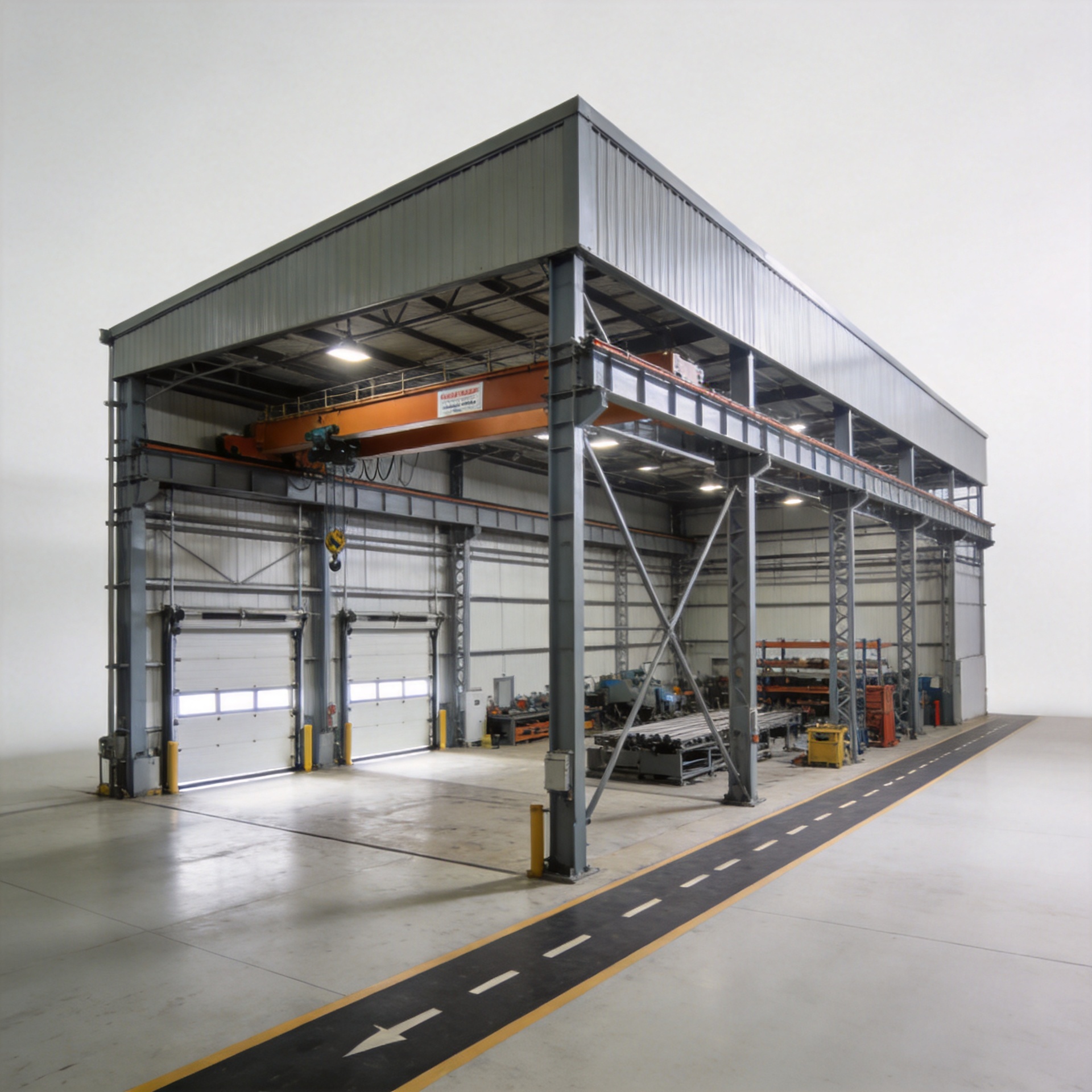
2026/10/26
Plan a warehouse workshop steel structure with smarter zoning, flow, clear height, crane, fire, and expansion decisions.
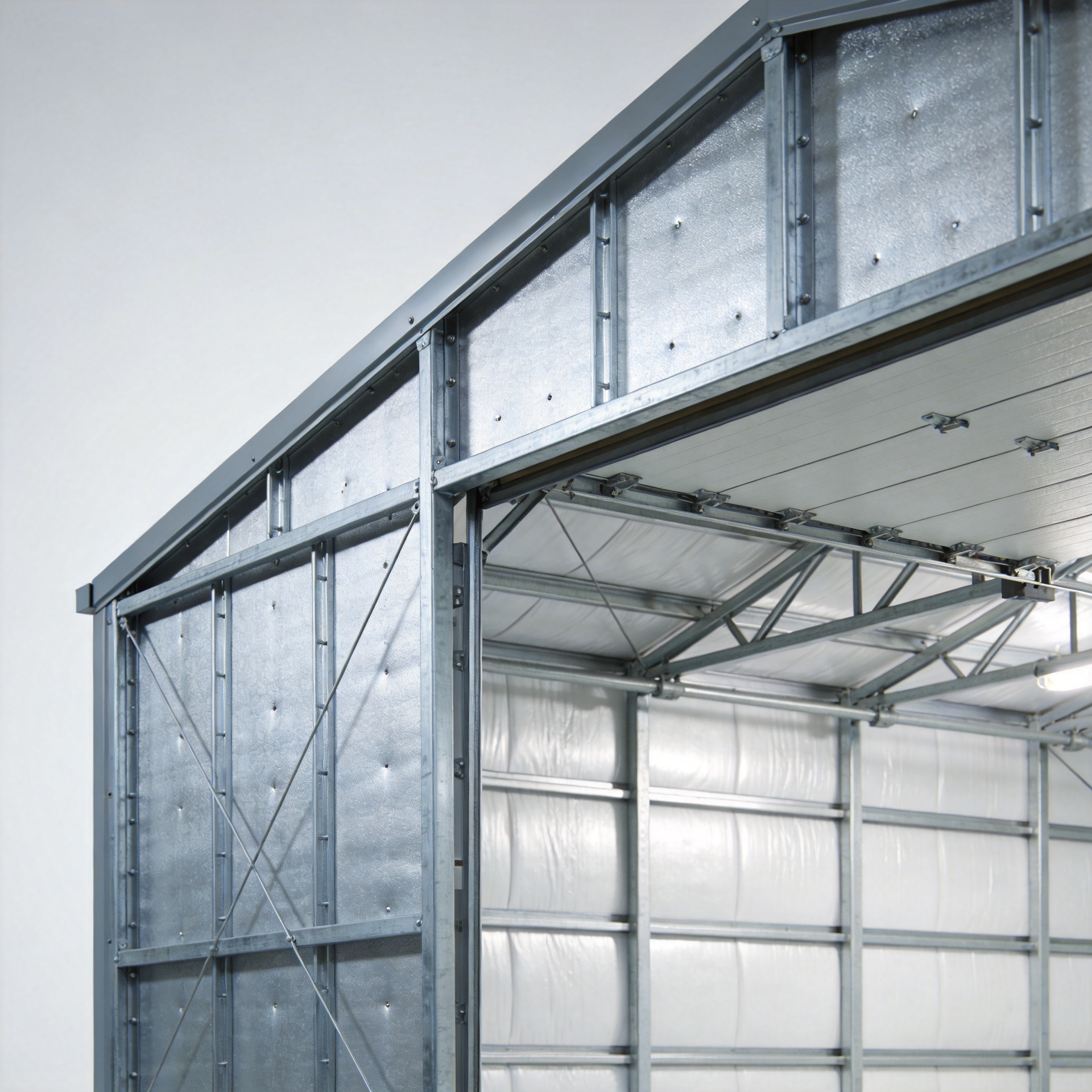
2026/10/26
Plan a cold storage steel structure with insulation, vapor control, thermal breaks, refrigeration interfaces and corrosion-ready details.
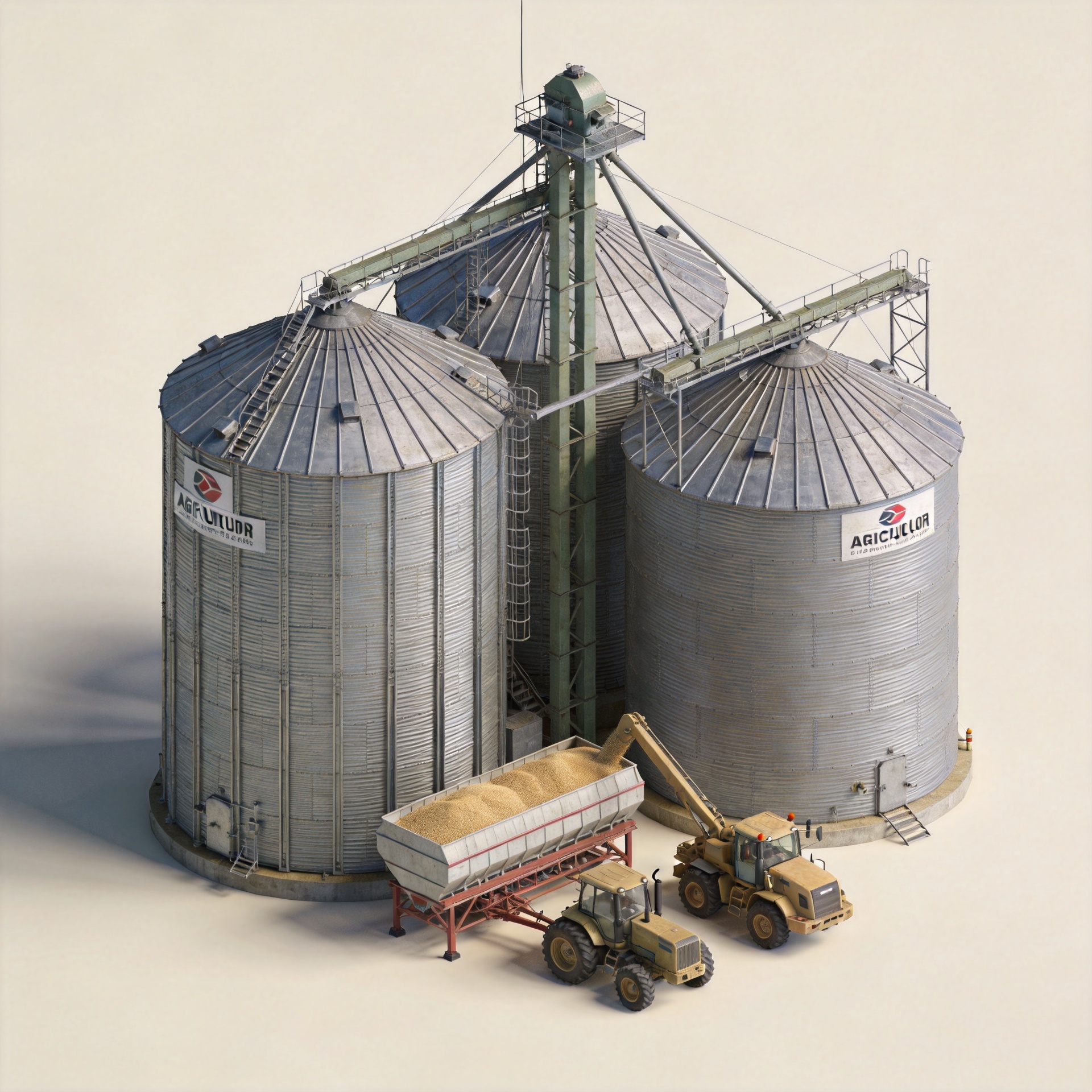
2026/10/26
Plan an agricultural steel structure that scales from machinery barn to storage and farm logistics hub with practical design and procurement steps.
2026/10/26
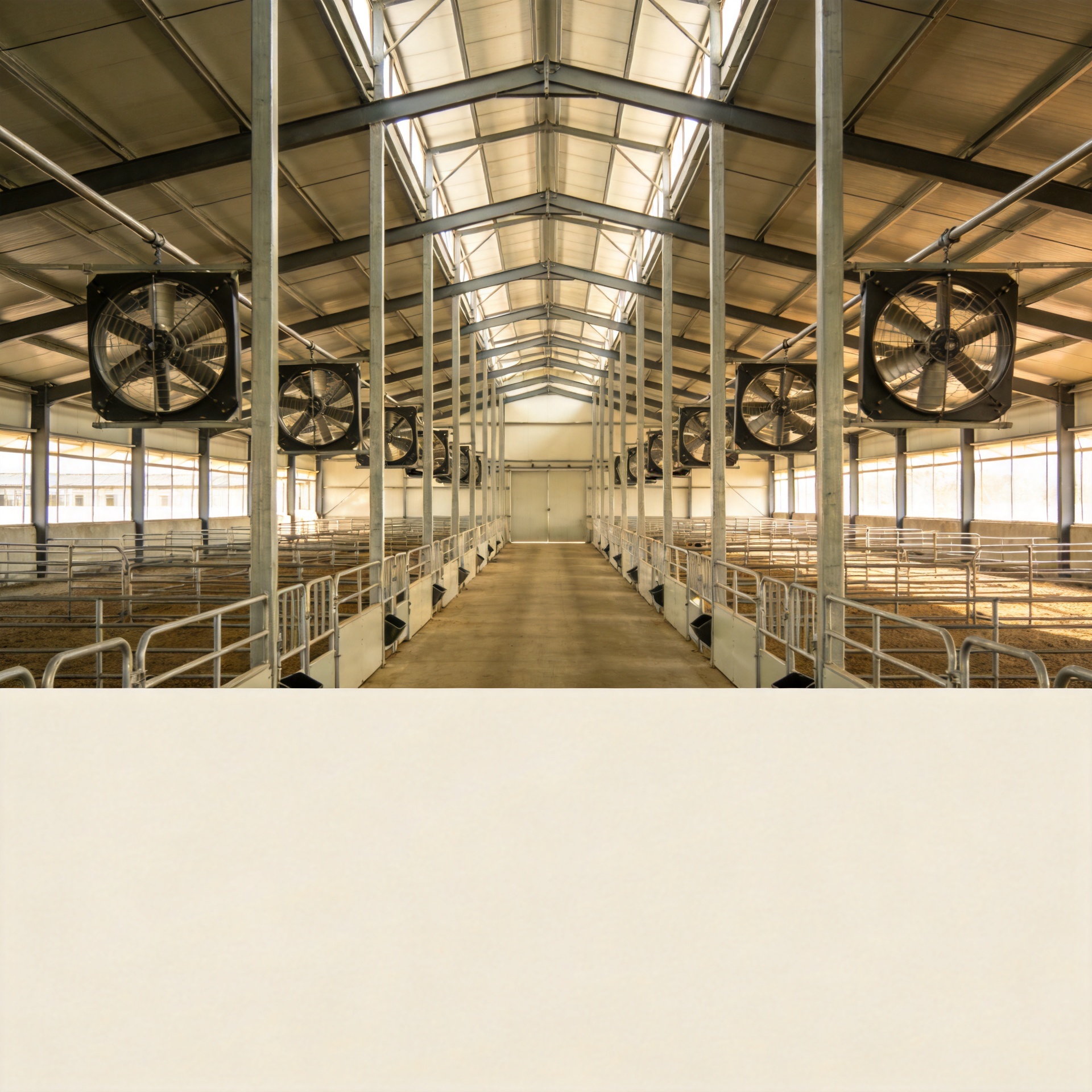
Plan a livestock steel structure for welfare, corrosion resistance, fire considerations, and efficient design-to-delivery decisions.
2026/10/26
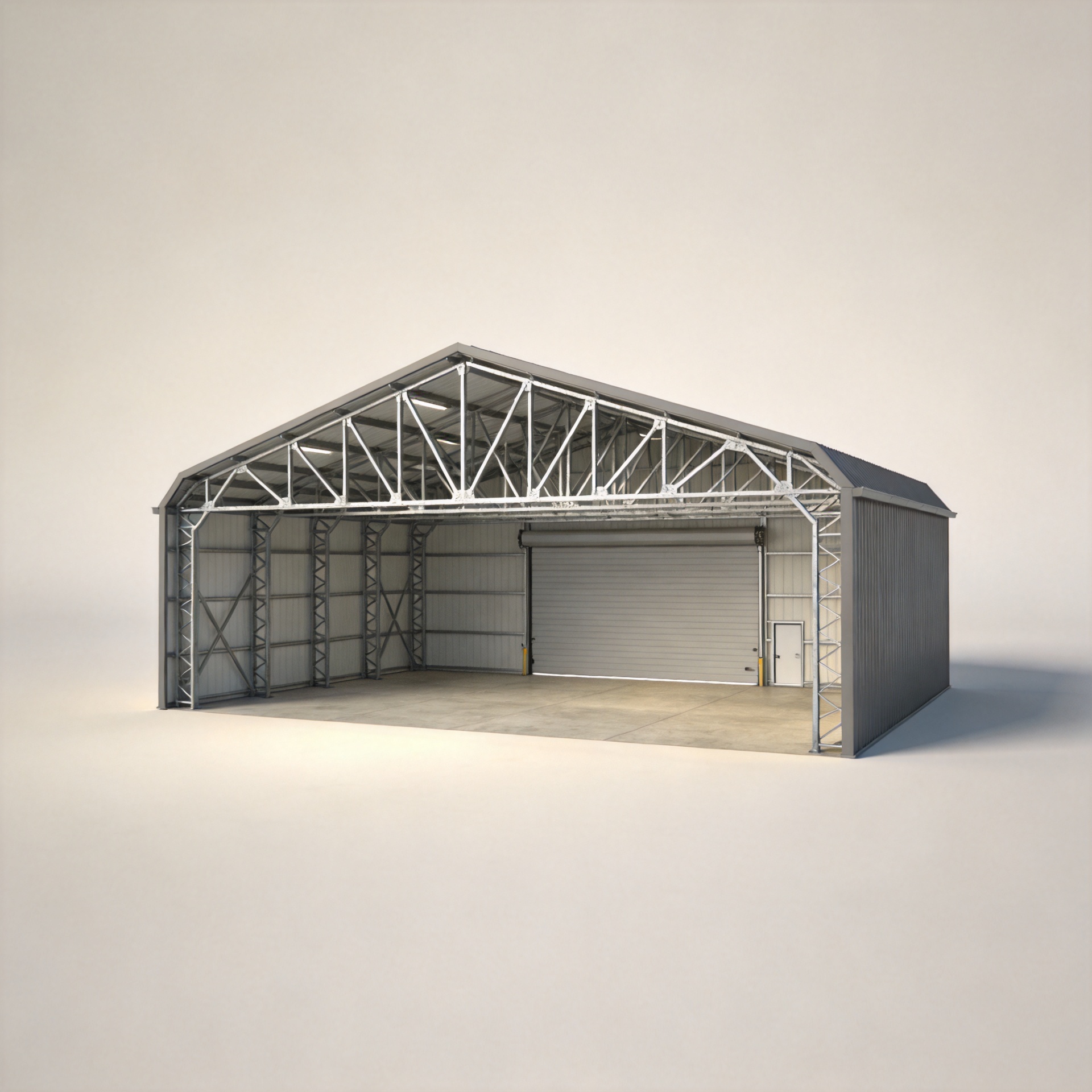
Plan an aircraft steel structure for hangars and support facilities with guidance on loads, corrosion, fire, EN 1090, and delivery milestones.
2026/10/26
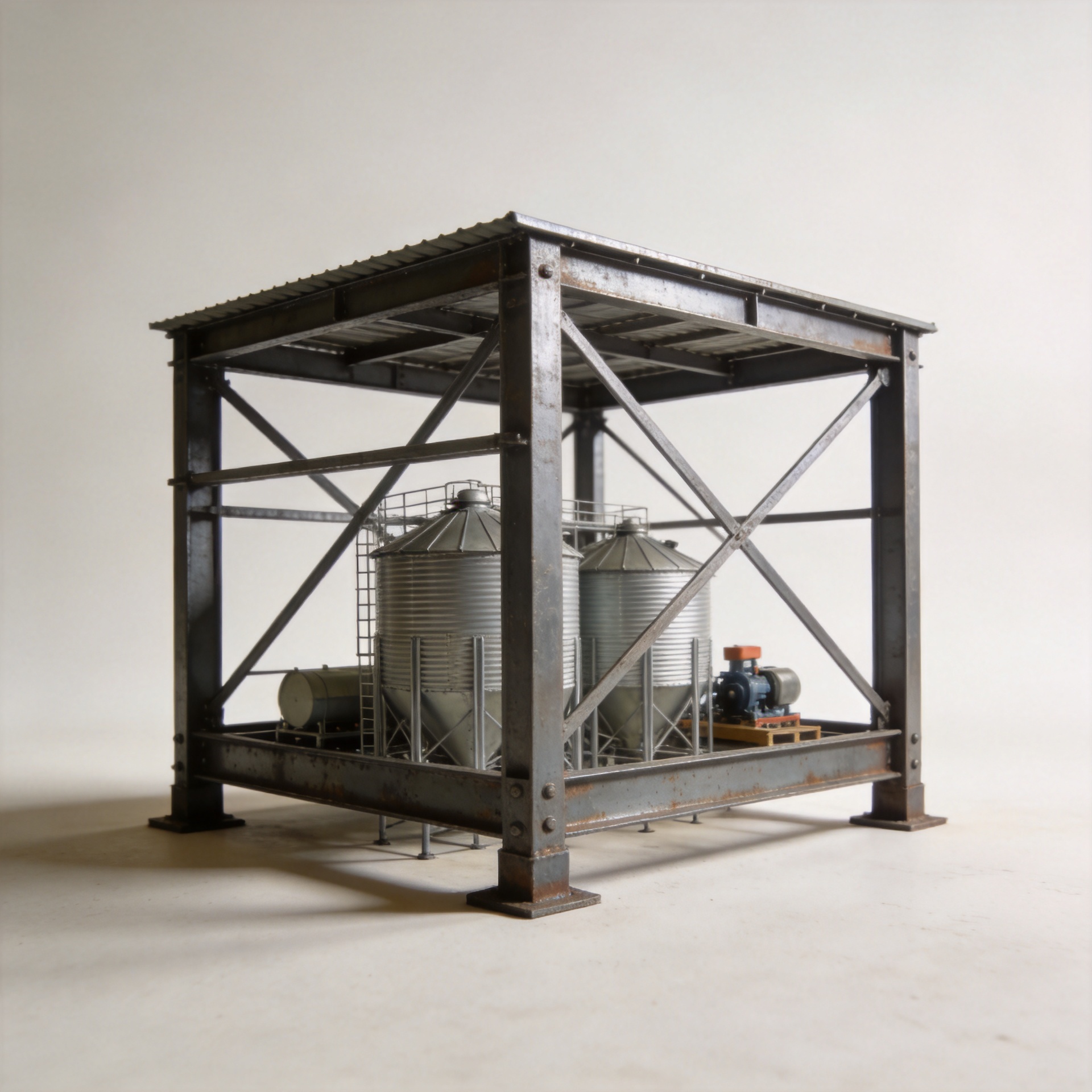
Choose a farm steel structure for agricultural storage with practical guidance on loads, corrosion, compliance, and delivery planning.
