 EN
Warehouse-Workshop Steel Structures: Dual-Use Design
2026/10/26
Plan a warehouse workshop steel structure with smarter zoning, flow, clear height, crane, fire, and expansion decisions.

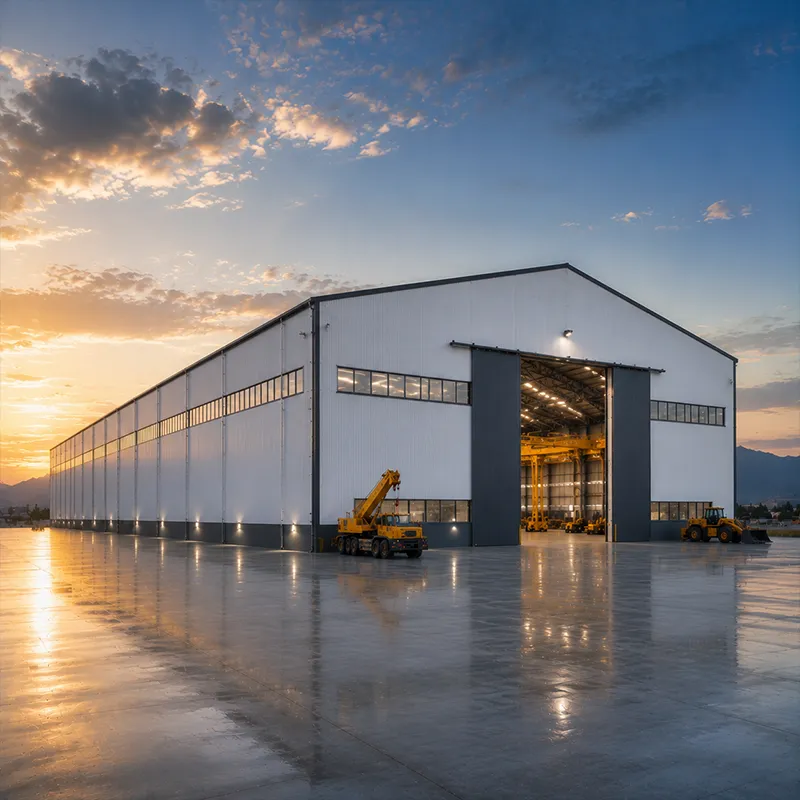
The Role of Center Logistics in the Chain
Center logistics sits at the junction where raw material, finished goods and last-mile delivery meet, turning storage into flow. A well-run facility shortens the distance between supplier and customer, cutting both lead time and working capital tied up in inventory. When the building, systems and transport links align, the supply chain absorbs demand swings without costly expedites or stockouts that ripple downstream to retailers and erode brand trust. Visibility tools feed real-time data from the floor back to planners, so the center logistics node becomes a control point rather than a passive warehouse.
Center logistics creates value by compressing time and space in the flow of goods. Holding the right stock near the right market lets a distribution center replenish stores overnight instead of waiting on long factory-to-shop pipelines. Cross-docking and consolidation shrink handling steps, while data-driven slotting keeps fast movers ready at the dock. The result is lower cost per order and steadier service through peak seasons that would otherwise strain a fragmented network.
Inventory strategy decides how much buffer the chain needs. Too little stock risks stockouts; too much ties capital and floor space. A center logistics operation uses demand signals to position safety stock where it clears fastest, trimming lead time for the products that drive revenue. Steel structures with high clear height multiply pallet positions per square meter, so the same footprint serves more SKUs without expansion and without sacrificing aisle width.
Efficiency is built into the floor plan before the first pallet arrives. Door placement, lane width and racking all shape how quickly a truck turns and an order fills, so the structural grid and the process route should be developed together rather than separately. Slotting logic, supported by warehouse management software, then assigns each SKU a position that matches its pick frequency, so travel distance inside the center logistics operation stays minimal. Getting this right before the steel is detailed avoids costly reconfiguration once the frame and slab are fixed in place.
Cross-docking moves goods from inbound trailers to outbound ones with minimal storage, removing a whole handling cycle from the chain. A steel structure supports the long, column-free docks this needs, letting several trucks stage at once. Consolidation merges small shipments into full loads, raising transport efficiency and lowering cost per case. Designing these lanes first keeps the building shaped around flow, not the reverse, and protects throughput when volumes spike.
A steel structure gives the clear span and load capacity that evolving operations demand. Q355B frames with optimized column spacing host racking, conveyors and mezzanines that can be re-planned as volumes shift. EN 1090 execution and ISO 3834 welding control quality for structures shipped and erected worldwide. This adaptability protects supply chain efficiency when a new product line or automation upgrade arrives mid-life, because the frame can accept revised layouts with little downtime.
Disruptions—weather, demand spikes, port delays—test the chain. The building and its practices should absorb shocks rather than amplify them, keeping service steady when the network around it is strained.
Resilience comes from spare capacity and alternative flows. A center logistics site with excess dock doors and flexible racking can re-route volume when one lane clogs. Mezzanine space acts as buffer during surges. Planning for peak plus a margin, rather than average load, keeps service steady when the network is strained. Redundant utilities and clear emergency access further protect uptime and let crews keep working through local outages.
Compliance underpins trust in the chain. Fire rating follows NFPA 13 and local IBC occupancy rules, while structural design respects AISC 360 and relevant Eurocode loads. EN 1090 execution class confirms the steel was built to spec, and ISO 9001 governance tracks process quality. These standards reassure partners that the facility will perform under the loads and risks it was designed to meet, which matters for insured, audited supply contracts.
A regional supply-chain operator needed to cut replenishment time to retail stores across a wide area from one hub, while keeping climate-sensitive stock stable and handling seasonal surges without adding scattered warehouses.
The operator's scattered small warehouses added days of transit and duplicate stock. The problem was fragmented storage with no cross-dock capability. The solution used a Q355B steel distribution center with a 60 m clear span hall, 150 mm PIR insulation for a climate zone, and a cross-docking layout near a rail link. BIM coordination aligned trusses, conveyors and docks before fabrication, avoiding rework and hitting the opening date despite a tight schedule.
Buyers should verify mill certificates for Q355B or Q355D steel and 10.9S bolts, and confirm EN 1090 execution class. Inspect welds with NDT at key joints. During usage, keep aisles clear, respect floor load limits and maintain dock equipment. Maintenance includes annual coating checks, gutter cleaning and bolt tension review after storms. SHM sensors can flag movement early, supporting planned technical support over emergency repair that would interrupt fulfillment.
A logistics center strengthens the supply chain when location, layout and steel structure are designed as one system. Building flexibility and resilience in from the start keeps goods moving efficiently long after the first pallet is stored.
Frequently Asked Questions
Question How does a logistics center improve supply chain efficiency?
Answer It compresses time and space by holding stock near demand and enabling fast replenishment. Cross-docking and consolidation cut handling steps, while data-driven slotting keeps fast movers at the dock. High clear height and smart racking multiply positions per square meter. The result is lower cost per order and steadier service through demand peaks and disruptions.
Question What is the role of cross-docking?
Answer Cross-docking moves goods from inbound to outbound with minimal storage, removing a handling cycle from the chain. It needs long column-free docks that a steel structure provides, letting several trailers stage together. Consolidation then merges small loads into full ones, raising transport efficiency. Designing these lanes first shapes the building around flow and speeds truck turns.
Question Why use a steel structure for a distribution center?
Answer Steel gives clear span, load capacity and speed that evolving operations need. Q355B frames with tuned column spacing host racking, conveyors and mezzanines that re-plan as volumes shift. EN 1090 and ISO 3834 control quality for global shipment and erection. This adaptability protects efficiency when new product lines or automation arrive during the building's life.
Question How much buffer capacity should be planned?
Answer Plan for peak plus a margin rather than average load, so service stays steady when the network is strained. Spare dock doors, flexible racking and mezzanine space absorb surges. Redundant utilities and clear emergency access protect uptime. A site shaped around flow, not just storage, keeps the center logistics operation resilient through weather, demand spikes and port delays.
Question Which standards apply to logistics centers?
Answer Fire rating follows NFPA 13 and IBC occupancy rules; structural design respects AISC 360 and Eurocode loads. EN 1090 confirms execution class, ISO 3834 controls welding, and ISO 9001 governs process quality. These standards reassure partners the facility performs under designed loads and risks. Buyers should verify certificates and execution class before and during erection.
2026/10/26
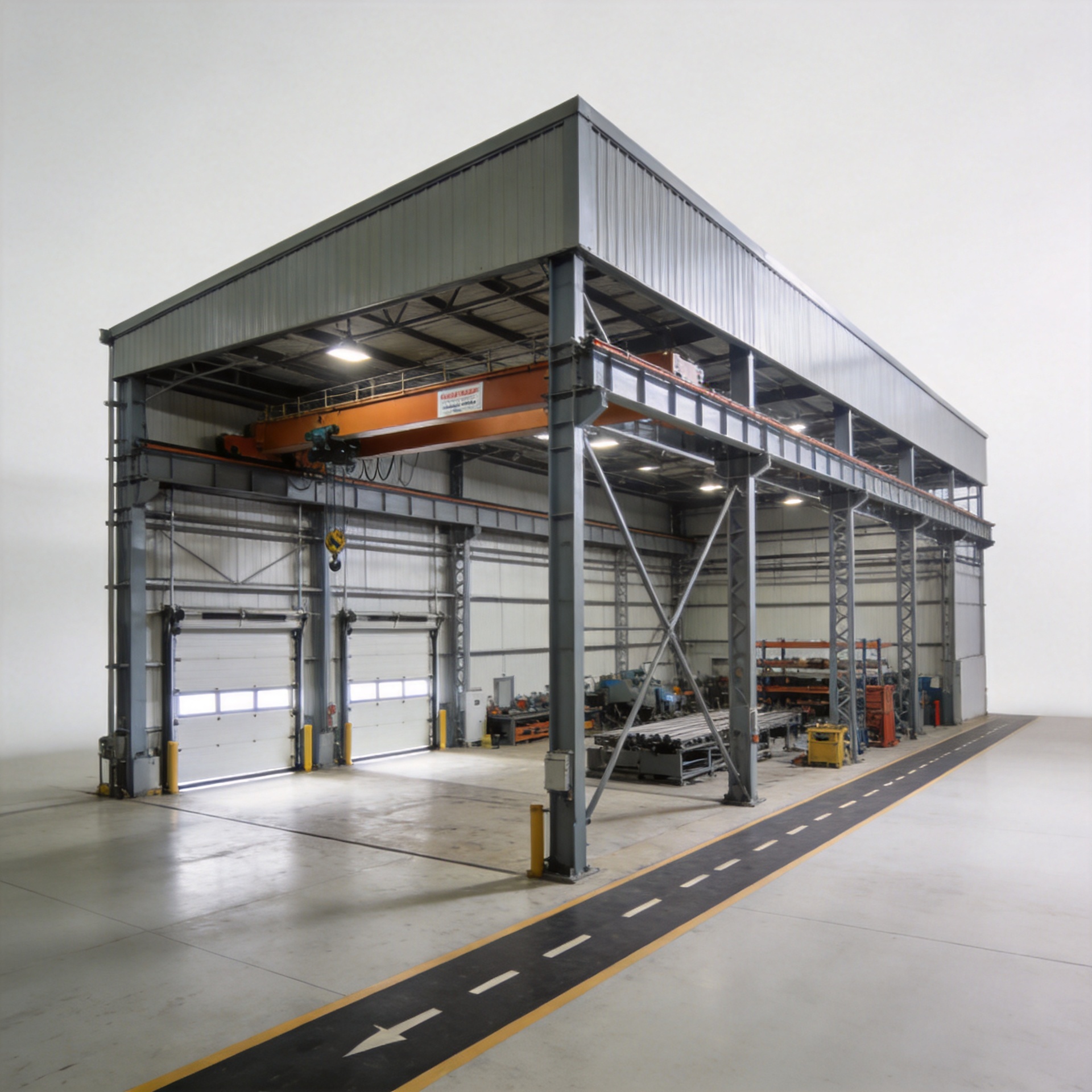
Plan a warehouse workshop steel structure with smarter zoning, flow, clear height, crane, fire, and expansion decisions.
2026/10/26
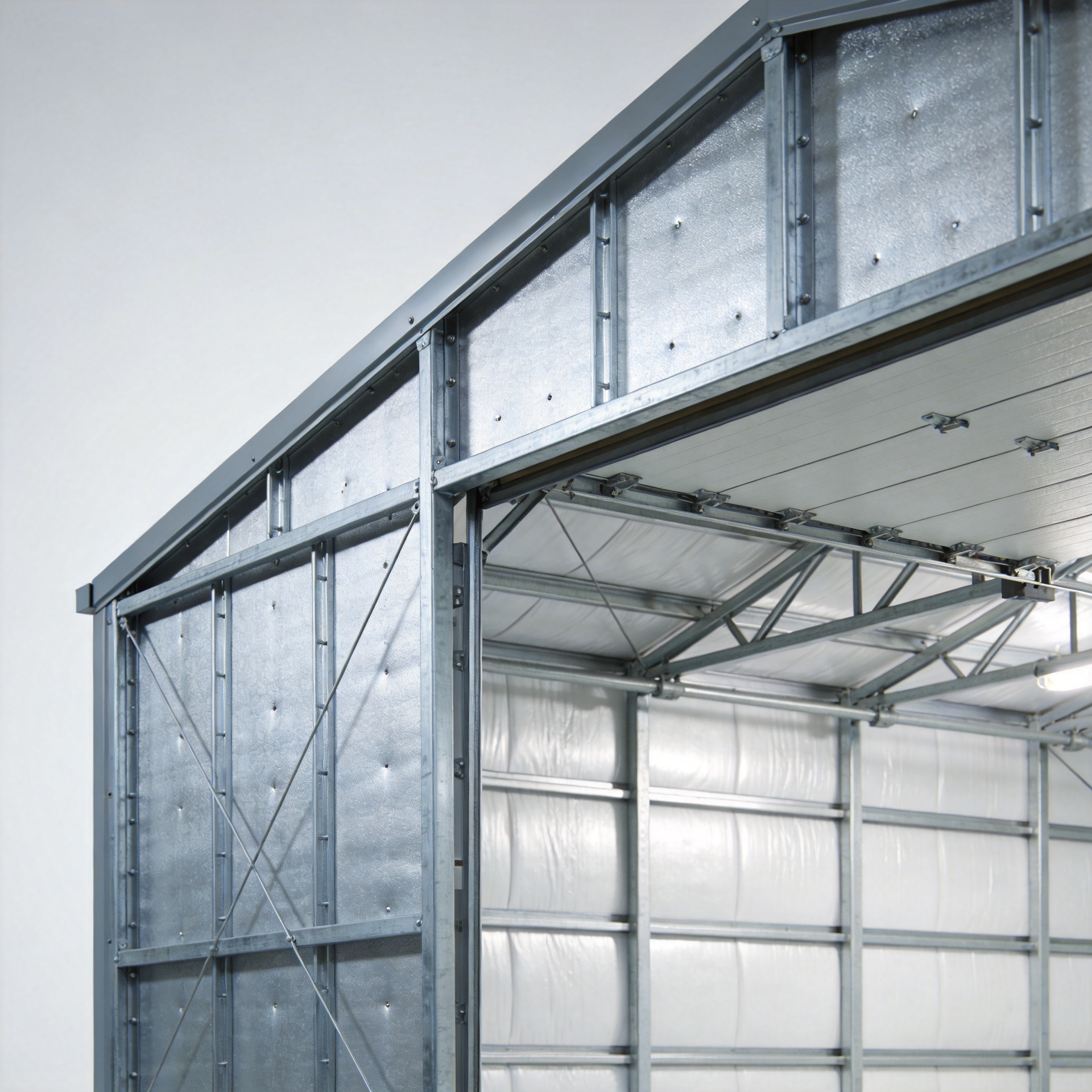
Plan a cold storage steel structure with insulation, vapor control, thermal breaks, refrigeration interfaces and corrosion-ready details.
2026/10/26
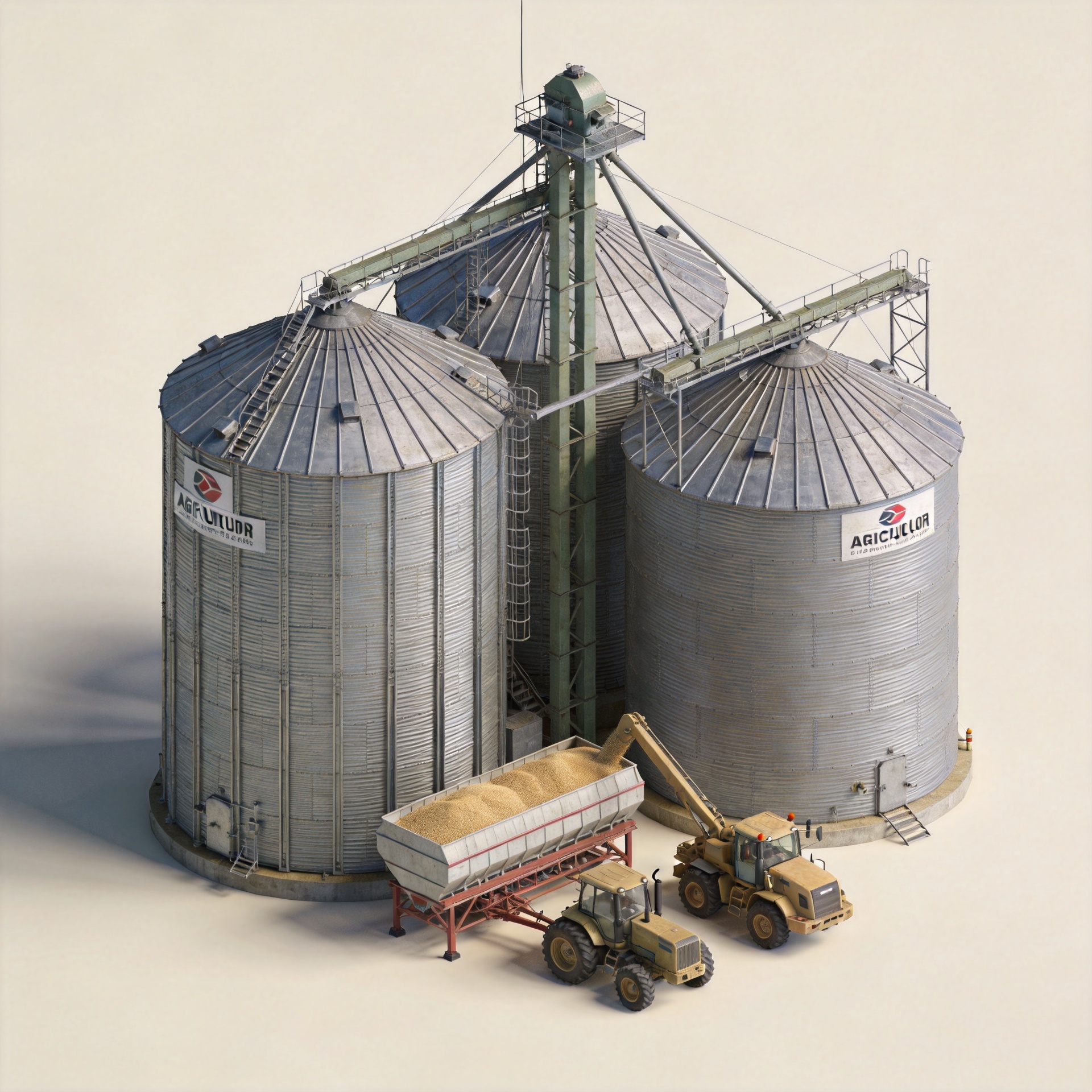
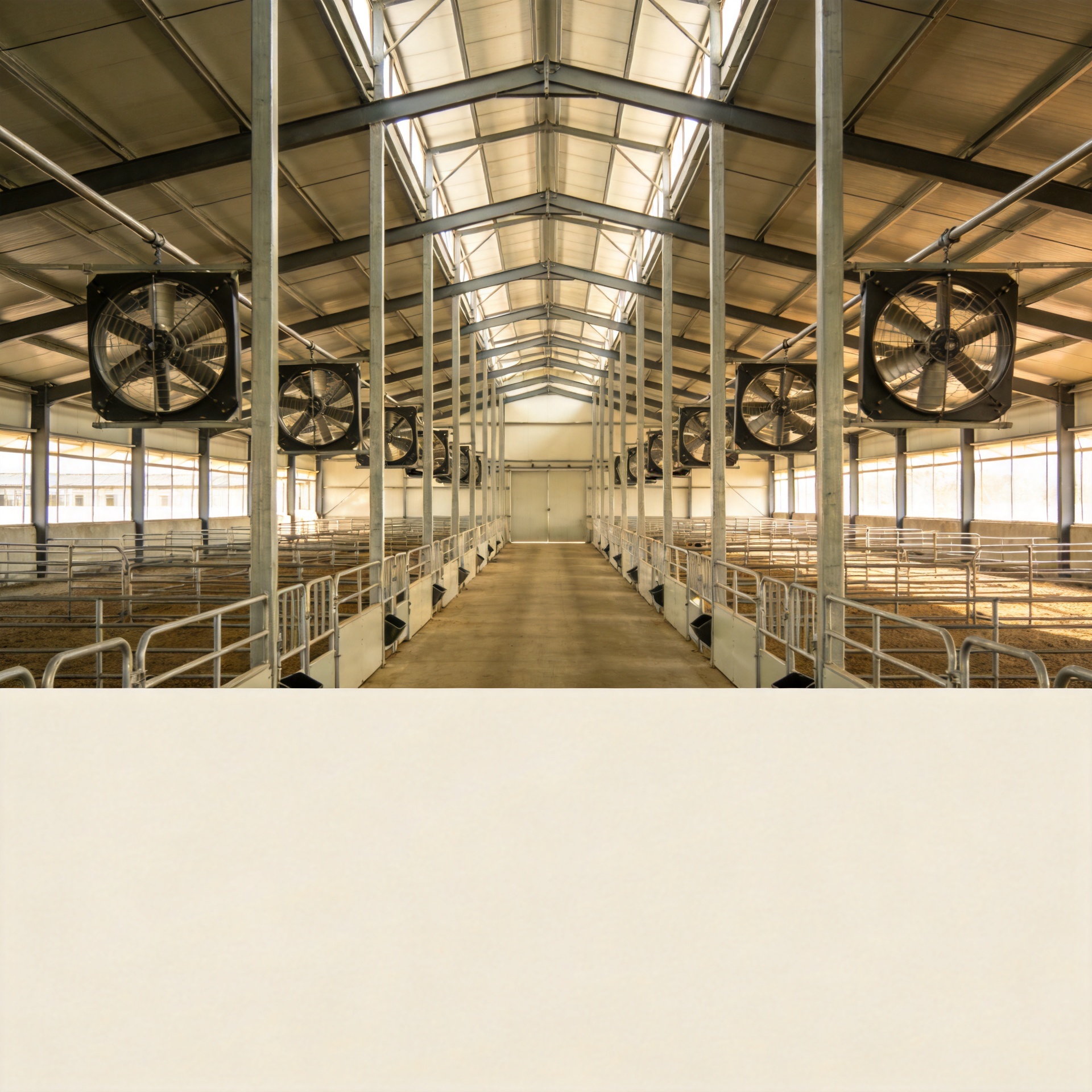
Plan an agricultural steel structure that scales from machinery barn to storage and farm logistics hub with practical design and procurement steps.
2026/10/26
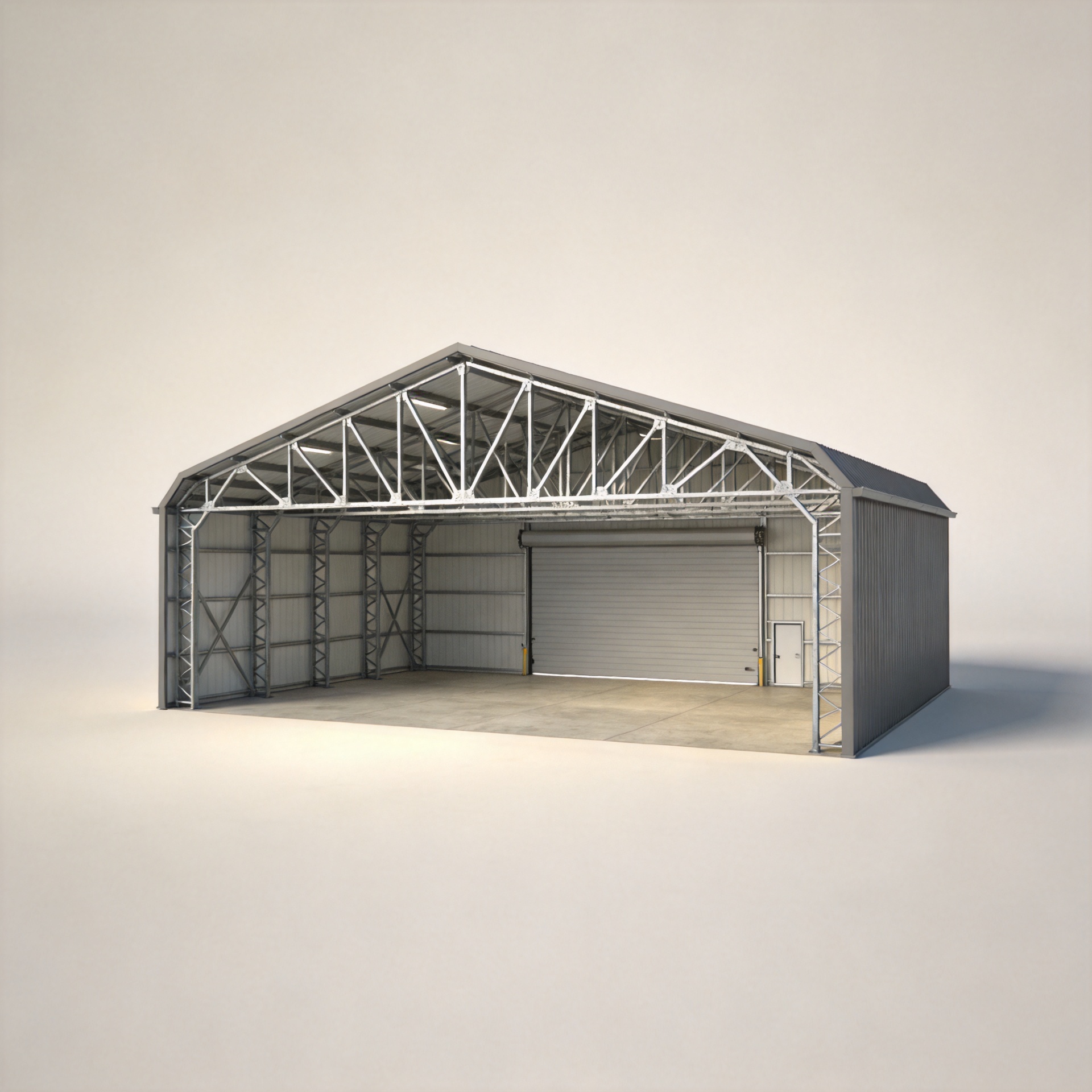
Plan a livestock steel structure for welfare, corrosion resistance, fire considerations, and efficient design-to-delivery decisions.
2026/10/26
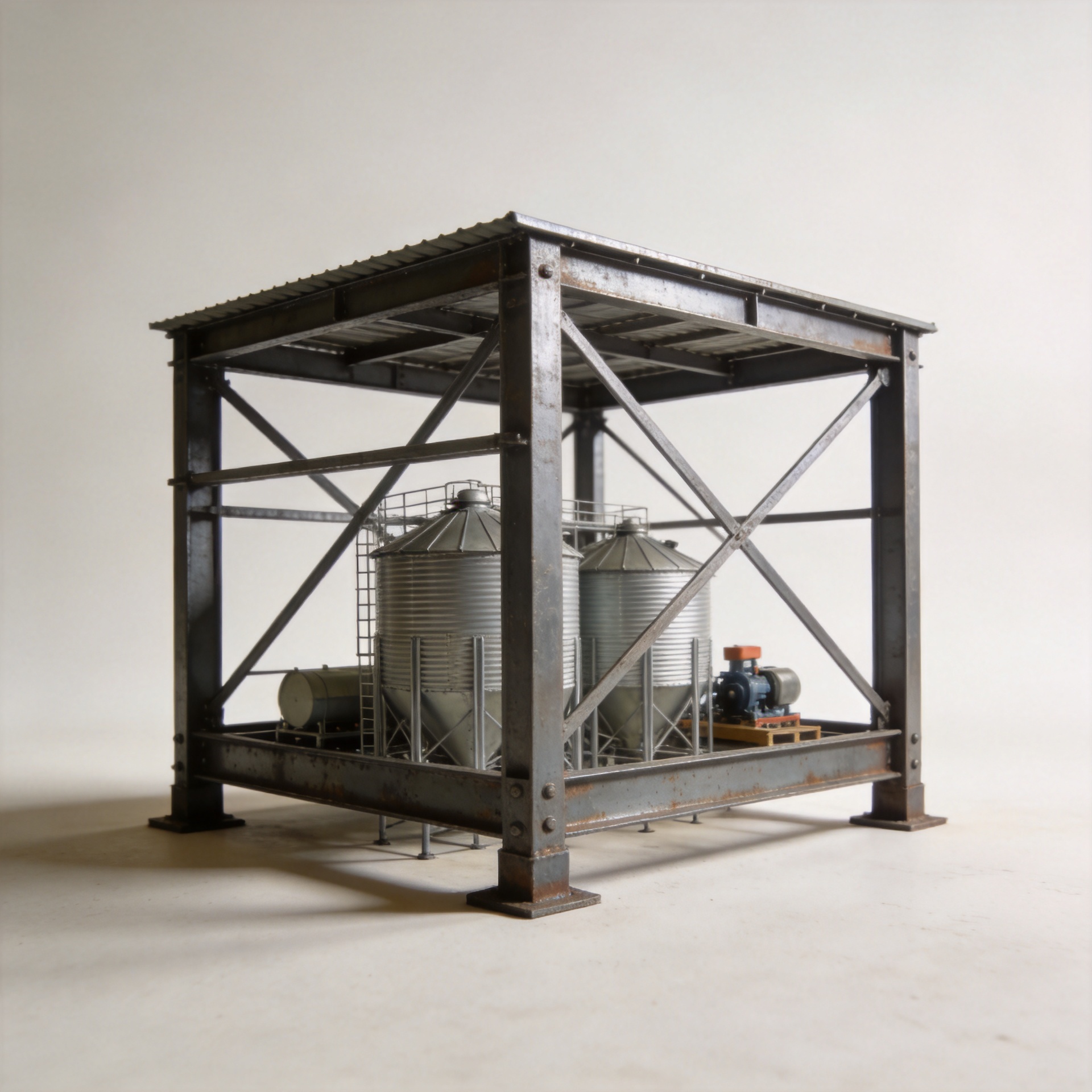
Plan an aircraft steel structure for hangars and support facilities with guidance on loads, corrosion, fire, EN 1090, and delivery milestones.
2026/10/26
Choose a farm steel structure for agricultural storage with practical guidance on loads, corrosion, compliance, and delivery planning.
