 EN
Warehouse-Workshop Steel Structures: Dual-Use Design
2026/10/26
Plan a warehouse workshop steel structure with smarter zoning, flow, clear height, crane, fire, and expansion decisions.

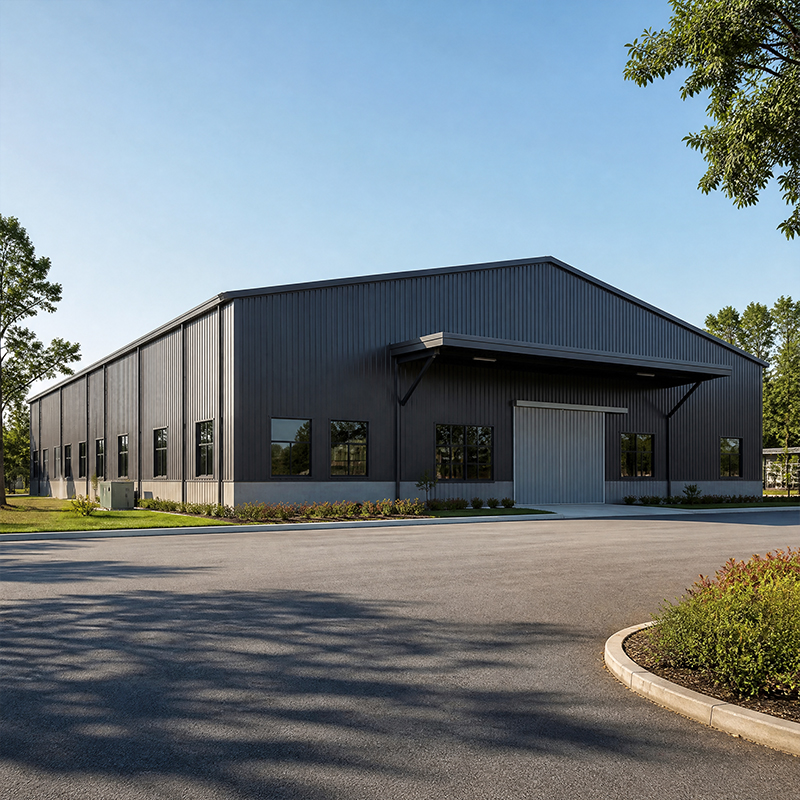
A well-built anti rust steel warehouse protects stored goods long before paint is ever applied. Corrosion begins at the material level, so owners should think about steel grade, coating system, and site climate together rather than treating rust as a later repair job. Humid, coastal, and agricultural environments attack bare steel fastest, and a single wrong material choice can shorten a building's service life by years. This guide walks through proven material and coating options that keep industrial storage structures sound.
Steel selection sets the ceiling on how long an anti rust steel warehouse resists rust. Carbon steel grades differ in chemistry and trace elements, and those details decide whether a structure survives a wet climate or flakes within a decade.
An anti rust steel warehouse begins with the steel itself. Low-alloy grades such as Q355B and Q355D carry better toughness at low temperature than plain carbon steel, while the Z-direction grade Q355B-Z35 resists lamellar tearing at welded joints where moisture hides. For heavier frames, Q420B high-strength steel trims tonnage and the surface area exposed to air. Mill certificates should name the exact grade, because a vague "structural steel" tag hides the corrosion story. Specifying the grade up front is cheaper than recoating a failing frame later.
Galvanizing baths steel in molten zinc, forming a metallurgical barrier that protects even at scratched edges. Paint only sits on the surface and fails the moment a cut exposes bare metal. For an anti rust steel warehouse near salt air, hot-dip galvanizing paired with 10.9S high-strength bolts gives decades of quiet service. Organic paint still helps where color branding matters, but it demands blast cleaning and strict film thickness to last. EN 1090 and ISO 1461 define how galvanized members are made and tested, so asking for those standards in the contract removes guesswork.
Beyond the base metal, the film system decides yearly maintenance cost. A thin, poorly bonded coat peels fast and lets water reach the steel underneath.
Glass flake coating packs flat glass particles into the film, forcing water on a long, winding path to the steel. This barrier resists both abrasion and chemical attack from fertilizer or feed dust common in agriculture. Applied over blast-cleaned steel, a glass flake layer keeps an anti rust steel warehouse sound where standard paint blisters. ISO 3834 governs the welding and surface prep quality behind a durable coat, so the coating is only as good as the joint beneath it. Thickness should be verified per ASTM test methods on site.
Coastal and chemical sites gain from dual systems: galvanize first, then seal with a glass flake or epoxy topcoat. The zinc sacrifices itself at damage points while the film blocks bulk water. This combo suits an anti rust steel warehouse storing corrosive goods or sitting in a high-humidity zone where single protection rusts within a few seasons. AISC and MBMA design guides note that envelope durability affects the whole-frame fatigue, so protecting the skin protects the structure. Dual protection costs more up front yet cuts repaint cycles sharply.
Field experience shows how material choice turns into real savings. One regional grain handler faced repeated repainting and lost weeks of storage each autumn.
A grain handler in a cold, damp region ran an anti rust steel warehouse that rusted at every seam within five years. Condensation from daily fill-and-empty cycles soaked the paint, and salt used for de-icing nearby accelerated pitting. The owner needed continuous storage through harvest but could not shut the building for long repairs. Standard paint kept failing because moisture reached bare steel at bolt holes and weld toes faster than crews could spot it.
The rebuild used Q355D galvanized members with a glass flake seal on lower wall panels exposed to spillage. CNC-cut connections and robotic welds removed the weak joints where rust started, and ISO 9001 factory control kept every batch consistent. After two full harvest seasons the panels showed no active rust, and the owner skipped the annual repaint entirely. The project proved that pairing the right grade with a proven coating beats chasing cheap paint that fails early.
Buying corrosion resistance well means writing the right spec and checking delivery, not just comparing tonnage prices.
The request for quotation should name the steel grade, zinc coating mass per ISO 1461, and film thickness for any glass flake layer. CE marking and EN 1090 execution class tell suppliers the build quality expected, while OSHA and IBC rules cover safe site handling. Vague promises of "rust proof" steel mean little without test certificates, so buyers should ask for mill and coating reports with each shipment. Clear specs prevent the silent downgrade that causes early failure.
A simple annual check finds trouble before it spreads. Walk the envelope, note any coating cut from forklift contact, and touch up small spots with matched system paint. Drains and roof valleys should stay clear so water never ponds on steel. NFPA housekeeping rules for storage sites also reduce fire load that traps damp air against walls. With a galvanized and sealed frame, most owners need only light touch-ups, keeping the structure sound for decades without heavy cost.
Choosing an anti rust steel warehouse is less about one magic paint and more about grade, coating, and care working together. Galvanizing, glass flake film, and the right Q-grade steel stop corrosion at the source, while EN 1090 and ISO 3834 back the build with real standards. Buyers who specify clearly and inspect yearly gain a storage structure that stays sound through harsh climates and heavy use.
What coating lasts longest on a steel warehouse in coastal air?
Answer: Hot-dip galvanizing paired with a glass flake or epoxy topcoat gives the longest service in salt air. Zinc sacrifices itself at scratches while the film blocks bulk moisture, so the steel stays sound for decades. Paint alone fails fast once a cut exposes bare metal. Specifying zinc mass per ISO 1461 and film thickness in the contract removes guesswork and prevents early repaint cycles.
Why does steel grade matter for rust resistance?
Answer: An anti rust steel warehouse performs better when the base steel resists both corrosion and weak points at joints. Low-alloy grades such as Q355D keep toughness in cold, damp sites, while Q355B-Z35 resists lamellar tearing where moisture hides. A vague "structural steel" tag hides the real chemistry, so mill certificates must name the exact grade. Choosing the right grade up front costs less than recoating a failing frame after a few seasons.
How is a glass flake coating applied to steel panels?
Answer: Crews blast-clean the steel to remove scale and rust, then apply the glass flake coat in controlled film thickness. Flat glass particles force water on a long path to the metal, resisting abrasion and chemical attack from feed or fertilizer dust. ISO 3834 governs the welding and prep quality beneath the film. Thickness should be checked per ASTM methods on site so the barrier performs as designed through harsh storage duty.
When should dual protection be specified for storage buildings?
Answer: Dual protection suits sites with salt air, chemical fumes, or high humidity where single systems rust within a few seasons. A galvanized base plus a sealed topcoat protects at damage points and blocks bulk water, cutting repaint cycles sharply. AISC and MBMA guides note envelope durability affects whole-frame fatigue, so protecting the skin protects the structure. Specifying dual systems in the RFQ prevents the silent downgrade that causes early failure.
Which standard confirms galvanized members are made correctly?
Answer: EN 1090 together with ISO 1461 confirms galvanized structural members meet execution and coating-mass rules for export and local use. CE marking shows the build follows European conformity, while ISO 9001 backs steady factory control of every batch. Buyers should request mill and coating reports with each shipment rather than accept vague promises. Clear certs turn corrosion resistance from a claim into a verified, inspectable result on site.
2026/10/26
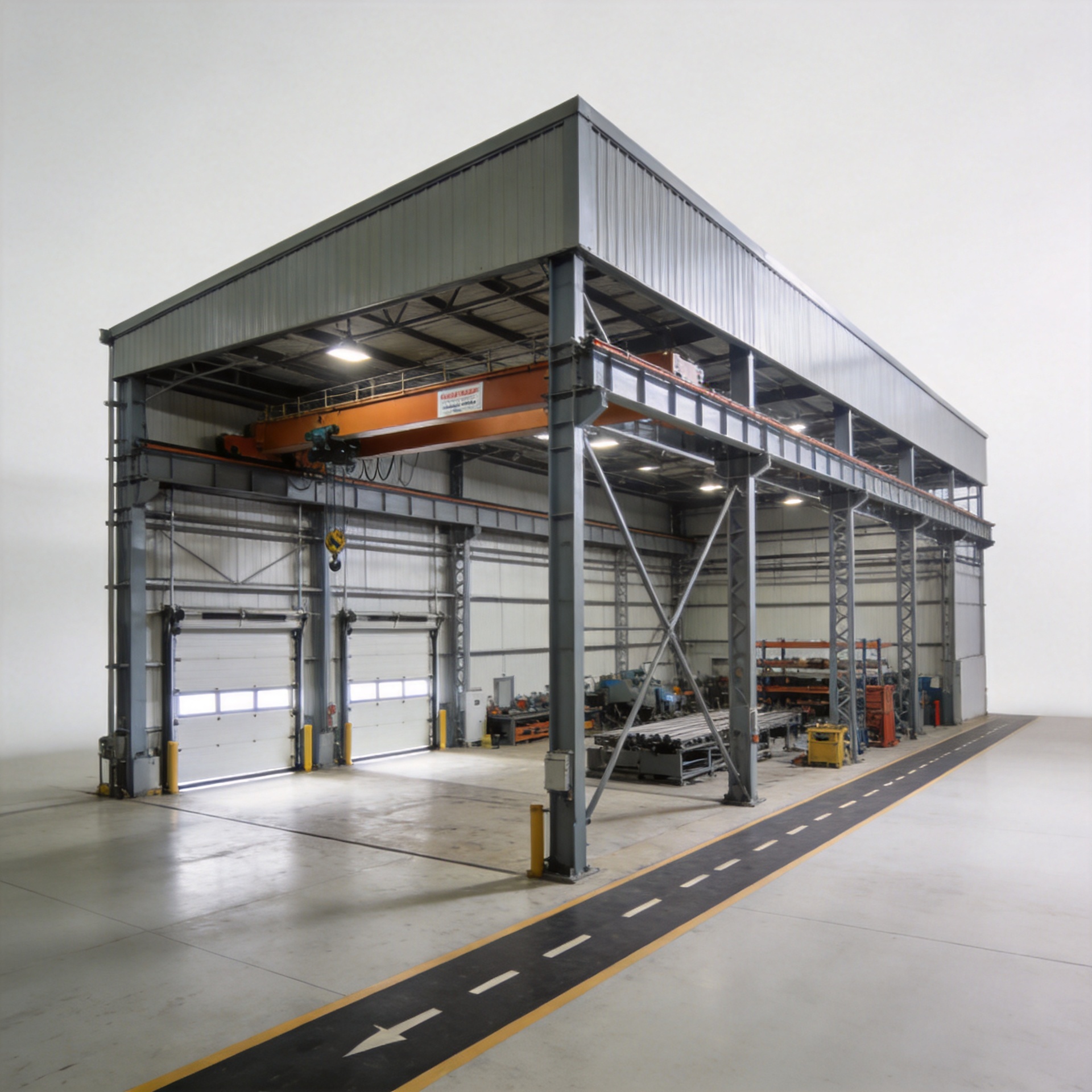
Plan a warehouse workshop steel structure with smarter zoning, flow, clear height, crane, fire, and expansion decisions.
2026/10/26
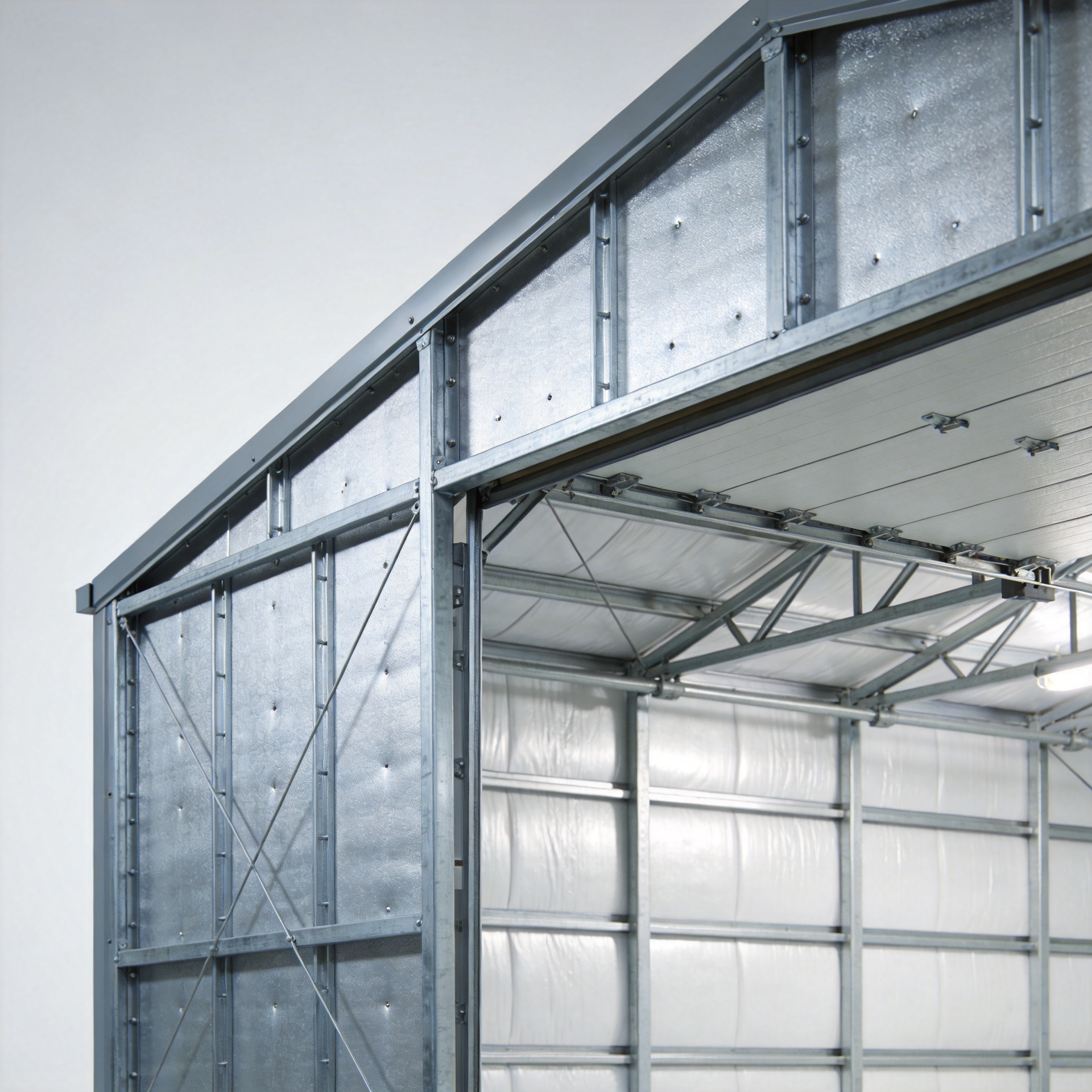
Plan a cold storage steel structure with insulation, vapor control, thermal breaks, refrigeration interfaces and corrosion-ready details.
2026/10/26
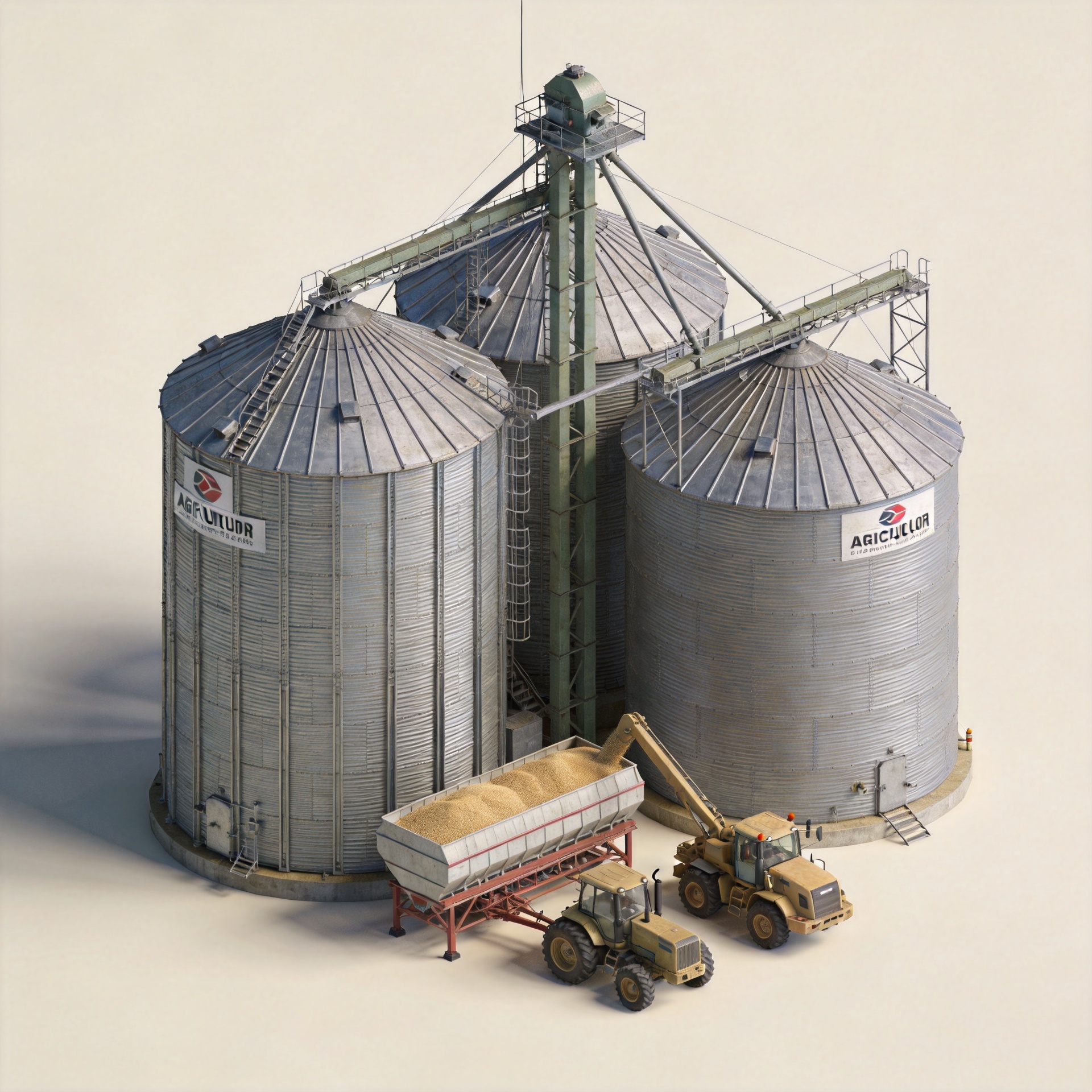
Plan an agricultural steel structure that scales from machinery barn to storage and farm logistics hub with practical design and procurement steps.
2026/10/26
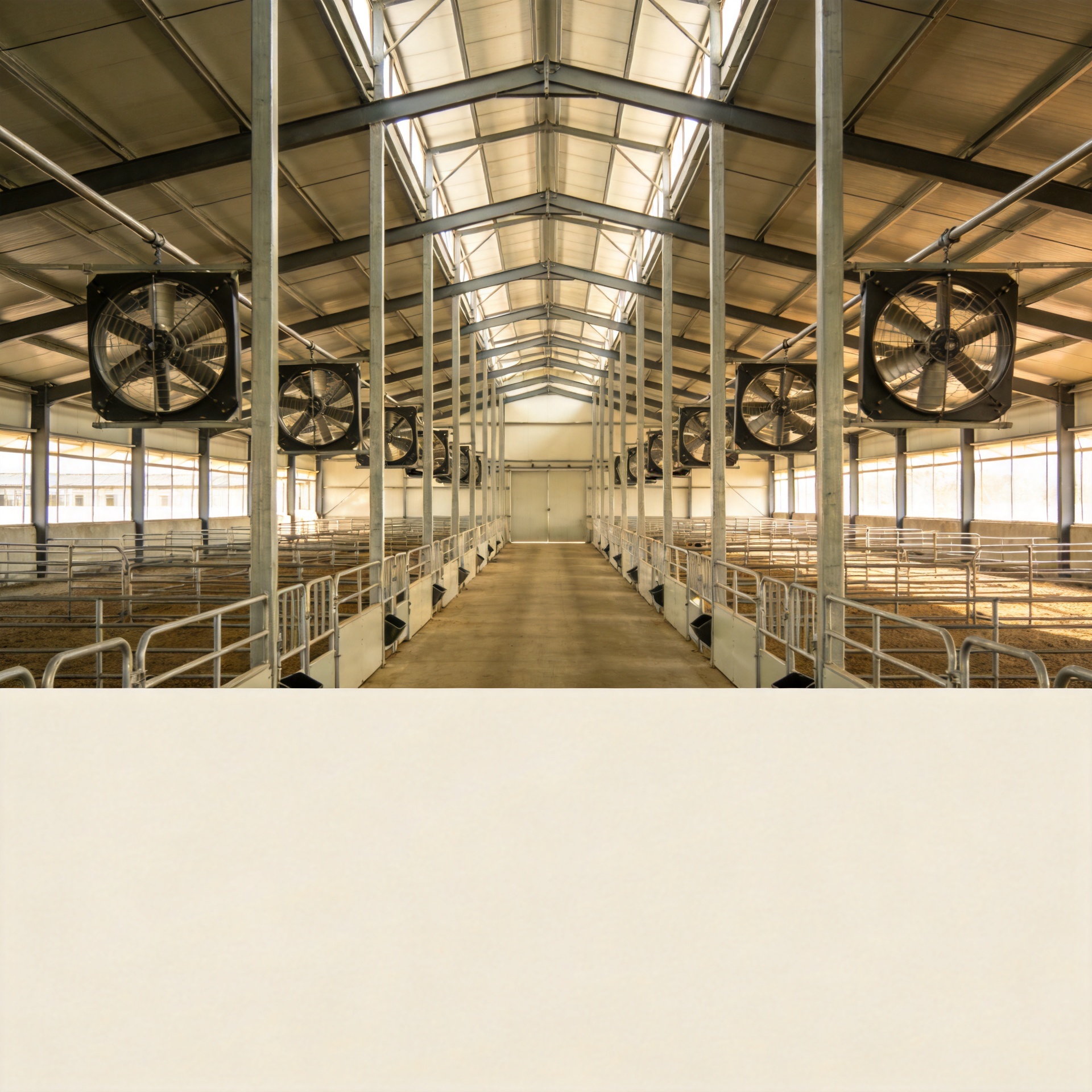
Plan a livestock steel structure for welfare, corrosion resistance, fire considerations, and efficient design-to-delivery decisions.
2026/10/26
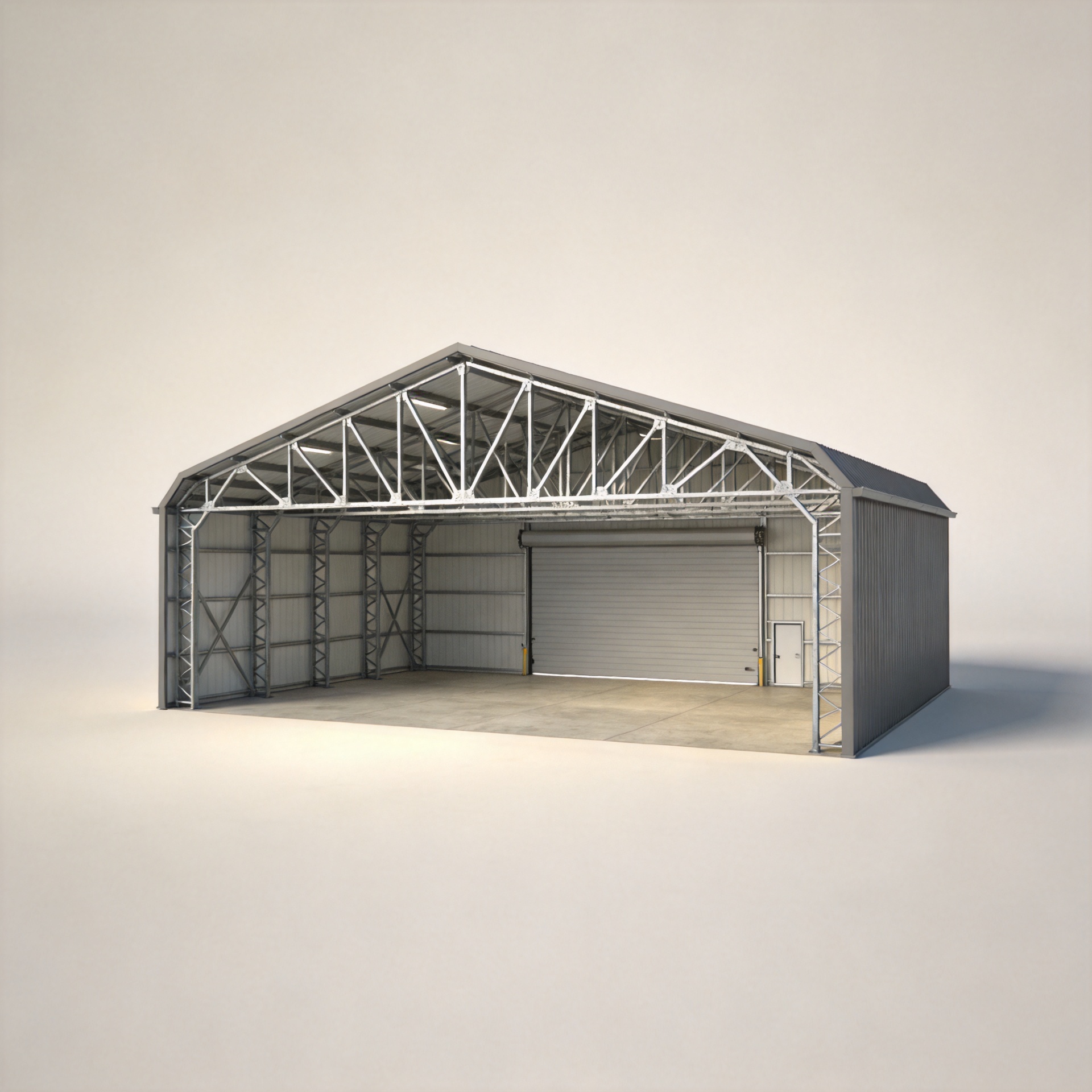
Plan an aircraft steel structure for hangars and support facilities with guidance on loads, corrosion, fire, EN 1090, and delivery milestones.
2026/10/26
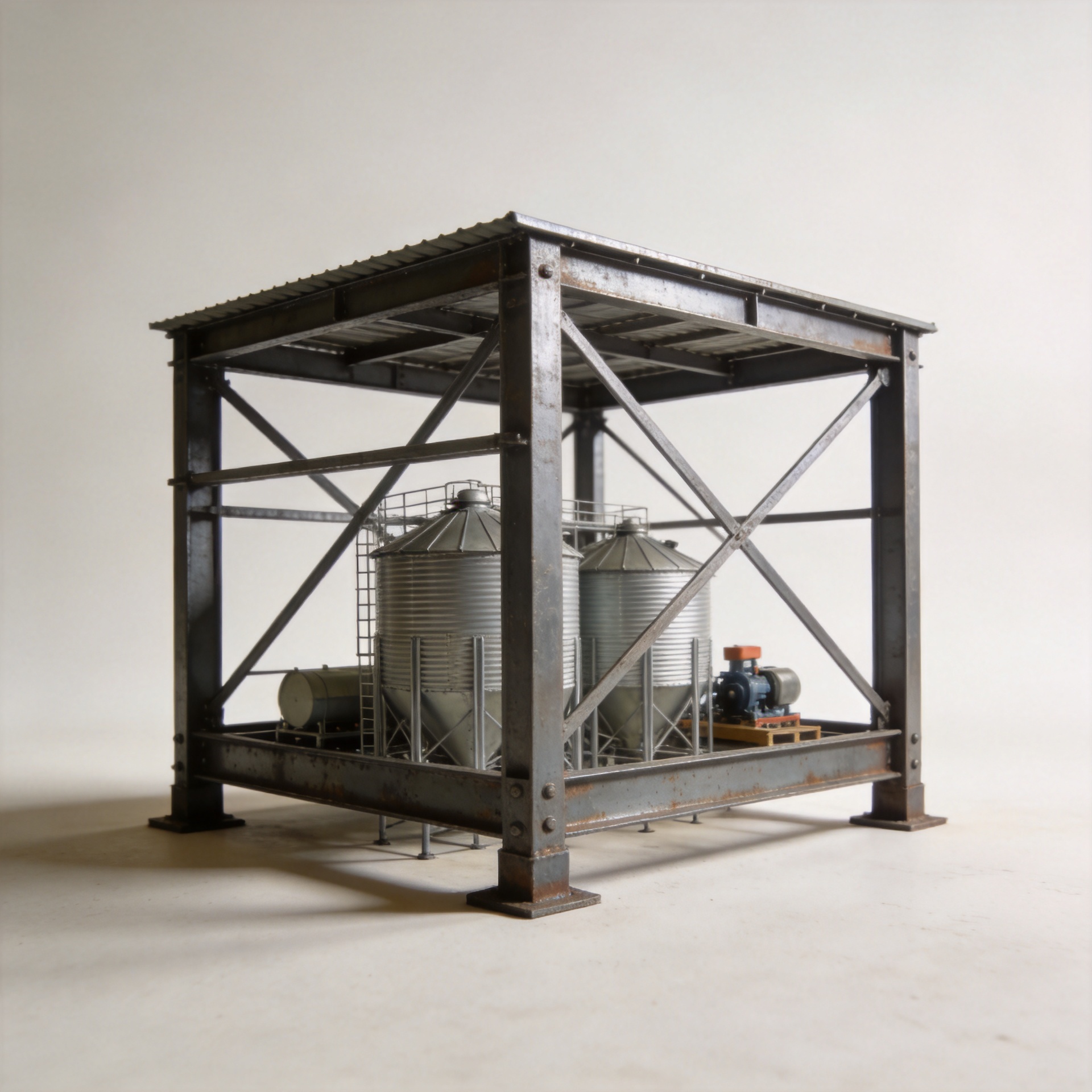
Choose a farm steel structure for agricultural storage with practical guidance on loads, corrosion, compliance, and delivery planning.
